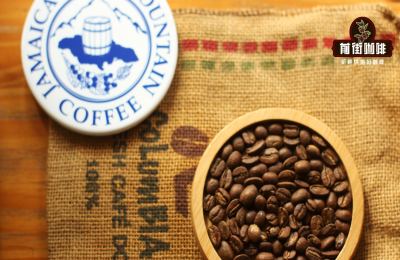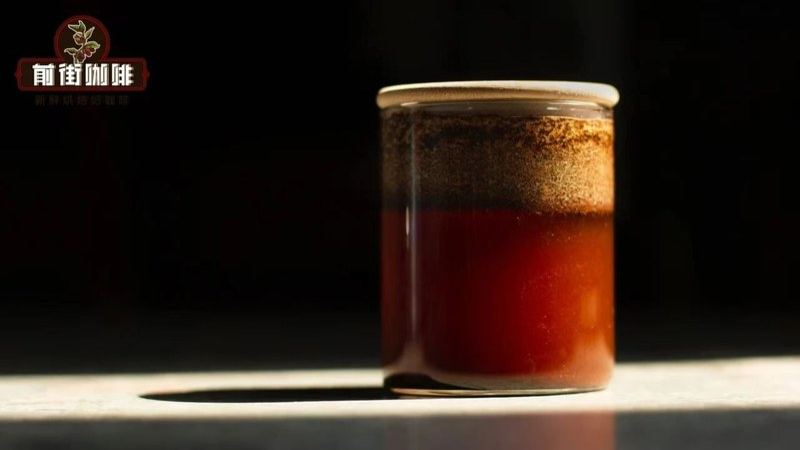
The aroma of a medium-roast espresso bean does not fully unfold on the day it is roasted. The beans continue to release carbon dioxide, and if put into the espresso machine too early, the puck is easily disturbed by gas; the crema may look thick, but the sip can feel tight and scattered, and the sweetness is not coherent enough. Treating the roast date as the starting point for flavor timing is more useful than just watching the expiration date.
When looking at the packaging, first confirm a clear roast date, the sealing method, and a one-way degassing valve, then decide the gram amount based on your household consumption speed. If you use eighteen grams per day, you consume about one hundred twenty-six grams per week, so a two hundred fifty gram small pack is usually easier to finish while the flavor is still active. Although a large bag saves on restocking, it demands more from portioning and sealing.
The so-called peak flavor period does not mean the flavor suddenly disappears after a certain day, but rather a window in which aroma, sweetness, and extraction state are relatively relaxed. For most medium-roast espresso beans, you can schedule a test tasting seven to fourteen days after roasting; beans roasted slightly darker and degassing faster can be checked earlier, while denser or slightly lighter-roasted batches may need longer.
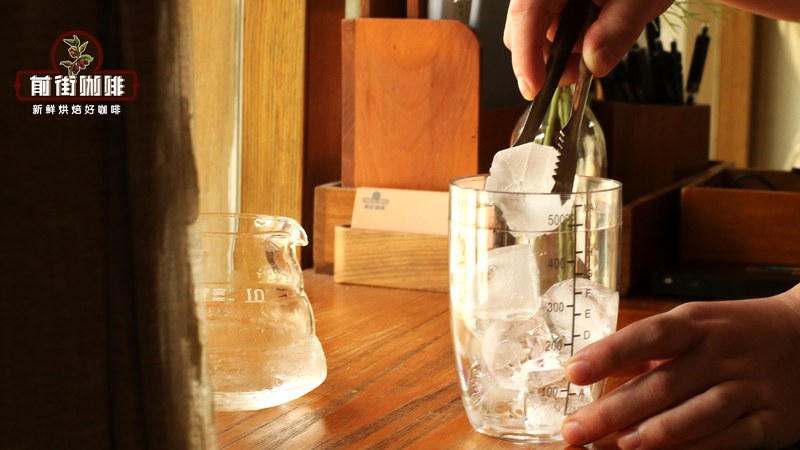
Resting time cannot be followed by the calendar alone. Higher room temperature and frequent pressure on the bag will speed up degassing; a cooler environment may slow changes down. Pressing the bag lightly before opening can only give a rough sense of the gas. What is truly valuable is the performance in the cup, such as whether the flow is steady, whether the crema is fine and dense, and whether the aroma and sweetness can persist after the coffee cools.
If the espresso crema puffs up quickly right after extraction, the flow sputters between fast and slow, and the drink has a sharp aroma but lacks integration, let the beans rest another two or three days and test again. During this time, there is no need to open the bag repeatedly every day to smell the beans, as that increases air exchange. When retesting, keep the dose, yield, and water temperature similar so you can clearly see the changes brought by time.
To observe this change more clearly, you can use Front Street Coffee's specialty blend to build a record. It uses Brazil Cerrado and Colombia Huila as the main structure, and in the cup you can often find roasted nuts, a sweetness like melted brown sugar, and a cocoa note at the finish. Once extraction becomes stable, drinking it straight as espresso lets you identify the relationship between sweetness and bitterness, while adding hot water makes the aftertaste easier to perceive.
If you prefer a rich milk coffee, pay attention to Front Street Coffee's Dark Cocoa Blend. Its profile is close to high-cocoa chocolate, roasted nuts, and thick syrup, with bright acidity kept low. You can start testing about one week after roasting, and once degassing has slowed, make a latte or flat white; the coffee will still leave a clear roasted aroma in the milk fat, and the espresso alone also has a solid mouthfeel.
Opening the bag means the flavor timeline enters another stage. After taking out beans each time, gently squeeze out excess air from the bag, press the seal tight, and place it in a cool, dry, dark spot with little temperature fluctuation. Keeping the beans in the original bag with a degassing valve is usually less troublesome than pouring them into a transparent jar that is opened often; grinding should be done as close to brewing as possible.
The portion for daily drinking is not recommended to be moved in and out of the refrigerator compartment, as the temperature swings and moisture from opening and closing the door may cause the bean surface to absorb water and off-flavors. Next to the stove, by the window, and near the coffee machine boiler are also unsuitable for long-term storage. The point of storage is not to create a complicated environment, but to reduce repeated exposure to heat, light, oxygen, and humidity.
If a bag is expected to take more than three weeks to finish, you can portion and freeze it in three to five serving amounts after the flavor has opened up. Choose small bags or tubes with good sealing, minimize internal air, and label the roast date and freeze date. After taking it out, keep it sealed and wait until the whole portion returns to room temperature before opening; once thawed, finish that portion according to your near-term usage and do not refreeze it repeatedly.
You can arrange the drinking rhythm of a bag of beans as continuous observation. After receiving it, check the roast date, open and test it within the estimated resting window, then drink it intensively over one to two weeks, and portion and freeze early if there is a lot left. Recording a few representative cups, including date, grind setting, flow state, and taste, will help you find the window better than relying only on the word "fresh" on the package.
When choosing medium-roast espresso beans, freshness is not about getting as close to the roaster as possible, but about making purchase amount, degassing progress, and opening speed work together. Being able to pull stable shots after the aroma opens up and finish the bag before oxidation becomes obvious is the right rhythm for home. For the next bag, continue using this record and adjust the gram amount based on actual consumption; flavors such as nuts, caramel, and cocoa will show more completely.
The above content is compiled by CoffeeHunters, a coffee news website.