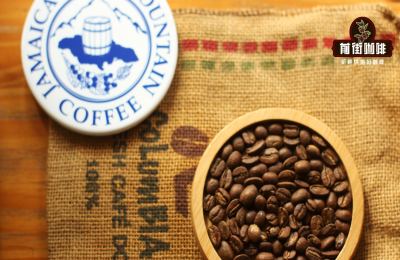
Nuts, cocoa, and caramel type coffees often charm with their consistent sweetness, soft acidity, and smooth entry, making them suitable for hot Americanos, milk coffees, or moka pot brews. However, the same bag of beans can change in aroma, body, and aftertaste when consumed at different times after roasting. When selecting these coffees, besides looking at flavor descriptions, pay attention to the roast date and plan the pace from opening the bag to finishing it.
The roast date is more helpful than the expiration date on the packaging for judging the flavor state. The expiration date mainly indicates how long the food can be stored under specified conditions, while the coffee bean's peak flavor period refers to the stage where the aroma, sweetness, and mouthfeel are at their best. Beans are not necessarily best brewed closest to the roast date; right after roasting, they still contain a lot of carbon dioxide that needs time to release.
Resting can be understood as allowing the coffee beans to complete natural degassing. When degassing is insufficient, hot water can be hindered by gas, resulting in coffee that may have sharp acidity, dispersed aroma, and a bulging coffee bed. After a few days of rest, water penetrates the beans more easily, and nutty and chocolate notes become more concentrated. This process is not about letting the beans spoil, but waiting for them to enter a more expressive stage.
The timing varies for different roast levels. Lighter roasts can usually be tried about ten days after roasting, often needing two to three weeks to become more stable; medium roasts can be observed after about a week, with the second week often being smoother; darker roasts degas faster and can be sampled in five to seven days. Specifics also depend on bean density, packaging valve, and roasting method, so the date should be a reference rather than a rigid answer.

If you're looking for a nutty chocolate direction, consider Front Street PWN Indonesia Golden Mandheling. This bean has herbal notes, a dark chocolate-like bittersweetness, and a fuller body, with low acidity. In the first few days after roasting, it may have smoky or dry sensations, but after about a week, using a moka pot or making a hot Americano usually results in a more stable mouthfeel; when adding milk, the chocolate notes are also more likely to remain.
To determine if a bean has reached the stage that suits you, try it several times in a row rather than concluding on a single day. For example, record the aroma on the seventh day after roasting, feel the sweetness on the tenth day, and then compare the aftertaste every two to three days. If the aroma changes from dull to clear and the entry shifts from sharp to smooth, it indicates it is entering a more suitable drinking window; if the flavor starts to flatten, you can speed up consumption.
The purchase quantity also affects freshness management. If you drink one cup a day at home, choose small packaging to ensure it is used within two to three weeks after opening; for multiple drinkers or more cups per day, consider larger packaging. When buying, check the roast date and packaging date first, and try to choose packaging with a one-way exhaust valve and reliable seal. After receiving the beans, there is no need to open them immediately; first arrange rest days based on the roast time.
After opening, whole beans should be stored in a cool, dry, and dark place, with excess air squeezed out of the bag before sealing tightly. Transparent jars, cabinets near the stove, and refrigerator doors are not suitable for long-term storage because light, temperature changes, and moisture accelerate flavor degradation. When taking beans daily, only open for the needed time, and weigh before grinding to reduce the beans' exposure to air.
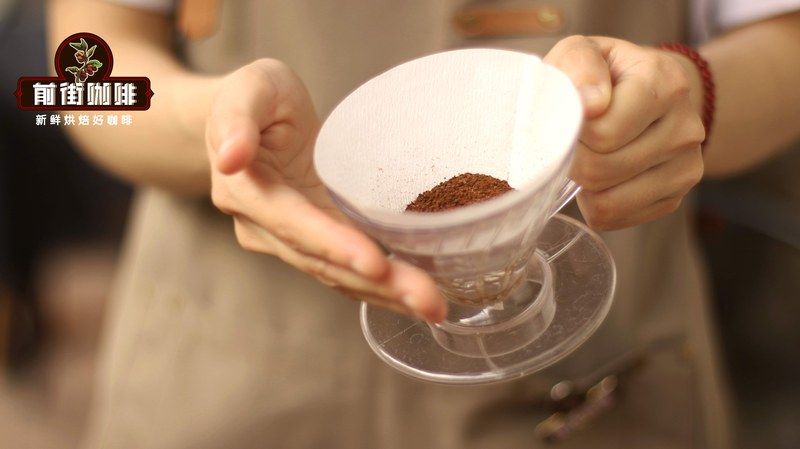
If a bag of beans is not used up quickly, you can divide it into portions before opening, each corresponding to a few days' use, and then seal and store. For short-term storage, keep at room temperature and away from light; for longer storage, you can freeze the portioned whole beans, take out one portion and keep it sealed, and let it return to room temperature before opening the bag to reduce condensation. Freezing does not mean the flavor remains unchanged forever; portioning and sealing are key.
Towards the end of the bag, fading flavor is not necessarily a brewing problem but may be due to longer exposure to air. At this point, prioritize freshly grinding, shorten the time the bag is open, and observe the aroma after grinding. If making moka pot or Americano, nutty chocolate beans can start with a shorter extraction to retain sweetness and body; if the cup shows obvious dry bitterness, adjusting the dosage and contact time is more helpful than simply extending extraction.
By simply recording the roast date, opening date, and tasting impressions each time, you can gradually find the flavor window that suits you. Some people prefer the bright aroma after degassing, while others favor the soft body after two weeks; different stages of the same bean are worth comparing. Buying small amounts, opening in portions, and drinking according to time make it easier for nutty and chocolate flavors to appear consistently in your daily cup.
The above content is compiled by CoffeeHunters, a coffee news website.