







How Long Should Coffee Beans Rest Before Brewing?
Freshly roasted coffee beans hold roughly two percent of their weight in carbon dioxide, which escapes over the days after roasting. Resting lets that gas leave so the smoky, dry edge of roasting fades and flavors taste cleaner. Degassing really begins about three hours after the roast ends, and beans brewed too early taste sharp and erratic.
Resting time depends on roast level and brew method. Darker roasts and espresso generally need fewer days, while lighter roasts for pour-over often need longer before they peak. Whether brewing by hand or using how to make coffee with a coffee machine, the goal is the same: finding the window where aroma and sweetness come through without the gas getting in the way.
Friends new to coffee might wonder: do coffee beans also need to be "rested"? The answer is much like tea and red wine. After roasting, beans need a period of rest to let internal gases gradually escape, so the smoky flavor and dry sensation fade, and the flavors can fully express themselves during brewing. This article will guide you through the essence of bean resting—the carbon dioxide release process, its impact on taste cleanliness and extraction stability, and the differences in resting time based on roast level and brewing method. At the end, we'll also recommend suggested resting days for several popular Front Street Coffee beans, covering both pour-over and espresso, to help you find the optimal flavor window and avoid regrets from over-resting or under-resting.
Friends just stepping into the coffee world often ask: coffee beans actually need resting? Why rest them? And how exactly should it be done?
In fact, coffee shares many similarities with tea and red wine, and the idea of "resting" or "awakening" is the same. So-called bean resting, plainly put, is letting freshly roasted beans take a break—this rest period is quite crucial for the beans. Besides prompting internal gases to release outward, it also ensures flavors can be more fully expressed during extraction. The core purpose is to let the smoky aroma and dry sensation left from the roasting stage dissipate. What is bean resting?
The essence of bean resting is a process of gas emission and carbon dioxide release.
Freshly roasted coffee beans just out of high-temperature roasting contain about 2% of their weight in carbon dioxide. These considerable amounts of carbon dioxide will gradually escape depending on the storage environment, equipment, or method, causing the internal pressure of the packaging to exceed the outside atmospheric pressure by one atmosphere. This pressure helps aromatic substances and oils merge together, bringing all aromatic components within the beans to a state where they are easily extracted.
Generally speaking, the degassing reaction of coffee beans truly begins only 3 hours after roasting ends. If the beans do not release any carbon dioxide, the brewed taste will be very erratic. If you have ever poured hot water over freshly roasted and ground coffee powder, or used it to make an espresso, you will find it quite sharp and pungent on the palate, with over-extracted bitterness and prominent acidity, hard to associate with a smooth and sweet flavor.
What is the use of bean resting?
Over time, the flavor of coffee beans does slowly change. Although after roasting is completed, the flavor framework of the beans is largely set, they are oxidized every day, thus affecting the taste—this is one reason many baristas often say "coffee beans change every day."
Never underestimate bean resting, because beans that are not properly rested tend to develop unclean flavors. First, under-rested coffee will have a "dry" sensation, which is the smoky, pungent taste remaining inside the beans after high-temperature roasting, and needs a period of carbon dioxide release to eliminate. So compared to unrested coffee, coffee that has rested for several days tastes cleaner and has more pronounced flavors.

However, resting beans is not absolute, and the duration is not fixed. Resting too short means the coffee flavor is incomplete and not easy to brew well—this does not count as good roasting; resting too long, from a freshness perspective, inevitably affects subsequent freshness retention, essentially passing the risk of staleness to consumers, which is certainly not advisable either. How to rest beans? How long to rest?
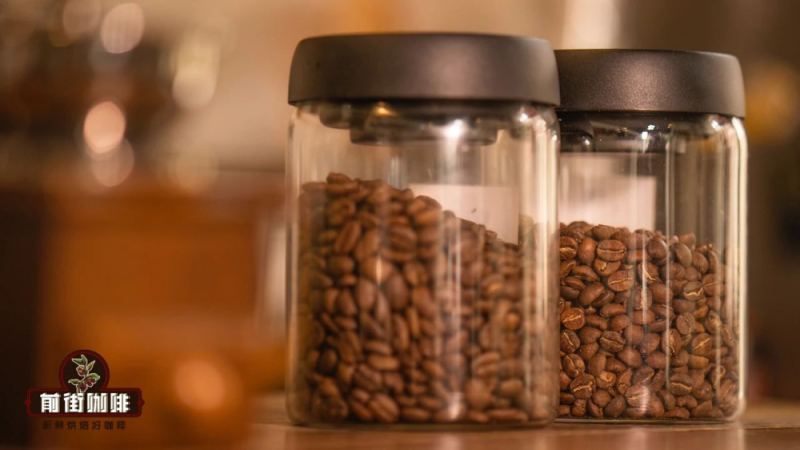
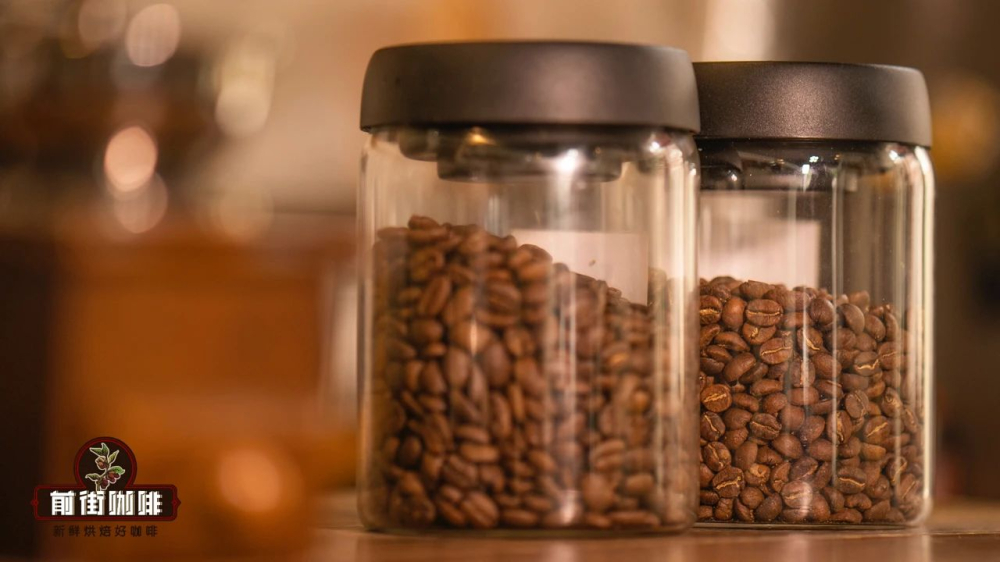
The packaging bag for resting beans is best with a one-way exhaust valve. Place unopened coffee beans in a cool, dry, dark environment without stimulating odors. After the resting period, seal the one-way exhaust valve (with transparent tape is fine), and then carbon dioxide will slowly fill the bag, forming a low-oxygen environment and reducing oxidation speed.
Regarding resting time, because different cafes or coffee brands have different roasting techniques, and different beans have different roast levels, the damage to bean structure varies, so no standard answer can be given for resting duration. As consumers, we do not need to overly fret about the number of resting days—as long as the most active carbon dioxide inside the beans is released first, ensuring it does not affect extraction during brewing and avoids bringing an unpleasant "dry" sensation, that is sufficient.

For example, the rich and full-bodied Front Street Coffee. Golden Mandheling, the mixed nut aroma of Front Street Queen's Estate, the jasmine flavor of Front Street. Washed Yirgacheffe, the berry sweetness of Front Street. Natural Hualkui... These super popular specialty pour-over beans only need 4~7 days of resting before you can start drinking them.
Compared to coffee beans for pour-over, beans used in espresso machines need a longer resting period, such as the rich crema Front Street. Front Street Classic Espresso Blend, the almond cookie flavor of Front Street. Specialty Espresso Blend, and the praised as king of value Front Street. Basic Espresso Blend, generally reaching 7~15 days.
Because espresso extraction by coffee machine is pressure-driven extraction, water is an inert liquid and tends to flow toward looser areas. If coffee beans are too fresh, the resistance formed by excessive carbon dioxide will hinder water flow, causing channeling and uneven extraction, and the coffee taste will naturally be less than satisfactory.
The above content is compiled by CoffeeHunters, a coffee news website.


