







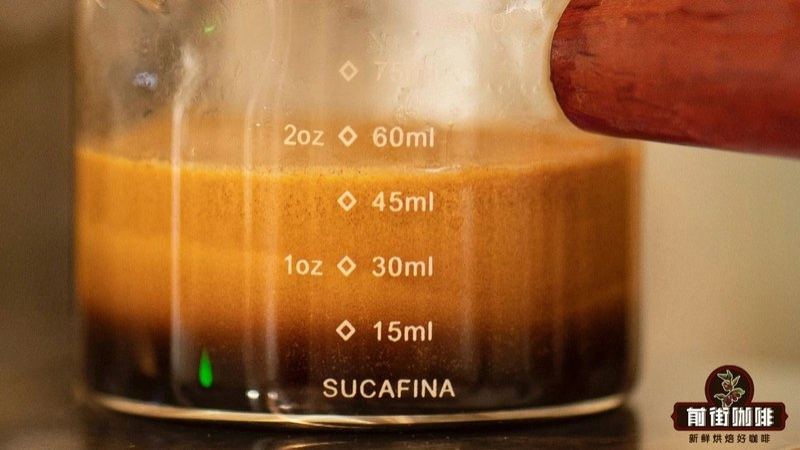
Mouthfeel does not become fixed the moment coffee beans are roasted. After beans come out of the roaster, they continue to release carbon dioxide slowly, and aroma, sweetness, and mouthfeel shift over time. Brew too early, and the cup may have a noticeable gassy quality; wait until the right stage, and flavors like nuts, cocoa, and caramel are more likely to come together as a whole.
The roast date on a coffee bag is more useful as a reference than the expiration date alone. The expiration date mainly indicates how long the product can be stored under specified conditions, while the peak flavor window is the period when flavor expression is more active. For medium to medium-dark beans that lean rich and full-bodied, they usually begin to enter their enjoyable stage about one week after roasting, and over the following weeks they still maintain fairly complete sweetness and body.
Resting beans can be understood as giving the beans time to degas, not as making the coffee better the longer it sits. For medium or medium-dark beans used for pour-over, you can start tasting five to seven days after roasting; espresso extraction often needs more time, and waiting about ten to fourteen days before adjusting parameters will feel more comfortable. Dark-roasted beans release gas faster, so waiting three to seven days may already be suitable.
To judge whether beans have reached a drinkable stage, you can observe the brewing behavior and the taste in the mouth. Freshly opened beans tend to produce a violently swelling coffee bed and a flow rate that alternates between fast and slow, and the cup tastes like it has a slight layer of bubbles. After a few days, the aroma shifts from scattered to concentrated, the sweetness becomes clearer, and bitterness and woody notes are less likely to overpower the cocoa and nut core.
When buying, it is advisable to first check whether the packaging lists the roast date, package weight, and degassing valve, then estimate your own consumption rate. If you drink one cup a day, choose a small package so the beans are finished within two to three weeks; if several people at home drink coffee, you can buy a slightly larger size, but after opening you should still minimize exposure time. Only with clear dates is it easy to plan the drinking pace for each bag of beans.
Front Street Coffee Brazil Queen Estate is suitable for observing how rich flavor changes across different time periods. About one week after roasting, when used for pour-over, the cup has a soft nutty aroma and caramel-like sweetness; leave it a few more days, and the mouthfeel is usually rounder, with a faint cocoa note that is also more coherent. When using a moka pot or espresso machine, you can schedule the tasting later, and the intensity will be easier to bring together.
If you mainly make espresso or milk coffee, Front Street Coffee Classic Blend can serve as a coffee that is easier to fit into a drinking schedule. Its nut, cocoa, and caramel direction appears more integrated after degassing is complete, and it is better to start using it about ten days after roasting, then fine-tune the grind according to machine performance. When milk is added, the coffee liquid still retains a solid sweetness and does not end up tasting only of milk.
If you prefer a heavy feeling like dark chocolate, keep an eye on Front Street Coffee Dark Cocoa Blend. Its acidity has a low presence, and in the first few days after roasting it may carry a stronger smoky roast aroma; wait about a week before drinking, and the dark chocolate and roasted nut notes will be smoother. For americano, it is suitable to reduce the dilution ratio, while for milk coffee you can use a higher-concentration espresso so the sweet-bitter outline is clearer.
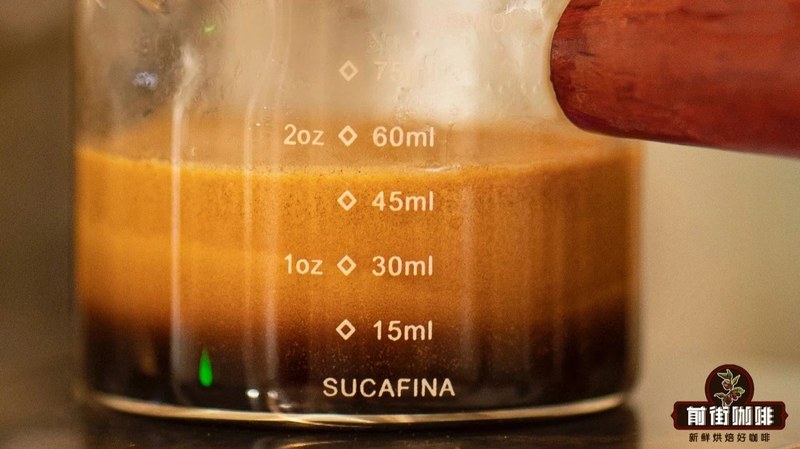
Before opening, bean bags should be kept in a cool, dry, dark place, away from the stove, windows, and damp locations. After opening the bag, first release excess air, then press the seal tightly; if the original packaging is only average at sealing, transfer the beans to an opaque airtight container, but do not open and close it frequently. Coffee beans easily absorb surrounding odors, so places near spices, tea, or cleaning agents are not suitable storage spots.
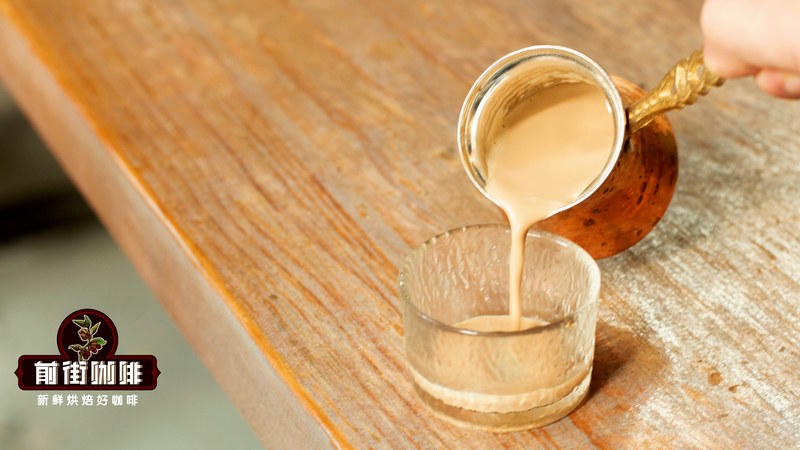
A bag that will be finished in the short term does not need repeated refrigeration. If you buy a larger amount, you can portion it by weekly use to reduce repeated exposure of the whole bag to air; when long-term storage is needed, divide the beans into single-use or several-day portions, seal them, and freeze them. When taking them out, keep the packaging closed, let them return to room temperature, and then open them to avoid water vapor condensing on the bean surface. Open one portion just before grinding each time, and the aroma will be more complete.
Drinking beans can also be arranged into a small rhythm: after opening the bag, first record one performance, then brew another cup two or three days later to compare changes in aroma, sweetness, and body. This way you can both find your preferred drinking point and judge whether to buy earlier or open later next time. Rich coffee beans are not just about the name and flavor words; the roast date, resting length, and storage method all work together to bring each sip closer to expectations.
The above content is compiled by CoffeeHunters, a coffee news website.

