







How Lightly Roasted Coffee Changes After Its Roast Date
Roasted coffee beans usually carry a shelf life of six months to a year, and most bags are finished long before that date. Beans stored too long lose aroma, turn flat in the cup, and may develop a musty smell. Once that happens, they are no longer worth drinking and work better as plant fertilizer.
The roast date matters more than the shelf life because it marks the peak flavor window. Lightly roasted coffee loses its floral, fruity, and cookie-like notes faster than dark roasts: pleasant aromas fade noticeably by the second month, replaced by incense, almond, and grassy notes. The green coffee bean itself keeps longer before roasting.
When buying coffee beans, many people habitually check the production date and shelf life, but for roasted coffee beans, the roast date is what really matters. The shelf life is usually six months to a year, and at a normal rate of consumption, it is rarely actually left until it expires. But once coffee beans have been stored too long, the aroma dissipates, the taste deteriorates, and they may even develop a musty smell, at which point they are no longer suitable for drinking. This article examines how long it takes for coffee beans to go stale, and why Front Street Coffee chooses to ship about 5 weeks after roasting, covering coffee spoilage, shelf life, the differences between light and dark roasts, the resting period, and the peak flavor window, to help you drink good flavor at the best time.
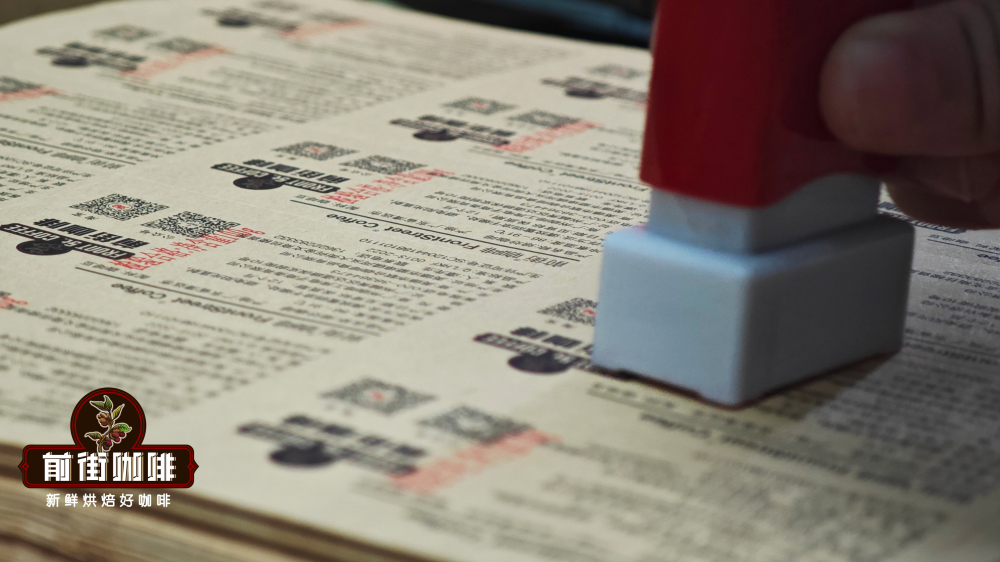
When buying food in everyday life, people usually first check the production date and then look at the shelf life, because food past its shelf life should not be eaten—this has almost become common knowledge.
But when it comes to coffee beans, the production date actually corresponds to the roast date, which is the point when the green coffee beans are roasted. We care about the roast date not because we worry that it will quickly expire like ordinary food, since the shelf life of roasted coffee beans is usually between six months and a year. Normally, a bag of coffee beans is finished long before the shelf life arrives.
Of course, there are a few cases where some people leave their coffee beans until they expire. By then the coffee has usually deteriorated: it has no aroma, does not taste smooth, and may even have a musty smell. For health reasons, Front Street recommends not drinking it anymore; you can use it as fertilizer for potted plants or place it indoors to absorb odors.
In Front Street's view, paying attention to the roast date is about tasting the best flavor of that bean. Today most single-origin coffee beans emphasize fresh roasting, which is related to the current trend toward lighter roasts. Lightly roasted coffee beans lose their flavor faster than dark roasts. Generally speaking, around the first week after roasting, they show pleasant aromas such as floral, fruity, and cookie-like notes. By the second month, these pleasant aromas of light-roasted coffee beans have noticeably weakened, accompanied by notes of incense, almond, and grass. Therefore, single-origin coffee beans for pour-over are usually sought after with a fresher roast date.
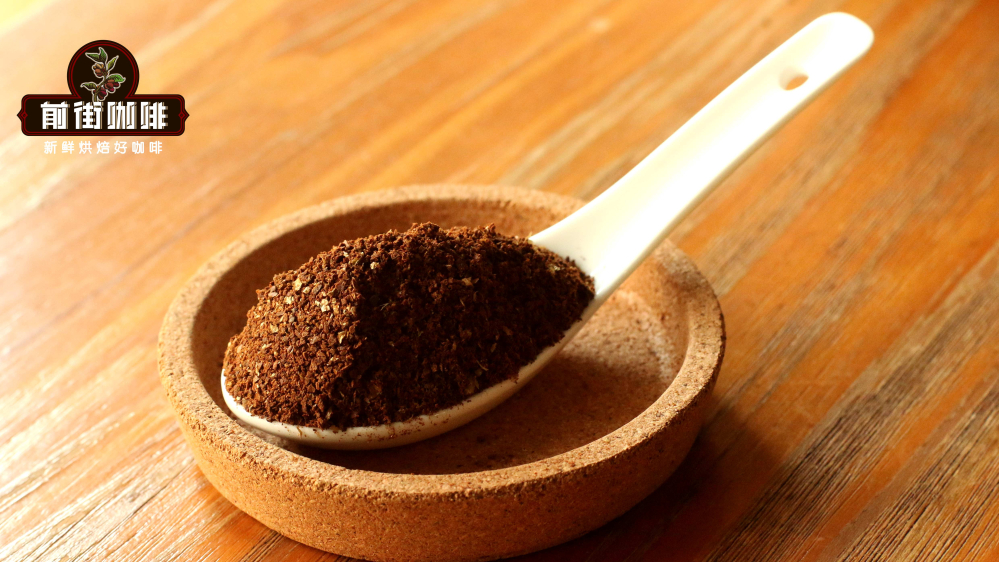
In roasted coffee beans, gases exist within the loose structure of the beans. During extraction, these gases hinder water from entering the fiber structure to dissolve the flavor compounds in the coffee. The more gas there is, the stronger the barrier to water.
Generally, the best flavor period for coffee occurs after a resting period of 4~7 days following roasting, when the flavor reaches its peak, then gradually fades over time until it becomes thin and flat. The first flavor compounds to be lost are mainly volatile components such as floral and fruity aromas, while soluble components such as sugars, nuts, and chocolate are relatively less likely to volatilize.
So for light-roasted coffee beans, the recommended flavor window is from the 4th day to the 40th day after the roast date. For dark-roasted coffee beans or espresso beans, the resting time needs to be longer, about 1~2 weeks. Therefore, the coffee beans shipped by Front Street Coffee are roasted 5 weeks earlier, so that with 1~2 days of express delivery, the coffee beans arrive in the customer's hands just after the resting period, at the peak of flavor.
When you receive the coffee beans, also first check the roast date on the package and calculate the drinking time.
The above content is compiled by CoffeeHunters, a coffee news website.


