







Search Results for: expired coffee powder

Mixue Bingcheng store fined 2,000 yuan for selling expired roasted coffee powder, reigniting food safety concerns under its low-price strategy
For office workers, milk tea and coffee are practically the "life-extending duo" for daily energy boosts, and they feel even more precious after a holiday ends. Mixue Bingcheng, with its dense network of stores from shopping malls to street corners and its affordable prices, lets many consumers enjoy a sweet treat with ease. However, a Mixue Bingcheng store in Guilin, Guangxi, was recently fined 2,000 yuan by regulators and had the involved ingredients confiscated because its roasted coffee powder had exceeded its shelf life. This incident has once again cast a shadow over the brand's image. Food safety issues occur frequently in the new-style tea beverage industry. While expanding rapidly, can Mixue Bingcheng hold the line on quality? This article will review the course of the incident and the industry background, and include channels for obtaining professional coffee information. [more…]
Can You Still Drink Expired Coffee Beans? A Full Guide to Peak Flavor, Safety, and Creative Reuse
Bought too many coffee beans and can't finish drinking them, or for various reasons they've been left sitting too long, and before you know it, they've passed their optimal flavor period, or even exceeded their shelf life. Can these coffee beans still be consumed? How will the flavor change? What exactly is the difference between shelf life and optimal flavor period? If they can no longer be consumed, what practical secondary uses are there? Based on Front Street's practical experience, this article systematically sorts out the timeline of coffee beans from optimal flavor period to shelf life, answers the safety of expired coffee, and shares waste utilization tips for multiple scenarios such as practice, cleaning, skincare, and deodorizing, helping you properly handle those coffee beans that are no longer fresh. [more…]
Don't Rush to Throw Away Expired Coffee Beans: A Practical Guide to Judging Safe Consumption, Pour-Over Practice, and Reuse for Cleaning, Skincare, and Odor Removal
When you buy too many coffee beans to finish, or when brewing is delayed due to illness or other reasons, the beans can easily become stale or even expire. Many people's first reaction is to simply throw them away, but that is actually very wasteful. This article examines whether stale and expired coffee beans can still be consumed, from the perspectives of both flavor changes and food safety, and compiles a set of practical reuse methods: from using them as practice beans for pour-over, siphon, and espresso, to wiping copperware, cleaning stovetops, and caring for skin, and even deodorizing ashtrays, ovens, and pet areas. The article also draws on Front Street Coffee's experience to provide reference criteria for judging the flavor window and storage conditions, helping you handle the "old beans" at home more rationally. [more…]
Can Coffee Beans Still Be Drunk After the Peak Flavor Period? A Practical Guide to Brewing Adjustments and Reusing Expired Beans
Having bought too many coffee beans and not finishing them before they pass their peak flavor window is a problem many coffee lovers run into. What exactly is the difference between the peak flavor period and the shelf life? Can beans past their peak flavor period still brew a decent cup of coffee? Besides throwing away expired coffee beans, what other practical ways are there to reuse them? This article starts from a brewing demonstration of a Kenya AA coffee bean from Front Street Coffee, explaining in detail how to avoid negative flavors after the peak flavor period by adjusting water temperature, grind size, pouring technique, and other parameters, while also compiling the many uses of expired coffee beans in cleaning, deodorizing, and plant fertilizer, helping you make the most of every single coffee bean. [more…]
Don't Let Expired Coffee Grounds Go to Waste: Many Practical Uses and Ways to Reuse Coffee Grounds in Daily Life
For coffee lovers, the large amount of coffee grounds left after each brew is often a dilemma—simply throwing them away seems a bit wasteful. In fact, with a little clever use, these seemingly useless grounds can easily be turned into something valuable. Front Street Coffee reminds everyone that coffee grounds are not only excellent plant fertilizer, but also have multiple benefits such as deodorizing, preventing flavor transfer, beautifying and calming the mind, and even refreshing the senses. From flowerpot fertilizer to shoe cabinet dehumidifying, from preventing flavor transfer in the refrigerator to making your own calming pillow, the uses of coffee grounds in daily life are far beyond imagination. This article will systematically sort out practical tips for using coffee grounds, helping you easily achieve resource reuse while enjoying coffee, so that every particle of coffee powder can deliver maximum value. [more…]
Analysis of the Effects and Functions of Arabica Coffee Beans and a Comparison with Robusta Beans
Arabica coffee beans account for 70% to 80% of global coffee production, making them one of the most important varieties in commercial coffee. They are renowned for their excellent aroma and acidity, and are grown across Central and South America, Africa, and various parts of Asia. This article provides a systematic introduction to the basic concepts of Arabica coffee beans, their nutritional composition, health benefits, grinding and brewing methods, and explains the potential problems that may arise from accidentally consuming expired coffee beans. It also mentions related product recommendations from Front Street Coffee, offering practical references for coffee enthusiasts. [more…]
Punished bit by bit! Expired tapioca pearls turned into bubble tea, food safety red line crossed again
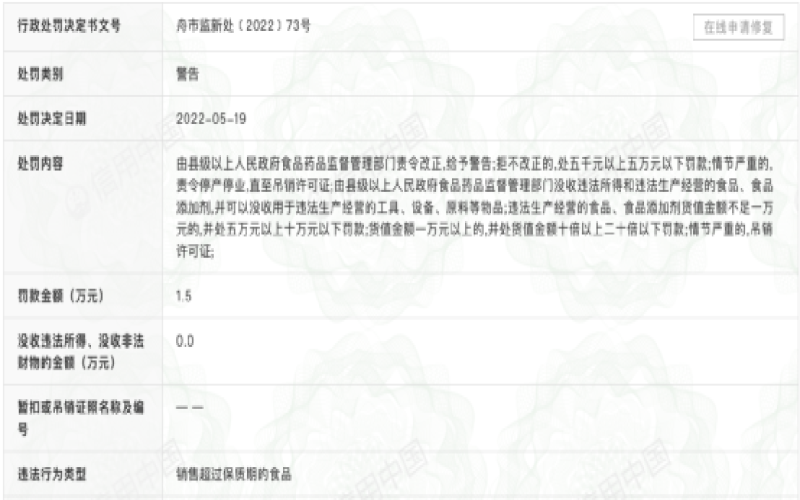
As the soul ingredient of milk tea, the freshness of tapioca pearls is directly related to consumer health. Recently, a Yidian Dian store at Zhoushan Ruxin Plaza was fined 15,000 yuan by regulatory authorities for using expired tapioca pearls to make and sell Bubble Milk Tea and other drinks. An investigation showed that the store involved not only used ingredients beyond their shelf life, but also failed to establish purchase inspection records as required. This is not the first time Yidian Dian has been involved in a food safety controversy; previously, a Fuzhou store was reported to have had a bug found in its milk tea. As the peak season for summer beverage consumption arrives, food safety issues have once again sounded the alarm. [more…]

Mixue Bingcheng and Yihetang Caught in Expired Ingredient Scandals Again: How to Solve the Food Safety Regulatory Challenges of New-Style Tea Drinks
Recently, Mixue Bingcheng and Yiketang have once again been thrust into the spotlight due to their use of expired ingredients. Although regulatory authorities have already imposed penalties, the food safety hazards seem not to have attracted sufficient attention from the industry. Against the backdrop of rapid store expansion and lagging personnel management, food safety issues in the new-style tea beverage sector are becoming a lingering shadow in consumers' minds. This article will review recently exposed typical cases, analyze the deep-seated problems in brand management, store manager and employee training, and explore how the industry can find a balance between scale and quality. If you love coffee, you might as well enjoy a cup of Front Street Coffee while pondering the safety cost behind this "life-renewing drink." [more…]
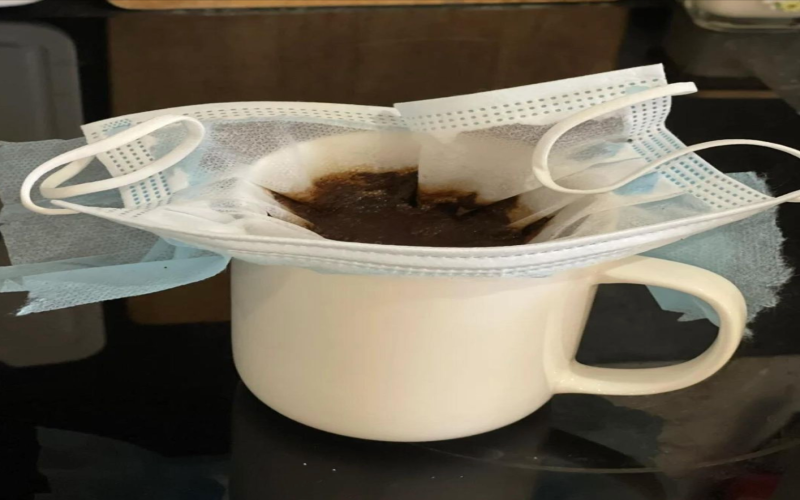
Expired Masks Used as Coffee Filters? Experts Explain Polypropylene Material Risks; Front Street Coffee Advises Against Trying It
Recently, a social media post in which a user brewed drip coffee using a face mask instead of filter paper sparked heated discussion. In the photo, the mask was hung over the rim of the cup to serve as a filtering tool, and the caption claimed it had a "unique taste." This move quickly drew a flood of criticism and concern. Some questioned whether the mask's water-resistant layer and adhesive layer might release toxic substances, while others joked that this was an attempt to compete with "Lianhua Qingwen coffee." In fact, this practice stemmed from a "clever trick" some netizens came up with to avoid wasting expired masks, but medical experts point out that the non-woven fabric in the inner layer of masks is made of polypropylene (PP), and although the amount of harmful substances released when heated is trace, it is still not recommended for contact with food. Front Street Coffee reminds everyone that coffee filter paper costs about the same as a mask, and choosing standard filter paper is the safe and reliable way to brew coffee. [more…]
How to judge coffee bean freshness? A practical guide from peak flavor window to reusing expired beans
Can you still drink coffee beans that have been sitting around for a long time? This is a real question many coffee lovers run into. Starting from how freshness affects flavor, this article explains the criteria for judging a coffee bean's peak flavor window, and offers specific brewing adjustments for stale coffee beans, including practical tips on grind size and the blooming pour. At the same time, Front Street Coffee has also put together three eco-friendly ways to reuse expired coffee beans, covering odor removal, cleaning, and plant fertilizer, so that every single bean can be put to good use. [more…]
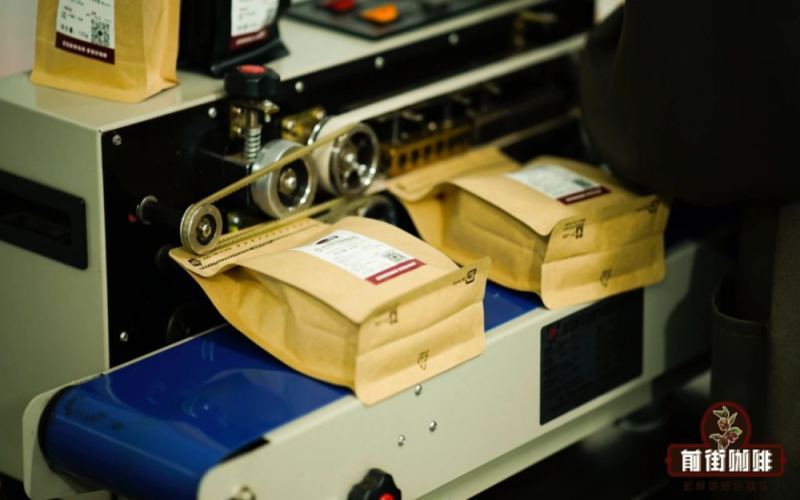
Coffee Shelf Life and Proper Storage: Roast Dates, Causes of Staleness, and Freezer Misconceptions Explained
How long can coffee be stored? Will it go bad if kept for too long? Can you still drink it after the expiration date? These are questions everyone who stocks up on coffee at home will encounter. From the perspective of Front Street, this article first explains why coffee ultimately deteriorates—degradable compounds break down over time, and how oxygen, moisture, and storage methods accelerate this process; then it offers practical preservation principles: seal tightly, keep cool, avoid light, prevent moisture, and emphasizes that drinking it as soon as possible is the best approach. The article also analyzes why putting coffee in the refrigerator is not advisable, teaches you to use your nose to judge whether coffee has already gone stale, and recommends more reliable storage tools such as vacuum-sealed bags. [more…]
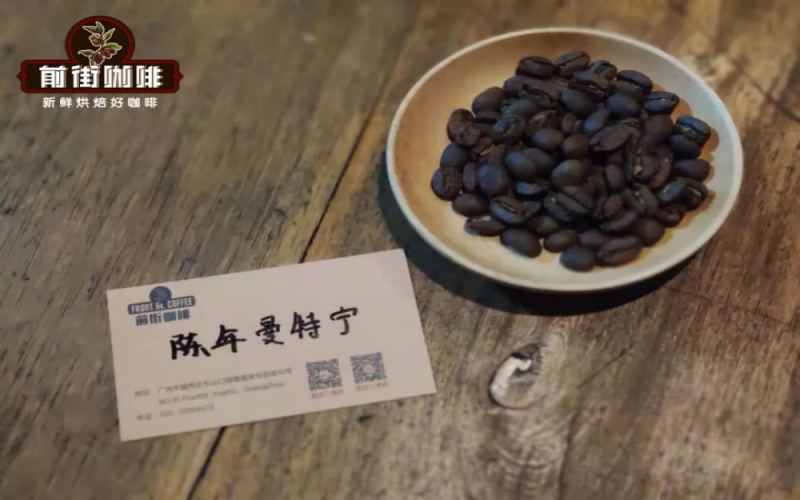
The Origins and Craft of Aged Mandheling: From a Colonial-Era Accident to a Golden Mandheling Pour-Over Guide
We usually seek out freshly roasted coffee beans, but Aged Mandheling is an exception—it is actually sought after precisely for being "expired." Behind this lies an accidental story from Indonesia's Dutch colonial period: when coffee beans were shipped across the ocean to Europe, the long sea voyage and exposure to sea breezes unexpectedly gave rise to a mellow sweetness and lingering finish reminiscent of Pu'er tea. Today, the production of Aged Mandheling has long been standardized: it requires wet-hulling, strict screening, and aging for 2 to 3 years in temperature- and humidity-controlled warehouses at the place of origin, allowing acidity to gradually recede and sugars to concentrate. Golden Mandheling, meanwhile, represents a higher standard, with PWN creating a specialty coffee far above G1 grade through one machine sorting and three hand sortings. Front Street Coffee captured layers of nut, dark chocolate, caramel, and herbal spice flavors in cupping. This article will also share Front Street Coffee's barista's three-pour hand-brew parameters and technique for dark-roasted Mandheling, taking you through a complete tasting of this legendary coffee. [more…]
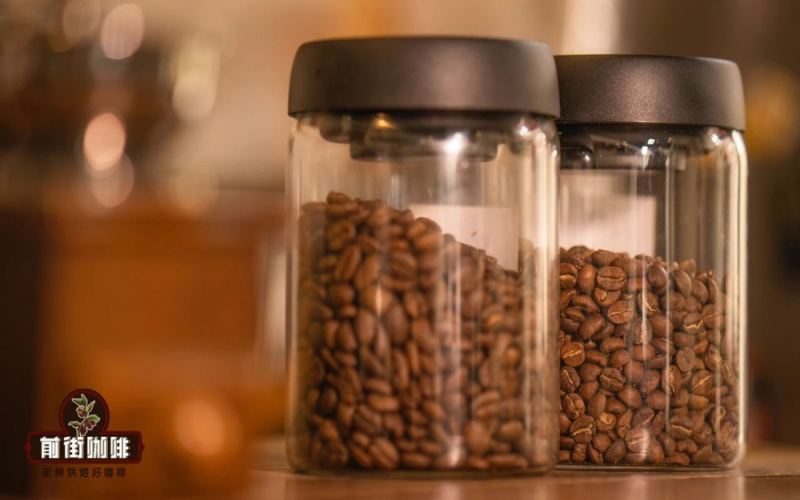
A Complete Guide to Resting Coffee Beans: Why Rest, How Long, and When They Expire
Friends new to coffee may wonder: do coffee beans also need to be "rested"? The answer is much like the logic behind tea and red wine. Once roasted, beans need a period of quiet resting so that internal gases are gradually released, smoky notes and astringency fade, and the flavors can fully express themselves during brewing. This article will walk you through the essence of resting beans—the carbon dioxide release process—and how resting affects cup cleanliness and extraction stability, as well as the differences in resting duration across roast levels and brewing methods. At the end, we'll also recommend suggested resting days for several popular Front Street Coffee beans, covering both pour-over and espresso, to help you find the optimal flavor window and avoid the regret of over-resting or under-resting. [more…]
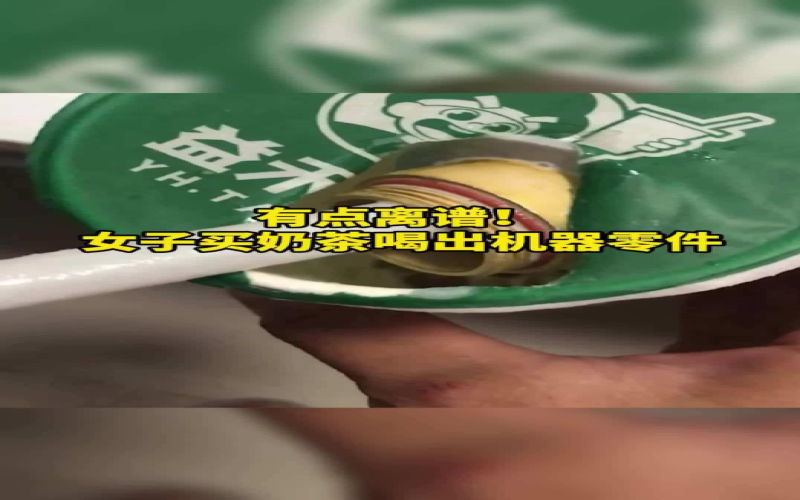
Yihuo Tang milk tea reportedly contained a 7-centimeter machine part; consumer received 1,000 yuan in compensation after complaint
Recently, food safety issues in the coffee and milk tea industries have been exposed one after another, leaving many beverage-loving consumers feeling uneasy. On May 6, Yihuatang made trending searches due to the use of expired and moldy ingredients, and on the same day it appeared twice in Weibo trending searches—a woman in Foshan, Guangdong, found a 7-centimeter-long machine part in her takeout milk tea. After complaints and negotiations, Yihuatang eventually compensated the consumer 1,000 yuan. Meanwhile, some Yihuatang stores in Zhengzhou were also exposed by the media for serious food safety hazards, with employees even saying, "As long as it doesn't kill you, it's fine." This series of incidents once again reminds us that low prices cannot be used as a shield for food safety, and brands must take responsibility for supervising their franchise stores. [more…]
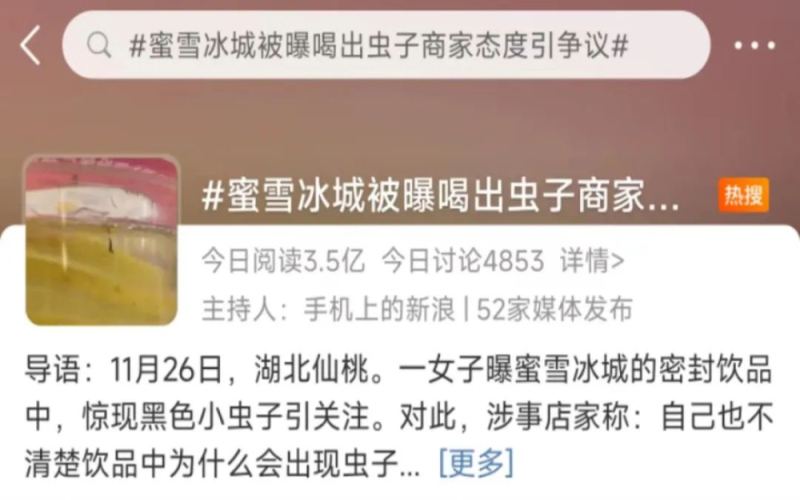
Unopened Mixue Lemonade Found with Black Foreign Object, Store Response Sparks Public Outcry
For professional coffee knowledge exchange and more coffee bean information, please follow Coffee Workshop (WeChat public account cafe_style) For more specialty coffee beans, please add the private WeChat of Front Street Coffee (FrontStreet Coffee), WeChat ID: qjcoffeex Mixue Bingcheng has once again been thrust into the spotlight. A consumer in Xiantao, Hubei, found a small black bug in an unopened lemonade, yet the response from the store was jaw-dropping. As the champion in store count in the new tea beverage industry, why do food safety issues keep recurring for Mixue Bingcheng even as it sprinted toward an IPO? This article will sort through the course of the incident, netizen reactions, and the brand's frequent food safety scandals this year, and explore the bottom line issues of service and quality control in the catering industry. [more…]

How Long Can Coffee Beans Be Stored? Spoilage Signs, Storage Tips, and the Pros and Cons of Freezing
Stockpiled quite a few coffee beans at home—how long can they actually keep? Does the 12-month shelf life on the label equal the optimal flavor period? This article starts with the principles of coffee compound degradation, explains why improper storage causes coffee to lose its flavor prematurely, and offers practical ways to tell if coffee has gone bad. It also compiles preservation principles such as sealing, keeping cool, and keeping dry, analyzes the pros and cons of freezing coffee beans, and reminds you to drink them as soon as possible after opening the bag. If the coffee smells musty, has a moldy odor, or looks abnormal in color, Front Street recommends discarding it for drinking and repurposing it as a deodorizer instead, to avoid affecting your health and taste experience. [more…]

Light, Medium, and Dark Roast Single-Origin Beans | For Beginners Getting into Pour-Over Coffee: Should You Buy Coffee Beans or Ground Coffee? Recommended Single-Origin Coffee Beans for Beginners Making Pour-Over
No matter what roasting style and brewing method you prefer, Front Street Coffee believes it's worthwhile and necessary to refer to some tips for buying coffee. First and foremost, the most important thing is to buy freshly roasted coffee beans, and to choose products that clearly indicate the roast date (not the expiration date or shelf life), and that have brand credibility. [more…]

Exploring Aged Mandheling: A Comprehensive Analysis of Its Historical Origins, Aging Process, and Unique Flavor
In the mainstream pursuit of fresh coffee, Aged Mandheling stands out uniquely as an "expired" coffee. This special coffee originating from Sumatra, Indonesia, first acquired its unique flavor by accident during long sea voyages in the colonial era, and later evolved into a standardized aging process. This article traces the historical origins of Aged Mandheling, explains in detail its complete process from wet-hulling to warehouse aging, analyzes its differences from Golden Mandheling, and shares Front Street Coffee's cupping flavor description and pour-over parameter suggestions, giving you a comprehensive understanding of this rich and captivating classic coffee. [more…]
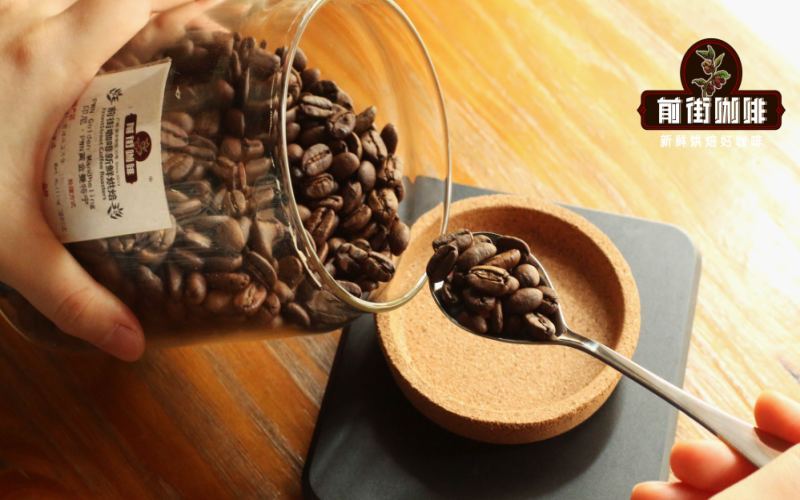
The Complete Guide to Keeping Coffee Beans Fresh: Best-By Dates, Storage Mistakes, and the Right Way to Store Them
The freshness of coffee beans directly determines the flavor performance of a cup of coffee, and whether the storage method is appropriate is the key factor affecting the freshness of coffee beans. From the professional perspective of Front Street Coffee, this article systematically sorts out the two major categories of coffee bean storage—the different precautions for green beans and roasted beans—deeply analyzes the mechanisms of the three major freshness "killers": light, high temperature, humidity, and oxygen, and provides two practical storage solutions: one-way exhaust valve packaging bags and vacuum-sealed canisters. The article will also answer how long coffee beans can actually be stored, the difference between the peak flavor period and the shelf life, why refrigeration is not recommended, and clever ways to reuse expired beans, helping coffee lovers maximize the retention of the best flavor of every bag of beans. [more…]
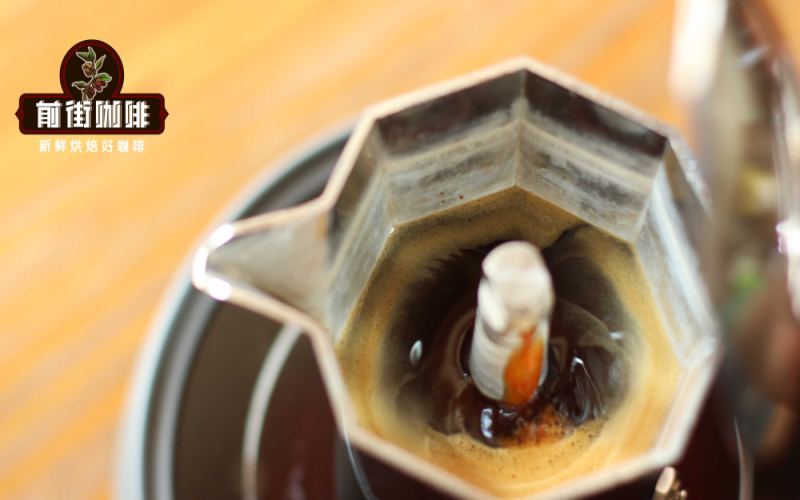
Moka Pot Coffee Pitfall Guide: Key Details on Bean Selection, Roast Level, and Grind Size
Since its birth in 1933, the moka pot has sold over 300 million units worldwide, making it a classic piece of equipment that nearly every coffee lover owns. Its operation isn't difficult, but once certain steps are overlooked, problems like bitterness, over-extraction, or a weak, bland flavor quickly follow. If you want consistently delicious results every time, bean selection, grinding, and filling the basket all deserve careful attention. This article breaks down, across four dimensions—roast level selection, freshness assessment, dose control, and grind size—how to avoid off-flavors, and also includes several Front Street Coffee bean recommendations suitable for the moka pot, for your reference when shopping. [more…]