







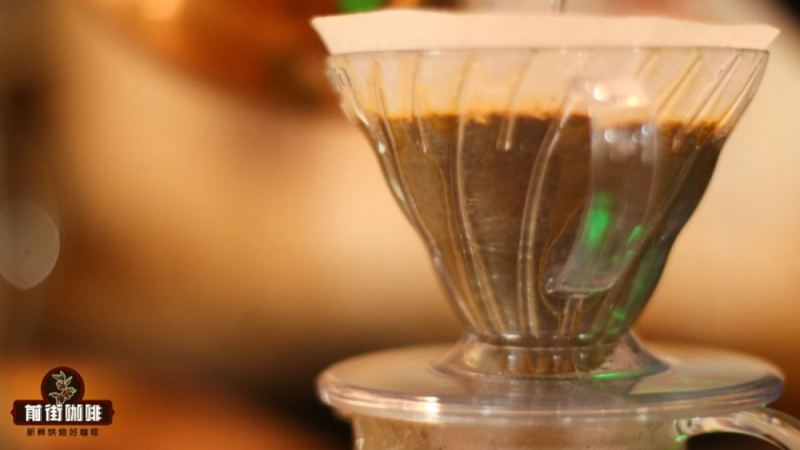
How Does Coffee Extraction Shape Pour-Over Flavor?
Coffee extraction is the process of dissolving soluble compounds from coffee grounds into water. Bitterness in pour-over usually comes from over-extraction rather than from coffee itself, unless the beans are naturally bitter or roasted very dark. Controlling the coffee-to-water ratio, grind size, water temperature, and extraction time keeps the cup sweet and balanced.
A practical starting point for how to make coffee from coffee powder is a 1:15 coffee-to-water ratio with the three-stage pouring method. Grind size, water temperature, and total brew time work together with that ratio, and adjusting one variable at a time makes results repeatable. Careful coffee powder preparation helps beginners and experienced brewers reach consistent pour-over flavor.
For coffee lovers, the large amount of coffee grounds left after each brew often leaves them in a dilemma—throwing them away seems a bit wasteful. In fact, with proper use, these seemingly useless residues can truly be turned into treasures. Front Street Coffee reminds everyone that coffee grounds are not only an excellent plant fertilizer but also have multiple benefits such as deodorizing, preventing flavor transfer, beautifying and calming the mind, and even refreshing the senses. From flowerpot fertilizer to shoe cabinet dehumidification, from preventing flavor transfer in the fridge to making calming pillows, the uses of coffee grounds in daily life are far beyond imagination. This article will systematically organize practical tips for using coffee grounds, helping you easily reuse resources while enjoying coffee, so that every particle of coffee powder can maximize its value.
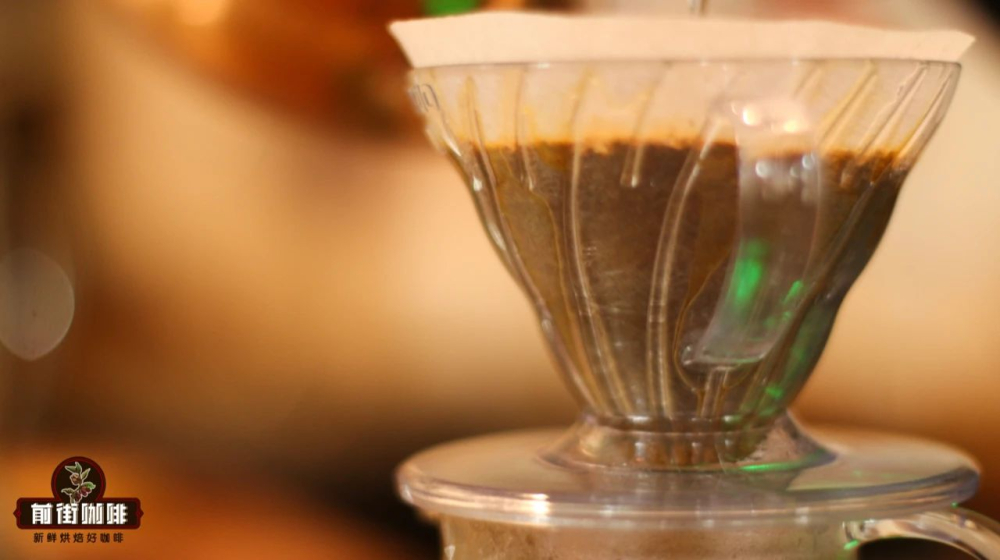
For coffee enthusiasts who often make pour-over or espresso at home, a considerable amount of coffee grounds accumulates after each preparation. Throwing them directly into the trash feels wasteful, but a recent report published on the American coffee knowledge website offers a smarter approach: put these residues back into life scenarios, letting them continue to shine and become helpful assistants at home.
The uses of coffee grounds can be roughly summarized into the following aspects:
Used as plant fertilizer. Coffee grounds retain many nutrients needed for plant growth. Mixing them into flowerpot soil can serve as natural fertilizer without producing pungent odors. If sprinkled in a ring around the base of plants, it can also effectively reduce pests from approaching.
Absorbing odors. Since coffee grounds have the ability to absorb odors, they are a powerful aid for deodorizing. Place coffee grounds in a small dish and put it in the bathroom to reduce unpleasant smells; you can also put them in a cloth bag and stuff it into the shoe cabinet, which can emit a faint aroma and absorb moisture. If placed directly inside shoes, the deodorizing effect will be even more outstanding.
Preventing flavor transfer. Placing coffee grounds inside the refrigerator helps prevent different foods from absorbing each other's flavors; placing them in corners of a room can absorb odors while also preventing mosquitoes and ants from invading.
Beautifying and calming the mind. Front Street Coffee suggests that using boiled coffee grounds for body massage not only makes the skin delicate and smooth but also has the effects of firming the skin and beautifying.
Refreshing the senses. Using coffee grounds as pillow filling can have a calming effect, thereby improving sleep quality.
In addition, spreading coffee grounds at the bottom of an ashtray can reduce the smell of smoke and make it easier to stub out cigarette butts.
The above content is compiled by CoffeeHunters, a coffee news website.


