








How Long Do Coffee Beans Stay Good, and Can You Drink Them Past That?
Coffee beans past their peak flavor are usually still safe to consume, but the cup will taste flat and dull. Roast date beyond 60 days marks the outer limit of peak flavor for most beans, and stricter drinkers draw the line at 30 days. Sealed storage away from light and moisture keeps decent flavor for about 40 to 50 days.
The decline is chemical: carbon dioxide trapped inside the beans escapes over time, carrying aroma with it. Once the gas is gone, the bloom no longer expands during brewing, which signals staleness. Beans left unsealed after opening begin losing flavor around 30 days. Beans that are truly spoiled can still be reused for cleaning, skincare, and deodorizing.
Bought too many coffee beans and can't finish them, or for various reasons they've been left sitting too long, and before you know it, they've passed their peak flavor period or even exceeded their shelf life. Can these coffee beans still be consumed? How will the flavor change? What exactly is the difference between shelf life and peak flavor period? If they can't be consumed anymore, what practical secondary uses are there? Based on Front Street Coffee's practical experience, this article systematically sorts out the timeline from peak flavor to shelf life for coffee beans, answers the safety of expired coffee, and shares waste utilization tips for practice, cleaning, skincare, deodorizing, and other scenarios, helping you properly handle those no-longer-fresh coffee beans.

Although "people who truly love drinking coffee won't let their beans go stale," unexpected situations are inevitably unavoidable in reality—you couldn't resist stocking up during a sale, or illness delayed your brewing, and when you look back, the beans have long passed their prime. So, can these no-longer-fresh coffee beans still be consumed?
The reason we emphasize freshness in coffee today is that fresh beans have a fuller layering of flavors. As time passes, the carbon dioxide inside the coffee beans gradually releases, and the aroma and flavor dissipate along with it. When the carbon dioxide inside the beans has almost completely emptied, it signals that the coffee beans are no longer fresh. Coffee brewed with such beans tastes flat and dull, far from its original performance.
Generally speaking, a roast date exceeding 60 days marks the limit of a coffee bean's peak flavor period; some more demanding enthusiasts even consider 30 days after roasting as the dividing line for "stale." According to Front Street Coffee's empirical testing, as long as daily storage is well-sealed and kept away from light and moisture, most coffee beans can still maintain decent flavor within 40 to 50 days, without developing an obvious stale taste. However, if not resealed promptly after opening, the coffee will start to lose its flavor around 30 days, and the bloom will no longer expand during brewing—this is a sign that the beans are stale.
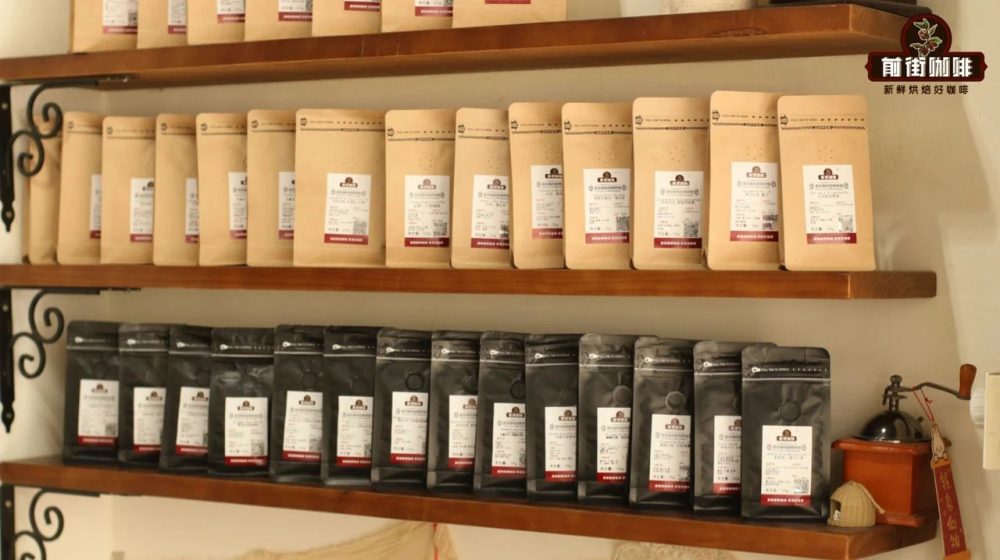
Front Street Coffee wants to specifically clarify one point: stale coffee beans do indeed diminish the flavor, but from a food safety perspective, they are still safe to drink. Generally, roasted coffee beans have a shelf life of one year, so there's no need to worry excessively about edibility safety.
If the coffee beans have already expired, the simplest way to handle them is to use them as practice beans—for practicing pour-over, siphon, or espresso extraction, they work perfectly fine.
Expired coffee beans can also be used for cleaning: grind expired beans into powder and use them to scrub copperware or polish floors; wrap ground coffee powder in gauze and wipe stovetops and pot lids—the decontamination effect is quite good; rinse sinks and toilet pipes with boiled expired coffee, which also serves a cleaning purpose. Similar items can all be cleaned using expired coffee beans.
For skincare: grind expired coffee beans into powder, mix with hand soap, olive oil, or body wash, and rub onto hands and body skin. Through friction, it effectively removes dead skin and exfoliates, making the skin softer.
For deodorizing: place coffee grounds in an ashtray to remove the smell of smoke; when stubbing out cigarettes, it also releases coffee aroma—many coffee shops do this, and it easily extinguishes cigarette butts. After an oven has been used for a long time, the interior is covered in grease and mixed odors. Place a plate of coffee grounds in the oven and bake them to effectively eliminate lingering food odors. For pet owners, the smell of pet waste is the most troublesome to clean up. Actually, just placing some coffee grounds after cleanup can reduce the nuisance of odors.
The above content is compiled by CoffeeHunters, a coffee news website.


