







Do expired coffee beans still smell and taste fine?
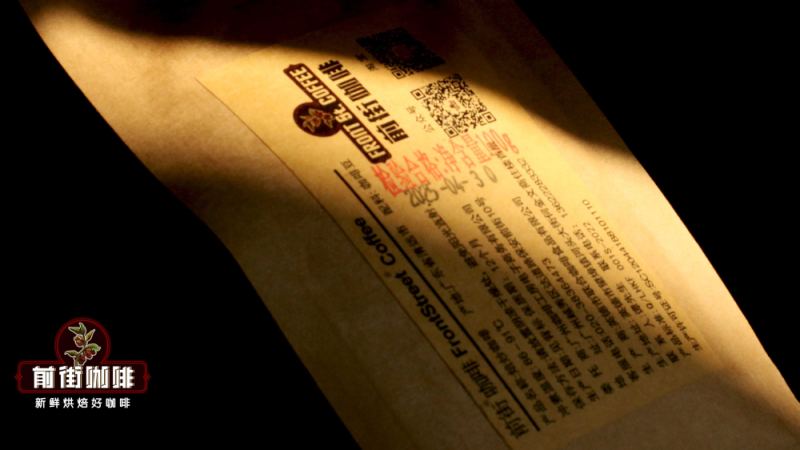
Stale or expired coffee beans are still safe to eat or drink from a food safety standpoint, but the flavor is flat and dull. Carbon dioxide escapes over time, taking aroma and complexity with it. As a rough guide, 60 days past the roast date is the outer limit of good flavor, and strict drinkers call beans over 30 days old stale.
Storage decides how fast that happens. Sealed and kept away from light and moisture, most beans still taste good 40 to 50 days after roasting, with no obvious stale flavor. Open a bag and leave it unsealed, and flavor starts dropping near 30 days, with a bloom that barely expands. Beans that old still work as pour-over practice or for cleaning and deodorizing.
When you buy too many coffee beans to finish, or when things like illness get in the way of brewing, it's easy for them to sit around until they're stale or even expired. Most people's first instinct is to just throw them away, but that's actually quite wasteful. This article looks at both flavor changes and food safety to explain whether stale and expired coffee beans can still be consumed, and puts together a practical set of reuse methods: from using them as practice beans for pour-over, siphon, and espresso, to polishing copper, cleaning stovetops, caring for skin, and even deodorizing ashtrays, ovens, and pet areas. Drawing on Front Street's experience, it also offers guidance on judging the optimal flavor period and storage conditions, helping you handle those "old beans" at home more rationally.
People often say: "If you truly love drinking coffee, you'd never let it sit around until it's stale!" But in reality, you might cave and buy several extra bags during a sale, or you might fall ill and be unable to drink coffee for a while—and the result is beans that are no longer fresh. So can these coffee beans still be consumed?
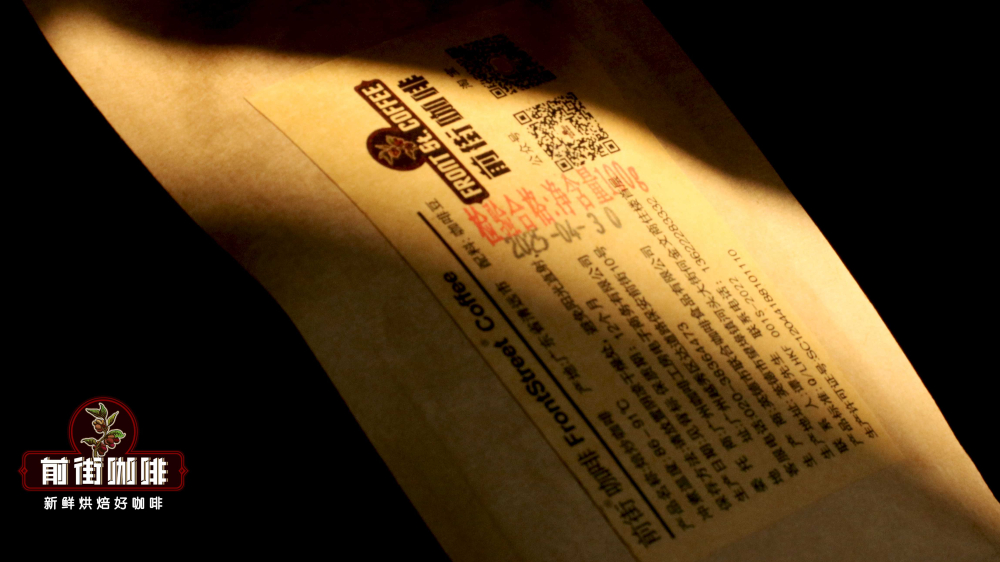
The reason we care about freshness in coffee today is that fresh coffee has more pronounced flavor and complexity. As time passes, the carbon dioxide in the beans gradually escapes, and the aroma and flavor fade with it. By the time the carbon dioxide has almost completely dissipated, the beans have entered a stale state. Brewing with such beans tends to produce a flat, dull cup—far less enjoyable than before. Generally speaking, 60 days past the roast date marks the outer limit of a coffee bean's optimal flavor period; some particularly strict coffee enthusiasts even classify beans more than 30 days past roasting as "stale." According to Front Street's testing, most coffee beans can still deliver good flavor within 40 to 50 days, as long as they are properly sealed and kept away from light and moisture—there won't be any obvious stale taste. But if the bag isn't resealed promptly after opening, the coffee will start to lose its flavor around the 30-day mark, and the bloom won't expand easily during brewing—clear signs that the beans are going stale.
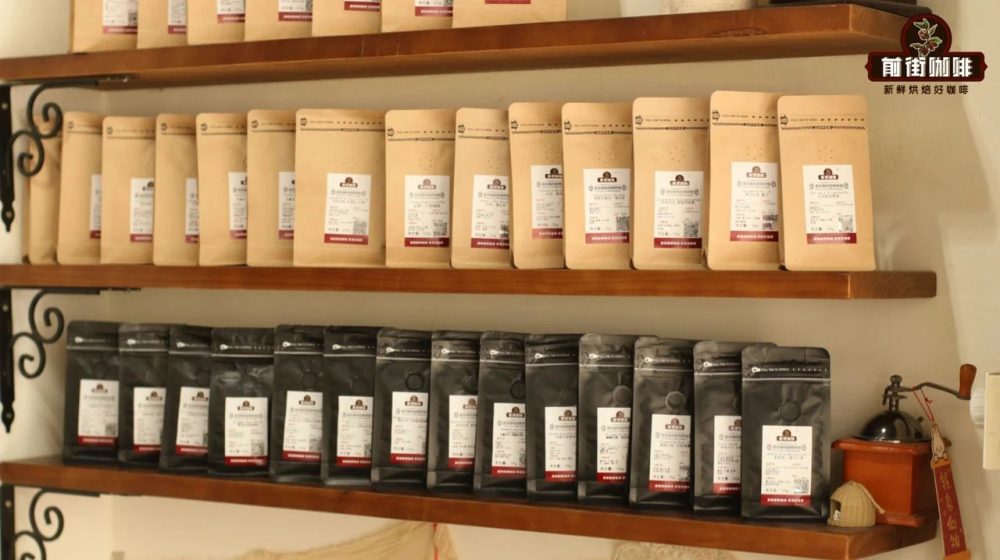
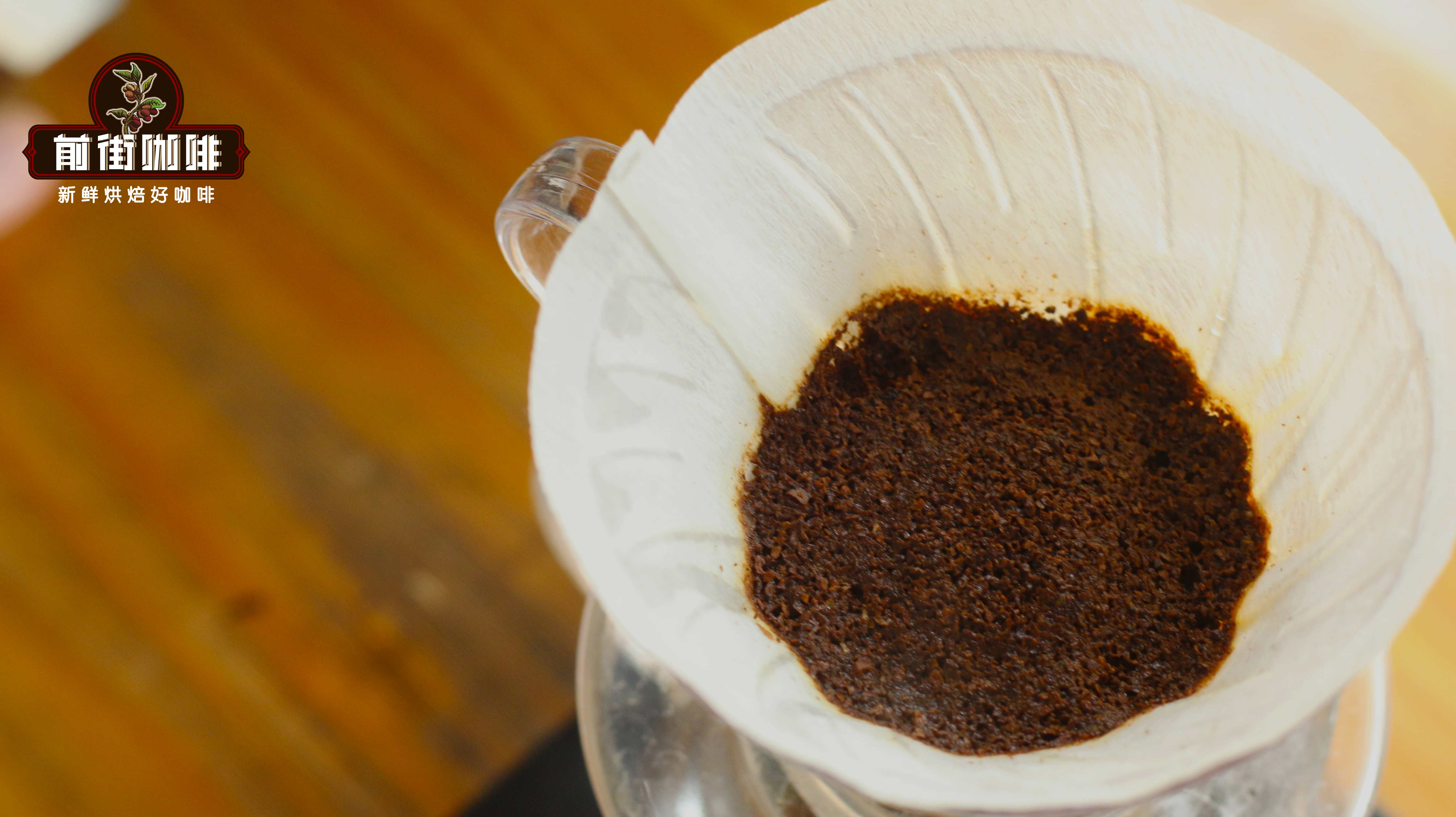
Front Street wants to emphasize: while stale coffee beans do have worse flavor and aren't as enjoyable to drink, from a food safety perspective they are still safe to consume. Generally speaking, roasted coffee beans have a shelf life of one year, so you can rest assured on the safety front. If the coffee beans have already expired, the simplest approach is to use them as practice beans: practicing pour-over, siphon, or espresso all work fine.
They can also be used for cleaning: grind expired coffee beans into powder to scrub copper items and polish floors; wrap the ground coffee in gauze to wipe stovetops and pot lids for effective stain removal; brew expired coffee and use the liquid to rinse sinks and toilet pipes for a cleaning effect. Similar items around the house can all be cleaned using expired coffee beans. Skincare: grind expired coffee beans into powder, mix with hand soap, olive oil, or body wash, and use it to scrub your hands and body. The friction against the skin effectively removes dead skin, exfoliates, and rejuvenates.
Deodorizing: placing coffee grounds in an ashtray can eliminate the smell of stale smoke, and when you stub out a cigarette it gives off a coffee aroma—many coffee shops do this, and it also helps extinguish cigarette butts more easily. Do you often use your oven to bake delicious food? After repeated use, the inside of the oven is covered in grease and mixed odors. Put a tray of coffee grounds in the oven and bake them to effectively remove lingering food smells. For pet owners, the biggest headache is cleaning up foul-smelling pet waste. In fact, simply sprinkling some coffee grounds after cleaning up the waste can reduce the odor problem.
The above content is compiled by CoffeeHunters, a coffee news website.


