







How long does coffee last in the freezer?
Coffee does eventually go stale, even in the freezer. Roasters typically print a shelf life of about one year from the roast date, and sealed bags are often flushed with nitrogen to slow oxidation. Once a bag is opened, oxygen and moisture start degrading the carbohydrates, lipids, and amino acids in the beans, so flavor fades well before that printed date.
Freezing can extend storage, but only if the coffee is kept sealed, cold, dark, and dry, and thawed without repeated temperature swings. The refrigerator is a poor choice because of moisture and odors. The most reliable test is smell: flat, papery, or stale aromas mean the coffee has declined. Vacuum-sealed bags from a coffee store help limit oxygen exposure.
How long can coffee be stored? Will it go bad if kept for too long? Can you still drink it after the expiration date? These are questions every person who stocks up on coffee at home will encounter. From the perspective of Front Street, this article first explains why coffee ultimately deteriorates—degradable compounds break down over time, and how oxygen, moisture, and storage methods accelerate this process; then it offers practical preservation principles: seal tightly, keep cool, avoid light, prevent moisture, and emphasizes that drinking it as soon as possible is the best approach. The article also analyzes why putting coffee in the refrigerator is not advisable, teaches you to use your nose to judge whether coffee has already gone stale, and recommends more reliable storage tools such as vacuum-sealed bags.
All good things come to an end, and coffee is no exception—at least it has a time limit. If you're in the habit of stocking up on a few bags of your favorite beans at home, you're probably curious: how long can they actually last? Along with that come more questions—how long is coffee's shelf life? Will it go bad? Can you still drink it safely after the expiration date? And what can you do to slow down its deterioration?
Front Street wants to make one thing clear first: whether it's whole coffee beans or already ground coffee powder, neither can escape eventually expiring. For coffee lovers, this may be somewhat regrettable, but deterioration is almost unavoidable. There are many reasons coffee goes stale, and some factors can even make it lose its appeal earlier than the marked date, including the form of the coffee, the roast level, and the storage method.
From a scientific perspective, coffee cannot stay fresh forever because it is made up of various degradable compounds that gradually break down over time. These compounds exist in forms such as carbohydrates, lipids, and amino acids. As the days pass, these components and molecules undergo chemical and physical breakdown, and the quality and overall flavor of the coffee change accordingly.
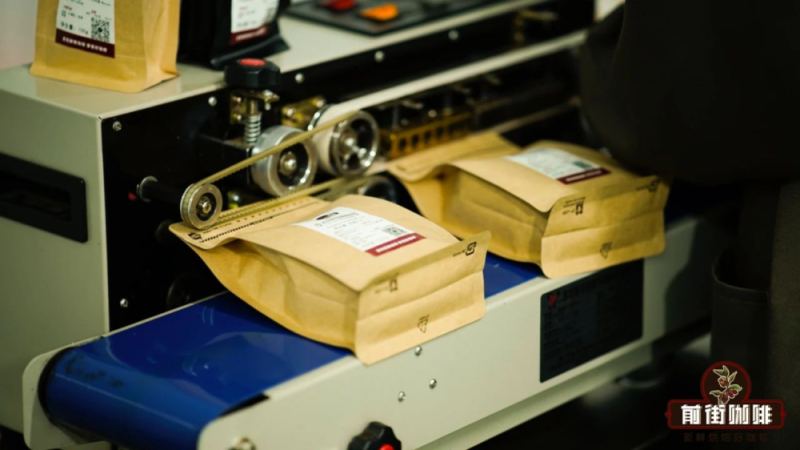
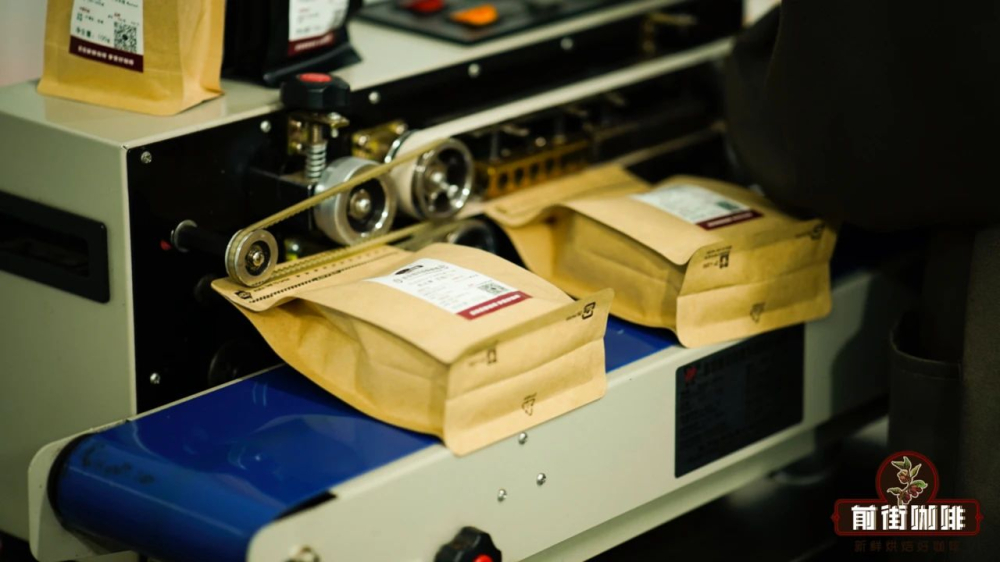
Generally speaking, roasters will mark a shelf life on the packaging, about one year after the roast date. After roasting is completed, the coffee is placed into sealed bags and flushed with nitrogen to further lock in freshness. But once you cut open the bag, the coffee begins its slow decline, because it comes into contact with oxygen, moisture, and the outside atmosphere.
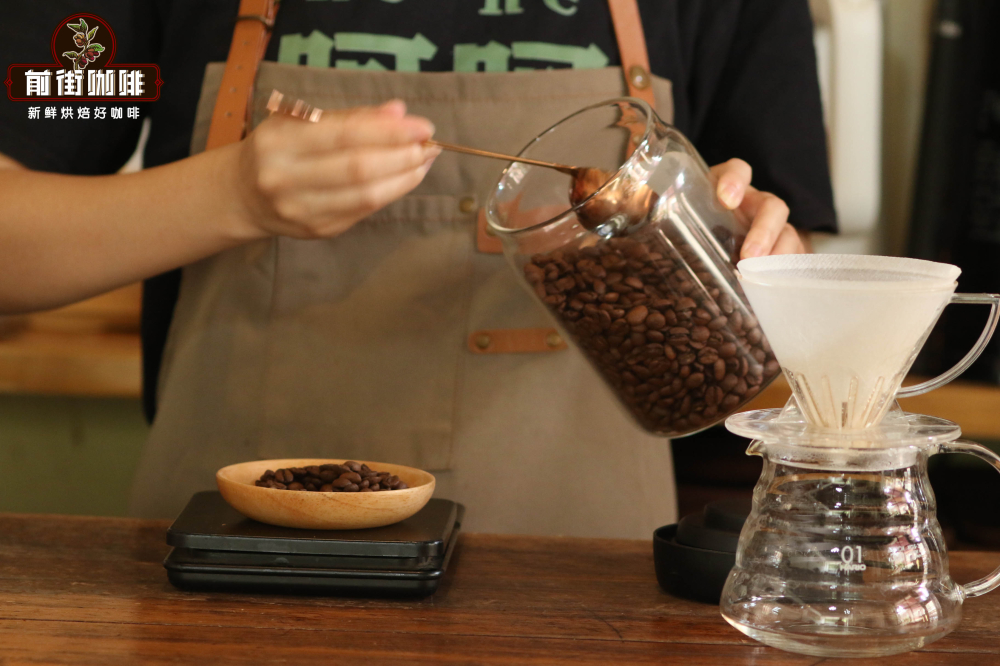
We have always believed that fresh is best. If you prefer whole coffee beans and have a grinder at home, Front Street Coffee recommends grinding as close to brewing time as possible. If the coffee stored at home looks or smells a bit odd or flat, that means its freshness and flavor have largely been lost, and it should be thrown away. If there are signs of mold or fuzz on the surface of the coffee, be sure to discard it.
Preservation Methods
So how can you keep coffee from deteriorating so quickly? One key way is to ensure it is stored correctly. As long as it is stored properly, coffee can actually last quite a long time even past the expiration date on the bag, especially if it has not yet been opened. To preserve the flavor of coffee to the greatest extent, it should be placed in an airtight container and kept in a cool, dark, moisture-free place, and "no water" is the most important item on the entire list. Moisture is coffee's number one enemy. Being in a humid environment for a long time will not only change the taste, but also encourage mold growth.
However, the best storage method is actually to drink the coffee as soon as possible. Nothing compares to a fresh cup of coffee, so it is recommended to enjoy it soon after buying it. The longer it sits, the higher the risk that it will accelerate in going stale or even spoiling.
Freezing Coffee
A casual search online will show you people saying coffee can be stored in the refrigerator. This method can indeed preserve a tiny bit of freshness, but the cost is that the beans or ground coffee will absorb almost all kinds of odors from the refrigerator. The reason is that even in a refrigerated environment, moisture will still seep into the coffee. What you get is just a dull, flavorless cup of coffee. Specialty coffees with distinctive flavors like Blue Mountain, Geisha, and Mandheling almost completely lose their vitality and unique character, and a cup of coffee without rich aroma might not even deserve to be called coffee. So although it "works" to a certain extent, we still strongly advise against using this method.
How do you tell that coffee has gone bad?
Coffee does not change much in appearance after it goes bad, so how do you distinguish good from bad? Since you cannot tell with your eyes, your nose is the best tool. Fresh coffee smells rich and pleasant, while stale or spoiled coffee is completely different, usually smelling dull and dusty, and often having lost that sweet, caramel-like aroma.
What happens if you drink expired coffee?
The good news is that you will not explode, nor will you be struck by lightning or anything like that. Unless there is already mold or mildew on the surface, the coffee should still be drinkable. The only sacrifice you must make is that some of the flavor of the coffee beans or ground coffee may no longer be preserved. This applies to both whole beans and ground coffee.
What kind of container is suitable for storing coffee?
If coffee bags take up too much space in the pantry, there are other options available. We recommend storage methods such as vacuum-sealed bags or coffee vaults. A vacuum-sealed bag is a truly airtight container that can minimize the risk of oxygen and moisture seeping in, thereby helping to preserve the coffee.
The above content is compiled by CoffeeHunters, a coffee news website.


