







Search Results for: drought in coffee-producing regions
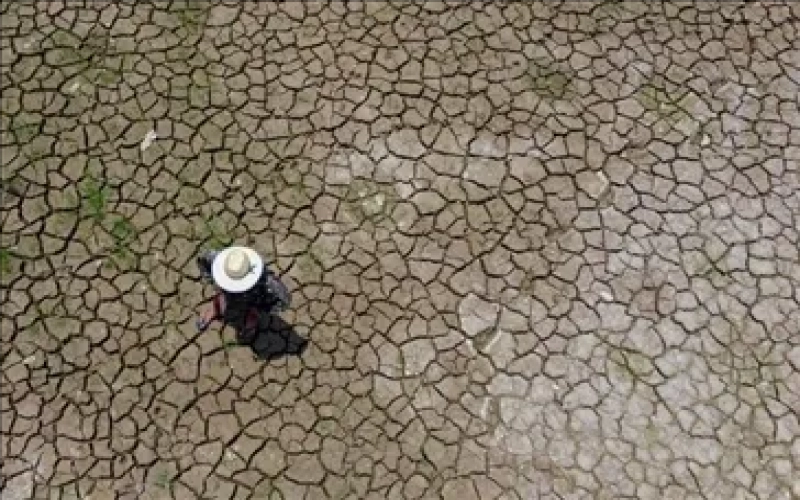
Over a thousand cities in Brazil hit by severe drought; harvest accelerates in major coffee-growing regions while supply outlook comes under pressure.
The latest report from the Brazilian government shows that more than 1,000 cities across the country are experiencing extreme or severe drought, with the number of fires hitting a near-decade high. Experts assess this as the most severe drought in the past 70 years. The northern Amazonas state and Mato Grosso do Sul state are particularly hard hit, while Minas Gerais, the main coffee-producing region, also faces the threat of high temperatures and scant rainfall. To cope with the adverse effects, Brazilian coffee regions are accelerating their harvest pace, but domestic market inventories are tight, expectations for new-crop supply have been revised downward, and the global coffee market remains highly attentive to changes in Brazilian supply. [more…]
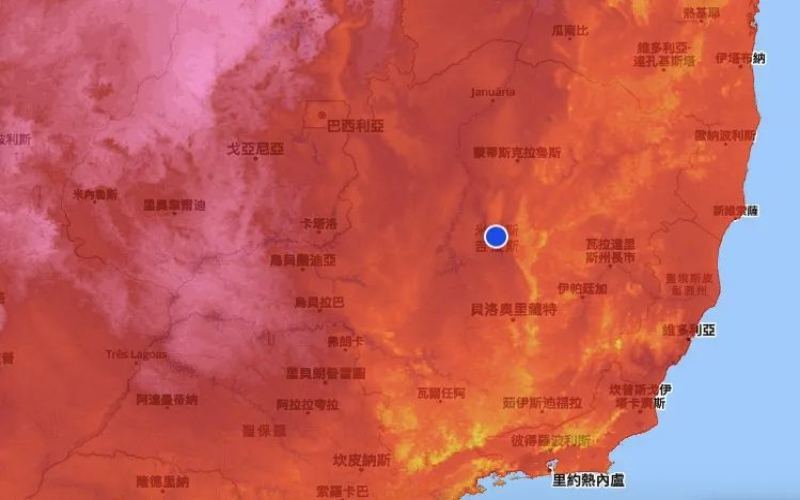
Brazil's drought may persist into 2025, coffee-growing regions face a severe test
Brazil is experiencing its worst drought in seventy years, with the major coffee-growing states of São Paulo and Minas Gerais hit especially hard. Wildfires have consumed large numbers of coffee plantations, with some estates losing nearly half their harvest, and the agriculture department estimates losses exceeding 2 billion reais. At the same time, Brazil's coffee exports hit a record high in August, driven mainly by stockpiling demand ahead of the EU's imminent implementation of the EUDR. Rabobank expects coffee prices to remain high through the end of the year, while the production outlook for the next crop season is full of uncertainty. This article will review the drought's comprehensive impact on Brazil's coffee industry and follow Front Street Coffee's ongoing tracking of developments in the producing regions. [more…]
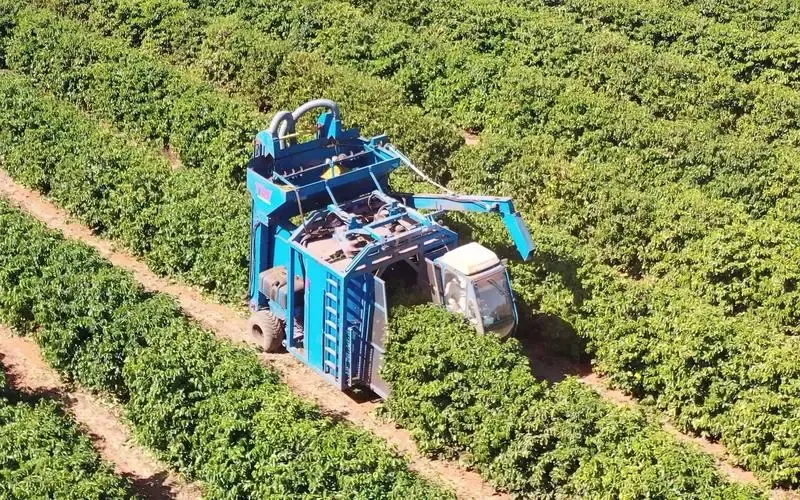
Brazil's coffee-growing regions face prolonged drought: harvest progress runs ahead of schedule, but yields are a concern, and prices are rising across the board.
Brazil is in the middle of its coffee harvest season, with 58% of the crop now gathered, ahead of the five-year average. However, although the hot, dry weather has favored picking, it has had a clear negative impact on coffee output: beans are smaller and yields are falling, and drought alerts have been issued in many areas. Production falling short of expectations has driven coffee prices steadily higher both in Brazil and abroad, with robusta and arabica futures posting sharp gains. The market is also worried that the coming La Niña phenomenon could deal a further blow to 2025/26 output. This article reviews the drought conditions in Brazil's various producing regions, the downward revisions to production, and price trends, and includes related recommendations from Front Street Coffee. [more…]
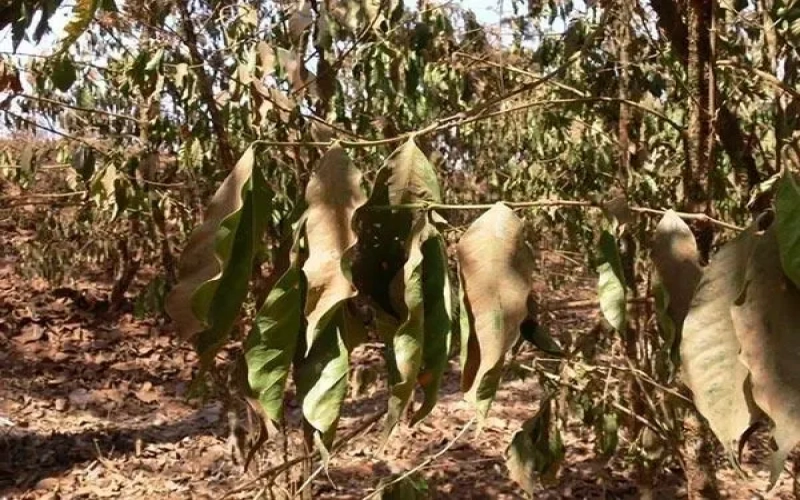
Vietnam's drought persists amid uneven rainfall, with Robusta potentially facing a 2.7 million bag supply deficit next year
The dual impact of persistent drought and uneven rainfall distribution has cast a shadow over the global robusta coffee supply outlook. In Vietnam's Dak Lak province, about 40% of coffee trees still lack water, and coffee production is expected to decline by 20% to a four-year low; in Brazil's largest producing region, Minas Gerais, there has been no rain for three consecutive weeks. Although prices previously plummeted due to a recovery in exports and the restoration of international inventories, signs of a rebound have recently emerged. Global financial services platform Marex Group Plc predicts that, affected by reduced production in Brazil, Vietnam, and Indonesia, the global robusta coffee market will face a supply gap of 2.7 million bags next year, and upward pressure on prices should not be underestimated. [more…]
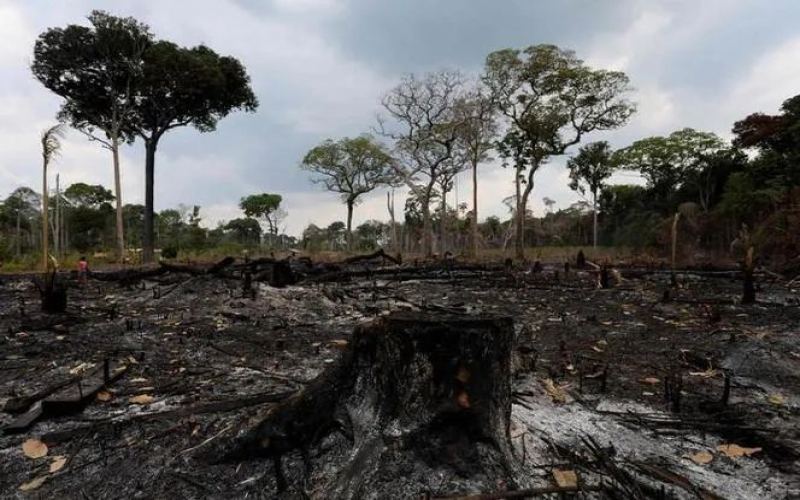
Brazil Hit by Twin Blows of Fire and Drought: Coffee Season Delayed to 2027, Exports Disrupted, Prices Poised to Rise
The Brazilian coffee industry is facing a dual shock from drought and fires. Since the end of August, fires have continued to spread across various regions, burning large swaths of coffee plantations and forcing producers to replant, delaying the originally planned 2025 harvest to 2027. Meanwhile, the worst drought on record has swept across the country, and falling water levels in Amazonian rivers have caused congestion at southern ports, where about 1.2 million bags of coffee have piled up and been damaged, with losses reaching as high as US$300 million. Smoke has covered nearly 5 million square kilometers, affecting at least 10 states. In view of multiple factors such as fires, worsening air quality and port delays, coffee exports are expected to decline and prices will continue to rise. [more…]
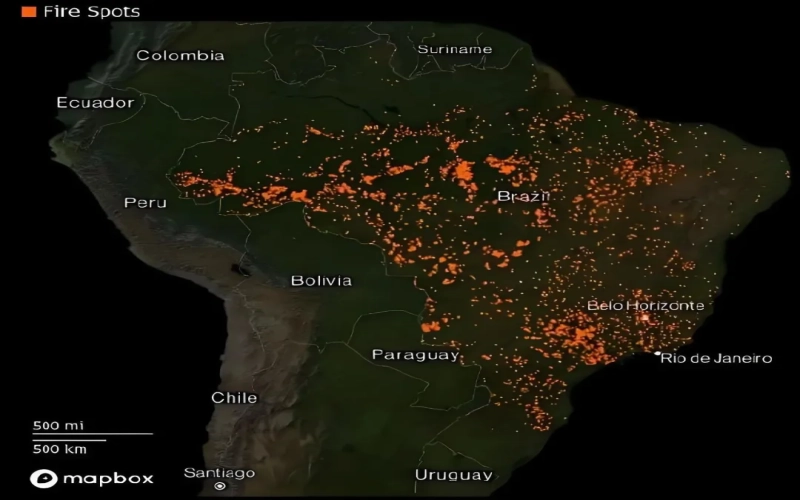
Drought and fires in Brazil affect nearly 60% of the country's land, coffee prices may continue to rise
Brazil is experiencing its most severe drought since records began in 1950, with nearly 60% of the country affected, frequent forest fires in many areas, and major coffee-producing regions such as São Paulo and Minas Gerais suffering serious damage. Coffee trees are in their flowering period, and the drought and fires have exacerbated adverse growing conditions and may lead to reduced output in next year's new crop season. At the same time, domestic spot prices for Robusta in Brazil have surpassed those for Arabica, and international coffee prices remain high. This article will provide a detailed analysis of the impact of the drought and fires on Brazil's coffee industry and global prices. [more…]
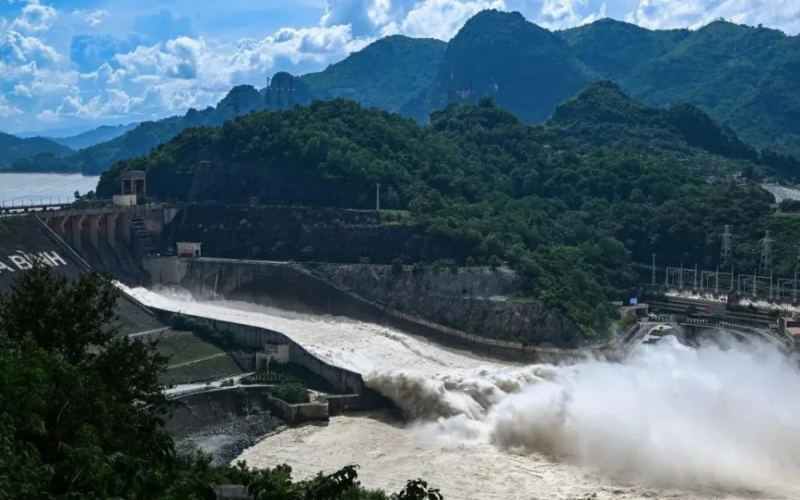
Mekong River floods combined with drought-driven production cuts: Vietnamese Robusta coffee prices may remain elevated into early 2025
Vietnam, as a major global robusta coffee-producing region, has recently faced a succession of extreme weather challenges. Two consecutive tropical storms brought heavy rainfall, causing rapid flooding in the upper reaches of the Mekong River and threatening coffee cultivation in low-lying downstream production areas. At the same time, drought earlier in the year has already adversely affected coffee flowering, making a decline in the new crop season almost certain. Some coffee farmers have switched to more profitable crops such as durian, further reducing the area devoted to coffee cultivation. Port facilities have been damaged and exports hindered, and combined with Indonesia's reduced export capacity, global robusta supply is expected to face a shortage for the fourth consecutive year. Front Street Coffee will continue to follow developments in the production regions and bring enthusiasts the latest news. [more…]
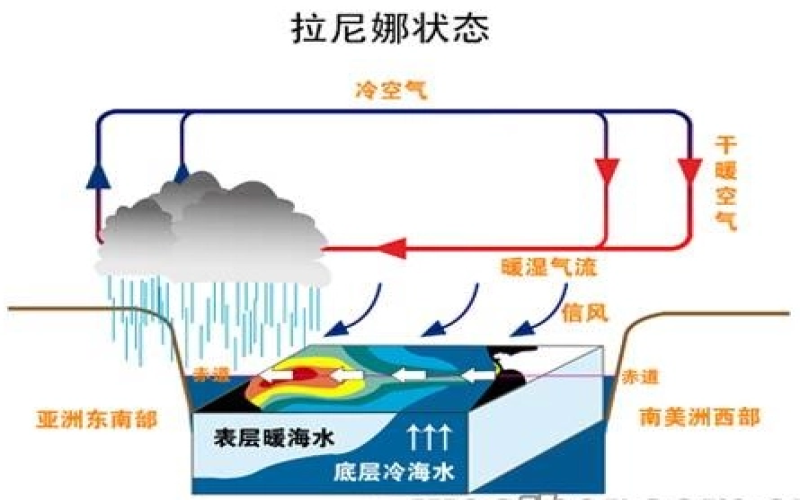
El Niño Expected to Wind Down in April, La Niña to Return in the Second Half of the Year and Potentially Batter Global Coffee-Producing Regions Again
The latest meteorological forecasts indicate that the El Niño condition is expected to come to an end around April 2024. After a brief neutral phase, La Niña may form between June and August and persist through the second half of the year. Previously, El Niño brought extreme weather such as heavy rain, drought, and high temperatures to coffee-growing regions in Brazil, India, Vietnam, Indonesia, and other places, causing reduced production and driving up international coffee prices. As La Niña takes over, southeastern Brazil may face reduced rainfall and the risk of frost, while Indonesia may experience heavy rainfall and even floods, and the coffee berry harvest may be hit again. Front Street Coffee will also continue to monitor the impact of climate change in producing regions on the coffee supply chain. [more…]
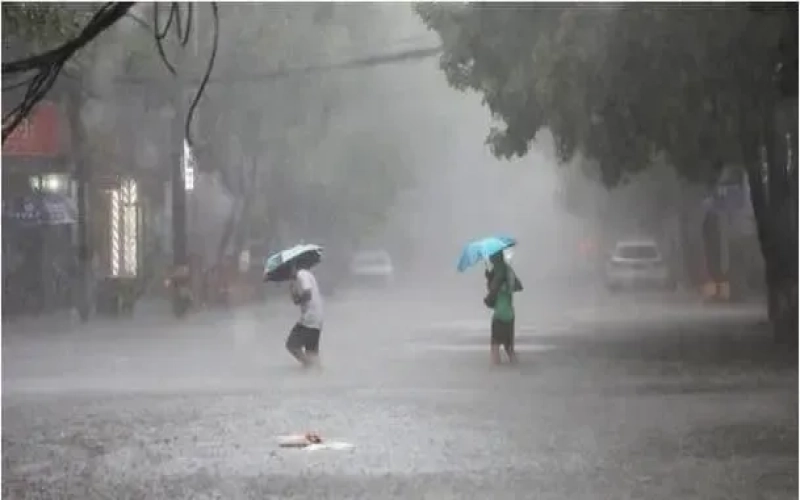
Extreme Weather and Pest Infestation Deal a Double Blow: Vietnam's Coffee Production May Continue to Decline
The World Meteorological Organization recently issued a warning that frequent extreme weather is severely impacting Asia. China, Dubai, and other places have been hit by torrential rains and floods, while South Asian countries such as Thailand, Laos, Vietnam, and Indonesia are mired in scorching heat, with temperatures in many areas exceeding 45°C. As a major global coffee-producing region, Vietnam's Robusta coffee is facing a double assault of drought and pests—reservoirs have dried up, irrigation water sources have been depleted, and cotton bollworms are spreading rapidly. Coffee farmers are being forced to increase irrigation frequency, yet have no water to use. Although rain is expected in May to ease the drought, the latest data from the International Coffee Organization show that global coffee exports grew 8.1% in March 2024, while coffee futures prices have continued to decline, creating a subtle contrast between production prospects and market trends. [more…]
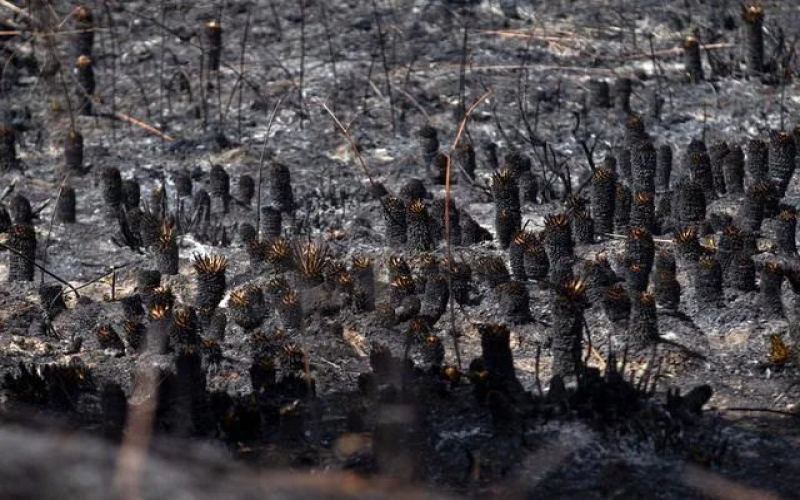
South America Hit by Dual Blow of Drought and Wildfires: Colombia's Coffee Production Declines, Inventories Dwindle, Exports Under Pressure as Prices Rise
A drought and forest fires lasting for months are sweeping across South America, and Colombia has not been spared. Forests in many places have been burned, water sources are running dangerously low, the water level of the Amazon River has plummeted, and Cauca Department has suffered its worst fires in nearly three decades, with large numbers of coffee crops damaged. Water rationing policies have left coffee farmers in a dilemma: insufficient irrigation affects yields, while exceeding water limits brings fines. The latest data show that Colombia's coffee production had fallen to 1.05 million bags in August, with inventories down 7.2% month on month. As the world's third-largest coffee-producing country, declining output and inventories are pushing up international coffee prices. [more…]
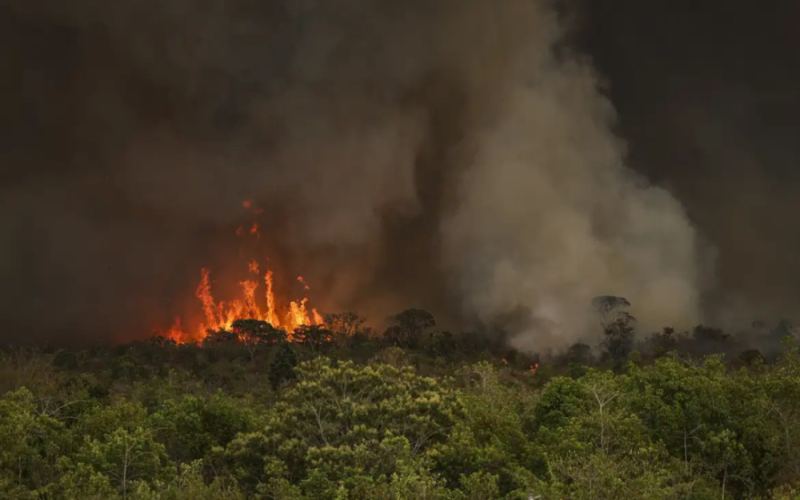
Rainfall in Brazil Fails to Alleviate Drought in Coffee-Growing Regions, New Crop Yields Remain Under Pressure
Since 2024, Brazil has been continuously hit by high temperatures, droughts, and severe fires, with large areas of forest and farmland destroyed, agriculture suffering heavy losses, and coffee-growing regions also deeply affected. Although southern Brazil recently received rainfall, the brief precipitation is unlikely to fundamentally ease the drought, and the outlook for coffee production in the new season remains bleak. At the same time, Brazil's coffee exports have performed strongly but are constrained by port logistics congestion, keeping international coffee prices persistently high. This article will review the multiple impacts of Brazil's fires and drought on the coffee industry and analyze current export and price trends. [more…]
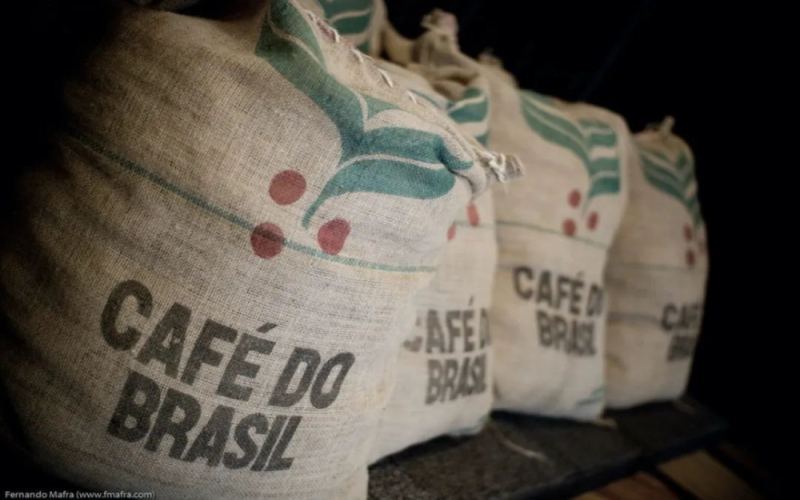
Brazilian Arabica Production Expected to Drop Over 10%, Drought and Extreme Weather Continue to Disrupt the New Crop Season
StoneX has released its first estimate for Brazil's 2025/26 coffee crop, projecting total production at approximately 65.6 million bags, a slight decrease of 0.4% from the previous year. Arabica is expected to decline by 10.5% to 40 million bags, while Robusta is forecast to increase by 20.9% to 25.6 million bags, though the gain in Robusta will not be enough to offset the shortfall in Arabica. The decline is mainly attributed to unfavorable weather in Minas Gerais and São Paulo: first severe drought, followed by storms and strong winds. Soil moisture deficit in Minas Gerais reached its second-highest level on record, with October rainfall far below normal, and future hot and dry conditions may continue to affect the fruit-setting stage. Meanwhile, improved rainfall in Espírito Santo is benefiting Robusta. The European Parliament's decision to delay EUDR implementation by one year also provides a buffer period for Brazil's coffee exports. [more…]
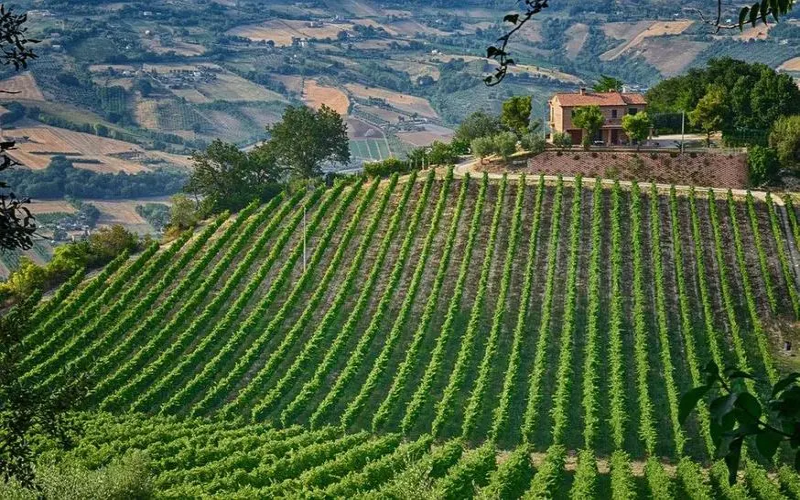
Brazil's coffee exports are gaining strong momentum, but drought and a dengue fever outbreak could weigh on the new crop season and sales outlook.
Recently, Brazil's coffee exports have shown strong performance, but extreme weather and a dengue fever outbreak are casting a shadow over the upcoming crop season. In Minas Gerais, the main Arabica-producing region, rainfall has been only 16% of the historical average, and drought is threatening production. Meanwhile, dengue fever cases have surged past 1.8 million, with multiple coffee-growing regions entering a health emergency, which could lead to a shortage of harvest labor. In addition, the probability of La Niña has risen to 62%, potentially bringing frost disasters. Although coffee sales for the 2023/24 season are progressing well, pre-sales for the 2024/25 season are slow, at only 11%, far below the same period last year. Coffee farmers are strongly reluctant to sell, and the market's wait-and-see atmosphere has intensified. Front Street Coffee reminds enthusiasts to pay attention to developments in the producing regions and to view price fluctuations rationally. [more…]
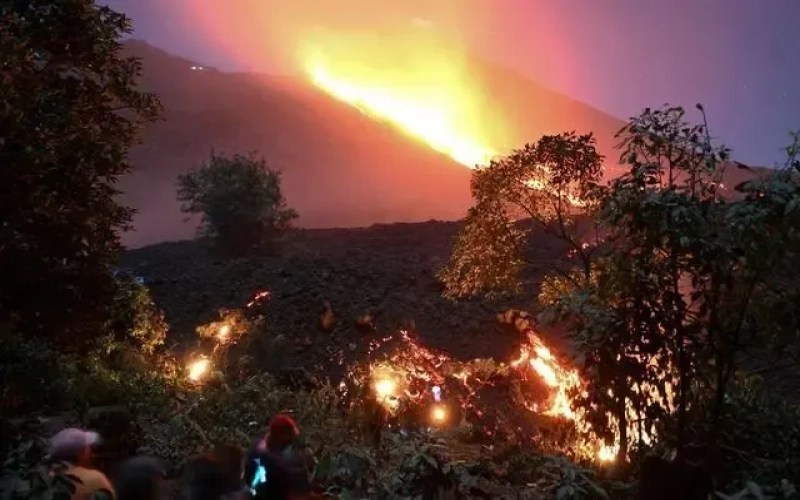
El Niño Worsens Drought in Guatemala: Frequent Wildfires and Power Shortages Deal a Double Blow to the Coffee Industry
Since entering the dry season in November 2023, the El Niño phenomenon has continued to intensify drought conditions in Guatemala, triggering large-scale forest fires and severe shortages of hydroelectric power. Wildfires in the Agua Volcano region in southern Guatemala have affected the two major coffee-producing areas of Antigua and Acatenango, damaging more than 40 hectares of vegetation; meanwhile, the National Interconnected Power System has been in a state of emergency since March 18, with hydroelectric generation down 17% compared with the historical average, driving up operating costs for coffee processing plants. The drought in the Panama Canal has further lengthened fuel transportation cycles, putting additional pressure on the coffee industry chain. Guatemala is seeking relief by attracting investment and holding meetings on an economic action plan. This article will review the disaster data, the causes of the power crisis, and their cascading effects on coffee cultivation and processing. [more…]
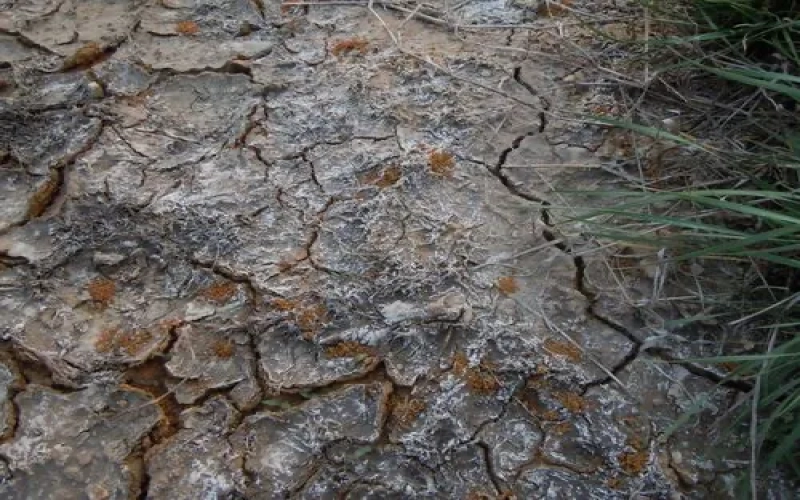
El Niño Triggers Vietnam's Worst Drought in a Century, Coffee Production Decline Pushes Up Robusta Prices
Affected by El Niño, Vietnam is experiencing its worst drought in nearly a century, and agriculture in the Mekong Delta has been hit hard. As a major global coffee-producing region, Vietnam's robusta coffee is in its flowering season but faces a water shortage crisis, and spot prices have soared to more than double those of the same period last year. At the same time, the planting boom in high-return fruits such as durian and dragon fruit is further squeezing coffee-growing areas. This article will review the specific impact of the drought on Vietnam's coffee industry, current price trends, and the latest progress on China's emergency water replenishment from the Lancang River at Vietnam's request. Friends who like Vietnamese coffee may want to follow Front Street Coffee's upcoming product updates. [more…]
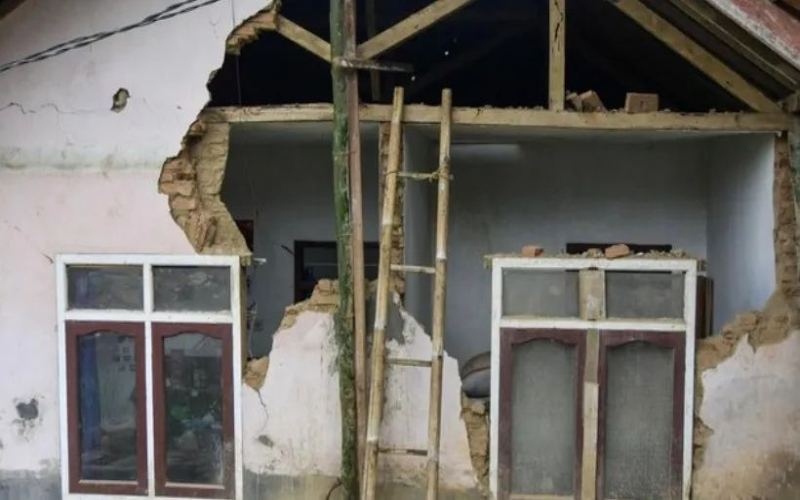
Two major coffee-producing regions in Indonesia have been hit by disasters in succession; output may decline further, and prices could keep rising.
Recently, several major coffee-producing regions in Indonesia have been hit by natural disasters. A magnitude 5.0 earthquake struck near Bandung in West Java on the island of Java, causing injuries and damage to homes; the Aceh region in northern Sumatra was hit by heavy rain and strong winds, and with the coffee harvest season underway, harvesting work has been disrupted. At the same time, several provinces are also facing ongoing drought, and coffee production may decline further. This article summarizes the disaster situations in various areas and their impact on Indonesia's coffee industry. [more…]
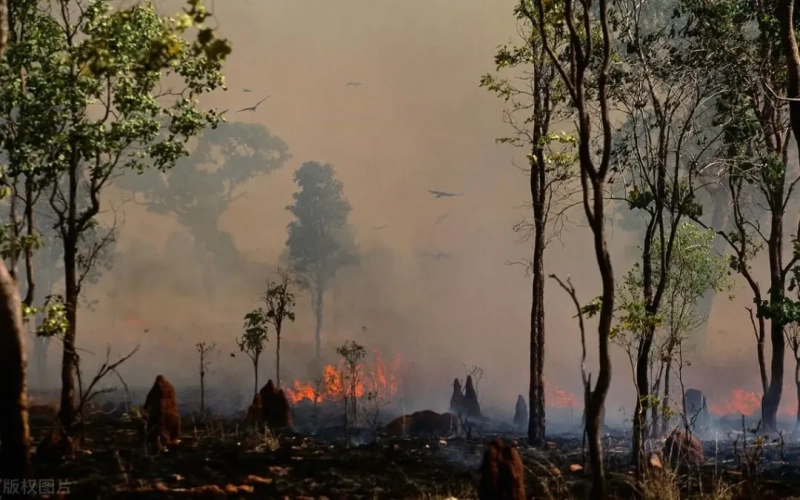
La Niña Arrives in Succession: Global Coffee Production and Prices Face New Variables
The lingering effects of El Niño in 2023 have not yet subsided, and La Niña may make a comeback in the summer of 2024, leaving global coffee-producing regions caught in a double bind of extreme weather. Drought during Brazil's flowering period, water shortages on Vietnam's highlands, coexisting floods and droughts in Africa, and the threat of hurricanes in Central America—the production outlook for major growing regions is shrouded in uncertainty. At the same time, rising demand for Robusta in European and American markets, combined with reduced output in several producing countries, has already triggered sharp fluctuations in international coffee prices. This article will examine how climate is disrupting the coffee supply chain and analyze the key variables shaping price trends in the second half of the year. [more…]
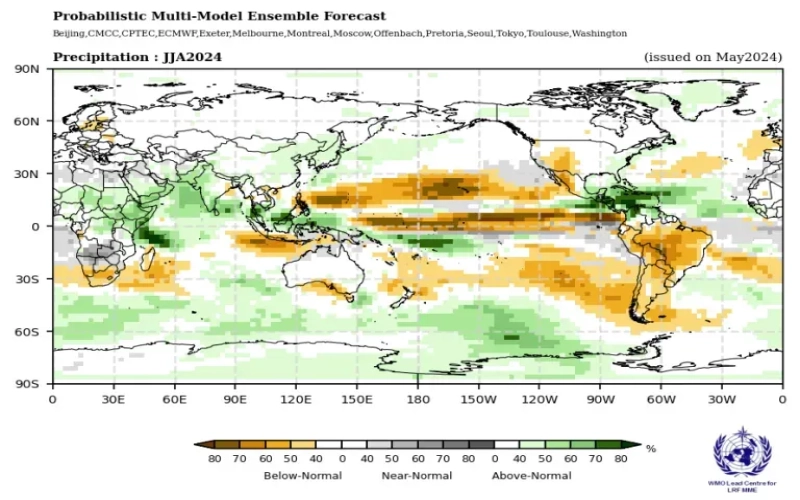
Extreme heat sweeps across coffee-growing regions in multiple countries: Vietnam, Brazil, and Mexico see clear production declines, while Colombia bucks the trend with increased output
Since the start of summer, many countries around the world have experienced sustained high temperatures, with sea surface temperatures generally elevated outside the near-equatorial eastern Pacific and land temperatures rising accordingly, dealing a blow to agricultural production including coffee. Vietnam has suffered its worst drought in nearly a decade, with coffee trees severely damaged; Indonesia is still weighed down by last year's drought, reducing the volume available for export; Brazil's output has fallen short of expectations, and about 80% of Mexico's planted area has been affected, with production cuts expected to reach as much as 50%. At the same time, Colombia's first-half output hit a three-year high. The widening scope of production cuts pushed the ICO composite coffee price index up 8.9% month on month, and La Niña weather may further aggravate volatility. [more…]
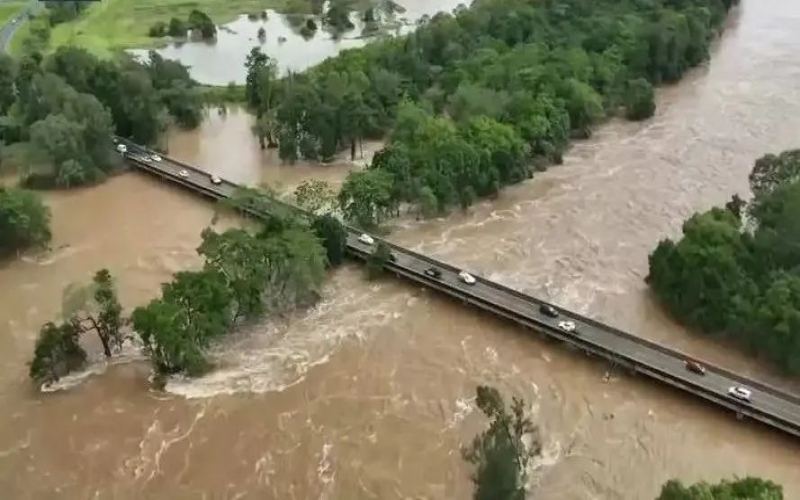
El Niño Devastates Africa's Coffee Industry: Ethiopia's Production Drops Over Ten Percent, Export Pressure Intertwined with Debt Default Risk
Affected by extreme weather triggered by the El Niño phenomenon, Africa's major coffee-producing regions are undergoing a severe test. As Africa's largest coffee producer, Ethiopia's output for the 2022/23 fiscal year is expected to decline to 7.3 million bags, a decrease of about 1 million bags from previous expectations. The alternating onslaught of drought and floods has not only damaged infrastructure in the producing areas but also driven up transportation costs. At the same time, the European Union Deforestation Regulation (EUDR)'s strict requirements for origin traceability make it difficult for smallholder farmers to comply, forcing export volumes to be revised down by 19%. Shrinking exports, compounded by the impact of the pandemic and civil war, have intensified the country's fiscal pressure, and it even faces the risk of sovereign debt default. International coffee futures prices, meanwhile, continue to fluctuate at high levels due to constrained supply, and market concerns about short-term supply are steadily mounting. [more…]
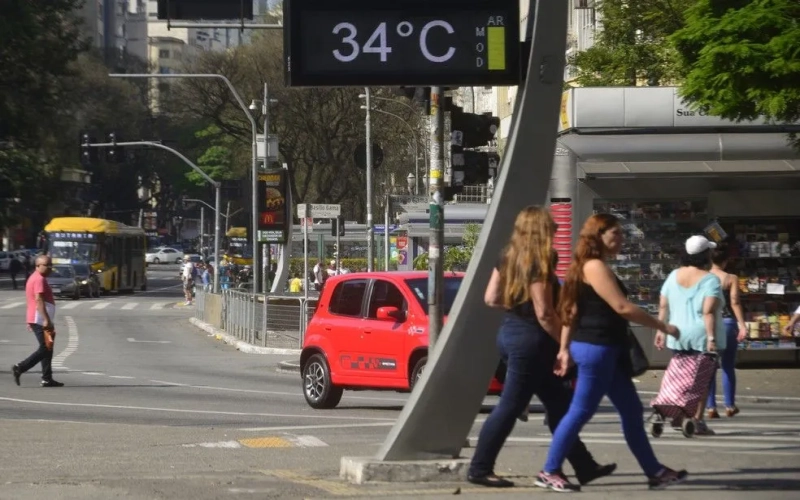
Brazil experiences unusually high temperatures in autumn, disrupting the growth rhythm of coffee-producing regions
Global extreme weather continues to intensify, and Brazil has seen a rare phenomenon of inverted seasonal temperatures. May should mark the start of autumn, yet São Paulo recorded its hottest day for the same period in 81 years, with temperatures soaring to 32.8°C and generally remaining above 30°C. Persistent high temperatures and scarce rainfall are disrupting the normal growth cycle of coffee trees, with drought conditions particularly severe in central producing regions such as Minas Gerais. At the same time, Brazil and Vietnam's production and export data are trending upward, putting pressure on both international futures and domestic spot prices, but the future weather trajectory remains highly uncertain. [more…]