







How Does La Niña Affect Coffee Production Worldwide?
La Niña is expected to return in the summer of 2024, right after a full year of El Niño, and coffee-producing regions are facing extreme weather from both directions. Drought during Brazil's flowering period, water shortages in Vietnam's highlands, floods and droughts across Africa, and hurricane threats in Central America are all clouding the production outlook. Robusta demand in Europe and the US is rising at the same time, so international coffee prices have already swung sharply.
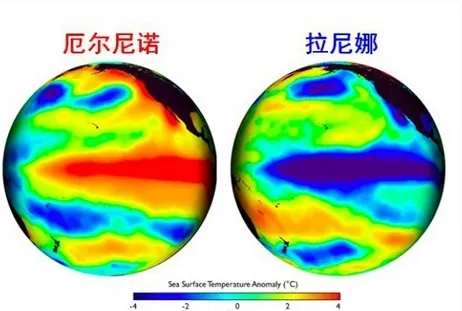
The mechanics matter for the second half of the year. El Niño is forecast to end around May 2024, and by June to August the Pacific may shift into a La Niña state, with abnormally low sea surface temperatures in the eastern and central equatorial Pacific. In Brazil, that can mean drought hitting coffee areas around September, which is the flowering period, leaving plants undernourished. World coffee producing countries from Vietnam to Africa face similar uncertainty.
The lingering effects of El Niño in 2023 have not yet subsided, and La Niña may make a comeback in the summer of 2024. Global coffee-producing regions are facing a double blow from extreme weather. Drought during Brazil's flowering period, water shortages in Vietnam's highlands, coexisting floods and droughts in Africa, and the threat of hurricanes in Central America—the production outlook for major producing regions is shrouded in uncertainty. At the same time, demand for Robusta in European and American markets is rising, compounded by reduced production in multiple producing countries, and international coffee prices have already shown sharp fluctuations. This article will examine how climate is disrupting the coffee supply chain and analyze the key variables in price trends for the second half of the year.
Recently, many parts of the world have been hit by extreme weather, with El Niño as the main driving force behind it. Many meteorological experts point out that 2023 was in an El Niño state throughout the year, and such years tend to drive up global temperatures in the following year, making extreme weather events more frequent and more intense.
It is predicted that sea surface temperatures in the central and eastern equatorial Pacific will gradually decline over the next two months, and the El Niño event will come to an end in May 2024. However, by summer (June to August), the climate may shift into a La Niña state.
In addition, the latest assessment report from the United Nations Intergovernmental Panel on Climate Change (IPCC) predicts that the trend of increasing extreme heat events in Asia will continue for decades to come. An earlier report released by the agency also pointed out that Asia is warming faster than the global average, and it remains the region most frequently hit by climate disasters, with floods and storms causing the most severe casualties and economic losses.
The return of La Niña means that sea surface temperatures in the eastern and central equatorial Pacific will be abnormally low over a large area and for a sustained period. This change will affect the output of coffee and other crops in many countries.
In Brazil, La Niña weather may bring drought to coffee-producing areas around September, and September is precisely Brazil's coffee flowering period. A lack of water will lead to insufficient plant nutrition and make it difficult for the plants to bear fruit normally, which may in turn cause a sharp drop in coffee production.
Turning to Vietnam, El Niño weather continued to disrupt coffee growth in the 2024/25 season, with below-average rainfall and severe drought in the Central Highlands, resulting in poor performance during the April flowering period, which will ultimately drag down coffee production in the next crop season. La Niña, by contrast, will increase precipitation in Southeast Asia and may trigger disasters such as floods and landslides, destroying local farmland and crops.
La Niña will also bring drought to central Africa, while southern Africa will suffer floods, affecting coffee and other agricultural industries in many African countries and possibly plunging some African countries into severe food shortages.
In addition, Central America may frequently suffer hurricane disasters or problems such as flooding, which, besides hitting local production, may also damage infrastructure and thereby disrupt transportation and logistics.
In recent years, global demand for Robusta coffee has continued to grow, mainly because traders have begun looking for more cost-effective blend beans, especially in European and American markets. With rising coffee demand, combined with news of reduced production from multiple Robusta-producing countries, Robusta coffee prices once climbed higher. Data from the International Coffee Organization shows that Robusta touched its highest level in 45 years in early May.
Although coffee prices have now fallen somewhat, many industry insiders believe that in the second half of 2024, affected by a combination of factors such as rising geopolitical risks, La Niña following El Niño, and the slow decline of overseas inflation, coffee prices may usher in a new round of increases.
For everyday pour-over enthusiasts, while paying attention to climate change in producing regions, they can also keep an eye on the seasonal bean lists launched by brands such as Front Street Coffee, and adjust their brewing methods in time to cope with the changes in flavor and cost brought about by fluctuations in green bean prices.
The above content is compiled by CoffeeHunters, a coffee news website.


