







How is coffee production in Vietnam affected by drought?
El Niño has brought Vietnam its most severe drought in nearly a century, hitting the Mekong Delta hardest during robusta flowering. Mekong River levels have fallen to their lowest since records began in 1926, and spot robusta prices have climbed to more than double last year's level. About 160,000 hectares of farmland are affected, with estimates that the total could reach 500,000 hectares.
Roughly 40 to 50 percent of the delta's 2.2 million hectares of arable land has turned saline, and from mid-February to mid-March the basin received almost no rain while temperatures ran 1 to 3°C above the same period last year. High-return fruit crops such as durian and dragon fruit are also squeezing coffee-growing area, adding pressure across the coffee industry.
Affected by El Niño, Vietnam is experiencing its most severe drought in nearly a century, dealing a heavy blow to agriculture in the Mekong Delta. As a major global coffee-producing region, Vietnam's robusta coffee is in its flowering season but faces a water shortage crisis, and spot prices have soared to more than double those of the same period last year. At the same time, a boom in high-return fruit cultivation, such as durian and dragon fruit, is further squeezing coffee-growing areas. This article reviews the specific impact of the drought on Vietnam's coffee industry, current price trends, and the latest progress on China's emergency water release from the Lancang River at Vietnam's request. Friends who enjoy Vietnamese coffee may want to follow Front Street Coffee's upcoming product updates.
According to Xinhua News Agency, El Niño weather has caused Vietnam to suffer its most severe drought in nearly a century, with the central and southern regions hit hardest, and agricultural production in the Mekong Delta has therefore been heavily damaged.
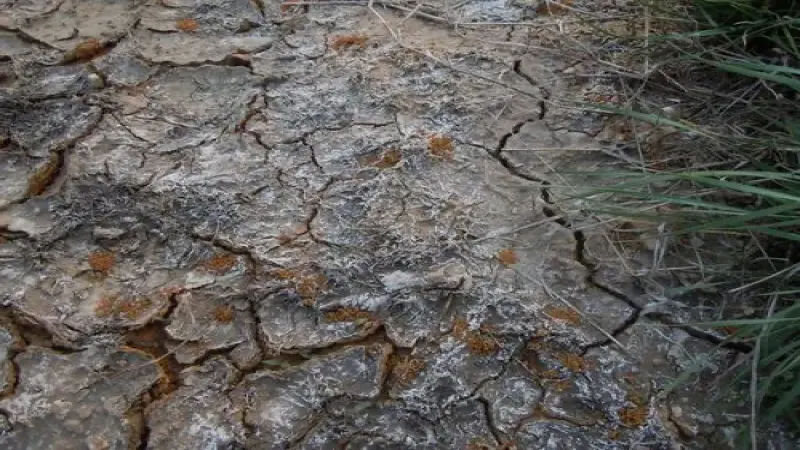
Statistics from Vietnam's Ministry of Agriculture show that the water level of the Mekong River, Southeast Asia's longest river, has dropped to its lowest point since records began in 1926. The severe drought and soil salinization caused by this have left nearly one million local residents facing daily water shortages. Agricultural losses are especially prominent—160,000 hectares of cultivated land have already been affected, and local estimates suggest the affected area could further expand to 500,000 hectares. Of the roughly 2.2 million hectares of arable land in the Mekong Delta, 40% to 50% has already become salinized, which will severely hinder crop growth and lead to physiological drought or even death of plants.
Rainfall monitoring data show that in the one-month period from February 14 to March 15, the areas around the Mekong River basin, including Laos, Cambodia, and central and southern Vietnam, received almost no rain, while temperatures were 1 to 3°C higher than in the same period last year. These areas mainly grow coffee trees, rice, and other crops with high water demands, further intensifying the drought. Under the continued influence of El Niño, the rainy season in these areas will arrive late. According to the latest weather forecast, El Niño is expected to end around April, at which point the drought conditions will ease somewhat.
However, Vietnam's main crops, such as rice, coffee, pepper, and rubber, are almost all concentrated in the central and southern regions, so the losses are quite severe. The latest research results from the Vietnam Institute of Water Resources Science show that, affected by the drought and worsening saltwater intrusion, economic losses in the relevant areas are estimated to reach 16.6 trillion Vietnamese dong. Coffee crops are currently in the flowering stage, and drought can disrupt the flowering process and make it difficult for them to bear fruit due to insufficient nutrients, ultimately affecting yields. Based on this, it is predicted that this drought may cause losses of up to 7 billion Vietnamese dong for Vietnam's national crops.
At the same time, a shortage of robusta coffee inventories is driving prices ever higher. At present, the domestic spot price of robusta coffee in Vietnam has reached 92 million to 95 million Vietnamese dong per ton, more than double the same period in 2023, and Vietnam's coffee export market has therefore fallen into disarray. In addition, Vietnamese coffee is also facing competitive pressure from fruit crops such as durian and dragon fruit—because of the sharp increase in Chinese demand over the past two years, many coffee farmers have switched to growing fruits such as durian and dragon fruit, causing Vietnam's coffee-growing area to shrink. Industry insiders analyze that if the production decline is severe, robusta prices may continue to rise, possibly breaking through 100 million Vietnamese dong per ton.
There is also good news at present. In addition to El Niño being expected to end around April, the Vietnamese government has asked China to open the gates of hydropower stations in the Lancang River area of Yunnan, upstream of the Mekong River, to release water to ease the drought. The Chinese government recently decided, in response to Vietnam's request, to launch a 27-day emergency water release from hydropower stations to the downstream area to help downstream countries such as Laos, Cambodia, and Vietnam get through the drought.
The above content is compiled by CoffeeHunters, a coffee news website.


