







Search Results for: drip-style coffee grounds
A Breakdown of Espresso, Americano, Drip, and Immersion Coffee Terminology, with a Discussion of the Essential Differences Between Three-Stage and One-Stage Brewing Methods
The world of coffee is full of specialized terminology, and seemingly similar names often represent completely different concepts. Espresso, Americano, drip coffee—these words ending in "-style" sometimes refer to a drink, sometimes to a brewing method, and sometimes to a general category of coffee. Meanwhile, "three-pour" and "one-pour" have nothing to do with the coffee itself; they describe brewing techniques. This article breaks down these easily confused terms one by one to help those new to coffee sort things out, and also includes Front Street Coffee's bean selection recommendations for different scenarios. [more…]
Drip Coffee Beans Recommendations | What Is Drip Coffee? How Does Drip-Style Black Coffee Differ from Espresso?
There are many types of coffee, such as Americano, espresso, and pour-over. There is also a term called drip filtration—what kind of coffee is that? In fact, the most common drip-filtered coffee is pour-over coffee, and pour-over coffee is a type of drip-filtered coffee. In reality, the drip filtration method is quite common in offices and homes because it is usually relatively simple. [more…]
The Complete Guide to Cold Extraction Coffee: Extraction Methods, Parameter Differences, and Flavor Comparison Between Ice Drip and Cold Brew
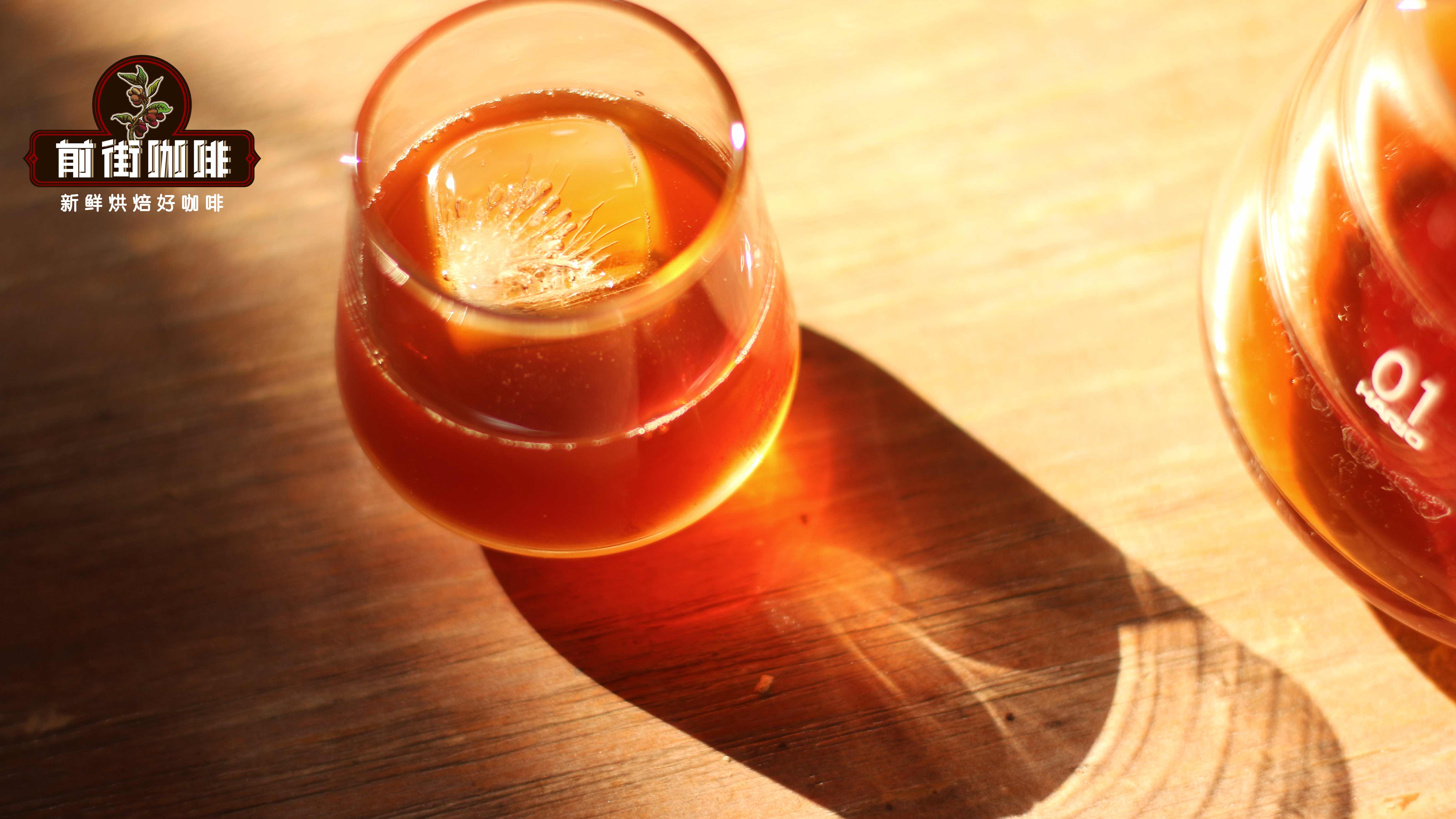
Neither ice drip coffee nor cold brew coffee relies on high-temperature hot water; instead, they complete extraction entirely with low-temperature water, and therefore take far longer than iced Americano or iced pour-over. Many coffee enthusiasts want to try making these two kinds of coffee at home, but without understanding their extraction principles and operational differences, it is difficult to produce the ideal flavor. Starting from Front Street Coffee's practice, this article first explains the basic principles of low-temperature extraction, then explains the suitable grind size, and next separately breaks down the specific parameters of time and coffee-to-water ratio for ice drip's drip-style extraction and cold brew's immersion-style extraction, and finally uses the same Front Street Ethiopia Yirgacheffe Natural Red Cherry coffee beans for comparison, presenting the differences in mouthfeel and flavor brought by the two methods, to help you find a brewing solution that suits you. [more…]
What is the difference between ice drip coffee and cold brew coffee? From brewing principles to flavor and mouthfeel, explained clearly in one go.
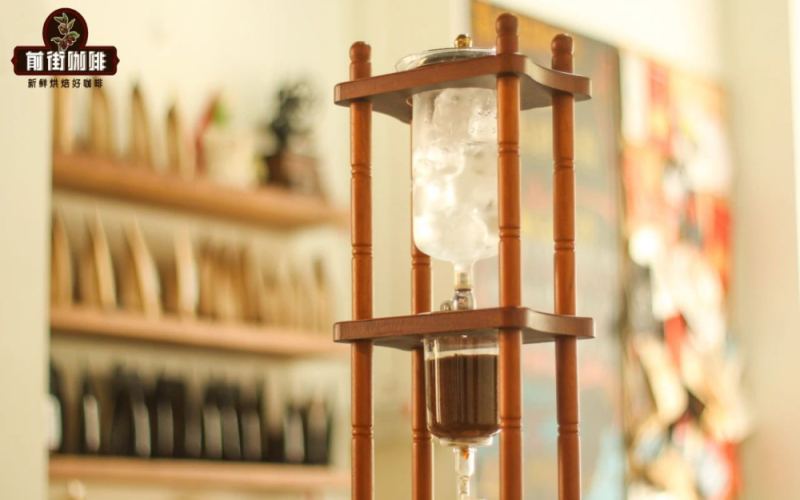
Both ice drip coffee and cold brew use low-temperature extraction, but one is drip-style while the other is immersion-style, and this subtle difference in technique can make the same beans present completely different flavor profiles. From the perspective of Front Street, this article sorts out the historical origins, brewing principles, and tasting differences of the two, and uses lightly roasted Ethiopian Santavini beans to make cold brew and ice drip separately for comparison, helping you understand their respective characteristics and find the cup that better suits your taste. [more…]

Analyzing the Core Differences Between the Clever Dripper and Pour-Over: Immersion Extraction Advantages and Recommended Coffee Beans
The Clever Dripper stands out among pour-over equipment, having gained international recognition and been selected as designated gear by many specialty coffee shops. It is simple to operate, allowing even beginners to easily brew good coffee, and it is easy to clean, making it an essential for the home. The Clever Dripper's design was inspired by EK INTL's tea-making product HandyBrew, and its biggest feature is immersion extraction. Unlike drip-style drippers such as the V60, the Clever Dripper adds an immersion function, allowing water and coffee grounds to remain in continuous contact, making it less susceptible to pouring technique, so beginners can also consistently reproduce flavor. It combines the immersion environment of a French press with the filtration function of pour-over; simply place a filter paper, add grounds, pour water, and wait, and the coffee liquid will automatically flow out. So what exactly are the differences between the Clever Dripper and pour-over? What kind of coffee beans is it suitable for extracting? Front Street Coffee will share the detailed usage process and bean selection suggestions below. [more…]
Recommendations for Four Popular Drip American Coffee Machines for Home and Office Use, Plus a Guide to Choosing Suitable Coffee Beans
With the continuous improvement of quality of life, freshly ground coffee has long moved beyond the home setting. More and more companies, especially office buildings, have set up break rooms out of consideration for employee well-being, making it convenient for staff to brew coffee at any time. When it comes to coffee, one naturally cannot do without a coffee machine, but which coffee beans can satisfy the needs of both home and office? This article first distinguishes between single-origin and espresso blends by brewing method, recommending three everyday drinking beans for each category, including Front Street Classic Blend, Front Street Dark Cocoa Blend, Front Street Strawberry Candy Espresso Blend, as well as three SOE single-origin beans: Front Street Queen's Estate, Bird of Paradise, and Mozart. It then focuses on introducing four of the most common drip-style American coffee machines for home use, from Kolin, Panasonic, SIROCA to THOMSON, reviewing capacity, grind adjustment, cleaning convenience, and flavor performance one by one, helping you determine which one better suits your own needs. [more…]

Why Is Coarse Grind Preferred for Drip Coffee? An Analysis of Grind Size and Brewing Essentials for American Coffee Makers
Americano coffee is mostly presented in everyday cafés as espresso diluted with water, but American coffee in the true sense originates from the drip-style American coffee machine. Why is drip equipment better suited to coarsely ground coffee? How does grind size affect the extraction result? Starting from Front Street Coffee's practice, this article sorts out the extraction characteristics of drip coffee machines, the suitable choice of coffee beans, and the method for determining the Americano coffee-to-water ratio, and includes the specific preparation parameters and steps for hot Americano and iced Americano, helping coffee enthusiasts understand the logic of matching coarse grinding with drip brewing. [more…]
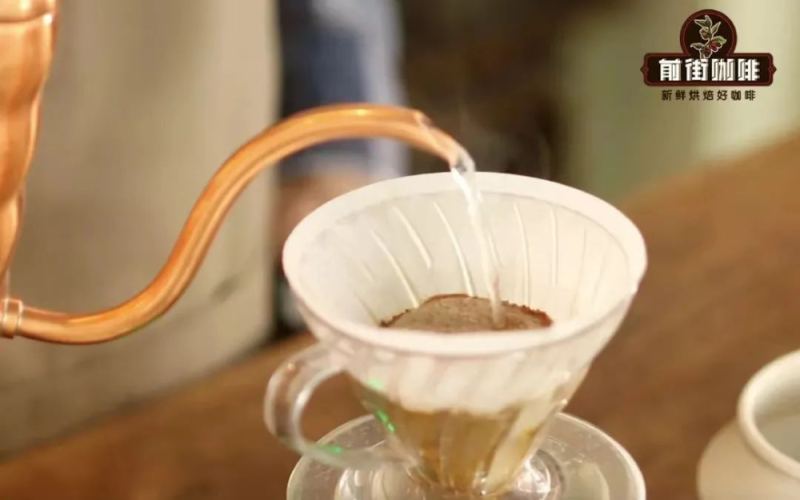
How to Determine the Blooming Time for Pour-Over Coffee? Whether It Counts Toward Total Brew Time and a Detailed Explanation of the Degassing Principle
The blooming phase in pour-over coffee is often regarded as a key step that determines flavor. Many enthusiasts ask: does the 30-second bloom actually count toward the total extraction time? And what is the purpose of blooming? Starting from the principle of carbon dioxide release, this article explains why drip-style pour-over must be bloomed, and analyzes how three states—insufficient blooming, excessive blooming, and moderate blooming—affect the taste of coffee. At the same time, drawing on Front Street's brewing experience, it explains how the roast date, roast level, and pouring method change the optimal bloom duration, helping readers judge flexibly based on the state of degassing in the coffee bed rather than rigidly sticking to a fixed number of seconds. [more…]
What Is Cold Brew Coffee? A Complete Guide to Low-Temperature Extraction, Cold Drip Differences, and Home Cold Brew Making
Cold brew coffee has gained increasing attention from coffee enthusiasts in recent years thanks to its smooth, delicate mouthfeel and low bitterness. But many people don't realize that "cold brew" is actually an umbrella term encompassing two methods: immersion-style cold brew and drip-style ice drip coffee. This article will start from the scientific principles of low-temperature extraction, trace the historical development of cold brew coffee from the Dutch maritime era to Japanese ice drip craftsmanship, analyze the differences in flavor and mouthfeel between cold brew and ice drip, and include Front Street Coffee's detailed home ice drip operating parameters and steps, finally recommending several coffee beans suitable for making cold brew, helping you easily craft a satisfying glass of icy coffee this summer. [more…]
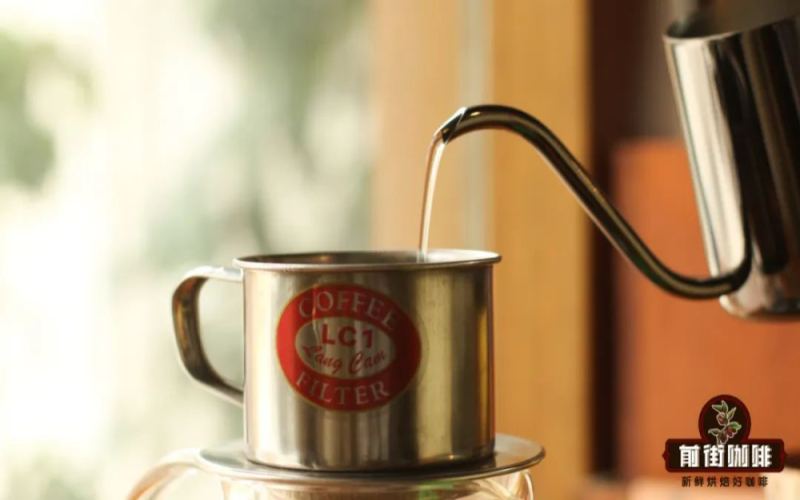
How to use a Vietnamese drip pot at home? Authentic drip coffee recipe and guide to choosing the right coffee beans
Every part of the world has its own distinctive coffee equipment; some, though not invented locally, have been perfected there. Ethiopia has the ceramic coffee pot, Turkey has the ceaselessly bubbling cezve, Italy has the moka pot, and Vietnam, with its "phin," has made drip coffee popular around the globe. This article will walk you through the structure and use of the Vietnamese phin, teach you step by step how to make an authentic cup of Vietnamese drip coffee at home, and answer the question of which coffee beans to use for drip coffee grounds. It will also include bean recommendations from Front Street Coffee to help you choose the right beans for your phin, so your brew comes closer to the flavors of a Vietnamese street stall. [more…]
Why is it called the Clever Cup? Usage Tips, Compatible Coffee Beans, Brewing Parameters, and Flavor Analysis
The Clever Dripper stands out among pour-over equipment, having gained international recognition and being chosen as standard equipment by many specialty coffee shops. Its low barrier to operation means even beginners can easily brew good coffee, and it is equally effortless to clean, making it a staple in many households. The Clever Dripper was inspired by EK INTL's tea brewing tool HandyBrew, with its core being immersion extraction: when placed flat, the valve closes, allowing the coffee grounds and water to fully interact; after immersion is complete, pressing the valve lets the coffee liquid flow into the container below. Compared to drip-style drippers like the V60, it adds an immersion phase, making it less susceptible to pouring technique interference, so beginners can more easily replicate the basic flavor. In this article, Front Street will share the complete brewing process for the Clever Dripper, parameter recommendations, and suitable coffee bean types and flavor directions. [more…]
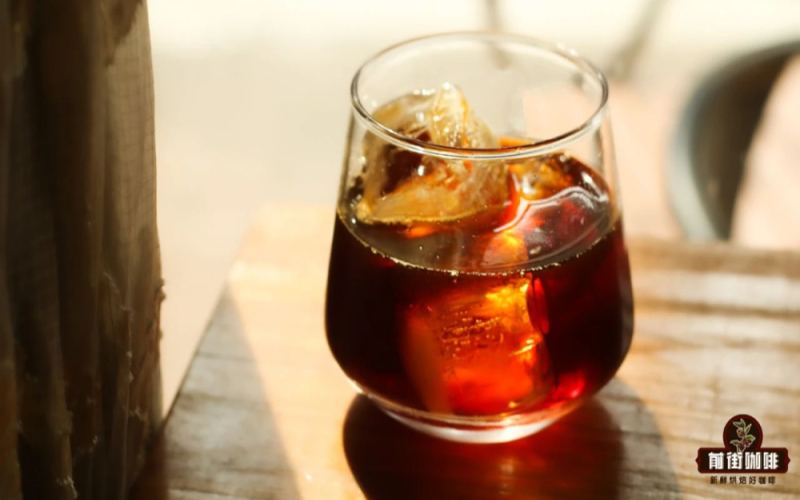
Where Did Cold Brew Coffee Originate? A Beginner's Guide to Choosing Coffee Bean Flavors for Cold Brew
Cold brew coffee is deeply loved today, but its origins are little known. The earliest documented cold brew coffee comes from the 17th-century Netherlands, when sailors, to cope with long sea voyages, steeped coffee grounds in cold water for over twenty hours to make a concentrate, which both increased the caffeine content and extended shelf life. This method later spread to Japan, where it evolved into drip-style cold brew by combining with the local tradition of cold-brewed tea. When making cold brew, the coffee-to-water ratio is key; Front Street recommends 1:13 for regular drinking and 1:10 for specialty concoctions. In terms of coffee bean selection, medium-light to medium roast beans with prominent acidity, sweetness, or aroma are more suitable. This article will analyze in detail the origins of cold brew, the key points of making it, and recommend several Front Street Coffee beans to help you get started easily. [more…]
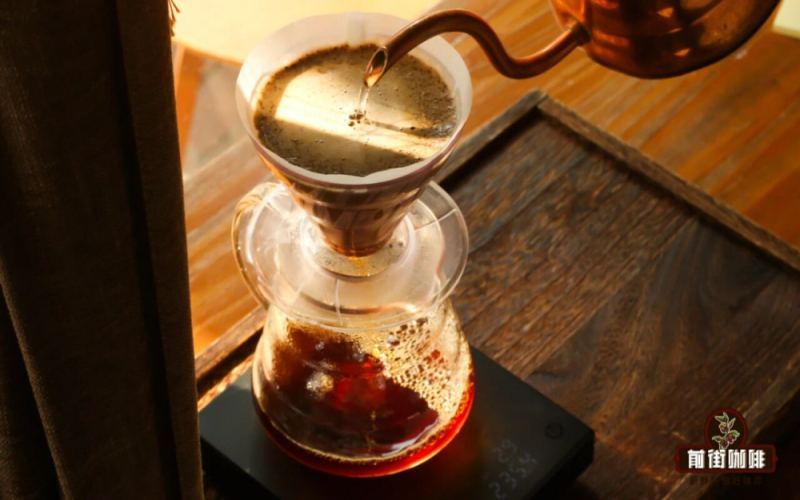
The Extraction Differences Between French Press and Pour-Over Coffee, and a Complete Step-by-Step Practical Guide to Brewing with a French Press
Although both the French press and pour-over can brew a good cup of coffee, their extraction principles are completely different. Pour-over is a drip-style dynamic extraction: after the water contacts the coffee grounds, it passes through the paper filter, producing a clean cup with clear layers. The French press, by contrast, relies on immersion extraction, and its metal mesh filter retains the coffee oils, giving it a richer, more full-bodied taste. This article compares the characteristics of the two devices in detail, and, using Front Street Colombia Huila coffee beans as an example, provides a complete demonstration of French press grind size selection, coffee-to-water ratio setting, water temperature control, and brewing steps, helping coffee lovers easily recreate a full-flavored cup of French press coffee at home. [more…]
Analysis of Representative Coffee Bean Varieties in Vietnam: Robusta Flavor Characteristics and a Detailed Guide to Making Drip Coffee with Condensed Milk
Vietnamese coffee has long been a striking calling card of Southeast Asian food culture, and the core that sustains this distinctive flavor is none other than the Robusta bean, which accounts for over ninety percent of Vietnam's total coffee output. After the French introduced coffee to Vietnam, the locals combined the intense bitterness of dark-roasted Robusta with the sweetness of condensed milk, and with the help of the unique drip pot, created a cup of condensed milk coffee with unmistakable character. This article will guide you through the origin and status of Vietnamese Robusta, the structure and extraction principles of the drip pot, and, using Front Street Coffee's practical parameters as an example, present a complete demonstration of the process for making and enjoying a traditional cup of Vietnamese coffee. [more…]
American Coffee Bean Brand Recommendations | How Is an American Coffee Maker Different from an Espresso Machine? Are Espresso Blend Coffee Beans Suitable for American Coffee Makers?
Nowadays, the coffee-drinking culture in China is gradually heating up. Not only are coffee shops opening all over the streets and alleys, but even everyday convenience stores have started offering freshly ground coffee—with just one press of a button, you can get a cup of drip-style Americano. So, is this kind of Americano the same as the Americano we drink in coffee shops? Americano coffee makers use atmospheric pressure extraction. [more…]
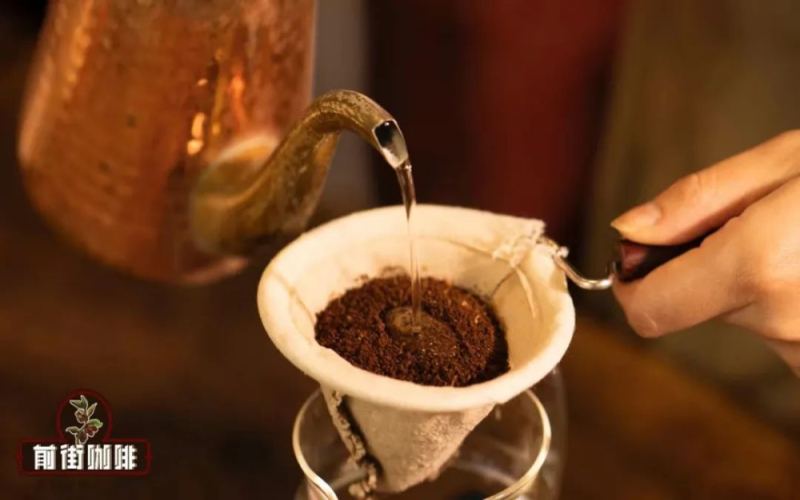
Comparison of the Three Major Japanese Dark Roast Brewing Methods: Principles and Operational Characteristics of Kono Drip, Matsuya-Style, and Volcano Brewing
Deep-roasted coffee beans are known for their rich, mellow bitterness, and the Japanese brewing tradition includes three classic methods designed specifically for such beans: the Kono drip method, the Matsuya-style brewing, and the volcano pour. Though they take different paths, their core goal is the same—to fully unlock the steady, grounded flavors of dark-roasted beans. The Kono method uses drip-style blooming to extend degassing time, the Matsuya style pursues stable extraction through ultra-high pouring and an extra-long bloom, while the volcano pour creates an erupting effect with segmented small-circle pours. All three generally use a higher coffee-to-water ratio, and some require bypass dilution. This article breaks down each method's origins, operating logic, and flavor profile one by one, and explains why these approaches are better suited to dark-roasted beans. [more…]
De'Longhi American Drip Coffee Machine Operation Guide: How Coffee Bean Grind Size Matches Different Extraction Methods
Making coffee at home with an American-style drip machine—have you chosen the right grind size? Front Street Coffee baristas often encounter customers asking for pre-ground coffee powder but unable to clearly explain what equipment they use to brew it. In fact, grind coarseness directly determines the extraction rate and flavor direction. This article will explain in plain language which devices fine, medium, and coarse grinds are suited for, the differences in performance between light-roast and dark-roast beans in drip machines, and demonstrate the operating steps using a Delonghi drip machine as an example. It will also recommend two beans suitable for American-style drip coffee—Front Street sun-dried Red Cherry and Front Street PWN Golden Mandheling—and finally compare the taste differences between espresso diluted with water and drip-style Americano, helping coffee lovers choose the right beans, grind the right powder, and enjoy every cup. [more…]
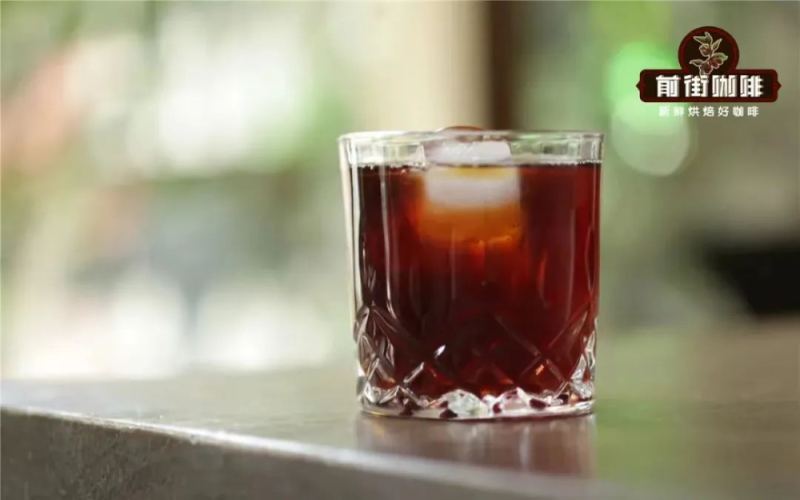
A Complete Analysis of the Flavor Differences Between Cold Brew and Hot Coffee: From Historical Origins to a Guide to Bean Selection and Brewing
In the heat of midsummer, iced coffee becomes a favorite for many, with cold brew and ice drip frequently selling out. But how exactly does cold brew coffee differ in taste from hot coffee? This article, from the perspective of Front Street, traces the historical origins of cold brew coffee, compares its flavor characteristics with those of high-temperature extracted coffee, and takes an in-depth look at selecting coffee beans suitable for making cold brew. Whether you prefer a refreshing floral and fruity profile or are fond of fermented, wine-like notes, you'll find a cold brew solution that suits you here. [more…]
Is the English name for Americano actually Americano or drip coffee? Exploring why there is no Americano in the United States itself.
The "plain coffee" often heard in Hong Kong dramas is actually what we call black coffee. But black coffee is not simply coffee without sugar or milk; according to the brewing method, it can be divided into two major categories: drip pour-over coffee and Americano made with an espresso machine. The former represents the third wave of coffee, while the latter originates from the second wave. What is the connection between the name Americano and the United States? What is the correct way to drink it? From the perspective of a Front Street Coffee barista, this article traces the development history of espresso machines, provides a detailed analysis of the origin of the name Americano, its key preparation points and extraction parameters, and compares the flavor differences between espresso and Americano, helping you gain a more comprehensive understanding of this seemingly simple cup of coffee. [more…]
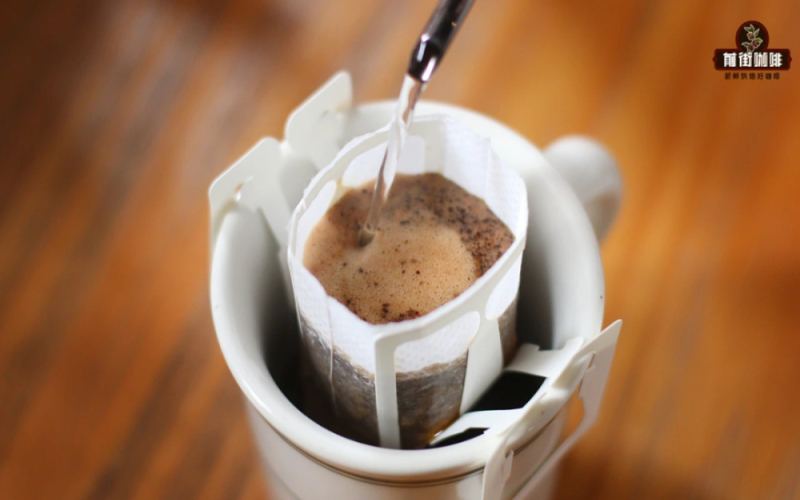
The essential difference between drip bag coffee and instant coffee, the production principle of drip bags, and key points for proper brewing
Drip bag coffee has become deeply embedded in many people's daily lives thanks to its portability, yet misconceptions surrounding its use are quite common. Some people treat it like a tea bag and steep it directly, some use it as if it were instant coffee, and others pour a kettle of hot water in a rush, causing the coffee grounds to overflow. What consequences do these actions actually bring? And how did drip bag coffee evolve from a single-ear design to a double-ear one? This article will start with the origins of drip bag coffee's invention, break down four common incorrect practices one by one, and explain the correct brewing approach. At the same time, it compiles the flavor characteristics of five seasonal drip bag coffees from Front Street Coffee for reference when making a purchase. [more…]