







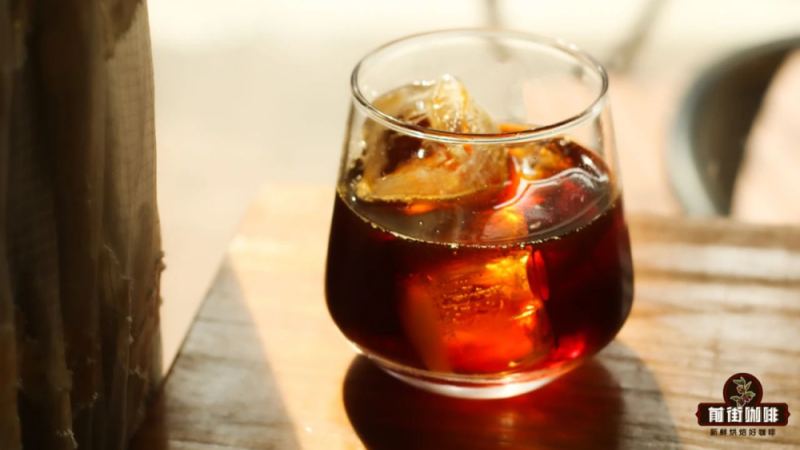
Where Did Cold Brew Coffee Originate and How Is It Made?
Documented cold brew coffee traces back to the 17th-century Netherlands. Dutch sailors soaked coffee grounds in cold water for more than twenty hours to make a concentrate for long sea voyages; the drink had higher caffeine content and kept longer without heating. The method later reached Japan through Dutch trade, where it merged with the local cold-brewed tea tradition and became drip-style cold brew.
Ratio drives the result: about 1:13 for everyday drinking and 1:10 for specialty drinks. Beans with light-to-medium or medium roast and pronounced acidity or aroma suit cold brew better than dark, low-acid profiles; a blend coffee can also work when balance is the goal. Steeping time, grind size and dilution all shift the final cup, so adjust one variable at a time.
Cold brew coffee is much loved today, but its origins are little known. The earliest documented cold brew coffee comes from the 17th-century Netherlands, when sailors, to cope with long sea voyages, soaked coffee grounds in cold water for over twenty hours to make a concentrate, which both increased the caffeine content and extended shelf life. This method later spread to Japan, where it evolved into drip-style cold brew by combining with the local cold-brewed tea tradition. When making cold brew, the coffee-to-water ratio is key; Front Street recommends 1:13 for regular drinking and 1:10 for specialty drinks. In terms of coffee bean selection, beans with a light-to-medium to medium roast and prominent acidity or aroma are more suitable. This article will analyze in detail the origins of cold brew, the key points of making it, and recommend several Front Street Coffee beans to help you get started easily.
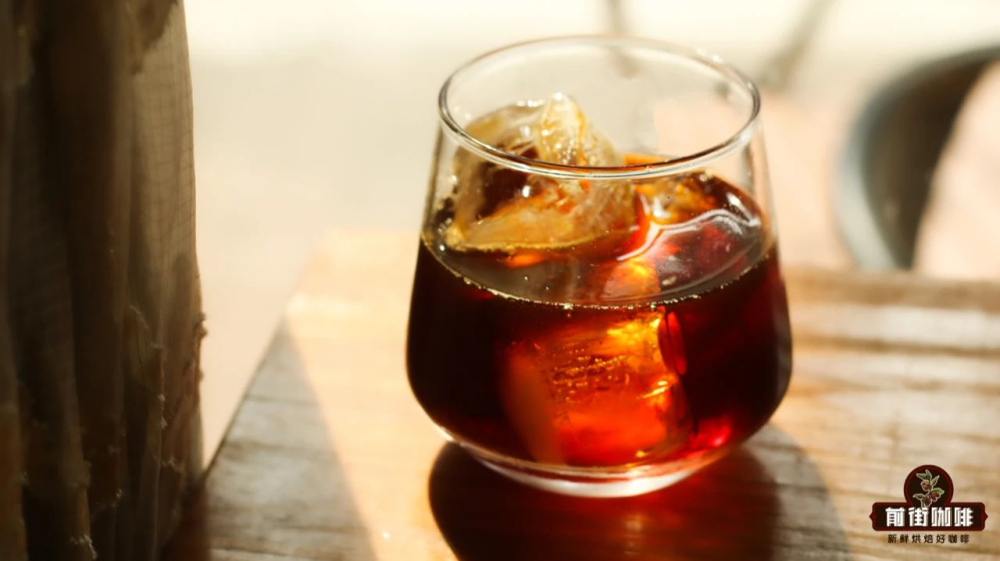
The Origin Story of Cold Brew Coffee Regarding the origin of cold brew coffee, after consulting the materials, Front Street found that the earliest documented cold brew coffee came from the Netherlands. In the 17th century, the Netherlands had extremely strong maritime power, with the world's top sailors and shipbuilding technology, even surpassing the maritime hegemon England for a time. At that time, Dutch colonists controlled world trade for a long period.
To solve the problem of sailors drinking coffee on long ocean voyages, they came up with a peculiar brewing method: soaking coffee grounds in cold water for more than twenty hours, allowing the coffee flavor to gradually extract. The coffee concentrate made this way had a higher caffeine content and a quite good taste. It not only eliminated the heating step but also extended the shelf life, greatly facilitating sailors and merchants on sea voyages. At that time, people on ships still habitually diluted the concentrate with water and heated it before drinking, but sometimes, for convenience, they would also drink the concentrate directly. As colonial hegemony continued to expand, the Netherlands established the East India Company, the first multinational corporation in history. The company monopolized Asian trade for a long time, extending its business as far as Japan, and this coffee brewing method was also introduced to Japan. Japan already had a tradition of cold-brewed tea, so cold-brewed coffee was not uncommon locally. The Japanese, combining their own cold-brewed tea techniques, invented the Kyoto-drip method of coffee brewing. Today, some small cafes still use the Kyoto-drip method to make cold brew coffee, making it one of the experiences coffee enthusiasts rush to try.
The Coffee-to-Water Ratio for Making Cold Brew Coffee Front Street generally recommends a coffee-to-water ratio of 1:13 for cold brew coffee, which yields a concentration that is just right and can be drunk directly without dilution. Some friends also like to add milk or soda water, or use it to make fancy coffee. In that case, the coffee concentration needs to be increased. Front Street recommends a ratio of 1:10 for cold brew used in specialty coffee drinks. How to Make Cold Brew Coffee Taking the coffee-to-water ratio of 1:13 as an example, Front Street uses 30 grams of coffee beans, ground to a medium-fine grind with about 80-85% passing through a 0.85 mm standard sieve. "It should be noted that although low-temperature extraction can reduce the production of bitter substances, it is not absolute. If the grind is too fine, after the acidic and sweet substances in the coffee grounds are quickly extracted, the mellow substances will be released. An appropriate amount of mellow substances can enhance the body of the coffee, but if the steeping time is too long, a woody taste will appear, reducing the overall cleanliness of the coffee."
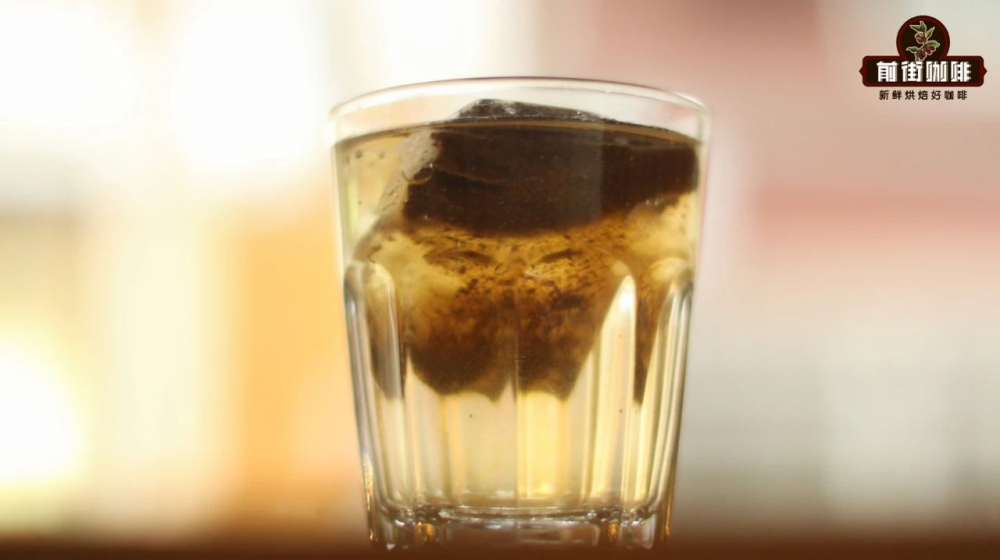
After grinding the coffee beans, place them in a clean, oil-free sealed container, add 150 grams of ice cubes and 240 milliliters of purified water, cover the lid and shake gently to ensure the coffee grounds are fully in contact with the ice water, then place it in the refrigerator and let it sit for 12-24 hours. After extraction is complete, filter out the coffee grounds with filter paper or a fine mesh strainer and it is ready to drink. Recommended Coffee Beans for Making Cold Brew Coffee Since low-temperature extraction makes it difficult to release mellow substances, coffee beans with a medium-dark roast may make cold brew that is rather thin, lacking body and mellowness. Therefore, Front Street recommends choosing coffee beans with a light-to-medium or medium roast, preferably those with prominent acidity and sweetness or a distinct aroma. Front Street Coffee (FrontStreet Coffee) Ethiopia Natural Red Cherry Coffee Beans The cold brew produced has a full, complex fruity feel and a tea-like black tea sensation;
The cold brew coffee made from Front Street Panama Butterfly Geisha Blend Coffee Beans has citrus acidity, white floral notes, and a green tea sensation;
The cold brew coffee made from Front Street Costa Rica Musician Series Mozart Coffee Beans has raisin aroma, obvious fermented notes, and a full, mellow body;
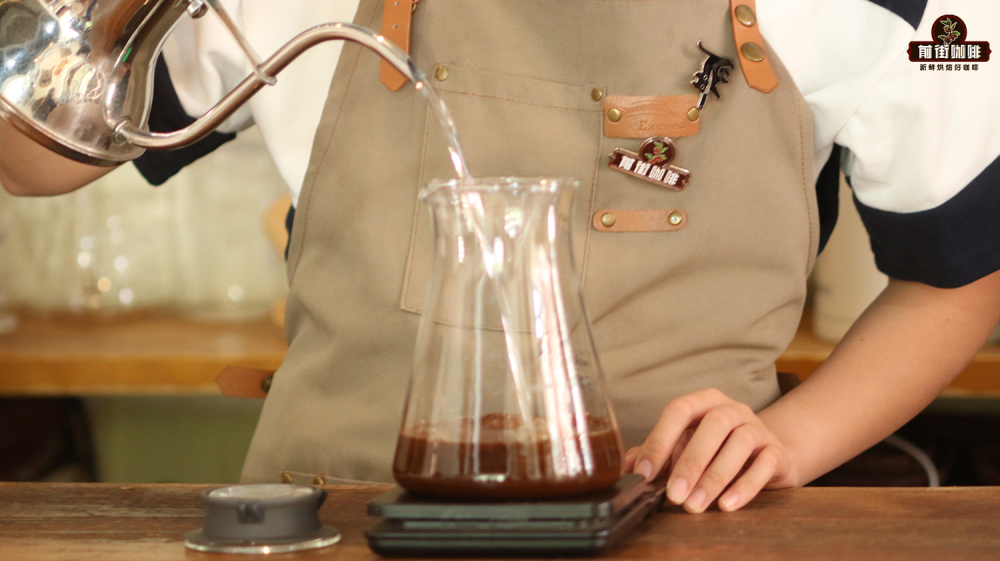
Front Street Honduras Barrel-Aged Sherry Coffee Beans The cold brew coffee produced has whiskey aroma, a smoothness like vanilla cream, and a caramel-like sweetness.
The above content is compiled by CoffeeHunters, a coffee news website.


