







There are many types of coffee, such as: Americano, Espresso, Pour-over, and there is another term: drip coffee. What kind of coffee is that? Actually, the most common drip coffee is pour-over coffee, and pour-over coffee is a type of drip coffee. In fact, the drip method is quite common in offices and homes because it is usually quite simple.
Drip coffee is generally made with a Hong Kong-style drip machine or an American-style drip machine (equivalent to pouring hot water over coffee grounds). Espresso is made with a fully automatic coffee machine or a professional semi-automatic coffee machine using 15-20 bars of pressure, and there is a layer of coffee crema on top.
Drip coffee is a brewing method invented by a German, and Melita coffee pot filter papers are sold everywhere in supermarkets—this is the brand founded by that German back in the day. To put it simply, the drip coffee method involves grinding coffee beans, placing them in a funnel, pouring hot water on top, and due to gravity, the coffee flows out from the bottom. (Traveling in space, where there is no gravity, would make this quite troublesome.) Actually, most coffee machines on the market make coffee this way, just using electricity to heat the water. However, these electric coffee pots have a problem: most products don't have enough power, and the heated water temperature isn't ideal for brewing, so the coffee often comes out with a sour and astringent taste.
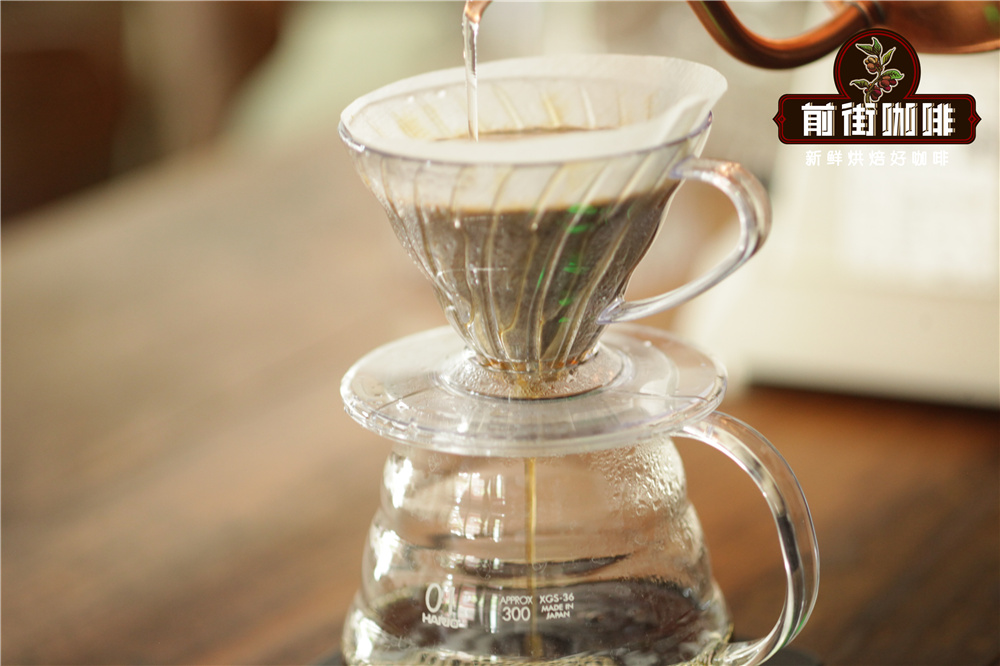
Currently, the most common drip coffee brewing method is pour-over coffee. This type of coffee usually better expresses the subtle and delicate flavors of coffee, so people often use the pour-over method to taste single-origin coffee. Unlike espresso, drip coffee has lower density and concentration, and no layering. Its taste is clean and its quality is consistent. This is because without the influence of pressure, hot water can more fully absorb the coffee oils and aromatic substances, making the coffee taste softer.
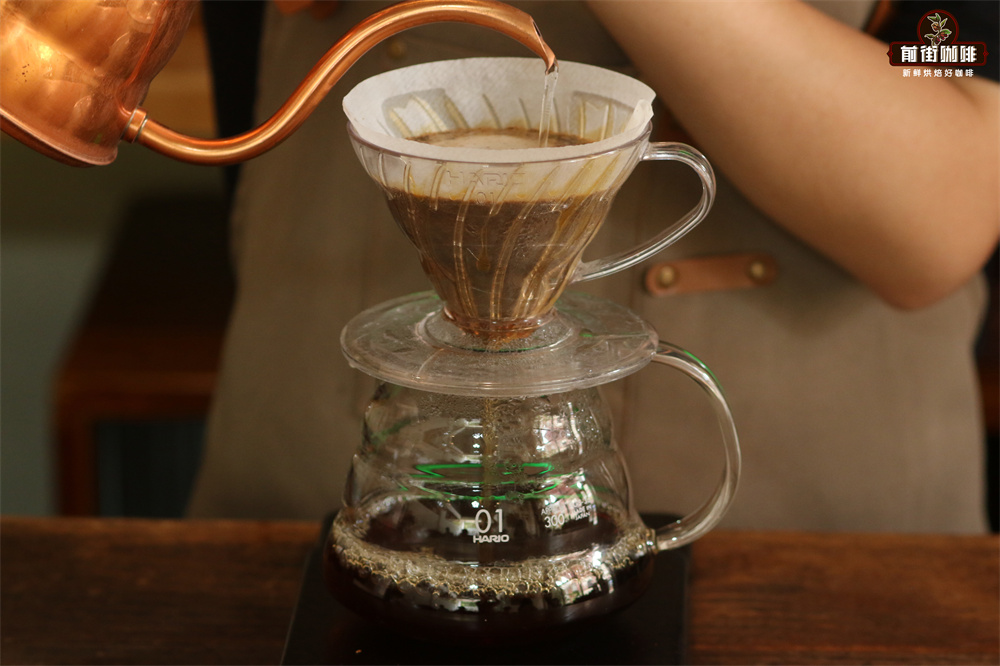
Hand-brewing drip coffee is also very simple and costs very little. A good coffee grinder that can grind coffee beans into fairly even grounds, a kettle that can boil water, and something to filter the coffee grounds with—that's all you need. There are many types of filters; some use filter paper, some don't. Filter paper is somewhat controversial. Some people think coffee filtered with paper tastes cleaner, while using a mesh filter often lets coffee grounds into the cup, which is unpleasant. Some people think filter paper filters out the aromatic oils in the coffee, and there's also the unpleasant papery taste. But these taste disputes are purely a matter of personal preference. I have no issue with either method.
What is the difference between drip coffee and espresso?
Espresso loses its original flavor only ten seconds after it is made, so people who order this drink usually finish it quickly. The former, on the other hand, retains its flavor for much longer. Many fancy coffee drinks, such as lattes, are made with espresso as the core, but drip coffee cannot be used for that. In terms of serving size, espresso usually comes in single and double shots, meaning just one or two ounces in a cup. But drip coffee comes in small, medium, and large cups. As for the coffee beans used, not all coffee beans can be used for espresso, but beans that can be used for espresso can be used for drip coffee. As for the grind setting, espresso requires a setting of 3, while drip coffee requires 7 or 5, depending on whether the brewing funnel is conical or flat-bottomed.
The ideal brewing water temperature for most coffees is between 88°C and 92°C. Depending on the origin, variety, and roast level of the coffee beans, the best brewing temperature will vary, but it is basically within this range. If the water temperature is too low, the coffee will be under-extracted and taste sour and astringent. If the water temperature is too high, the coffee will be over-extracted and taste bitter.
Light-roasted coffee beans highlight the floral and fruity acidity in the coffee. For Front Street Coffee's medium-dark roasted coffee beans, the water temperature is 88°C; medium-roasted coffee has a relatively balanced flavor with more pronounced nutty notes. Dark-roasted beans emphasize body and chocolate flavors, while medium-light roasted coffee beans use a water temperature of 91°C.
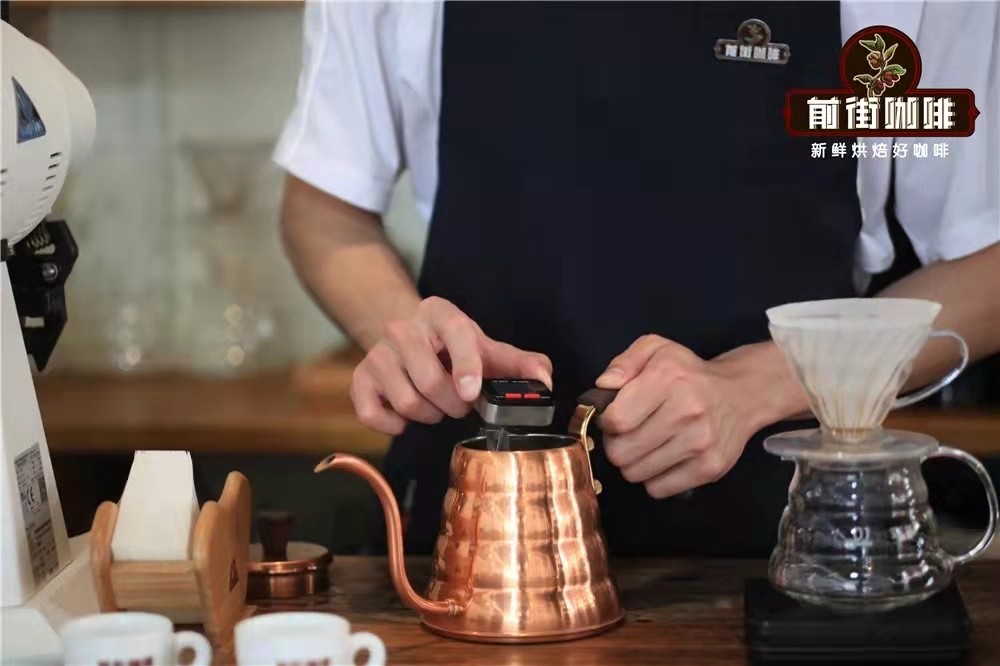
Knowing this principle, if you use an electric coffee pot and the pot has relatively low power, you should try to choose coffee with low acidity and a darker roast for brewing.
Hand-brewing drip coffee is also very simple and costs very little. A good coffee grinder that can grind coffee beans into fairly even grounds, a kettle that can boil water, and something to filter the coffee grounds with—that's all you need. There are many types of filters; some use filter paper, some don't. Filter paper is somewhat controversial. Some people think coffee filtered with paper tastes cleaner, while using a mesh filter often lets coffee grounds into the cup, which is unpleasant. Some people think filter paper filters out the aromatic oils in the coffee, and there's also the unpleasant papery taste. But these taste disputes are purely a matter of personal preference.
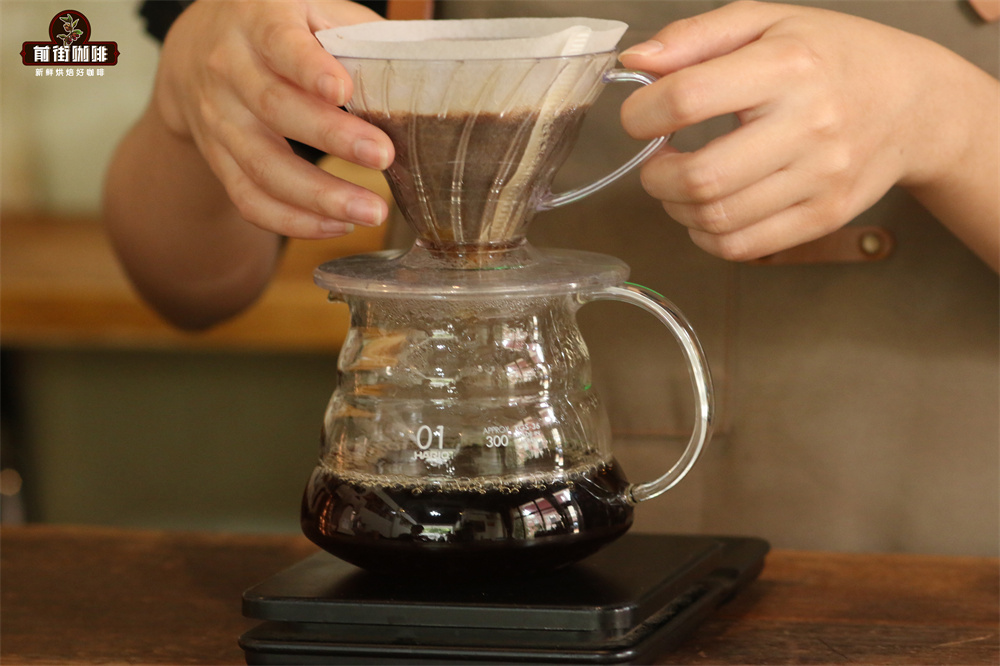
The characteristic of the drip method is continuous extraction through continuous pouring of water. Besides being affected by time, the size and height of the pour are also factors that influence the coffee's taste.
Drip coffee was the coffee that people in most parts of the world, except the Arab region and the Balkan Peninsula, were accustomed to drinking before espresso became popular. This coffee tastes much lighter than espresso, but for beginners, it may be easier to accept. Because espresso is too complicated to make, very few people have mastered it well to this day. So although espresso seems popular all over the world, to this day, more people still drink drip coffee. Especially at home and when making coffee individually, drip coffee is also the most traditional and easiest coffee to make. And it has no layering, a clean taste, and consistent quality. This is because without the influence of pressure, hot water can more fully absorb the coffee oils and aromatic substances, making the coffee taste softer.
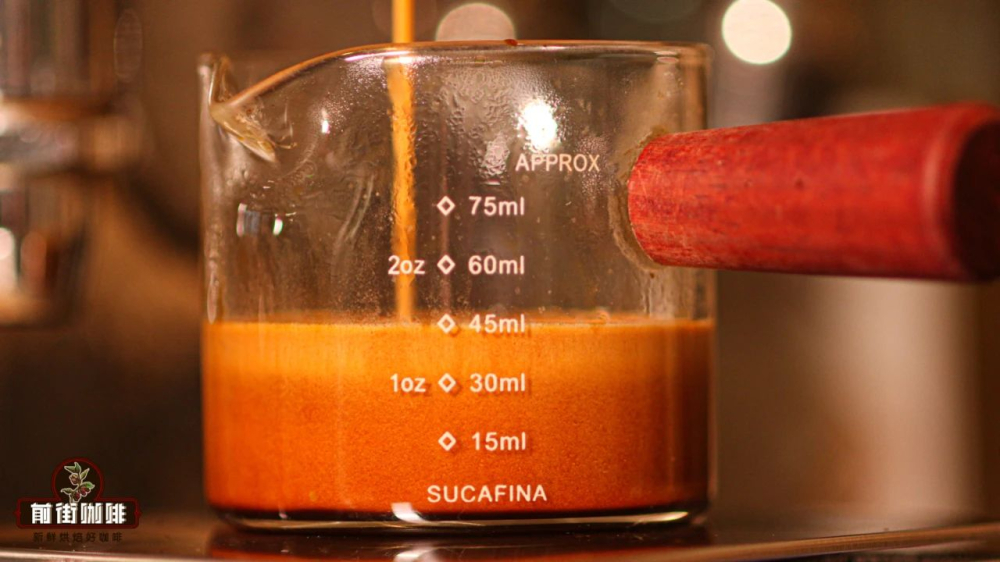
Perhaps this lighter drip coffee is easier for people new to coffee to accept, and it is also a common way to make coffee at home. Of course, the choice between these two coffees also depends on your personal preference. Some people like the silky texture of milk-based coffee, while others prefer the clean taste of drip coffee.
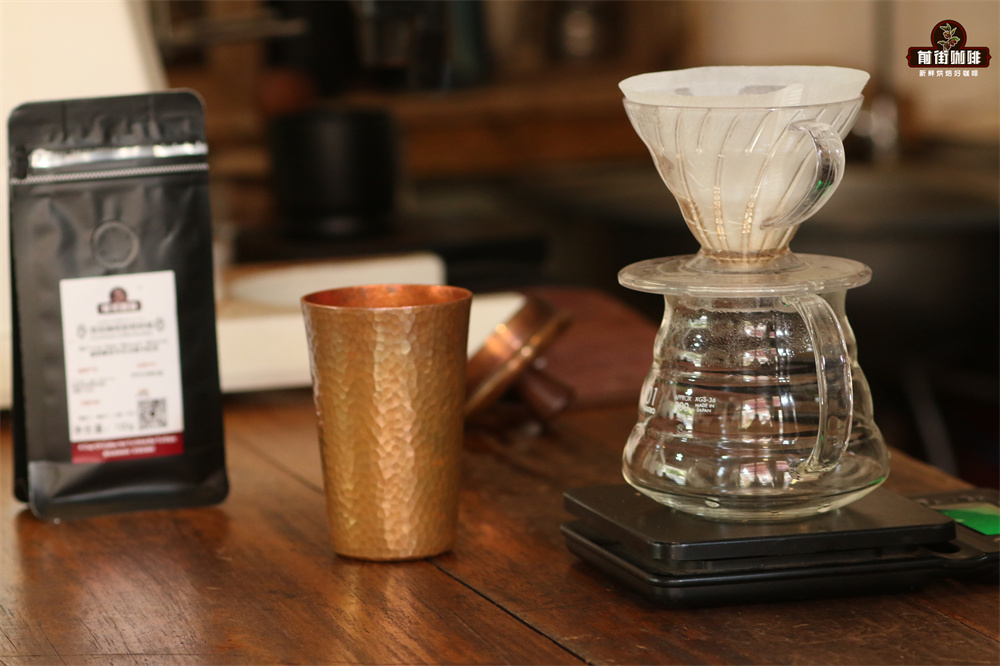
For example: the two cups Front Street uses most often for brewing are the V60 and the KONO cup.
The V60 is very suitable for emphasizing the acidity and floral aroma of coffee. Although it uses filter paper, the V60 can still retain a considerable amount of coffee oils and preserve body. For example: Front Street Ethiopia coffee, Front Street Kenya coffee, Front Street Panama Geisha coffee, etc.
Parameters for Front Street Sidamo Flower Queen coffee:
Front Street Ethiopia Sidamo Flower Queen coffee is light-roasted, and the coffee beans are relatively hard, requiring hot water at 91°C to bring out the floral and fruity notes in the coffee. For grind size, Front Street recommends a medium-fine grind (80% passing through a Chinese standard No. 20 sieve). Too coarse and it cannot extract the rich substances, making the brewed coffee taste thin. Too fine and it is prone to over-extraction at high water temperatures, making the brewed coffee taste bitter and astringent.
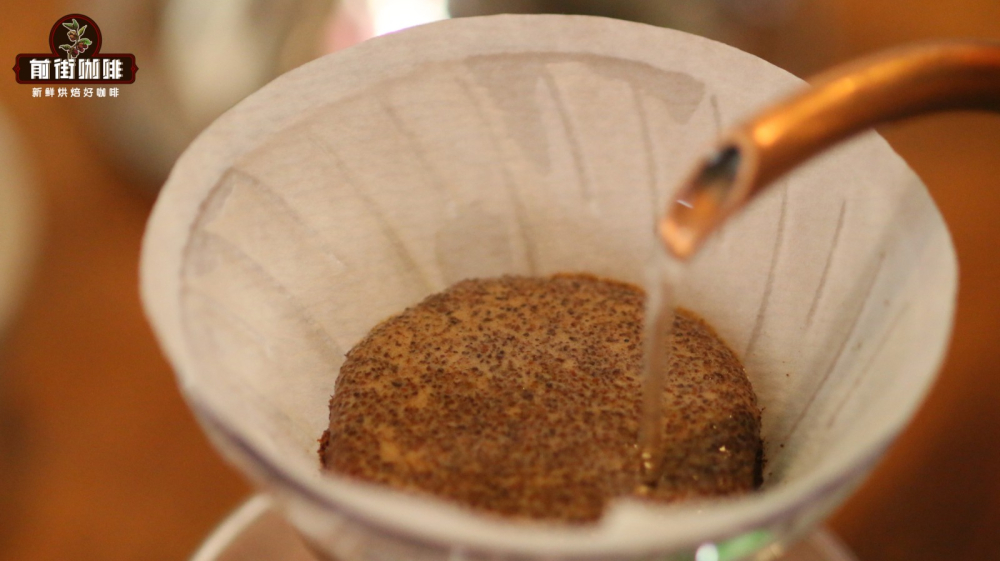
The specific brewing parameters used by Front Street are: V60 dripper, water temperature 91°C, water-to-coffee ratio 1:15, coffee dose 15g, medium-fine grind (80% passing through a Chinese standard No. 20 sieve).
Front Street Coffee (FrontStreet Coffee) staged extraction method: First, use 30g of water to fully wet the coffee bed into a "hamburger" shape and let it bloom for 30s; for the second pour, at 1'00" on the timer, pour water until it reaches 125g, then stop and wait for the water level to drop to 2/3 of the coffee bed before pouring the third stage; for the third stage, at 1'40" on the timer, pour water until it reaches 225g. After the coffee liquid has fully dripped through, the total extraction time is 1'59". The total brewing time is 2'00". After extraction is complete, gently swirl the coffee, and wait until the coffee liquid is fully uniform before tasting.
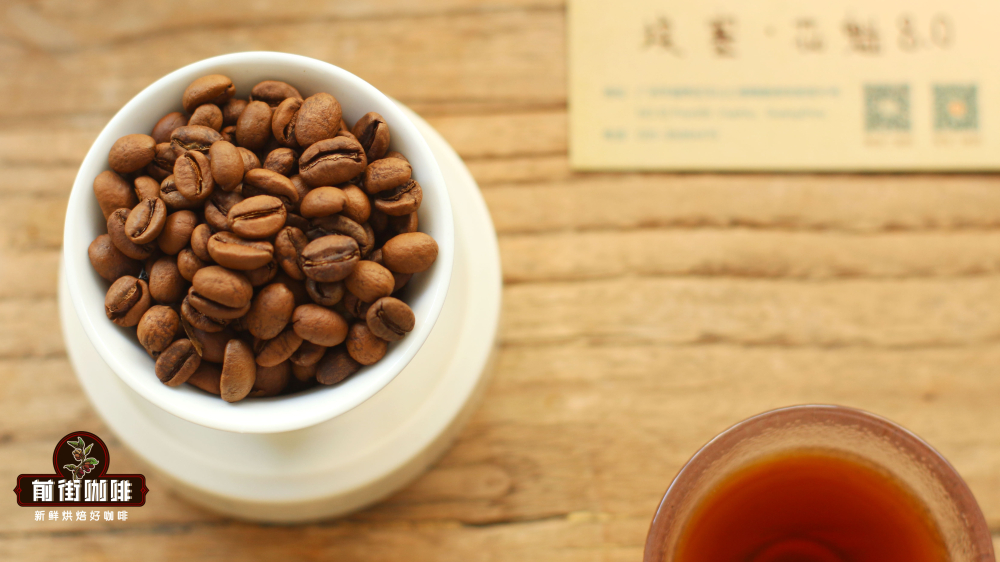
Front Street Sun-Dried Sidamo Flower Queen5.0Coffee flavor: light fermented wine aroma, more pronounced caramel, richer and more complex taste, honey sweetness, cocoa notes with a hint of spice, thick body and long finish.
The KONO cup is very suitable for brewing medium-dark roasted coffee beans and can highlight the rich, smooth taste of the coffee beans. For example: Front Street Blue Mountain coffee, Front Street Mandheling coffee, Front Street Colombia Huila coffee, etc.
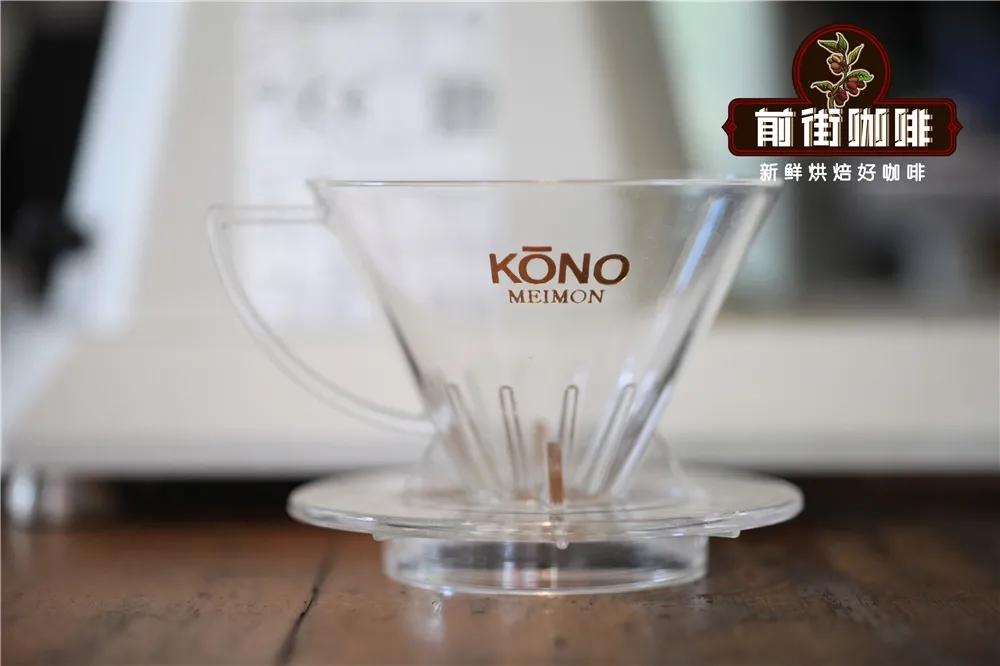
Parameters for Front Street brewing Mandheling coffee:
Front Street uses the KONO dripper to brew Mandheling coffee. The ribs of the KONO stop before reaching half the height of the dripper. This design is actually to ensure that the filter paper clings tightly to the dripper wall after being wet, restricting airflow. This increases the time for the coffee grounds to absorb water, resulting in a more uniform extraction overall and enhancing the rich mouthfeel.
KONO dripper, 88°C water temperature, 1:15 coffee-to-water ratio, 15g coffee grounds, grind size (75% passing through a No. 20 standard sieve), three-stage extraction.
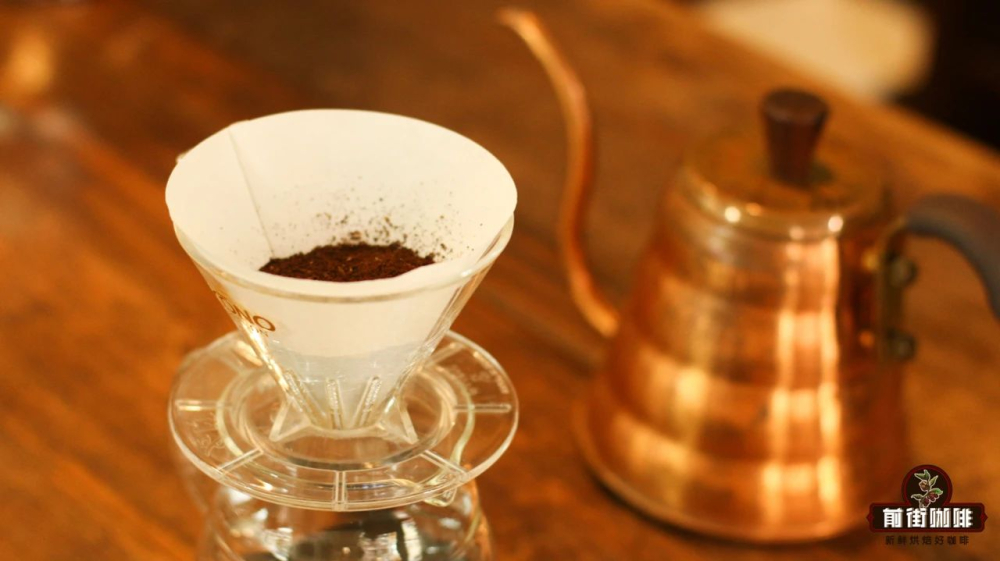
Using staged extraction, bloom with twice the amount of water as the coffee grounds, that is, 30g of water for a 30-second bloom. The reason a blooming process is needed is to allow the coffee grounds to release their internal carbon dioxide gas, thereby making the later stages of extraction more stable. Pour in a small stream in a circular motion until it reaches 125g, then pause; continue pouring until it reaches 225g and stop. After the water in the dripper has dripped through, remove the dripper. Start timing from the beginning of the pour; the extraction time is 2'00". Next, pick up the entire cup of coffee and swirl it to mix evenly, then pour it into a cup for tasting.
[Front Street LindongMandheling CoffeeFlavor Profile] Herbal, chocolate, caramel, relatively balanced overall.
[Front StreetGolden Mandheling CoffeeFlavor Profile] Nuts, spices, herbs, licorice, chocolate, caramel.
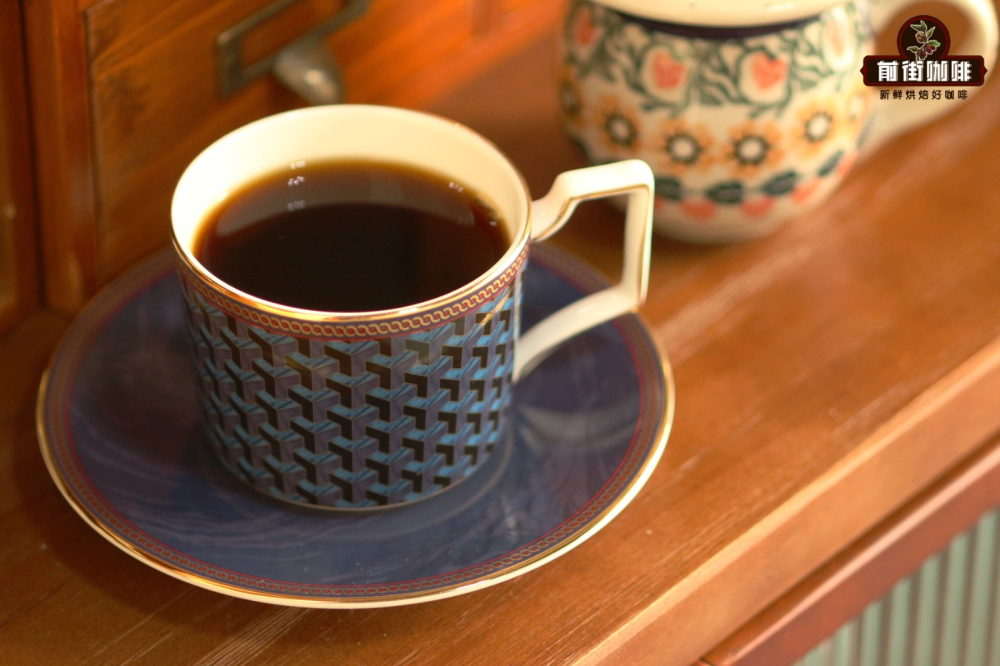
Some people ask, what beans should be used for pour-over coffee to make it taste better? Actually, Front Street believes that all coffee beans can be used for pour-over. As long as it's a coffee flavor you like, pay more attention to the details when brewing, and practice more, you will definitely be able to brew a coffee you like and that suits your taste!
Front Street coffee brewing suggestions:
No matter what kind of coffee you brew, the freshness of the coffee beans is very important. Front Street has always believed that the freshness of coffee beans has a great impact on the flavor of coffee, so the coffee beans shipped by Front Street Coffee (FrontStreet Coffee) are all within 5 days of roasting. Front Street's roasting philosophy is "freshly roasted good coffee," so that every customer who places an order receives the freshest coffee when they get it. The resting period for coffee is about 4-7 days, so when customers receive it, it is at its best flavor.
For friends who need ground coffee, Front Street kindly reminds you: if the coffee beans have been pre-ground, there is no need for further resting, because during transportation, the pressure from carbon dioxide inside the packaging can also make the coffee flavor rounder, so you can brew a cup immediately after receiving the ground coffee. However, ground coffee needs to be brewed promptly, because after contact with air, ground coffee oxidizes relatively quickly, meaning the coffee flavor will dissipate faster and the coffee won't taste as good. Therefore, Front Street recommends buying whole beans and grinding fresh right before brewing, so you can better taste the flavor of the coffee.
Professional coffee knowledge exchange More coffee bean information Please follow Coffee Workshop (WeChat official accountcafe_style )
For more specialty coffee beans, please add the personal WeChat Front Street Coffee (FrontStreet Coffee), WeChat ID:qjcoffeex
The above content is compiled by CoffeeHunters, a coffee news website.


