







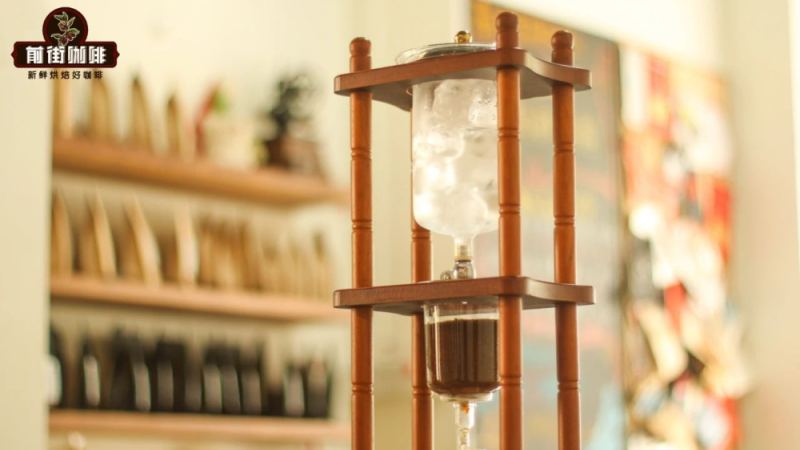
How does ice drop coffee differ from cold brew?
Ice drop coffee and cold brew both extract at low temperature, but the technique separates them. Ice drip coffee lets ice water pass slowly through a bed of coffee grounds over several hours of drip filtration, while cold brew steeps grounds directly in room-temperature water in the refrigerator. Drip filtering versus immersion is the fundamental difference.
The practice traces back to the Dutch during seventeenth-century maritime trade, when a cargo of beans shipped from Batavia made brewing with hot water impractical at sea. In the cup, ice drip coffee tends to be clearer and more aromatic, cold brew rounder and fuller. A light-roast Ethiopian bean brewed both ways shows the contrast.
Both ice drip coffee and cold brew coffee use low-temperature extraction, but one is drip-style and the other is immersion-style. This subtle difference in technique can make the same bean present completely different flavor profiles. From Front Street Coffee's perspective, this article sorts out the historical origins, brewing principles, and tasting differences of the two, and uses a light-roast Ethiopian Santa Vini bean to make cold brew and ice drip separately for comparison, helping you understand their respective characteristics and find the cup that better suits your taste.
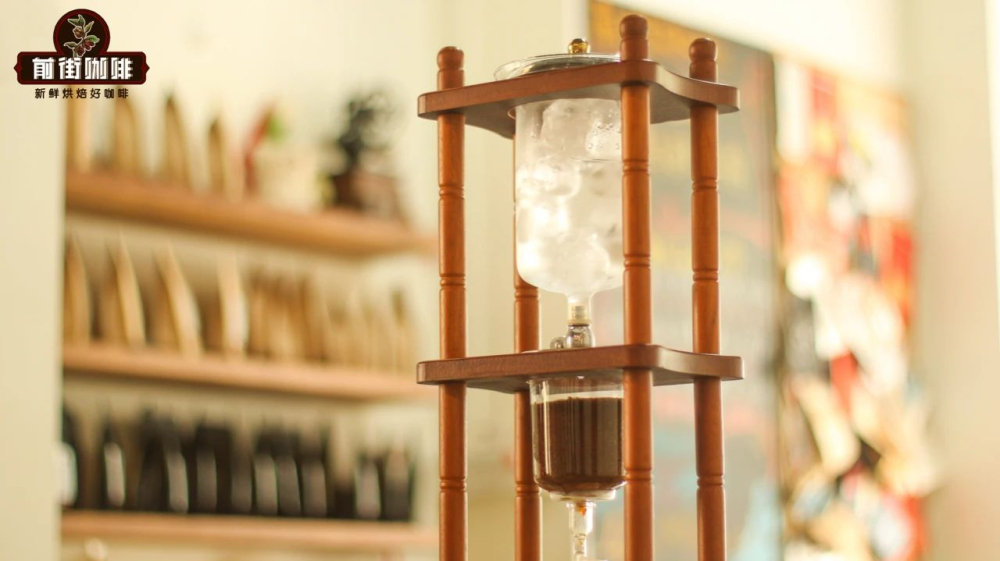
Ice drip coffee, also called water drop coffee or ice-brewed coffee, is essentially a way of making coffee by using ice to extract the coffee. Because the entire extraction process is very slow and usually lasts several hours, ice drip coffee is often priced relatively high in cafés.
Whenever the shop's ice drip coffee sells out, customers always ask whether there is cold brew. Cold brew coffee is another kind of black coffee extracted at low temperature besides ice drip, but there are still some subtle differences between the two. Today Front Street Coffee will talk about exactly how they differ.
The principles are similar, but the methods are different
Ice drop coffee refers to coffee obtained by letting ice water continuously drip through a layer of coffee grounds at room temperature over a long period of drip filtration; cold brew coffee is made by directly mixing room-temperature water with coffee grounds for immersion, then placing it in the refrigerator for a period of time before taking it out. Both belong to low-temperature extraction, and the fundamental difference is that one follows the drip filtration route, while the other follows the immersion route.
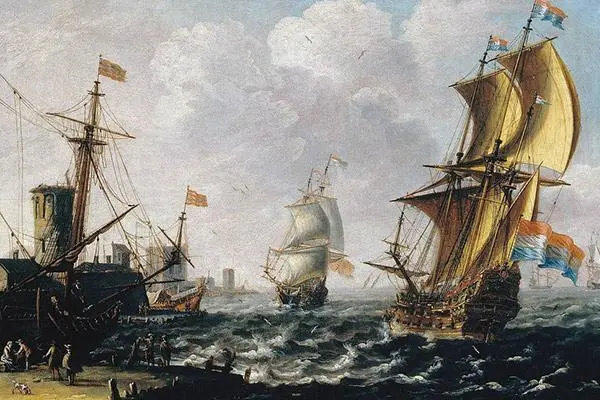
As for the inventors of these two methods, it is now impossible to verify. However, according to research by coffee industry insiders abroad, this low-temperature extraction practice was first figured out by the Dutch during maritime trade.
In the seventeenth century, a cargo ship full of coffee beans set sail from Batavia in Indonesia, then a colony, and these beans were to be transported by Dutch merchants to various places for trade. But during the sea voyage, it was not realistic to brew coffee with hot water at any time. To satisfy their cravings, the Dutch on board tried every possible method and finally came up with the idea of using cold water instead of hot water and letting the coffee grounds soak for a long time, thereby obtaining a more concentrated coffee liquid.

At first they were just trying it out, but unexpectedly the coffee made this way had such a full and rich flavor, and even lacked the bitterness brought by ordinary hot-water brewing. Soon, people became fascinated by this low-temperature extracted coffee.
Afterward, this method spread with the Dutch merchants' trade footsteps to Edo-period Japan, and the Japanese were likewise quickly conquered by this unique coffee. Through years of continuous use, improvement, and adjustment by the Japanese, this cold-water immersion method gradually evolved into drip-style ice drip coffee, which locals also called "Kyoto coffee."
So which one tastes better?
If the same bean is used, the two completely different methods will not change the flavors the bean itself can produce; they will only affect the main characteristics that the cup of coffee ultimately presents. And whether something tastes good is inherently a matter of individual preference, just like choosing bottled water: some prefer Nongfu Spring, while others favor C'estbon, each having their own taste.
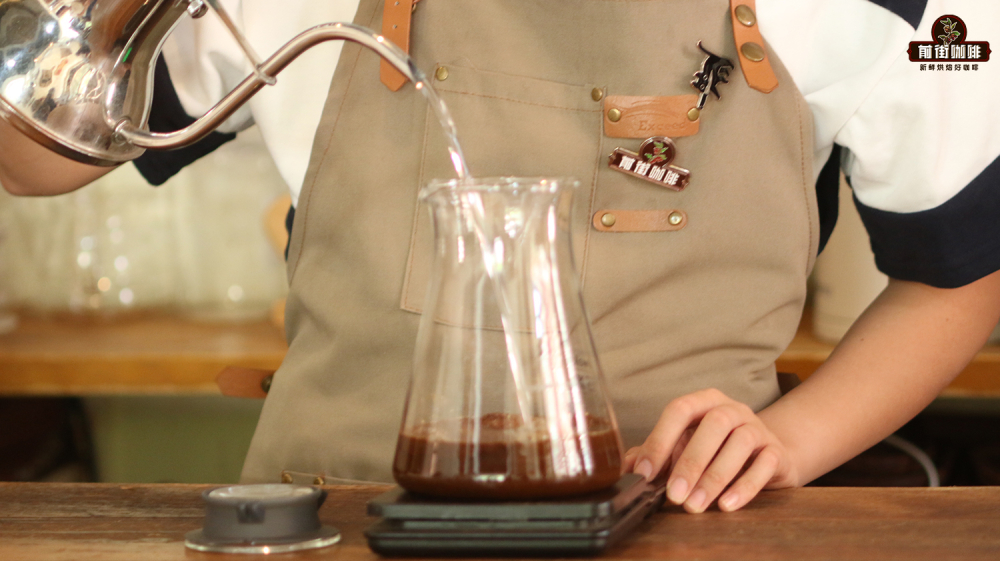
Front Street Coffee selected a light-roast Ethiopian Santa Vini and extracted cold brew and ice drip coffee separately using the same ratio. The cold brew coffee's flavor is closer to the taste of the coffee bean itself, with a full tropical juice sensation and a hint of red wine fermentation. Because there are not many variables affecting extraction, and the water and coffee grounds stay together throughout, its mouthfeel is relatively richer and thicker.
The coffee extracted by ice drip, however, has a very clean mouthfeel because the ice water and coffee grounds are not in contact the whole time. Bright pineapple juice, highly sweet guava, plus a stronger red wine fermentation note obtained after a night of fermentation, with distinct layers.
Although there are differences between the two, in practice they are not especially obvious. If you do not carefully compare and taste them using the same bean, distinguishing cold brew from ice drip still requires some effort.
The above content is compiled by CoffeeHunters, a coffee news website.


