








How does cold brew coffee differ from hot coffee in taste?
Cold brew and hot coffee extract differently, so they taste different. Cold brew soaks grounds in room-temperature or ice water for hours, while hot coffee extracts quickly with heat. The slow cold method pulls fewer bitter compounds, giving a smoother, sweeter cup with less acidity, while hot coffee tends to show brighter floral and fruity notes and more body.
Cold brew traces back to 17th-century Dutch sailors who soaked grounds in cold water on long voyages, producing a bitter-free liquid that stored well; the method later reached Japan, where slow drip ice-drip pots were developed. Bean choice matters too: a coffee bean mixture suited to cold extraction keeps the cup balanced rather than flat. Cold brew can be refrigerated for two to three days, but drip iced coffee is kept under 24 hours.
In the height of summer, iced coffee becomes a favorite for many, with cold brew and ice drip frequently selling out. But what exactly are the taste differences between cold brew coffee and hot coffee? From the perspective of Front Street, this article traces the history of cold brew coffee, compares its flavor characteristics with high-temperature extracted coffee, and delves into the selection of coffee beans suitable for making cold brew. Whether you prefer a refreshing floral and fruity aroma or are fond of fermented wine-like notes, you can find a cold brew solution that suits you here.

As soon as the hot summer arrives, Front Street's iced coffee enters a hot-selling mode, with ice drip and cold brew often sold out. Even when it's freezing outside, many friends still make a special trip to drink iced coffee. Today, Front Street will chat with everyone about the differences in taste between cold brew coffee and hot coffee.
The Origin of Cold Brew Coffee
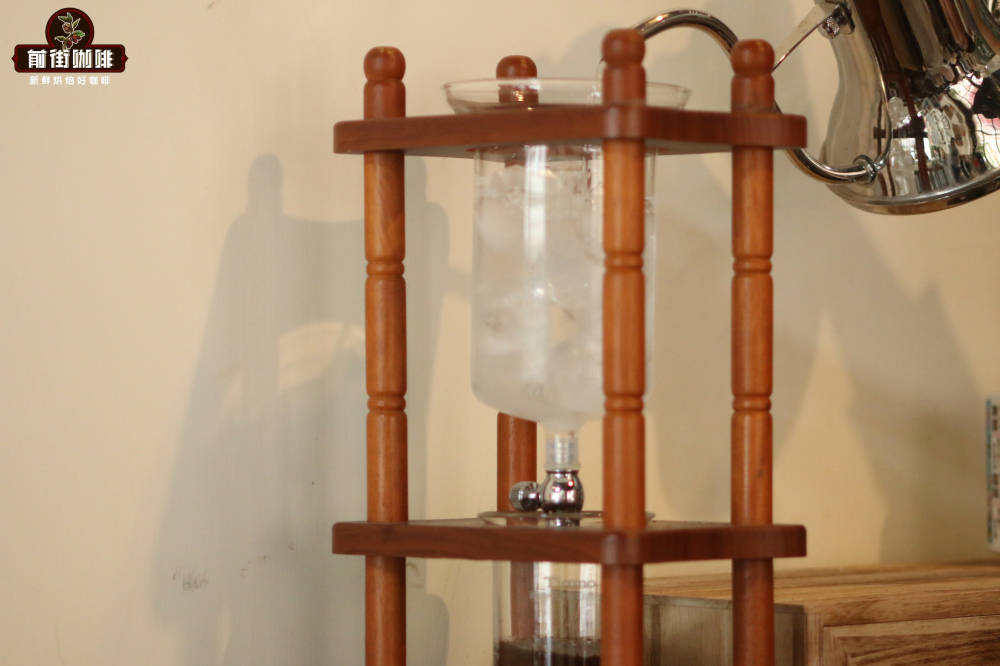
Many people first encounter cold brew because they are curious about the uniquely shaped ice drip pots. Cold brew coffee refers to immersion-style cold brew (Cold Brew Coffee), which is different from drip-style ice drip coffee (Ice Drip Coffee). The cold brew method involves placing room temperature water or an ice-water mixture together with coffee grounds in a container, soaking them in a low-temperature environment for a period of time, and then filtering out the coffee grounds to obtain the coffee liquid. Ice drip, on the other hand, involves letting an ice-water mixture drip at a constant rate through a layer of coffee grounds to collect the coffee liquid. Both belong to the category of low-temperature extraction and are also the most common types of iced coffee in many coffee shops.
According to historical records, cold brew coffee can be traced back to the 17th century. At that time, Dutch sailors, during long ocean voyages, tried soaking coffee grounds in cold water and unexpectedly discovered that the coffee liquid extracted with cold water had no bitterness, and was also convenient for long-term storage and transportation, hence the name "Dutch Coffee." This method of soaking coffee in cold water spread along trade routes to Japan during the Edo period, where the Japanese obtained more aromatic components through slow extraction and subsequently invented the drip-style ice drip coffee pot.
What Are the Taste Characteristics of Cold Brew Coffee?
Coffee beans are essentially seeds, and the oil content of seeds is naturally richer than other parts of the plant. Therefore, regardless of the variety, the darker the roast, the more pronounced the oil is on the bean surface and in the mouthfeel. Lightly roasted coffee has a lighter mouthfeel, strong juice-like qualities, more prominent fruit acidity, and uplifting floral and fruity aromas, smelling quite different from the traditional impression of coffee; dark roasts have a heavy, rich mouthfeel, steady aromas, and smell closer to the familiar "coffee flavor."
Compared with high-temperature extraction methods such as pour-over and espresso, cold brew reduces the release of bitter tannic acid, so neither acidity nor bitterness is prominent, the entry is smooth, and the flavor is clean and clear. The extraction temperature of cold brew is much lower than that of hot coffee, and off-flavors and bitterness are not easily brought out, so the coffee's processing method and roast level are faithfully reflected in the flavor performance. With the cold brew method, aromatic substances stay longer in cold water, and at low temperatures, they can present more natural floral and fruity aromas.
However, small-molecule flavors are more easily lost. Even if the cold brew liquid is stored in a low-temperature refrigerated environment, small-molecule substances such as floral notes will gradually diminish as storage time lengthens. Therefore, Front Street recommends putting the filtered cold brew into an airtight container and storing it for no more than 5 days to avoid flavor loss and bacterial growth.
What Coffee Beans Are Good for Making Delicious Cold Brew Coffee?
Regarding bean selection, Front Street believes you can choose coffee beans with different processing methods or roast levels according to personal preference to make it, but the premise is that the beans must be freshly roasted. After coffee is roasted, it goes through a 4 to 7 day resting period and then enters its optimal flavor period. Once this period is missed, the aroma will accelerate its volatilization, and the flavor and mouthfeel will noticeably decline. To ensure that everyone drinks coffee at its optimal flavor period, Front Street ships beans freshly roasted within 5 days, so that when you receive them, the aroma is at its peak.
Due to its extraction characteristics, cold brew coffee can amplify the wine-like notes, fruit fermentation qualities, and fruit aromas in coffee. If you don't know which bean to choose, you can refer to the several options listed below by Front Street.
"Refreshing Floral and Fruity Type — Front Street Inflorescence TOH Washed Champion Coffee Beans"
This bean comes from the Guji Uraga region of Ethiopia. The soil in this area is fertile black soil, and the coffee beans produced have a rich fruit aroma. The washed processing highlights clear floral and citrus flavors. The cold brew coffee made by Front Street with this bean presents a sweet, refreshing taste like yuzu tea.
"Fermented Wine Aroma Type — Front Street Honduras Lychee Orchid Rum Barrel Coffee Beans"
This Honduras Lychee Orchid is processed using brandy barrel fermentation. The coffee beans have a full-bodied high sweetness of brandy, honey, and lychee, and are very popular when made into iced coffee. Lychee Orchid cold brew coffee has a rich fermented wine aroma, accompanied by the sweetness of honey and cantaloupe.
"Tropical Fruit Type — Front Street Costa Rica Mozart Coffee Beans"
Mozart belongs to the Musician series. This Mozart from Front Street uses a raisin honey processing method, retaining 100% pectin, with zero water processing, highlighting the coffee's rich tropical fruit sweetness and acidity. When made into cold brew coffee, it has a preserved-fruit-like sweetness, berry acidity, and a sugarcane-like sweet aftertaste.
For professional coffee knowledge exchange and more coffee bean information, please follow Coffee Workshop (WeChat public account: cafe_style)
For more specialty coffee beans, please add the private WeChat of Front Street Coffee (FrontStreet Coffee), WeChat ID: qjcoffeex
The above content is compiled by CoffeeHunters, a coffee news website.


