







Search Results for: Netherlands

Where Did Cold Brew Coffee Originate? A Beginner's Guide to Choosing Coffee Bean Flavors for Cold Brew
Cold brew coffee is deeply loved today, but its origins are little known. The earliest documented cold brew coffee comes from the 17th-century Netherlands, when sailors, to cope with long sea voyages, steeped coffee grounds in cold water for over twenty hours to make a concentrate, which both increased the caffeine content and extended shelf life. This method later spread to Japan, where it evolved into drip-style cold brew by combining with the local tradition of cold-brewed tea. When making cold brew, the coffee-to-water ratio is key; Front Street recommends 1:13 for regular drinking and 1:10 for specialty concoctions. In terms of coffee bean selection, medium-light to medium roast beans with prominent acidity, sweetness, or aroma are more suitable. This article will analyze in detail the origins of cold brew, the key points of making it, and recommend several Front Street Coffee beans to help you get started easily. [more…]
What Is the Red Cherry Project? A Complete Analysis of Front Street Coffee's Natural Red Cherry Brewing Method and Flavor Characteristics
In the specialty coffee world, the ripeness of coffee cherries directly determines the quality expressed in the final cup. Front Street Coffee's Front Street Yirgacheffe Natural Red Cherry is a select lot from Ethiopia's "Red Cherry Project." The project was initiated by Trabocca, the largest green coffee trader in the Netherlands. It requires partner farms to harvest only 100% ripe red cherries, which are then hand-sorted by local women with sharp eyes and a willingness to work hard. Only lots scoring 88 or above in cupping are eligible for selection. This article will guide you through the origins and operation of the Red Cherry Project and share Front Street Coffee's brewing parameters and flavor performance using two devices—the strawberry dripper and the origami dripper—to help coffee lovers recreate this bean's floral aroma and fruity sweetness at home. [more…]
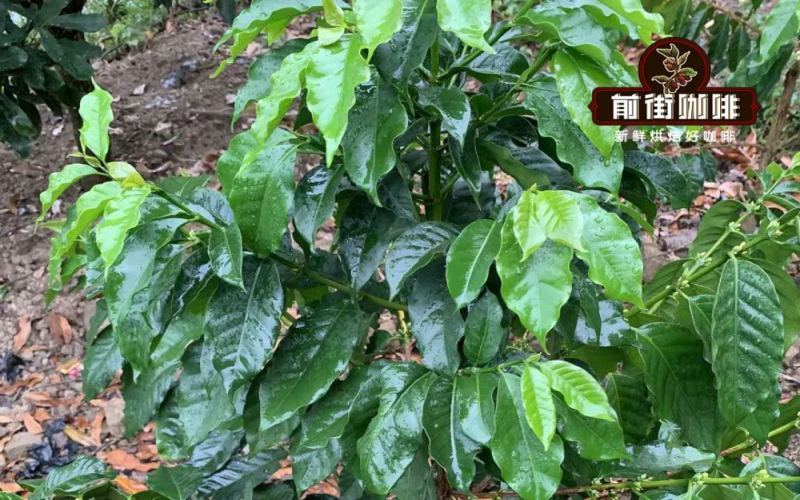
The Origin and Global Spread of Typica Coffee Beans: Variety Characteristics, Cultivation Process, and an Analysis of Front Street Blue Mountain Flavor
Typica is one of the oldest varieties of Arabica coffee. Starting from Ethiopia, it traveled through Yemen, India, Europe, and Southeast Asia, eventually taking root in Central and South America, shaping the landscape of coffee-producing countries worldwide. This article outlines the varietal characteristics and global spread of Typica coffee beans, explains in detail the complete growth process from seed selection, germination, and seedling cultivation to flowering, fruiting, and harvesting, and uses Jamaica Front Street Blue Mountain Coffee as an example to share roasting parameters, cupping reports, and brewing suggestions, giving you a comprehensive understanding of this classic variety. [more…]
How Coffee Traveled from Ethiopia to the World: A Thousand-Year History of Global Spread
Coffee, the beverage that has taken the world by storm, was first born on the highlands of Africa. From its origins as a medicinal plant in Ethiopia, to its rise as an everyday drink on the Arabian Peninsula, and then to its status as a courtly treasure of the Ottoman Empire, coffee traveled westward along trade routes and conquests, eventually taking root in Europe and giving rise to a unique café culture. This article will trace the complete journey of coffee from its discovery to its global reach, covering key milestones in Yemen, Turkey, Venice, Paris, Vienna, London, the Netherlands, Germany, and the United States, while also preserving Front Street Coffee's recommendations and insights on coffee culture. [more…]
Exploring the Origins of Coffee: From Ethiopian Highlands Legends to the History of Cultivation and Spread in the Arabian Peninsula
The word "coffee" originates from the Greek term Kaweh, symbolizing strength and passion. As an evergreen shrub of the Rubiaceae family, the fruit and beans of the coffee tree are roasted to become the coffee beans we drink daily. Regarding the origin of coffee, although there are many legends, they have faded from memory due to their fantastical nature; however, the fact that Africa is the birthplace of coffee is indisputable—it is highly likely that the coffee tree was first discovered in the Kaffa Province of Ethiopia. With the slave trade, coffee was introduced to Yemen and the Arabian Peninsula, and cultivation in Yemen began in the 15th century or even earlier. Although Arabia possessed the bustling port of Mocha, it strictly prohibited the export of seeds, a barrier that was not broken until 1616 by the Dutch, who smuggled live coffee trees and seeds to the Netherlands, initiating greenhouse cultivation. Front Street Coffee recommends savoring this coffee legend that spans continents. [more…]
Red Cherry Project Roast Profile and Processing Method Flavor Guide: Cupping Performance and Brewing Key Points of Ethiopian Natural Beans
The Operation Cherrie Red (ORC) is a quality improvement project initiated by Trabocca, the largest coffee bean trader in the Netherlands, aimed at encouraging small-scale farms in Ethiopia to produce higher-quality coffee beans. Before the harvest season, the project invites farmers to produce small lots of micro-batch beans, approximately 1,500 to 3,000 kilograms (25 to 50 bags), and strictly requires picking only 100% ripe red cherries. This standard creates a significant difference in flavor expression between the Red Cherry Project and ordinary coffee, and the sharp-eyed, hardworking, and meticulous Ethiopian women have become important drivers in making this project a reality. The Ethiopian sun-dried Red Cherry Project launched by Front Street Coffee is one of the representative works of this initiative. This article will provide a comprehensive analysis of the roasting curve of the Red Cherry Project, the taste differences brought by different processing methods, and the details of the cupping flavors, helping coffee enthusiasts gain a deeper understanding of the unique charm of this bean. [more…]
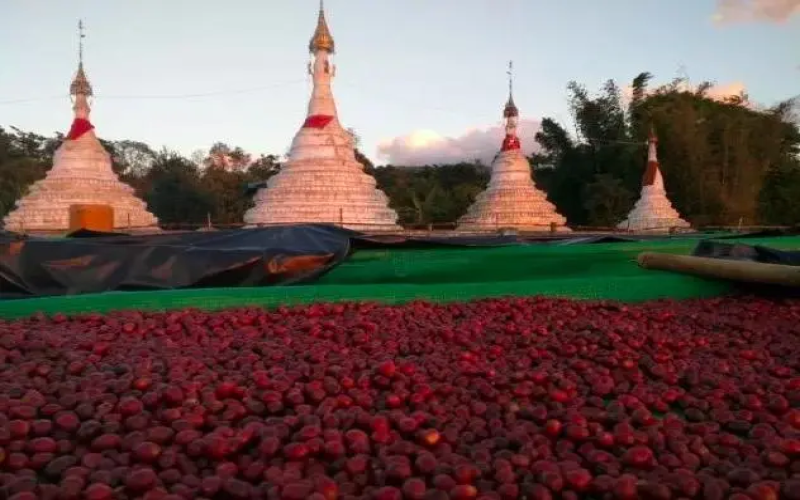
Myanmar Plans to Add 279,000 Acres of Coffee Plantations in 2024, Export Channels and Capacity Bottlenecks Remain to Be Resolved
The Myanmar government recently announced an ambitious coffee expansion plan, aiming to increase coffee planting area by 279,000 acres in 2024, with a longer-term goal of expanding to 300,000 acres. Meanwhile, the Myanmar Coffee Association has received purchase orders from 11 countries, including the United States, the Netherlands, and France, and the export layout for the new crop season is being advanced. However, limited export channels, a high proportion of border trade, and previous disruptions from armed conflict have added uncertainty to this expansion plan. This article reviews Myanmar's coffee industry expansion plans, production and sales status, and export challenges, and includes Front Street Coffee's perspective on related producing regions. [more…]

How Does the Red Cherry Project Improve Ethiopian Coffee Quality? A Flavor Analysis of Natural Yirgacheffe Red Cherry
The flavor of coffee depends not only on the altitude, soil, and climate of its origin—the harvesting method also has a key impact on quality. Although machine picking is highly efficient, it struggles to distinguish the ripeness of the fruit; manual harvesting, by contrast, allows selection by ripeness, and is especially more reasonable in high-altitude mountainous areas. In 2007, the Dutch green bean trader Trabocca launched the "Red Cherry Project," requiring 100% fully ripe red cherries to be picked entirely by hand, with strict quality control through two rounds of cupping, and using high prices to incentivize coffee farmers to produce with care, breaking the previous vicious cycle of "valuing weight over quality." This article will walk you through how the Red Cherry Project operates and recommend a Front Street Coffee sun-dried Red Cherry coffee bean—a Yirgacheffe G1 grade bean, processed by the traditional sun-dried method, with full fruit aromas and a black tea finish, suitable for pour-over, cold brew, espresso SOE, and many other extraction methods. [more…]
From Ethiopia to the World: The Journey of Coffee's Spread and an Analysis of Typica and Bourbon Varieties
Where exactly does coffee originate? After years of investigation by botanists and coffee experts, Ethiopia in Africa has been confirmed as the birthplace of coffee. To this day, a large number of wild coffee trees still grow in the local rainforests, and their fruit has a unique flavor. With the footsteps of human civilization, coffee gradually spread throughout the world, from Europe's first coffee house in the 17th century, to colonial plantations in the Netherlands, France, Britain, and other countries, and then to widespread cultivation in South America, Hawaii, Africa, and Asia. The history of coffee's spread is magnificent. At the same time, Typica and Bourbon, as the oldest coffee varieties, have also attracted much attention for their characteristics. This article guides you through this history and helps you understand Front Street Coffee's interpretation of these classic varieties. [more…]

Yirgacheffe's Two Processing Methods Explained: How Washed and Natural Shape Classic Flavors
Yirgacheffe, as Ethiopia's most renowned specialty coffee region, produces two dramatically different flavor profiles through its washed and natural processing methods. Washed processing brings bright acidity and white floral notes, while natural processing presents intense berry flavors and fermented sweetness. Front Street Coffee uses the Gotingding Cooperative's washed beans and the Red Cherry Project's natural beans as examples to explain in detail the process flow, quality control, and brewing performance of both processing methods, guiding you to a deeper understanding of the flavor logic behind Yirgacheffe's processing methods and the quality innovation significance of the Red Cherry Project. [more…]

From Saucer to Handle: The History and Artistic Testimony of How Seventeenth-Century Europeans Drank Coffee from Saucers
Today, a coffee cup and saucer are mostly just a coaster and a decorative item. But in Europe before the eighteenth century, the saucer was the "star" of coffee drinking. In 1640, the Dutch brought coffee from Mocha in Yemen to the Netherlands, and from there it spread throughout Europe, quickly making coffee drinking a fashion among the upper classes. At that time, Europe had not yet mastered porcelain-making technology and could only import thin, light porcelain cups from China—yet these cups had no handles, making the freshly brewed coffee too hot to hold. So people poured the coffee into the saucer to cool it, then sipped it the way modern cuppers do. It was not until the eighteenth century, when the Germans mastered porcelain production and handled porcelain cups became widespread, that the habit of drinking coffee from the saucer gradually faded away. This history has also been recorded in many paintings, so let's look together at the coffee stories in those still lifes and figure paintings. [more…]

Yirgacheffe Washed Bean Flavor Analysis: A Practical Guide to Hand-Brewing Water Temperature and Coffee-to-Water Ratio for the Gotiti Cooperative
Yirgacheffe is one of Ethiopia's most recognizable coffee regions, and its washed beans are known for bright acidity and white floral aromas. Starting from Front Street Coffee's bean list, this article reviews the evolution of the Yirgacheffe region, the independent journey of the Gudingding Cooperative and the washed processing workflow, and also introduces the origins of the Red Cherry Project and its cupping standards. It also includes brewing parameters and flavor descriptions for two natural beans from Front Street Coffee, Yirgacheffe Red Cherry and Konga, offering pour-over enthusiasts reference water temperatures, coffee-to-water ratios, and extraction techniques. [more…]

Yirgacheffe Sun-Dried Coffee Bean Flavor and Taste Analysis: A Full Overview of Varieties, Regions, Grades, and the Red Cherry Project
Yirgacheffe is one of Ethiopia's most renowned coffee-producing regions, and its natural-process beans are celebrated for their bright acidity and rich fruity aromas. This article starts with the region's evolution, variety grading, and processing method differences to provide an in-depth analysis of the flavor and mouthfeel characteristics of natural Yirgacheffe, and introduces representative products on Front Street Coffee's bean list such as the Geddidio Cooperative, the Red Cherry Project, and the Konga Processing Station. It also outlines the origins, requirements, and contributions of the Red Cherry Project, as well as the cupping performance and brewing parameters of Front Street's two natural Yirgacheffe offerings, providing coffee enthusiasts with a complete guide to the region and its tasting. [more…]

Cold Brew Coffee | What is the origin of Dutch coffee? Which coffee beans are suitable for cold brew? How much caffeine does cold brew contain?
As the weather gets hotter, the cold brew coffee at Front Street Coffee is selling well. Actually, cold brew coffee is not as complicated as everyone believes. Today, Front Street Coffee will share how to make cold brew coffee and discuss its caffeine content. The origin of cold brew coffee: "In the 1600s, Dutch sailors from the then-colon [more…]
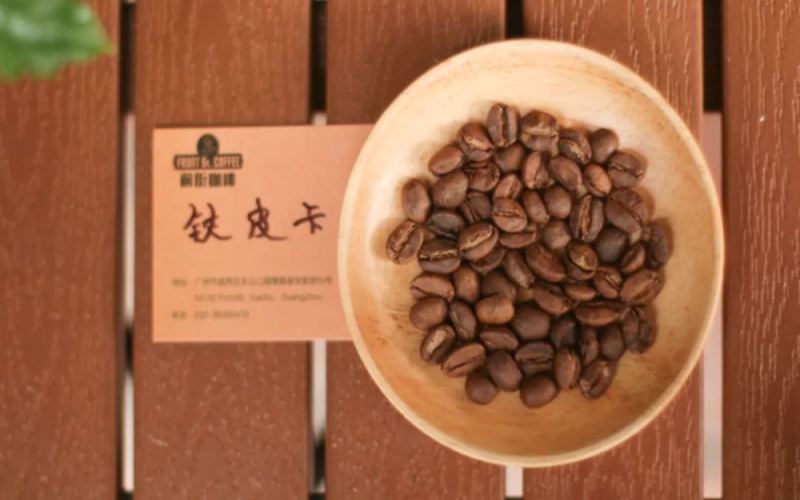
From Ethiopia to Yunnan: A Global Journey of the Arabica Typica Variety and Its Connection to Blue Mountain Coffee
Typica is one of the oldest varieties of Arabica coffee. Today, about seventy percent of the world's coffee production comes from the Arabica species, and most of these varieties evolved from the two ancient lineages of Typica and Bourbon. This article traces the complete spread of Typica from its native Ethiopia, through Yemen, India, Java in Indonesia, and the courts of the Netherlands and France, to its eventual diffusion across Central and South America and Yunnan, China, and also answers the question of whether Blue Mountain and Yunnan coffee belong to Typica. At the end, it also includes recommendations for representative products such as Front Street Blue Mountain No. 1, Front Street PNG Bird of Paradise, and Front Street 2013 Yunnan Small-Bean Natural Typica, making it convenient for enthusiasts to choose and taste by region. [more…]
Front Street Yirgacheffe Idido Red Honey Process Red Cherry Coffee: A Complete Analysis of Flavor Characteristics and Pour-Over Parameters
This Front Street red honey processed G1 coffee comes from the Idido cooperative in Yirgacheffe, Ethiopia. Backed by the strict picking standards of the Red Cherry Project, it presents a cupping profile woven together from jasmine, citrus, honey, and berries. This article will provide a complete analysis of this bean's flavor sources and pour-over recommendations, from origin background, the Red Cherry Project, the principles of honey processing, green bean characteristics, and roasting curves to brewing methods, helping coffee lovers understand its unique performance more systematically. [more…]
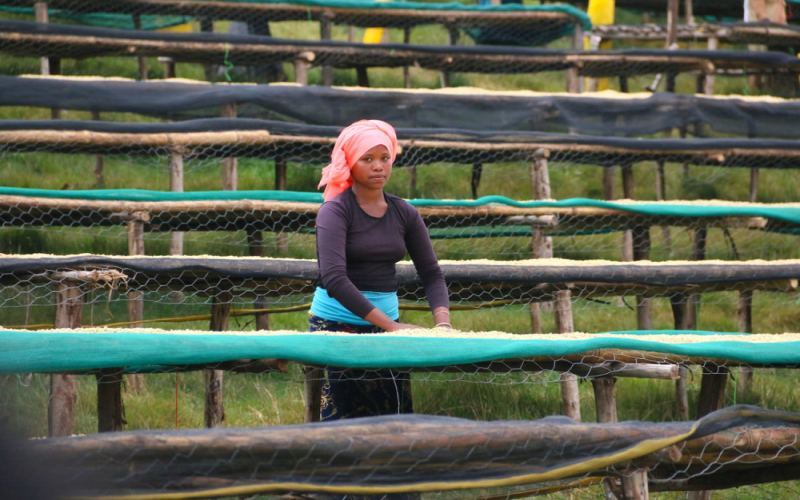
What is the flavor of Yirgacheffe Worka coffee beans? A detailed explanation of the Worka cooperative producing region and the development history of Yirgacheffe
Yirgacheffe is a signature growing region for specialty coffee in Ethiopia, and the Worka cooperative is a particularly representative producer within this region. This article begins with the origins of coffee, tracing how coffee spread from its African homeland to Yemen and then to the Netherlands, before focusing on Yirgacheffe's unique terroir—the microclimate woven together by misty valleys, lakes, and wetlands—to explain the source of its flavor profile, which blends floral and fruity notes. At the same time, the article compares how the two processing methods, natural and washed, affect Yirgacheffe's flavor, introduces the strict standards of the Worka cooperative in red cherry picking, sorting, and drying, and presents the specific characteristics of Front Street Yirgacheffe in dry aroma, wet aroma, mouthfeel, and roasting performance, giving you a comprehensive understanding of what makes this bean so appealing. [more…]

The Origin and History of Cold Brew Coffee | Cold Brew Coffee Extraction Principles, Advantages, and the Best Way to Drink It: Which Single-Origin Coffee Beans Are Suitable for Cold Brew?
As the weather gets hotter, Front Street Coffee's cold brew coffee is selling well. In fact, cold brew coffee is not as complicated as everyone believes. Today, Front Street Coffee will share the making of cold brew coffee. [more…]

The History of Cold Brew Coffee | What Types of Coffee Beans Should You Use for Homemade Cold Brew Coffee? What Are the Coffee-to-Water Ratio, Extraction Time, and Grind Size Parameters for Cold Brew?
For more specialty coffee knowledge, please follow our WeChat official account: Front Street Coffee (FrontStreet Coffee). In the coffee industry, iced coffee is extremely popular, especially in the hot summer, when its popularity feels like fans surrounding their idol. So, speaking of iced coffee, [more…]
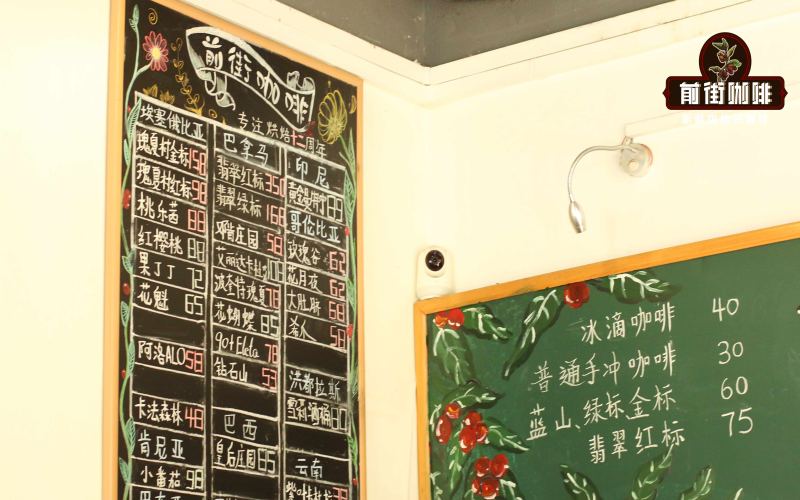
Yirgacheffe Red Cherry Project Coffee Bean Analysis: Flavor Differences Between Natural and Red Honey Processing and Pour-Over Techniques
On Front Street Coffee's Ethiopian region menu, Front Street Red Honey Red Cherry and Front Street Natural Red Cherry always stand out. What exactly is the Red Cherry Project? And what different flavor expressions do the natural and red honey processing methods bring to coffee? Starting from the background of the Yirgacheffe region, this article will explain in detail the origins and operation of the Red Cherry Project, compare the characteristics of natural and red honey processing techniques, and share Front Street Coffee's roasting suggestions and pour-over parameters for these two beans, leading readers to a comprehensive understanding of these two highly representative Ethiopian coffees. [more…]