







Search Results for: does blooming count as one pour
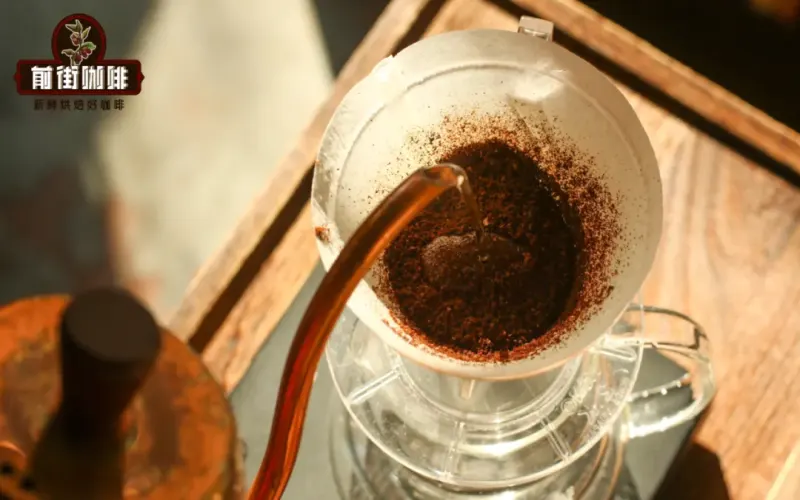
When Does the Bloom Timer Start for Pour-Over Coffee? A Detailed Explanation of Whether the Pouring Phase Counts Toward the Brew Time
Many coffee enthusiasts struggle with a question during pour-over brewing: should the blooming time be counted from the start of pouring water, or from when the pouring ends? Does the bloom count as the first pour of the brewing process? At Front Street Coffee, we perform a blooming step at the start of every brew, because a proper bloom makes it easier to get a delicious cup of coffee. This article starts from the practical function of blooming, explains where the recommendation of 30 seconds and twice the coffee dose in water comes from, and clarifies when to adjust the time and when to adjust the water amount. To figure out the timing and pour-segmentation questions, first understand why blooming exists—and the answer will naturally emerge. [more…]
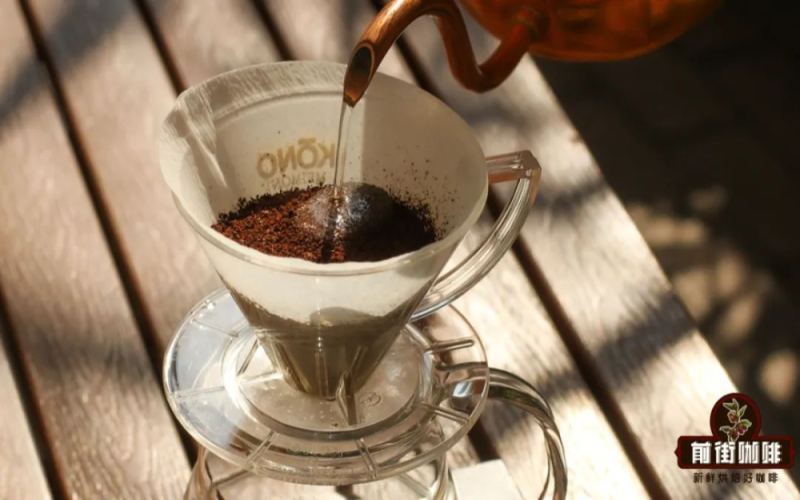
Why Is 30 Seconds the Benchmark for Hand-Pour Blooming? A Detailed Explanation of the Degassing Principle, Timing Judgment, and Whether It Counts Toward the Extraction Phase
Before formally pouring water for pour-over coffee, a small amount of hot water is usually used to wet the coffee grounds and let them sit for a moment. This step is called blooming. Many enthusiasts are familiar with the formula of "twice the water amount, wait 30 seconds," but they do not know where this number comes from, nor are they sure whether blooming counts as a stage of extraction. This article starts with the gases inside coffee beans after roasting, explains why blooming is necessary, how the two parameters of water amount and duration are determined, and what flavor problems insufficient blooming and excessive blooming each bring, helping readers understand that 30 seconds is only a conservative starting point for beginners, and that once skilled, one can judge flexibly based on the state of the coffee bed. [more…]
Brewing Time | The Impact of Pour-Over Coffee Brewing Time on Extraction Flavor: When Does Brewing Time Start Counting?
There are many important parameters in coffee brewing. If you want to enjoy a delicious cup of coffee, you need to precisely control the brewing parameters and follow them as closely as possible during brewing, so that you can have a high probability of getting a tasty cup of coffee. Among these, brewing time is crucial for pour-over coffee. Regarding the coffee dose, [more…]
Does a Single-Origin Blend Count as a Single-Origin Coffee? Flavor Analysis of a Costa Rican Honey-Processed and Panamanian Washed Geisha Blend
Blended coffee beans usually bring to mind cross-regional mixes used to create consistent espresso flavors. But what is little known is that there is also a "single-origin blend"—combining coffee beans of different varieties from the same region or even the same estate. Does this kind of blend count as single-origin coffee? How did Geisha's legendary path from the forests of Ethiopia to fame in Panama influence today's blending practices? This article starts with two Geisha blends from Front Street Coffee, separately exploring the flavor differences between Panama Boquete washed Butterfly and Costa Rica Tarrazu raisin honey-process Mirazu, analyzing how washed and honey processing present Geisha's floral aroma and sweetness differently, and includes V60 brewing parameters and flavor descriptions to give you a comprehensive understanding of the logic and charm of single-origin blends. [more…]

Does Drip Bag Coffee Count as Pour-Over? An In-Depth Analysis of the Flavor Layering Differences Between Drip Bags and Pour-Over
Drip bag coffee is often called a simplified version of pour-over, but can it really achieve the rich flavor layers of pour-over? This article examines the relationship between drip bag coffee and pour-over coffee from the perspectives of equipment, bean varieties, and brewing techniques, and recommends a variety of Front Street Coffee drip bags, covering different styles such as fruity, nutty, full-bodied, and balanced. It also includes detailed drip bag brewing steps and precautions to help coffee lovers easily enjoy a cup of well-layered, excellent coffee. [more…]
Does Jamaican Blue Mountain coffee count as Americano? A detailed explanation of Blue Mountain No. 1's flavor characteristics and pour-over method.
Blue Mountain coffee is one of the world's most recognized top-tier Arabica coffees, famous for its balanced, full-bodied taste. But many people have a question in mind: is Blue Mountain coffee considered American coffee? This article starts with the origin environment of Front Street Jamaican Blue Mountain coffee, outlines the Jamaica Coffee Industry Board's grading system and methods for identifying authentic products, and shares the pour-over parameters and flavor performance of Front Street Blue Mountain No. 1 coffee beans, helping coffee lovers fully understand the true character of this legendary coffee. [more…]
Does Yunnan Arabica Coffee Really Count as Specialty? A Full Analysis of Variety Origins, Flavor Characteristics, and Current Quality Status
Yunnan is the only province in China that grows Arabica coffee, yet in recent years opinions about it have been sharply divided: some find it heavy with an earthy, gamey note, while others who have tried anaerobic natural lots describe it as sweet and fragrant. Behind this divergence lies a history of variety introduction and industrial change. This article begins with the origin of the name "small-bean coffee," then traces how varieties such as Typica and Catimor have shaped the flavor direction of Yunnan coffee, analyzes how far Yunnan coffee still is from specialty-grade quality, and explains how Front Street Coffee showcases the character of Baoshan washed Catimor from Yunnan in its everyday beans and espresso blends. [more…]
Five Common Operational Mistakes in Self-Learning Pour-Over Coffee, Analyzed One by One by Front Street Coffee with Correct Practices
In the process of learning pour-over coffee on their own, many enthusiasts unconsciously develop some not-so-correct operating habits. Front Street Coffee has summarized the five most common misconceptions: the choice of the starting point for bloom timing, imitating baristas in swirling and pouring water, mistakenly believing that a small stream is the most stable, using a large stream to wash down the coffee bed at the end, and removing the dripper before the coffee liquid has finished draining. These practices may each seem reasonable, but in fact they all have a negative impact on the final flavor. This article will analyze the principle behind each misconception one by one, explain why these operations cause problems, and give the correct alternatives recommended by Front Street to help everyone establish more scientific and more stable brewing habits. [more…]
Analysis of the Differences Between Pulsed Pour-Over and One-Pour Method in Hand-Brewed Coffee: Extraction Time, Flushing Efficiency, and Suitable Bean Types
In pour-over coffee, the pouring method after blooming directly affects the final flavor. Is it the "one-pour" method, where all the water is poured at once, or is it divided into two or more stages? These two approaches differ significantly in extraction time, flushing efficiency, and controllability. Staged pouring extends the extraction window, making the release rhythm of sweet, sour, and bitter compounds more controllable, thereby enhancing the coffee's complexity. But more stages isn't necessarily better; in everyday brewing, two to three stages are most common, as they allow flexible adjustment and make it easier to hit the ideal extraction time. This article will compare in detail the differences between the one-pour method and staged pouring, and explain what kind of coffee beans are better suited to staged extraction. [more…]
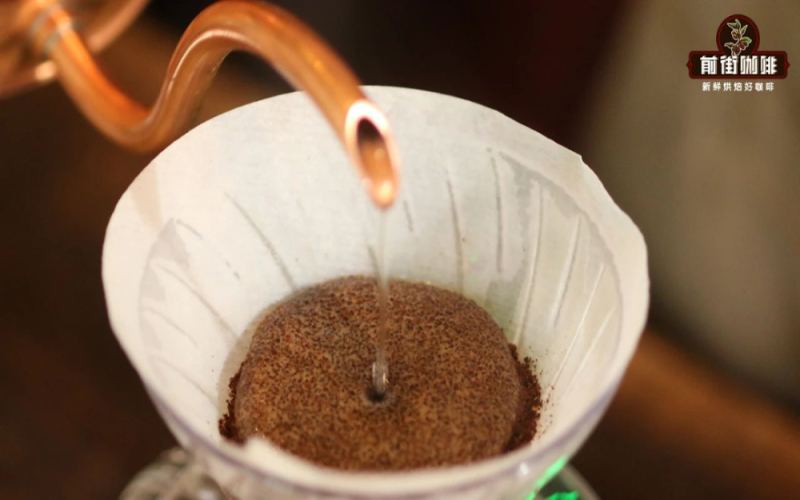
A Complete Guide to Three-Pour Hand-Brewed Coffee: Blooming Techniques, Water Distribution, and V60 Practical Guide
The three-pour method is one of the most classic and highly regarded extraction techniques in pour-over coffee. By splitting the total water volume into three pours and including two interruptions in between, it adjusts the proportion of flavors from the front, middle, and back ends of the coffee. Starting from the principles of staged pouring, this article breaks down the blooming step in detail and the logic behind water distribution for each stage. Using 15 grams of Front Street washed Yirgacheffe with a Hario V60 dripper as an example, it provides a complete demonstration of the three-pour pour-over process and parameter settings, helping coffee enthusiasts master this brewing method that balances harmony and complexity. [more…]
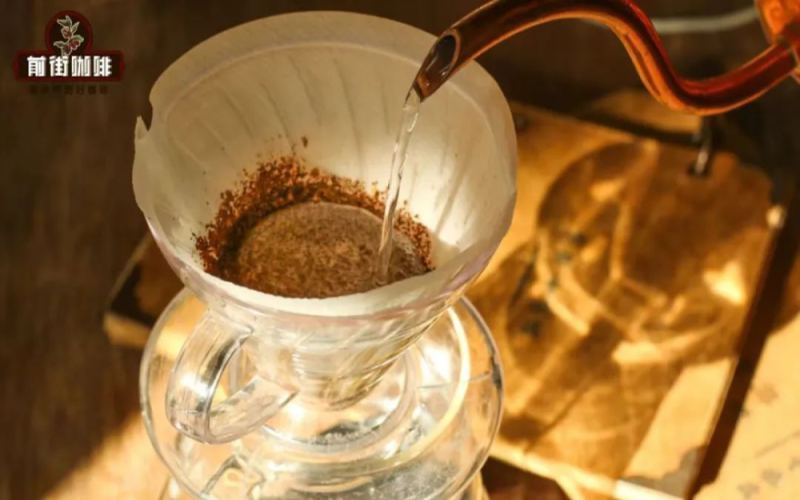
When should espresso extraction timing start? Master the time variable to precisely adjust flavor
The starting point for measuring extraction time may seem like just a matter of a few seconds, but it actually has a profound impact on judging and adjusting coffee flavor. Many coffee enthusiasts are often confused by this in practice: should espresso timing begin when the machine is started, or after the liquid begins to flow? In this article, Front Street Coffee sorts out the correct way to measure extraction time and takes a deeper look at why time is an indispensable part of extraction parameters. From the bloom pour in pour-over brewing to the pressurized permeation in espresso, understanding how time interacts with other parameters can help you quickly pinpoint the problem when the flavor goes off, making every adjustment more purposeful. [more…]
Panama Boquete Geisha Region Analysis: Hand-Brewed Flavor Profile and Brewing Key Points of Butterfly Coffee Beans
The Boquete region of Panama became famous because of Hacienda La Esmeralda's Geisha. Butterfly, as a representative bean that combines Geisha genetics with an affordable price, is composed of 70% Geisha blended with Caturra and Catuai. Starting from Front Street Coffee's recommendation, this article reviews Boquete's microclimate and volcanic soil advantages, explains why Butterfly still counts as a single-origin coffee, and provides specific pour-over parameters and staged extraction techniques to showcase its floral, citrus, berry, and strong sweet-aftertaste flavor profile. [more…]
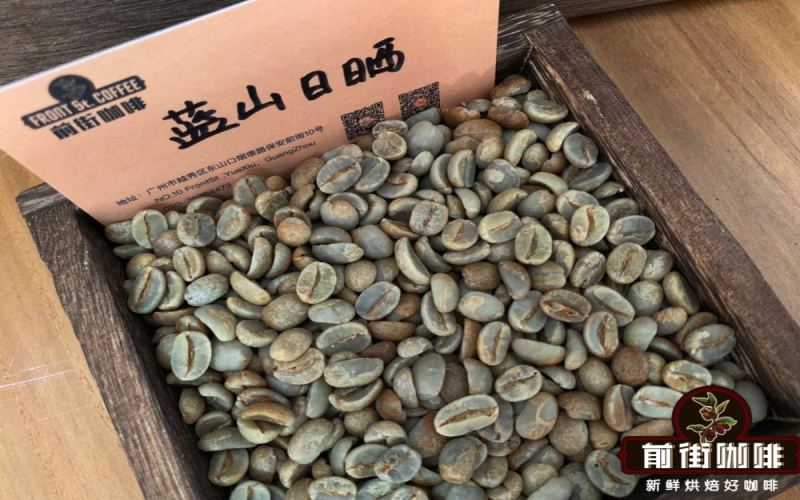
In-Depth Analysis of Clifton Mount Blue Mountain Geisha: Green Bean Grading Rules and Flavor Cupping Comparison
In 2020, the news that Clifton Mount Estate was launching a Blue Mountain Geisha sparked heated discussion in the coffee community: if Geisha is grown in the Blue Mountain region, does it still count as Blue Mountain coffee? This article first introduces readers to the terroir of authentic Blue Mountain, the grading standards from NO.1 to NO.3 and PB peaberry, and the estate's cultivation history and Rainforest Alliance certification; then Front Street Coffee will compare Blue Mountain Geisha and traditional washed Blue Mountain one by one, from variety origin, roasting curve, and cupping performance to V60 brewing, clearly presenting the differences between the two in floral aroma, nuttiness, and body. If you want to understand whether this innovative bean is worth trying, you may find the answer in this article. [more…]
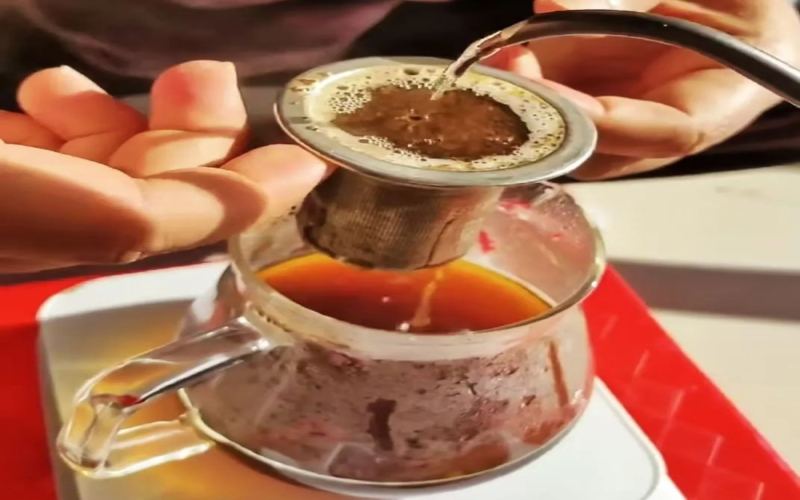
What to Do If You Don't Have a Digital Scale for Pour-Over Coffee? Visual Estimation Tips and Pulsed Pouring Plans for 15g of Grounds
The consistent output of pour-over coffee is inseparable from the precise measurement of an electronic scale, but if you run into the predicament of a broken scale, a dead battery, or simply no alternative tool to be found, does that mean you have to give up on a good cup of coffee? Starting from the two core variables of coffee dose and water volume, this article shares Front Street Coffee's hands-on experience: how to judge 15g or 20g of ground coffee by visually estimating the height of the coffee bed, how to use the dripper's markings as a reference under different roast levels, how to choose a coffee-to-water ratio between 1:14 and 1:16, and a three-stage blind brewing process that requires no scale. Even without equipment, mastering these techniques can still brew a qualified pour-over of about 210ml. [more…]
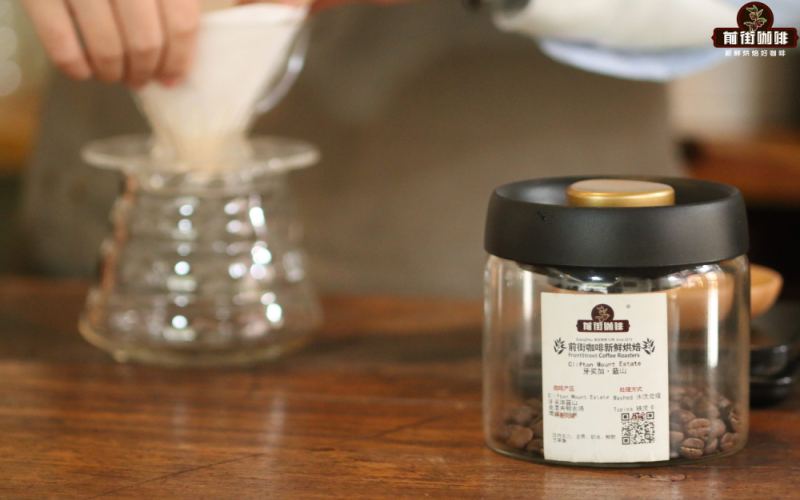
Complete Guide to Hand-Brewing Jamaican Blue Mountain Coffee: Water Temperature Control and Three-Pour Extraction Practical Guide
Blue Mountain coffee is famous for its balanced acidity, sweetness, and bitterness along with a full body, but to truly brew its classic flavor, water temperature, dripper, and pouring rhythm are all indispensable. This article begins with Blue Mountain coffee's origin certification and varietal background, and combines Front Street Coffee's roasting and brewing experience to break down in detail the pour-over parameters for medium-dark roasted Blue Mountain No. 1: 88°C water temperature, Kono Meimon dripper, 15g dose, 1:15 ratio, and the specific technique of pouring in three stages after blooming. It also compares the performance of Blue Mountain Geisha to help coffee lovers understand the flavor boundaries and brewing key points of this legendary bean. [more…]
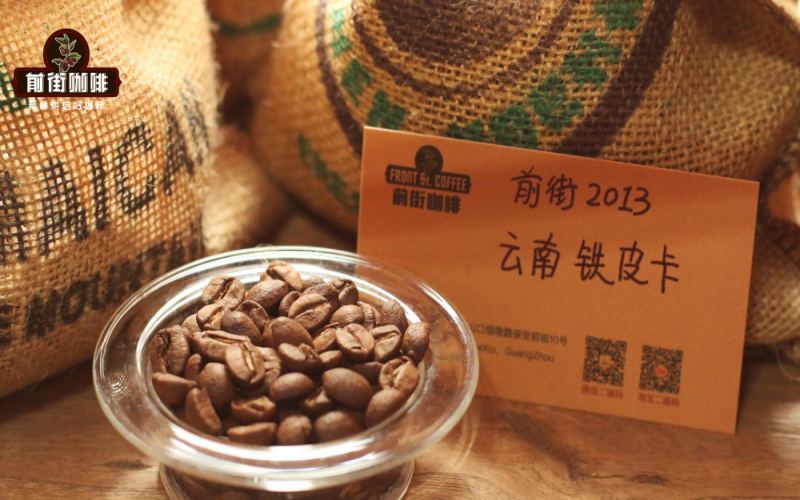
The Origin of the Name "Yunnan Small-Bean Coffee" and an Analysis of Typica and Bourbon Varieties: Can Yunnan Beans Be Considered Specialty Coffee?
Yunnan coffee is already widely known within China, but plenty of questions still surround it: Why is it called "Yunnan small bean"? Does it really count as specialty coffee? And what exactly is the relationship between Typica and Catimor? This article begins with the evolution of varieties, tracing Yunnan coffee's planting transition from Typica to Catimor, introduces Yunnan's main producing regions and grading standards, and combines Front Street Coffee's cultivation practices in Yunnan with brewing suggestions for its sun-dried Typica, helping readers gain a more systematic understanding of Yunnan beans' flavor positioning and quality potential. [more…]
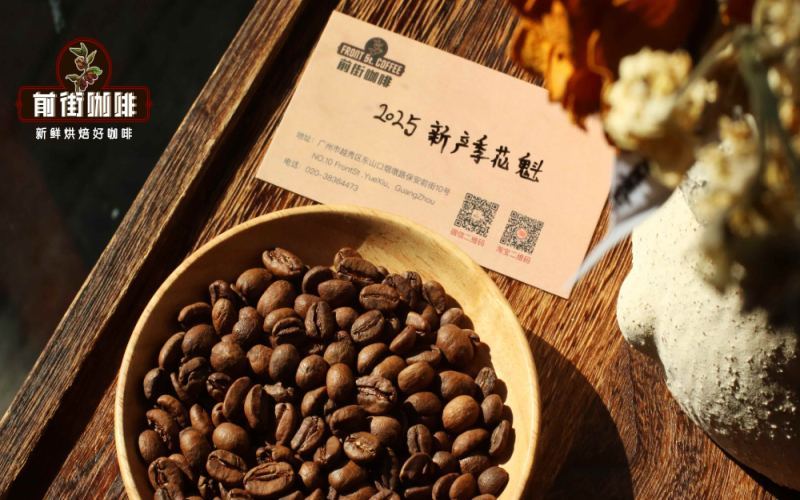
How Is the Ethiopian Sidama G1 Grade Assessed? A Full Analysis of the Relationship Between Huakui Coffee and the Guji Region
Sidamo is one of Ethiopia's most renowned specialty coffee regions, sharing equal fame with Yirgacheffe yet often overshadowed by the latter's halo. Starting from Sidamo's geographical environment and flavor characteristics, this article traces the independent journey of the Guji region, tells the complete story of Huakui coffee from TOH champion to domestic stardom in detail, and provides an in-depth analysis of Ethiopia's green coffee grading system—from the defect bean counting of the CLU era to the ECX's dual-dimensional scoring of physical and cup quality—helping readers understand the true meaning of the G1 grade. It also includes Front Street Coffee's brewing parameter recommendations for the 2025 new-crop Huakui, making it suitable for enthusiasts who want to gain a deeper understanding of the Ethiopian coffee system. [more…]

A Complete Analysis of the Origins of Washed Yirgacheffe Worka and the Grading System of Ethiopian Coffee Beans
Yirgacheffe is the specialty entry choice for many coffee lovers, and the washed lot from the Worka cooperative is one of its most representative examples. This article starts from the Worka G1 cupped by Front Street Coffee, outlining the regional origins of Yirgacheffe and Sidamo, the background of the Worka cooperative, the washed processing flow and the characteristics of Ethiopian native varieties, and systematically explains the Ethiopian Commodity Exchange (ECX) coffee grading system, including the old defect bean ratio grading system, the nine-level classification combining physical characteristics and cup flavor, and the Q1 and Q2 specialty grades. At the end of the article, it also includes the light roast recommendations from Front Street Coffee's roaster, as well as comparative manual brewing tests at three water temperatures: 86°C, 90°C, and 94°C, to help readers find the brewing temperature that best presents Worka's bright fruit acidity and refreshing tea-like feel. [more…]
How is drip bag pour-over different from Americano and filter coffee? A comparative analysis of single-origin SOE flavors
Many people think that Americano is simply espresso diluted with water, but the real American coffee actually originates from the drip coffee culture of the United States. This article starts with the historical origins of American coffee, sorts out the reasons for its popularity in the United States, and traces the origins of the Starbucks-style Americano method. At the same time, it clarifies the similarities and differences between single-origin pour-over, drip bags, and American-style drip machines, and uses Front Street Yirgacheffe Red Cherry beans as an example, comparing SOE Americano and pour-over in two ways to present the differences in flavor, helping coffee lovers more clearly choose the cup that suits them. [more…]
A Complete Guide to Jamaican Blue Mountain No. 1 Coffee Beans: Origin, Estate Analysis, Classic Flavor, and Pour-Over Parameters
Blue Mountain coffee is the classic of classics in the minds of many coffee lovers, and Blue Mountain No. 1 is the highest grade among Jamaican Blue Mountain coffees. Which regions and estates does it actually come from? Why is it so highly sought after despite its high price? This article will cover the historical origins of Blue Mountain coffee, the altitude grading system of Jamaica's producing regions, and methods for identifying raw beans by appearance, all the way to the Clifton Farm Blue Mountain No. 1 sold at Front Street Coffee stores, along with a complete pour-over recipe and flavor description under medium-dark roasting, helping readers gain a comprehensive understanding of this top-tier coffee bean and learn how to tell genuine Blue Mountain coffee from fakes on the market. [more…]