







How do we make coffee: when should the bloom timer start?
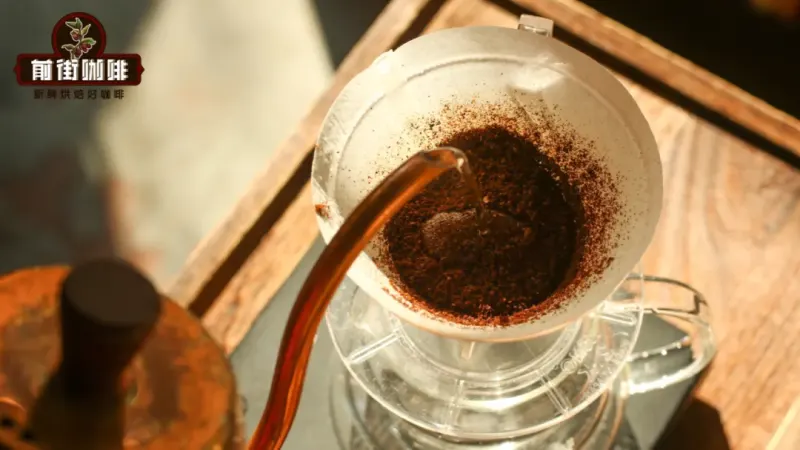
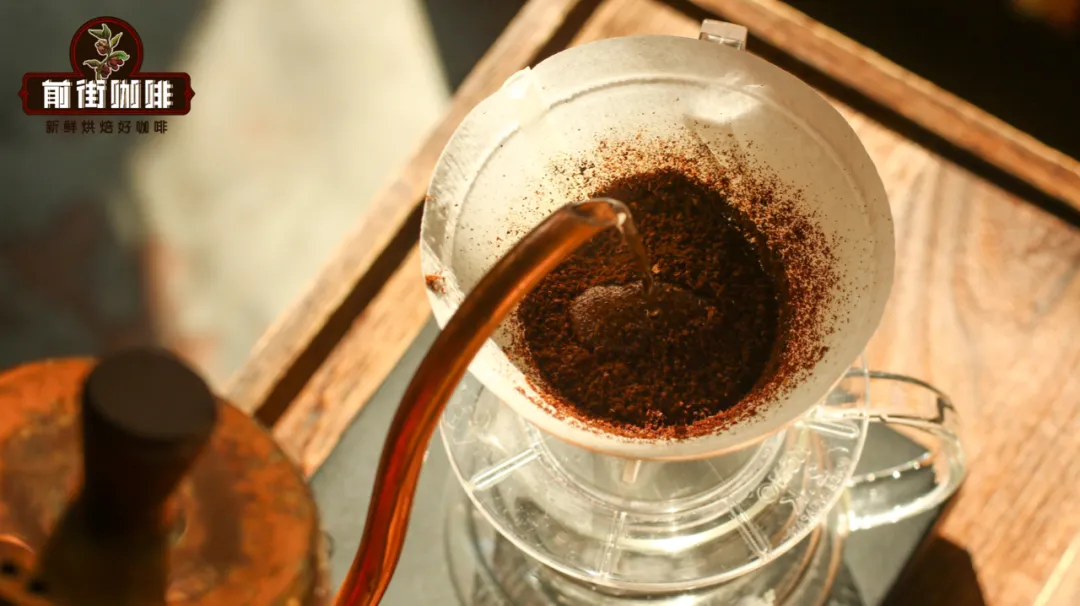
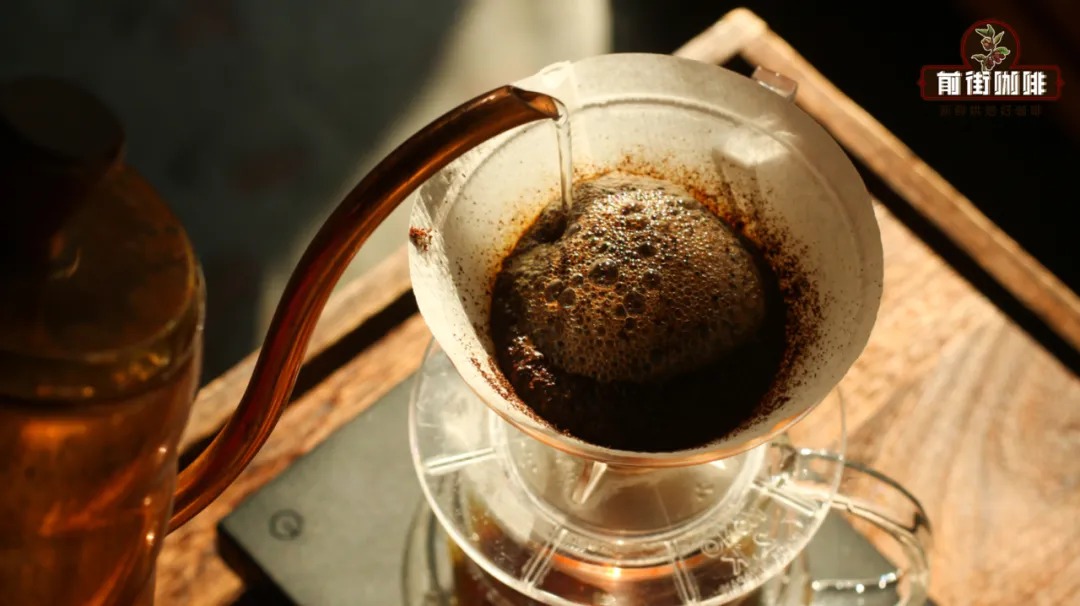
The bloom timer starts when water first touches the coffee grounds, not when pouring ends. That first pour is the bloom itself, so the pouring phase counts toward the brew time. At Front Street, every brew begins with a bloom, since letting grounds release carbon dioxide makes it easier to reach a delicious cup of coffee.
The familiar 30-second bloom and water at twice the coffee weight are starting points, not fixed rules. Changing them is fine, but only after understanding what the bloom does. During how do we make coffee, the bloom mainly lets roasted coffee release carbon dioxide, which otherwise blocks hot water from extracting flavor compounds.
Many coffee enthusiasts struggle with a question during pour-over brewing: does the blooming time start counting from the beginning of pouring water, or from the end of pouring? Does blooming count as the first pour of the brewing process? At Front Street, we always perform a blooming step at the start of every brew, because proper blooming makes it easier to achieve a delicious cup of coffee. This article starts from the practical role of blooming, explains the origins of the recommended 30 seconds and twice-the-coffee-weight water amount, and clarifies when to adjust the time and when to adjust the water amount. To figure out the timing and stage-division questions, first understand why blooming exists—the answer will naturally emerge.
Every time we start brewing at Front Street, there is one step that is bound to appear: blooming. As long as no special circumstances arise, this step remains in the brewing process, because blooming helps us more easily produce a delicious cup of coffee.
Actually, quite a few friends have always had a question in mind: why must the blooming time be 30 seconds, and why must the water amount be twice the weight of the coffee grounds? If the time is extended or shortened a bit, or the water amount increased or decreased a bit, would that really not work
? The answer, of course, is—absolutely it can! The duration and water amount used for blooming are not rigidly fixed to any standard; we can completely decide these values for ourselves. However, before changing the parameters, it is necessary to first understand what blooming actually does and how these two recommended values came about. Only then can you judge when to change the time and when to change the water amount.
The first purpose of blooming: degassing
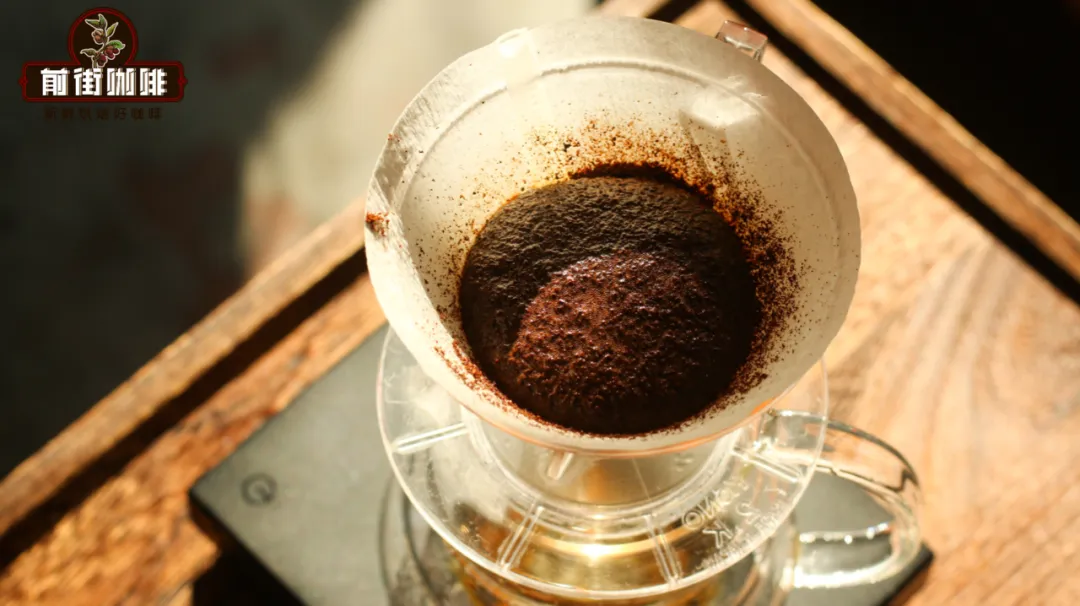
Everyone knows that the core function of blooming is to let the coffee grounds release gas. After coffee beans complete roasting, a large amount of carbon dioxide accumulates inside them. This carbon dioxide has two sides: the good side is that it can slow the rate at which coffee flavor compounds are lost, giving the beans a longer window of peak flavor; the bad side is that during extraction, this gas becomes an obstacle to hot water extracting flavor compounds, like a wall blocking the flavor compounds that the outside wants to obtain.


The above content is compiled by CoffeeHunters, a coffee news website.


