







Arabica Beans and Drip Bag Flavor Layering: Does It Match Pour-Over?
Drip bag coffee is essentially a simplified pour-over: a filter bag holding pre-ground coffee that you steep or pour hot water through by hand. It cannot replicate every variable of a full pour-over setup, but with fresh, well-roasted beans and a controlled coffee-to-water ratio and water temperature, the cup can show clear flavor layers without a dripper or gooseneck kettle.
The flavor depends heavily on the single-origin arabica beans inside the bag. A bright Yirgacheffe reads citrusy and floral, a Brazil Cerrado leans nutty, and a Mandheling comes across deep and full-bodied. Because drip bags expose more surface area to oxygen, freshness matters more than in whole bean form, so bags packed soon after roasting hold their character longest.
Drip bag coffee is often called a simplified version of pour-over, but can it really achieve the same rich flavor layers as pour-over? This article examines the relationship between drip bag coffee and pour-over coffee from the perspectives of equipment, bean varieties, and brewing techniques, and recommends several Front Street Coffee drip bag coffees covering different styles such as fruity acidity, nutty, full-bodied, and balanced. It also includes detailed drip bag brewing steps and precautions to help coffee lovers easily enjoy a cup of well-layered good coffee.
The most prominent advantage of drip bag coffee lies in its low barrier to entry—you can taste rich flavor layers without complex equipment, and its expressiveness can even rival that of pour-over coffee.
Stepping into the world of pour-over coffee is actually not complicated—just prepare coffee grounds, filter paper, a dripper, a gooseneck kettle, and hot water. The common filter bag coffee packet, also known as a drip bag, can essentially be understood as a more simplified version of pour-over coffee. Not only are the equipment requirements low, but the operation is also easy to master—as long as you control the coffee-to-water ratio and ensure the hot water temperature is sufficient, you can make a delicious cup of black coffee anytime, anywhere.
Drip bag coffee has very high requirements for coffee bean quality and freshness. Front Street Coffee is a coffee brand centered on beans. Whether it's drip bag coffee, single-origin beans, or espresso blends, Front Street places great emphasis on freshness, selecting only high-quality coffee beans within 5 days of roasting. Orders are shipped within 24 hours to ensure consumers can taste Front Street drip bag coffee in its ideal flavor state.
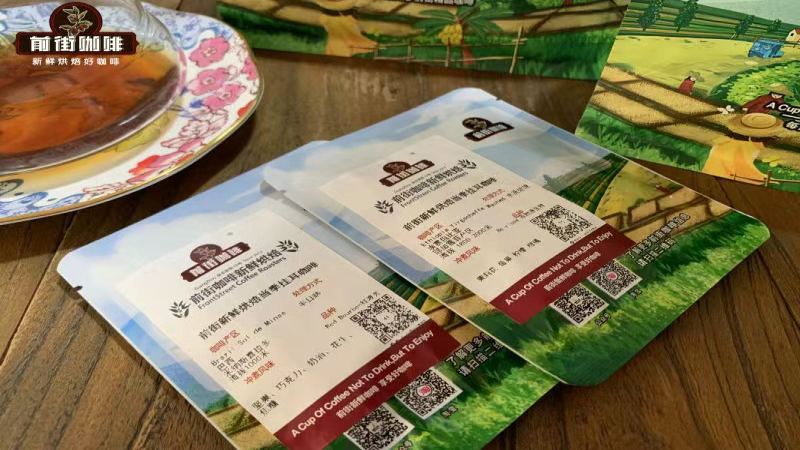
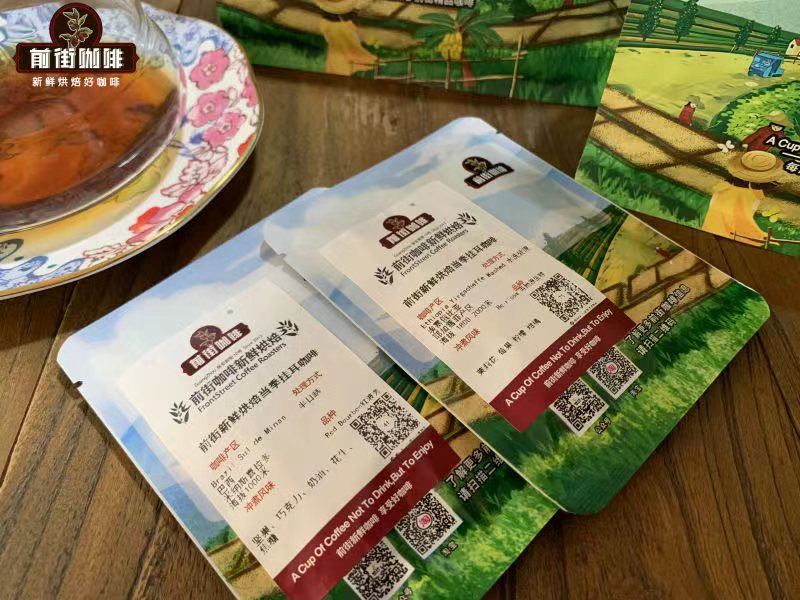
Since drip bag coffee is inspired by pour-over, and the core of pour-over coffee lies in single-origin Arabica beans, drip bag coffee naturally presents different characteristics depending on the style of the single-origin coffee used. For example, the bright acidity of Front Street Yirgacheffe drip bag, the nutty notes of Front Street Brazil Cerrado drip bag, the deep and full-bodied Front Street Mandheling drip bag, and the balanced taste of Front Street Yunnan small-batch drip bag—each has a distinct flavor identity, using coffee beans from the latest harvest season with excellent value for money.
In addition to the four entry-level Front Street seasonal drip bag coffees mentioned above, here are several more selected drip bags worth trying, covering multiple mainstream producing regions with distinctive flavors. Whether you're a beginner or a seasoned enthusiast, you'll find something you like.
If you prefer fresh floral and fruity notes, we recommend Ethiopia's Front Street Gotiti drip bag coffee. This single-origin coffee reaches the highest green bean grade G1, uses traditional washed processing, and is roasted at a medium-light level to highlight floral and fruity aromas. The taste is clean and refreshing, with bright and uplifting acidity centered on citrus, accompanied by jasmine floral notes and a honey finish.
If you enjoy sweet fruity flavors, we recommend Front Street Natural G1 Huakui drip bag coffee. This drip bag uses Front Street Huakui coffee beans from the new harvest season—we cup and list new-season Huakui every year. Through cupping comparison, the new-season Huakui still carries distinct creamy strawberry, citrus, and fermented notes, while also capturing tones reminiscent of mango and honey.
For those seeking a balanced profile, consider the Front Street 2013 Yunnan Small-Batch Typica drip bag. Yunnan's Lincang region is influenced by the warm, moist air currents of the Indian Ocean and the southwest monsoon, resulting in blurred boundaries between the four seasons but distinct dry and wet seasons, abundant rainfall, long sunshine hours, and short frost periods—some areas even frost-free year-round. The three-dimensional climate characteristics are significant and very suitable for Arabica coffee cultivation. Front Street specifically chose the most original Typica variety. However, Typica is known for low yield and poor disease resistance, and Front Street has invested considerable effort in cultivation management. The Front Street 2013 Yunnan Small-Batch drip bag presents soft nutty, chocolate, brown sugar, and dried apricot flavors, with a balance of acidity, sweetness, and bitterness.
If you prefer a non-acidic and full-bodied taste, we recommend purchasing Front Street PWN Golden Mandheling drip bag coffee. This Front Street PWN Golden Mandheling coffee bean is graded at 18 mesh or above, with fewer than 3 defective beans (per 300g green bean sample), belonging to the highest grade G1. The color is darker green, and the shape is neat flat beans. Qualified Golden Mandheling also requires three rounds of manual sorting and one round of machine sorting. Front Street found that Golden Mandheling processed this way not only removes the earthy, muddy flavors characteristic of ordinary Mandheling but also tastes cleaner and more transparent.
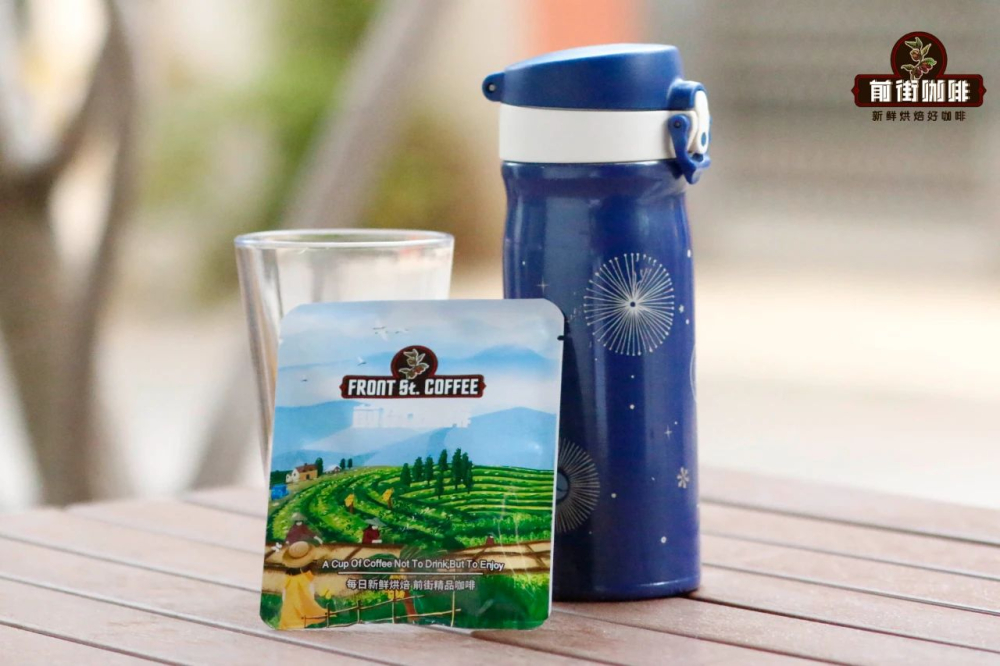
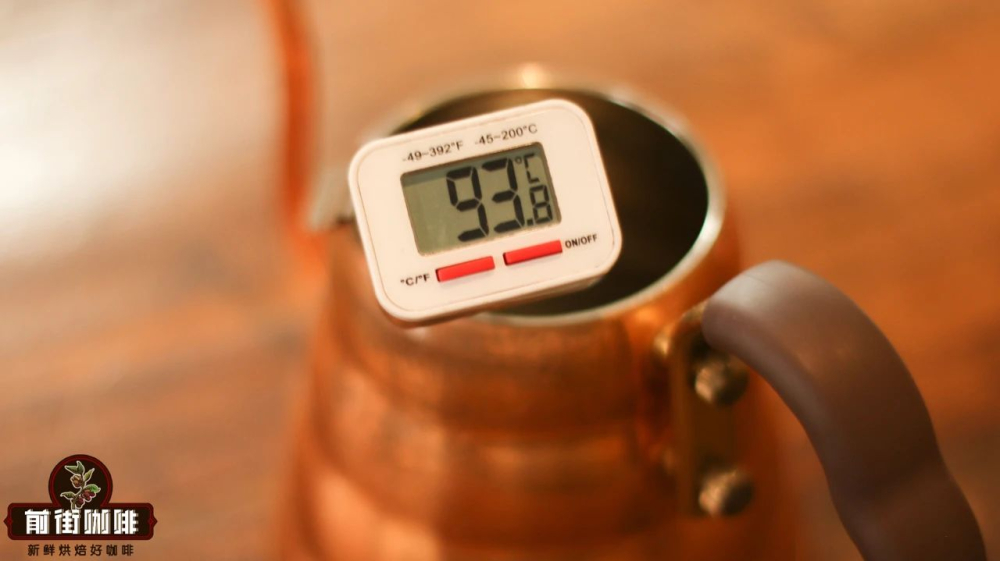
Before brewing drip bag coffee, prepare a packet of fresh Front Street drip bag coffee, hot water, and a tall enough cup.
Step one: preheat the cup, then tear open the outer packaging of the drip bag coffee and take out the coffee filter bag inside.
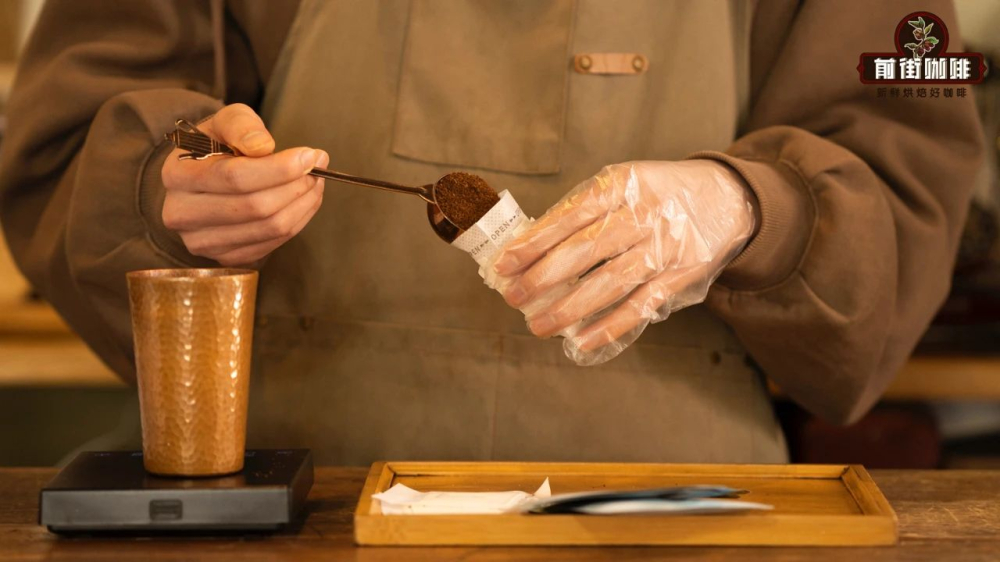
Step two: tear along the "open" mark on the coffee filter bag, and spread the paper tabs on both sides of the drip bag to hang on the cup or pot rim. Note that the cup opening should not be too wide, otherwise the drip bag may not hang securely.
Step three: begin brewing. Each Front Street drip bag contains 10 grams of coffee grounds, with a recommended coffee-to-water ratio of 1:15. First, pour in a small amount of hot water to ensure all coffee grounds are moistened, and let it bloom for 10 to 20 seconds; for the second pour, fill to near the top and wait for the coffee liquid to drop; finally, pour water to the top again. Pour in three stages in total, and once the remaining coffee liquid has filtered through, it's ready to enjoy.
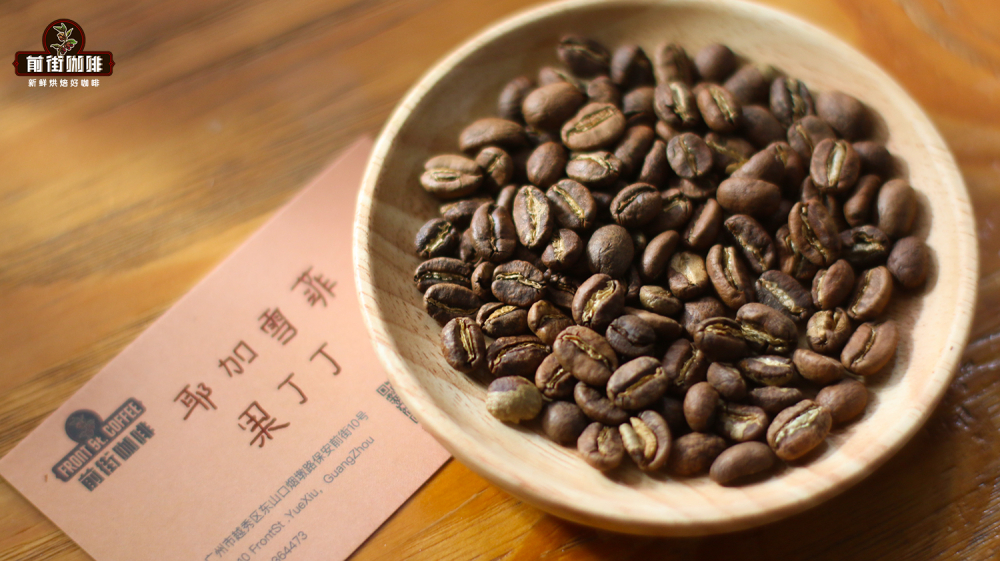
Step four: after brewing, discard the drip bag. Do not let the drip bag soak in the coffee liquid for an extended period, otherwise it will extract many undesirable flavors.
Also note that drip bag coffee should not be brewed repeatedly. The first brew has the best flavor; after multiple brews, the flavor will noticeably weaken, affecting the overall drinking experience.
The above content is compiled by CoffeeHunters, a coffee news website.


