







Why Coffee Extraction Time Starts With the First Drop of Water
Coffee extraction begins the moment water touches the coffee grounds, so the timer should start then, not when liquid appears. In espresso, that means pressing the brew button; in pour-over, it means the start of the bloom pour. Waiting until espresso begins to flow or until the bloom is finished adds roughly seven to eight seconds of error, enough to misjudge the shot.
Time differs from grind size, water temperature, pressure, and pour volume because it cannot be adjusted directly. It reflects how the other parameters interact with the espresso coffee beans, so it is better read as an outcome rather than a lever. That is why consistent timing from first contact makes taste problems easier to trace and every adjustment more purposeful.
The starting point for measuring extraction time may seem like just a matter of a few seconds, but in reality it has a profound impact on judging and adjusting coffee flavor. Many coffee enthusiasts are often confused by this in practice: should espresso be timed from the moment the machine starts, or after the liquid begins to flow? In this article, Front Street Coffee sorts out the correct way to measure extraction time and takes a deeper look at why time is an indispensable part of extraction parameters. From the bloom pour in pour-over to the pressurized permeation in espresso, understanding how time interacts with other parameters can help you quickly pinpoint the problem when the taste goes off, giving every adjustment more direction.
On the surface, the difference is only a few seconds, but for coffee extraction, those few seconds are enough to become a variable that cannot be ignored, and that is exactly why many people feel conflicted about when to start timing. Next, Front Street will discuss when coffee extraction time should actually begin counting from, and why time as a parameter is so critical.
When does extraction time start counting from?
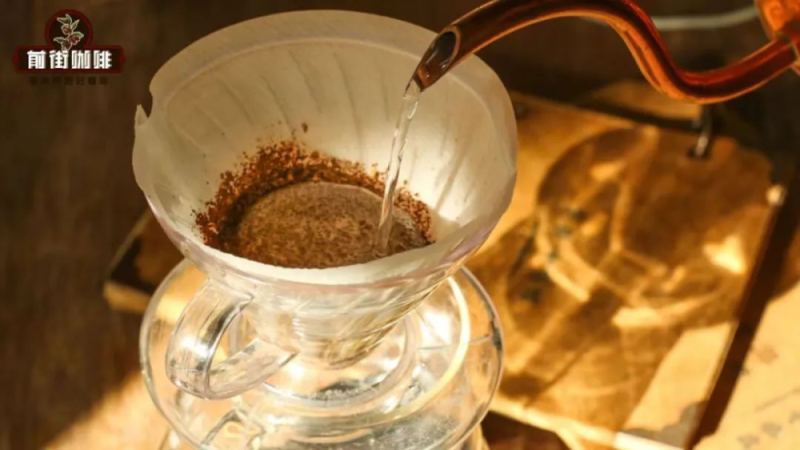
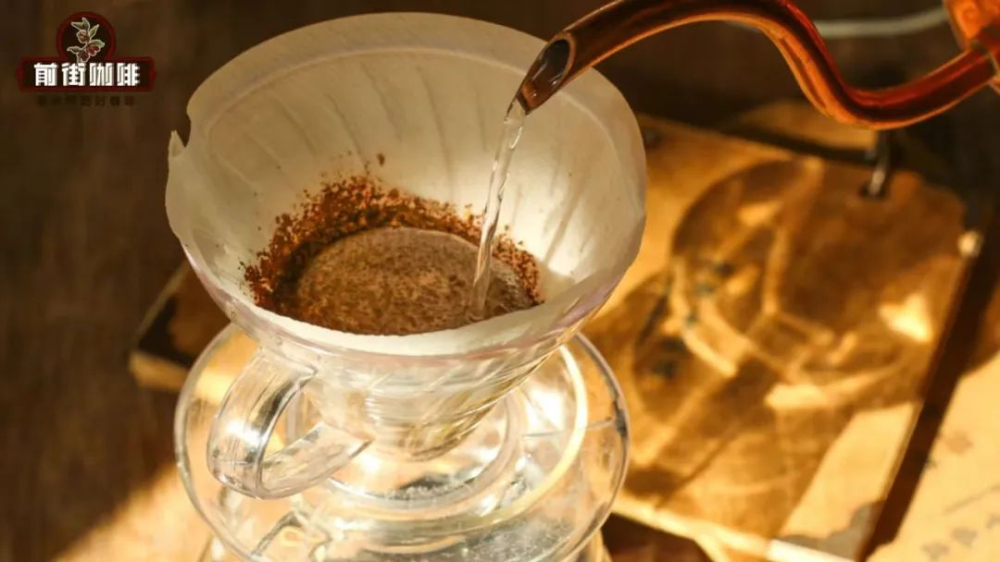
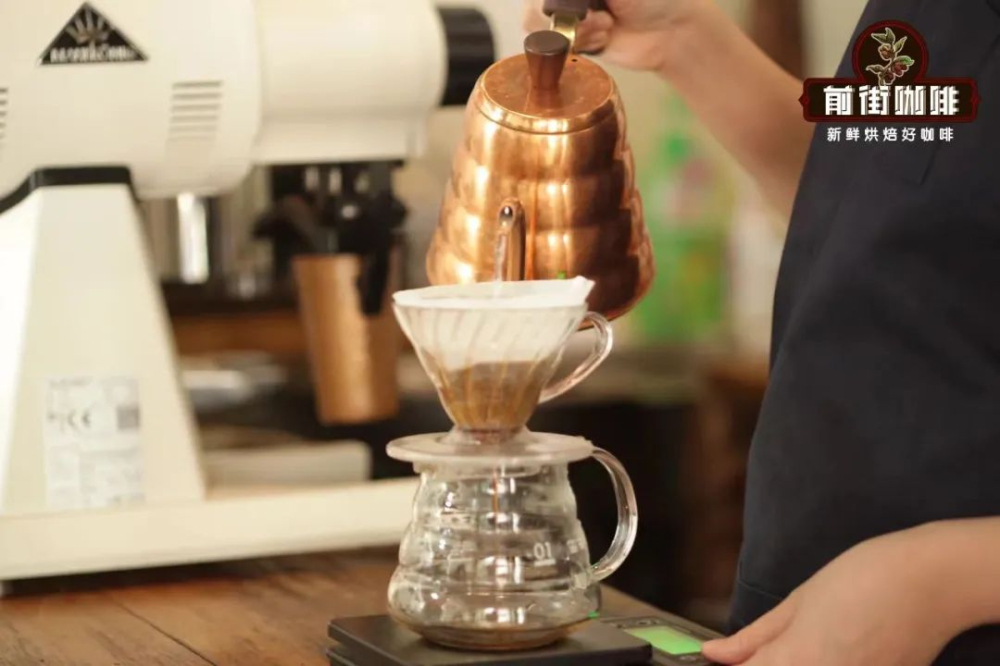
The logic of measuring extraction time is actually not complicated. Extraction is essentially using water as a solvent to dissolve the flavor substances out of coffee beans. Therefore, once water comes into contact with coffee grounds, extraction has already begun. In pour-over, when the bloom pour begins, and in espresso, the moment the extraction button is pressed, both of these points in time should also be when the timer is started.
If you wait until the bloom pour is finished, or until the espresso starts flowing, to start timing, there will be a deviation of about seven to eight seconds. Do not underestimate this margin of error; it is enough to cause a serious deviation in your judgment of the extraction state.
Why is time so important?
The reason is that time itself is also an extraction parameter, and it can likewise influence the level of extraction efficiency. But time has a special characteristic: it is not a variable that can be directly controlled. How should this be understood? For example, parameters such as grind size, water temperature, pressure, and pour amount can all be actively adjusted by us—if we want the water temperature higher, we raise it; if we want greater extraction pressure, we increase it, and so on.
Time is different. We cannot directly control it; we can only indirectly affect extraction duration by adjusting other parameters. Precisely because of this, once there is a deviation in the judgment of time, it will create numerous obstacles when adjusting coffee extraction and when communicating with other coffee enthusiasts. Conversely, if you can control extraction time relatively accurately, with little fluctuation, that shows the other parameters you are using are reasonable and stable.
In the end, extraction time is simply the length of time it takes for water to pass through the coffee bed. The greater the resistance of the coffee bed, the harder it is for water to pass through smoothly, and without external assistance, water needs more time to fully seep out. During this period, water continuously dissolves the flavor substances in the surrounding coffee grounds. In other words, the longer the water stays, the more substances are extracted, and vice versa.
It is precisely for this reason that time appears especially important—when there is a problem with the taste, it is the only parameter that can help you quickly locate the root of the problem.
Take pour-over coffee as an example: if this pour-over tastes somewhat underextracted, then it must be because the extraction efficiency is insufficient, causing the hot water to fail to fully bring out the flavor substances. But there are simply too many parameters that affect extraction efficiency, and it is hard for us to see at a glance which step went wrong. At times like this, we can use the duration of extraction to quickly identify the problem.
Take Front Street as an example: Front Street sets the pour-over extraction time for 15 grams of coffee beans at two minutes. If this underextracted cup takes less than two minutes, then the problem may lie in the grind size or the pouring technique; but if it takes more than two minutes, then the cause may be that the water temperature is too low, or that the stirring intensity (which can also be included under technique) is insufficient.
Espresso extraction follows the same logic. Under the premise that the pressure value, water temperature, and output volume are fixed, the only factors that can change extraction time are dose and grind fineness. Therefore, when the taste of espresso goes off, we decide whether to adjust the dose or change the grind fineness based on the length of the extraction time.
From this it can be seen that time is indeed a parameter of great importance.
Finally, Front Street would like to add one more point: the reason espresso does not immediately flow during extraction is that the resistance formed by the puck is extremely great (including the release of carbon dioxide), and even with pressure assisting it, hot water still needs some time to permeate out. In fact, at the very moment the coffee machine starts extraction, the hot water has already come into contact with the puck, whether it is pre-infusion or regular extraction. So the starting point for timing espresso extraction, like pour-over, should also begin simultaneously when extraction is started.
- END -
The above content is compiled by CoffeeHunters, a coffee news website.


