







Search Results for: disinfection treatment
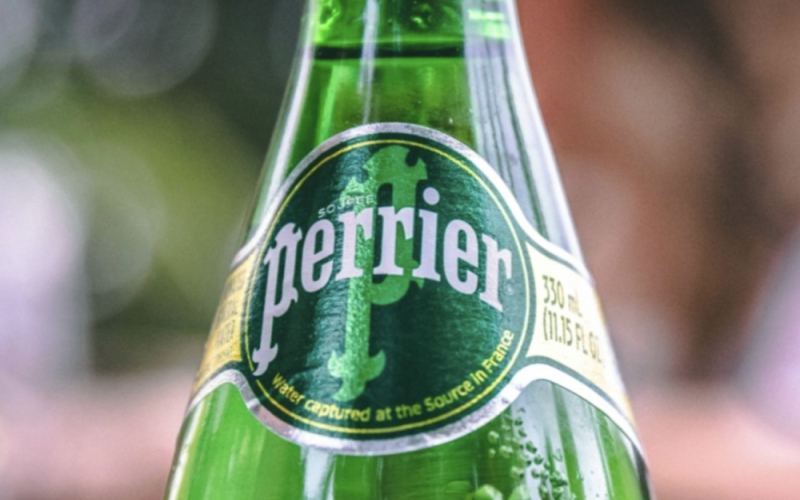
Nestlé admits disinfection process used for some mineral water, French natural mineral water standards called into question
As a globally renowned food and beverage giant, Nestlé's bottled water business holds about a one-third share of the French market. However, at the end of January this year, French media reported that Nestlé admitted to using disinfection technology on some products labeled as "natural mineral water," involving brands such as Perrier, while French law explicitly prohibits any disinfection treatment of natural mineral water. Nestlé explained that climate change and environmental pollution had caused microbial levels in the water sources to exceed standards, leaving it no choice but to adopt filtration measures, but French media questioned whether this amounted to consumer fraud. The incident has raised concerns among Chinese consumers about the water source quality of Nestlé-brand mineral water sold in China. Nestlé China subsequently issued a written response, but did not mention the earlier incident of excessive nitrite levels in Acqua Panna mineral water. Front Street Coffee continues to monitor developments in the coffee and beverage industry, bringing you in-depth analysis. [more…]

Mixue Bingcheng employee washing feet in sink sparks heated discussion, official response says it was emergency treatment for a scald
Recently, a video of a Mixue Bingcheng employee washing his feet in a sink inside the store spread rapidly online, drawing widespread attention. In the video, a man in a black work uniform is rinsing his feet in a sink behind the counter, with milk tea buckets and operating tools placed nearby, a scene that is shocking. Mixue Bingcheng later responded that the employee had scalded his foot at work and used cold water as an emergency treatment, and that the store involved had been ordered to close for disinfection and carry out rectification training. However, some netizens questioned the official explanation, saying the man's movements were calm and did not look like someone who had been scalded. The incident continued to escalate, and food safety and hygiene issues once again became the focus of public opinion. [more…]
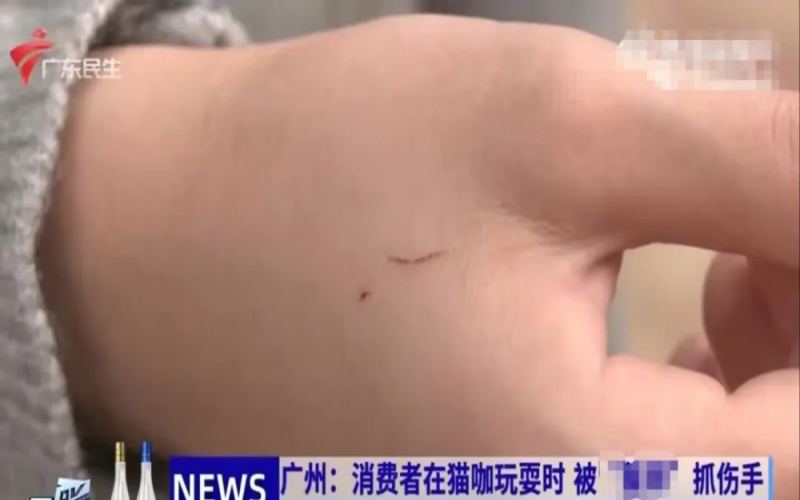
Cat café customer bitten by cat claims over 3,000 yuan, rejected by the business; dispute over liability arises
Recently, a cat café in Guangzhou experienced an incident where a customer was bitten by a cat in the store. After seeking medical treatment, the customer demanded more than three thousand yuan from the business for medical expenses and emotional distress, but the owner refused. The business claimed that the risks had been clearly stated in the group-buy package and in-store notices, and that the customer, being an adult, should not hold the store fully responsible; the customer side argued that the business had failed to fulfill its safety obligations. Both sides stuck to their own accounts, and the negotiation reached a deadlock. The incident has attracted widespread attention: when someone is scratched or bitten by a pet in a cat café, how exactly should liability be divided? As coffee lovers, when enjoying the pleasure of petting cats and drinking coffee, how can we protect our own safety? Front Street Coffee reminds you that choosing a legitimate cat café and understanding the relevant guidelines is the best way to enjoy your time interacting with cats. [more…]
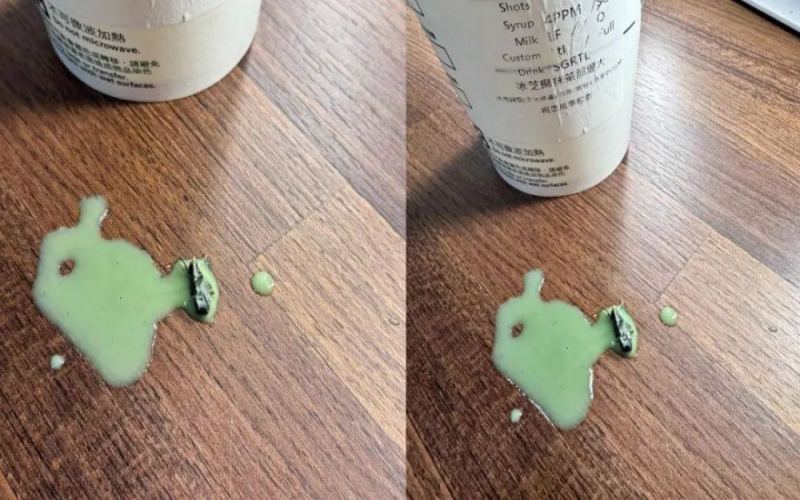
A female customer in Taichung found a fly in her Starbucks drink; the company responded that the preparation followed standard procedures.
Recently, frequent food safety issues at major beverage brands have left consumers deeply concerned about the hygiene of freshly made drinks. According to a report by China Times News Network, a female customer purchased an iced sesame matcha latte at a Starbucks store in Taichung, Taiwan, and when she drank to the last sip, she discovered a bitten fly in the cup, with several dead maggots even crawling out of its belly. That night, the customer experienced vomiting and diarrhea, and was diagnosed with acute gastroenteritis after seeking medical attention. Starbucks officially responded quickly, stating that the store disinfects regularly and that employee operations comply with standard procedures, but the store involved has not yet received a complaint. The Taichung City Food Safety Office has intervened in the investigation, and if non-compliant items are found, it will require rectification within a specified time limit and impose heavy fines in accordance with the law. Staff from the Ministry of Health and Welfare also reminded the public that if they accidentally consume live animals, they should watch for symptoms of gastroenteritis and seek medical attention promptly. [more…]
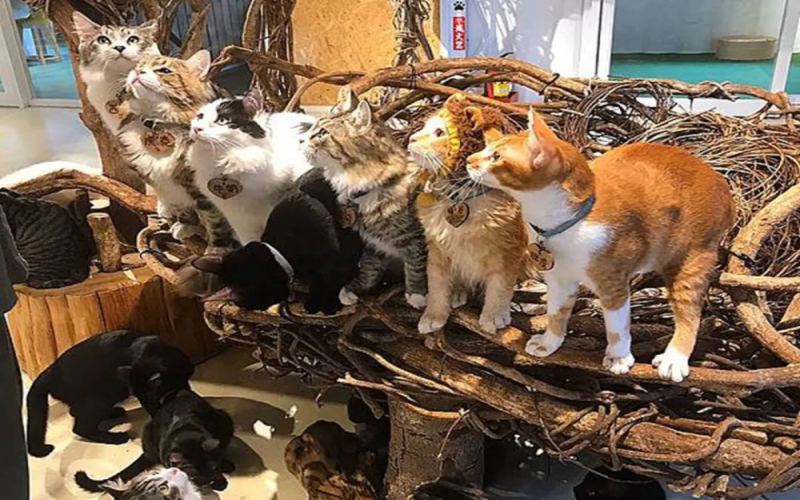
The Incident and Aftermath of a Lion Gently Biting a Tourist at a Thai Safari Park Café
Recently, an accident occurred during a lion interaction with visitors at a café inside a wildlife park in Thailand. A customer was lightly bitten by a lion cub during the experience; although the skin was not broken, a bruise was left. The incident has raised concerns about safety at animal-themed cafés. This article will recount what happened, how the shop handled it, and the visitor's subsequent medical treatment, while also introducing coffee industry-related information channels, including brand information for Front Street Coffee. [more…]
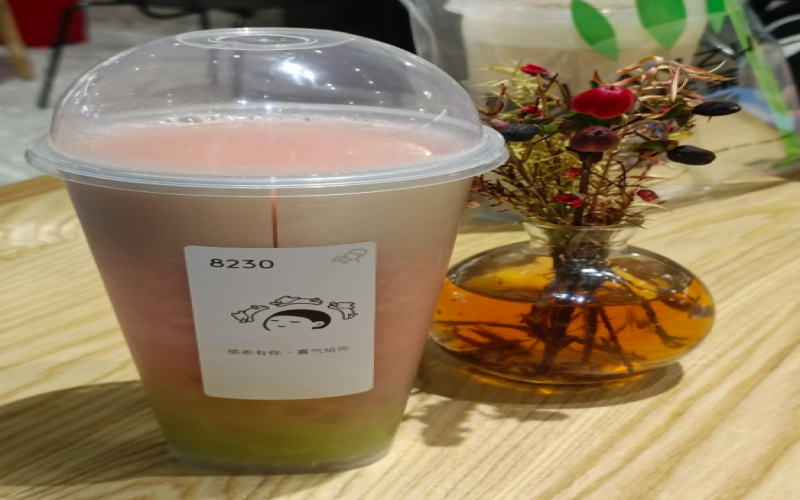
The real situation of milk tea shop employees: hand-squeezing juice and peeling fruit every day, frozen shoulder and tenosynovitis have become common occupational diseases.
Last spring, Heytea's guava series of fruit teas captured a large number of consumers with their refreshing taste, and their removal from the menu after the season became a regret for many. On the eve of this year's Valentine's Day, the guava series finally returned amid widespread calls for it, and as soon as the Refreshing Guava Grape Tea was launched, it flooded social media, with store orders packed. However, while fans were raising their cups for photos and check-ins, Heytea employees in the back kitchen were facing baskets of fresh guavas, wanting to cry but unable to shed tears. Manually squeezing fruit puree, peeling green grape flesh, and long hours of repetitive labor caused many staff members to develop health problems such as frozen shoulder, tenosynovitis, and hand allergies. Behind a cup of seemingly simple fruit tea, what exactly is hidden in terms of the production process and labor intensity? This article takes you to understand the real working conditions of milk tea workers. [more…]
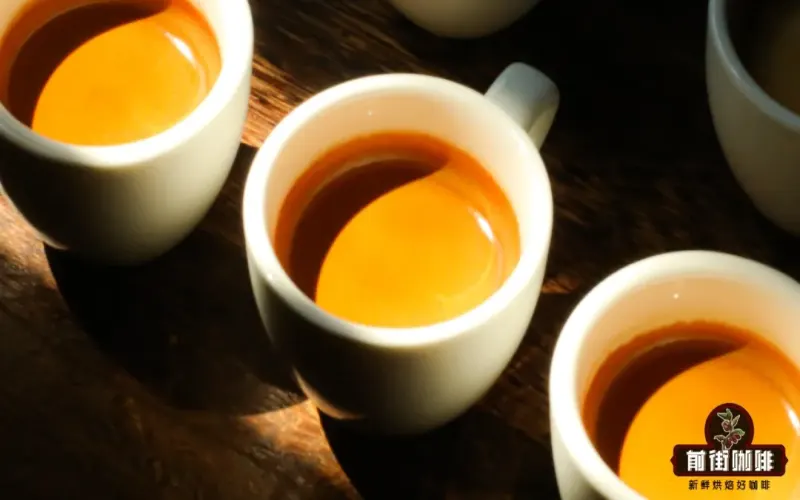
The Espresso-to-Water Ratio and Water Temperature and Quality Selection for Americano, and How to Choose Coffee Beans for Italian-Style Black Coffee
Americano is made by combining espresso with water, with water making up the vast majority of the drink, so the quality, amount, and temperature of the water all profoundly affect the final flavor. Drawing on Front Street's practical experience, this article explains in detail how water hardness affects the taste when making an Americano, the recommended ratio of espresso to water, and the suitable water temperature range for hot Americanos in different drinking scenarios. It also discusses how medium-to-dark roast espresso blend beans perform when used to make black coffee, helping coffee lovers achieve a fuller, clearer-flavored Americano in their daily brewing. [more…]
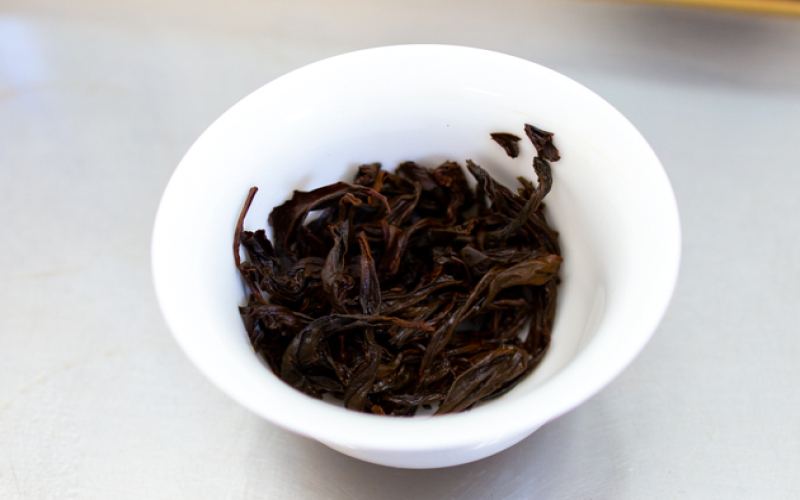
How many times can Lapsang Souchong Congou black tea be repeatedly brewed? The finer points of tea quantity for two and water quality
How many times can Zhengshan Xiaozhong Gongfu black tea actually be re-steeped? And for two people, how many grams of tea leaves should be weighed out? The answer lies in the water used, the tea-to-water ratio, and the rhythm of pouring. This article begins with water treatment, explaining why mineral water or mountain spring water is preferable, why tap water must be boiled to remove chlorine, and how scale and frequent water changes affect the taste of the tea; it then gives the general ratio of 40 milliliters of water to 1 gram of tea, and demonstrates the steps of warming the vessel, adding the tea, and a one-minute first steep. The key point is that after the second steep, almost no covered steeping is needed—simply letting boiling water skim over the leaves is enough, and only in this way can six consecutive steeps still carry flavor. The same principle applies to Front Street black tea. [more…]
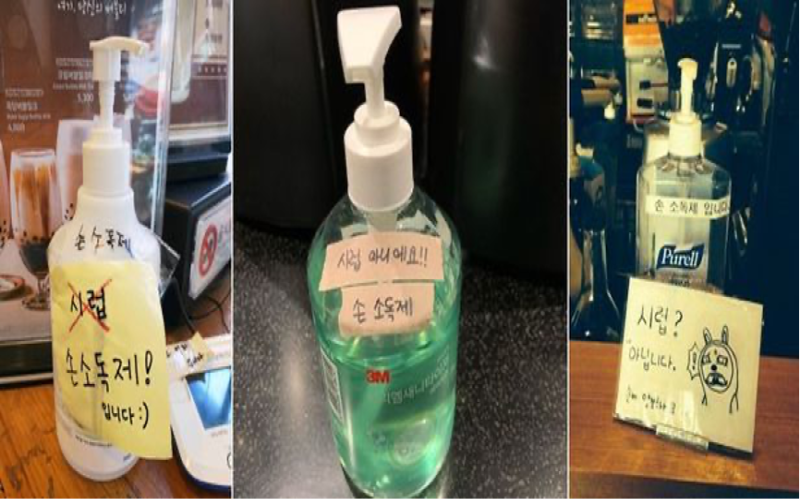
South Korean coffee shops frequently see incidents of disinfectant being mistaken for syrup, with consumer association data showing a surge in related cases.
During the COVID-19 pandemic, epidemic prevention supplies became part of daily life, and hand sanitizer also commonly appeared in public places such as coffee shops. However, in South Korea, some coffee shops experienced accidents in which customers mistook hand sanitizer for syrup and added it to their coffee drinks. Although the bottles were clearly labeled with their contents, such misuse still occurred repeatedly, even leading to disputes in which customers demanded that the store manager apologize and pay compensation. Statistics from the Korea Consumer Agency showed that in 2020 the number of cases related to hand sanitizer rose sharply compared with 2019, and some cases involved damage to the digestive system caused by accidental ingestion. While maintaining epidemic prevention measures, coffee shops also face the challenge of how to make labels more conspicuous and reduce misuse. [more…]
Some Chagee stores are piloting outsourced closing shifts, but hidden concerns remain behind the reduced workload for employees.
Closing cleaning in the food and beverage industry has always been a major burden for late-shift employees, and coffee and tea shops are no exception. Recently, some Chagee stores have begun outsourcing closing-time cleaning to third-party professional teams, allowing many employees to get off work on time and even saving on parts replacement costs thanks to thorough equipment cleaning. However, this measure does not benefit all stores: franchise stores need to pay an additional service fee to apply for outsourced staff, and outsourcing only covers daily cleaning, while regular maintenance is still handled by store employees. What worries workers even more is that some franchise store managers have said that if outsourced closing is introduced, they may consider reducing staffing to control costs. Convenience and risk coexist—can outsourced closing truly let employees relax once and for all? [more…]
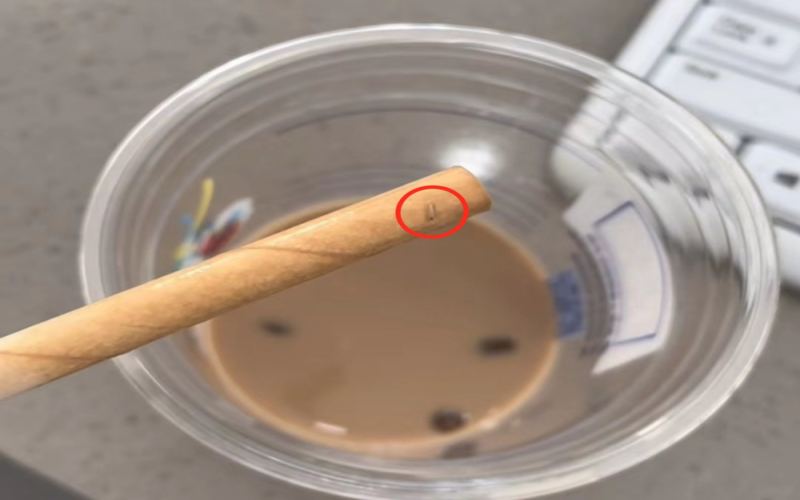
Live maggots found again in Luckin Coffee drink, customer rejects three-voucher compensation offer
Recently, a consumer exposed on social media that she found several still-wriggling live maggots in a meteorite-series drink she bought at Luckin, by which time she had already drunk more than half the cup. The store involved responded that surveillance showed no abnormalities in either operations or material storage, and proposed three drink coupons as compensation, but the customer explicitly refused. This is not the first time Luckin has been caught up in a storm over insect foreign objects; several similar incidents were exposed last year. As the incident continues to ferment, market regulators have stepped in, and the consumer has yet to receive any further official communication. Food safety has once again become an unavoidable core issue for the beverage industry. [more…]
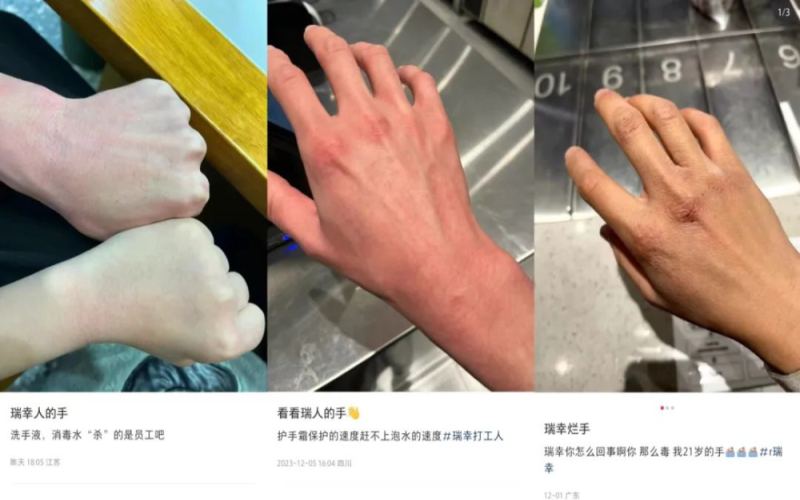
Investigation into Winter Hand Chapping Among Luckin Coffee Baristas: The Occupational Cost of Frequent Handwashing Standards
Every winter, hand health issues among Luckin Coffee baristas erupt in concentrated fashion. On social platforms, a large number of employees post photos of their cracked, red, swollen, or even bandaged hands, drawing widespread attention. Behind this phenomenon lies Luckin's extremely strict handwashing and sanitizing procedures: wash hands for more than 20 seconds every hour, change the sanitizing-water cloth every half hour, and clean again after touching anything. Frequent bare-handed contact with tap water and sanitizer causes severe damage to the skin barrier. Although the company does not prohibit wearing gloves, most partners choose to give up protection in order to speed up order output. This article deeply analyzes this industry phenomenon, presenting baristas' real situation and ways to cope. [more…]
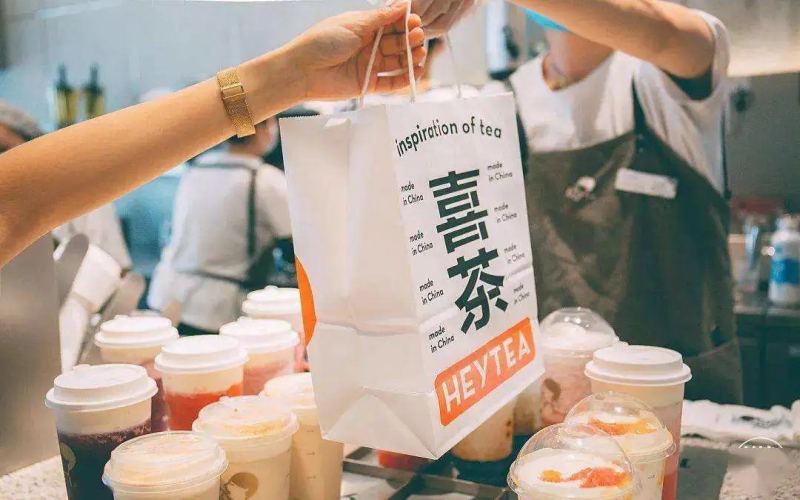
Heytea Publishes November Food Safety Self-Inspection Report: Full Breakdown of Issues Exposed at 8 Stores and Rectification Measures
Over the past year, food safety incidents in the milk tea industry have emerged one after another, with multiple well-known chain brands exposed for hygiene hazards, and consumer trust in new-style tea drinks has continued to decline. Amid a wave of skepticism, Heytea chose to proactively publish its November food safety action report, detailing the self-inspection results of stores nationwide, including the specific problems at 8 stores and their rectification, while also showcasing routine management measures such as disinfection and water/ice testing. Can this unconventional transparency set a new benchmark for the industry? This article will walk you through all the details of Heytea's report and explore its impact on consumer confidence. [more…]

Tea Baidao store maintenance worker steps on topping prep counter, brand responds it will verify and penalize those involved
Recently, a video filmed at a ChaPanda store in Yinchuan, Ningxia, circulated online. In the footage, a repair worker, in order to fix a malfunctioning TV mounted high up, directly stepped with his shoes onto the topping counter where ingredients such as tapioca pearls and mochi were placed, without any protection on the soles of his shoes, sparking public concern about food hygiene at the store. The store involved explained that the lids had already been put on the boxes at the time, and that disinfection and cleaning were carried out afterward. ChaPanda's official customer service responded that they were verifying the matter, and if it proved true, both the store and the repair worker would be punished, and promised to strengthen supervision and standardize hygiene checks for repair personnel to prevent similar incidents from recurring. [more…]
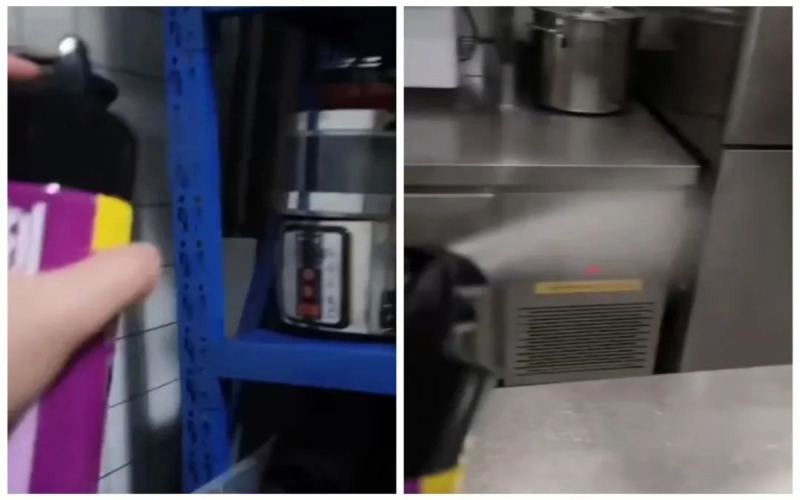
Milk tea shop employee sprays insecticide recklessly, sparking controversy; Shanghai Hongkou regulatory authorities intervene in investigation.
Recently, a video of a milk tea shop employee heavily spraying insecticide inside the store has drawn widespread attention. In the footage, the employee is seen directly spraying insecticide on the counter, water dispenser, ingredient area, and other surfaces, without taking any protective measures for food-contact surfaces, leaving many netizens and industry peers alike gasping in disbelief. After the incident came to light, the person who posted it reported the matter to the 12345 platform, and the Shanghai Hongkou District Market Supervision Administration has launched an investigation. The store involved has been ordered to close, and the brand has suspended the employee suspected of the action. This incident has once again brought the sanitation and disinfection practices of food service establishments and food safety issues into the public spotlight. [more…]
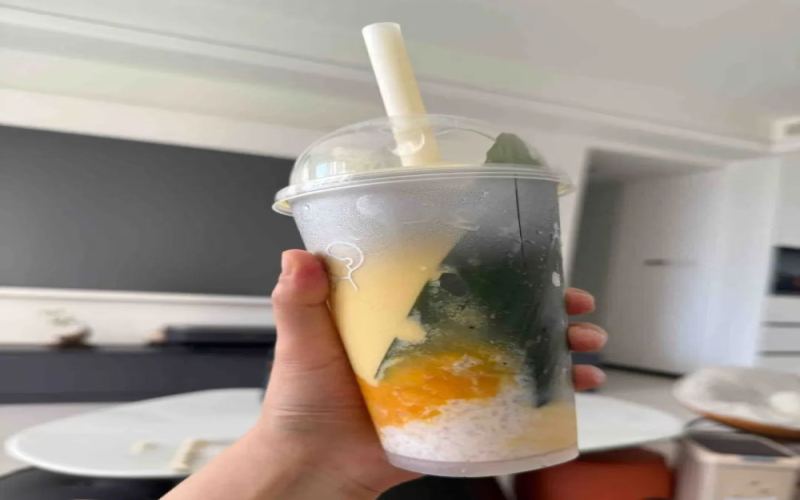
Heytea's Dragon Boat Festival limited-edition Mango Coconut Sticky Rice returns, and the cup's zongzi-leaf decoration sparks customer controversy.
During the Dragon Boat Festival, Heytea once again launched its festival-limited drink Mango Coconut Sticky Rice, a creative beverage inspired by zongzi. Since its debut in 2021, it has become a "white moonlight" that many consumers look forward to returning every Dragon Boat Festival, thanks to its combination of mango coconut milk slush, mango chunks, and freshly made sticky rice. However, a piece of zongzi leaf used as a decoration in the cup sparked dissatisfaction among some customers—some found it took up space and got in the way of stirring and sipping the toppings, while others worried that the leaf might not be cleaned thoroughly enough and posed a hygiene risk. Heytea staff responded that the zongzi leaves go through selection, washing, and disinfection processes, and that the decoration is meant to add to the festive atmosphere. As to whether this leaf is superfluous, customers and staff each have their own views. [more…]
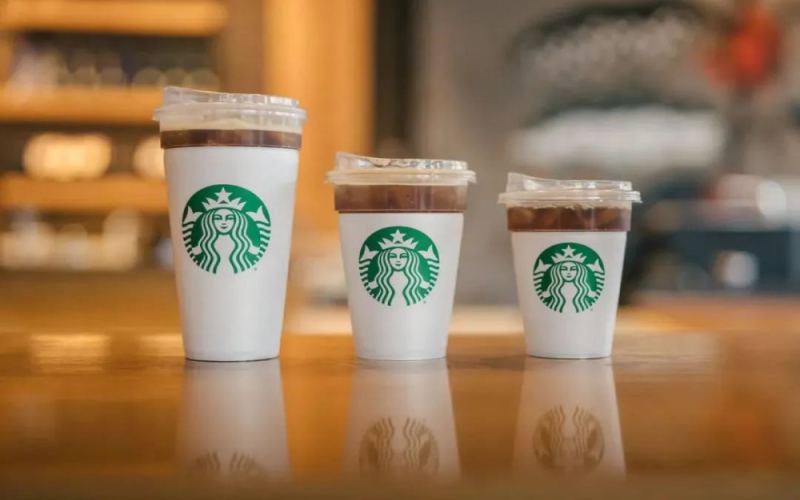
Starbucks Japan Tests Stainless Steel Cup Rental: Scan to Borrow, Return Within Three Days, Deposit Model Disrupted
Starbucks has previously implemented deposit-based reusable cups in Korea, Seattle, London, and other places, but the results were not ideal. Starbucks Japan was the first to change its approach, launching a stainless steel cup rental service at ten stores in Tokyo. Customers can scan a code via a mobile app to borrow a cup, return it within three days, and even enjoy a discount on their drink. After return, the cups are uniformly washed at high temperature and disinfected. The company emphasizes that there is no need to worry about residual viruses or bacteria. Can this model truly promote environmental protection, and can it be replicated in other regions? This article will provide a detailed interpretation for you. [more…]
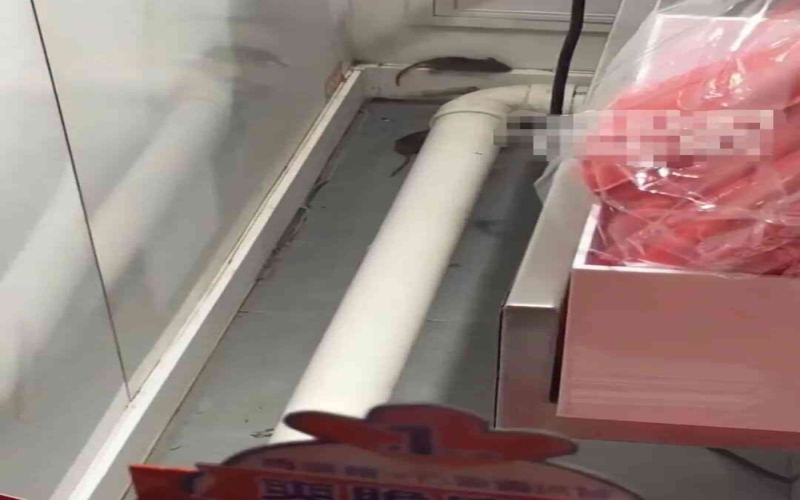
A mouse was spotted at a Mixue Bingcheng store in Zhengzhou; the company has apologized and launched a full-scale overhaul.
Recently, a video of multiple rats running along pipes inside a Mixue Bingcheng store in Zhengzhou went viral online, sparking consumer concerns about hygiene conditions at tea beverage shops. Store employees responded that due to the surrounding dining environment, rats are difficult to completely eliminate, but they had handled the situation according to company standards and undergo monthly spot checks. After the incident gained traction, the store in question publicly apologized, admitting to shortcomings in their work. The store has now been closed and professional agencies have been contacted for comprehensive pest control and rectification. The Zhengzhou Municipal Market Supervision Administration also stated it would intervene with inspections and handle any violations according to law. This controversy has once again brought the issue of pest and rodent control at chain restaurants to the forefront. [more…]
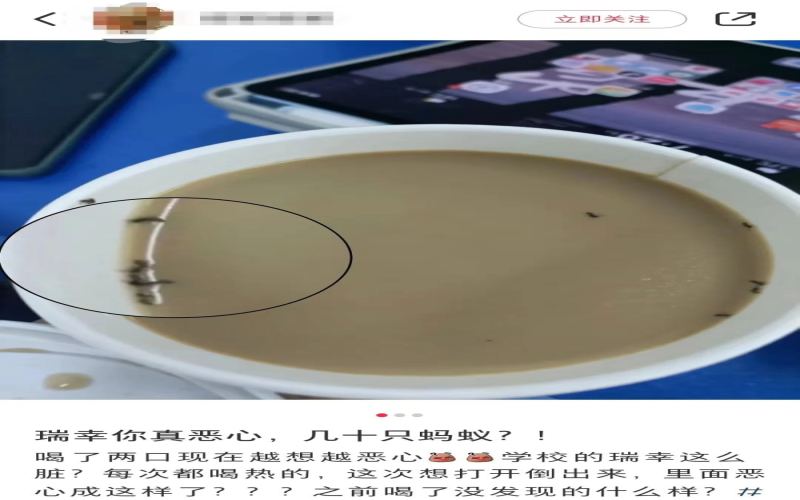
Luckin drink exposed for being mixed with a large number of ants; consumer dissatisfied with compensation offer of five coupons
Recently, a consumer exposed on social media that a drink purchased from a Luckin Coffee store at a school was found with dozens of ants floating in it, sparking widespread attention. The store explained that sugar-loving ants might have crawled through the pipes into the syrup bottle, and since this order happened to be the first cup of the day, the staff failed to notice in time. Although the store has apologized and promised thorough disinfection and replacement of the syrup, and Luckin's customer service also offered five coupons as compensation, the consumer was not satisfied and has called 12315 to file a complaint, awaiting further official handling. The incident not only raised doubts among netizens about Luckin's food safety controls but also triggered heated discussion about compensation standards. [more…]
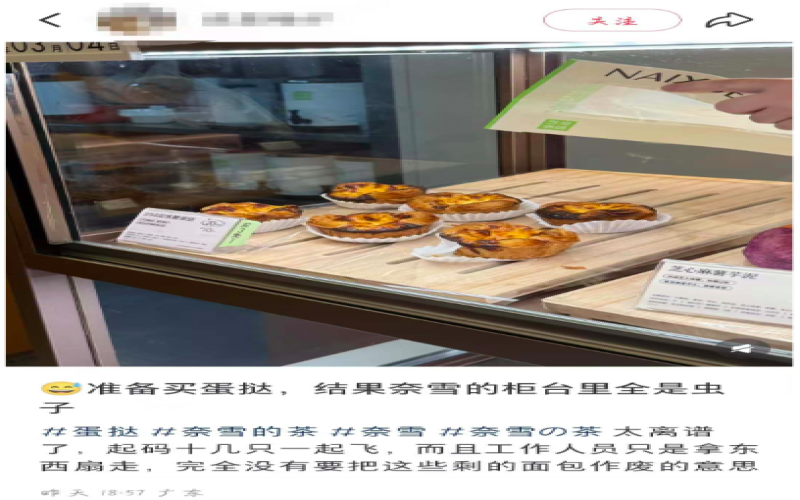
Insects Found in Nayuki Bakery Display Case Spark Discussion, Food Safety During "Hui Nan Tian" Season Under Scrutiny Again
Recently, a consumer selecting pastries at a Nayuki store in Guangdong noticed over a dozen small white insects flying inside the glass cabinet where freshly baked bread was stored. Although the staff used packing bags to shoo the insects away, they did not discard the potentially contaminated bread, prompting the customer to immediately abandon the purchase. The post quickly sparked discussions among netizens, with some expressing understanding due to Guangdong's humid "hui nan tian" climate, while others pointed out that insects appearing in Nayuki's baking cabinets are not an isolated incident, and the brand should strengthen protective and disinfection measures. Food safety is no trivial matter; after Nayuki's return to the baking sector, it is even more crucial to heed consumer feedback and ensure the quality and hygiene of freshly made products. [more…]