







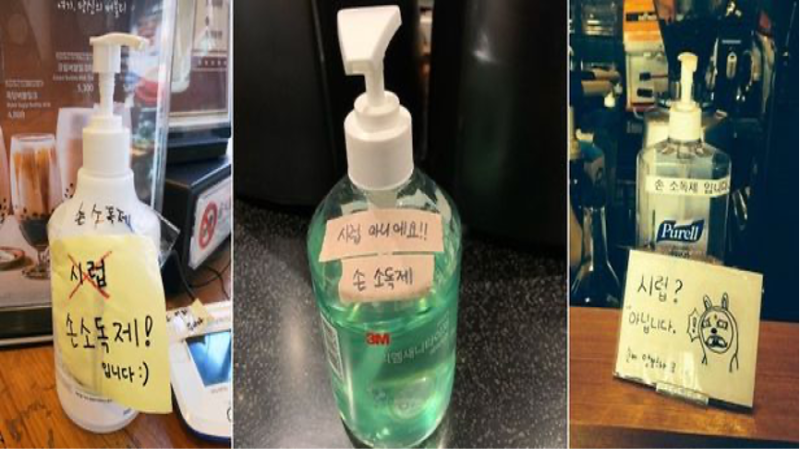
Why are les cafe shops in South Korea facing sanitizer mix-ups
In South Korea, customers at some coffee shops have mistaken hand sanitizer for syrup and poured it into their drinks, even though the bottles carry clear written labels. The accidents have led to disputes in which customers demanded apologies and compensation. Korea Consumer Agency data show related cases rose sharply in 2020 compared with 2019, with some involving digestive damage from accidental ingestion.
Hand sanitizer became a standard fixture in food and beverage venues during the COVID-19 pandemic, usually placed at entrances and on the bar counter, and many les coffee shops offer free syrup to guests. Similar packaging designs for syrup and sanitizer appear to drive the confusion. Shops now face the task of making labels more conspicuous while keeping epidemic prevention measures in place.
During the COVID-19 pandemic, epidemic prevention supplies have become part of daily life, and hand sanitizer has commonly appeared in public places such as coffee shops. However, in South Korea, some coffee shops have seen accidents where customers mistook hand sanitizer for syrup and added it to their coffee drinks. Although the bottles are clearly labeled with their contents, such misuse still occurs repeatedly, even leading to disputes in which customers demand that the store manager apologize and pay compensation. Statistics from the Korea Consumer Agency show that in 2020, the number of cases related to hand sanitizer rose sharply compared with 2019, and some cases involved damage to the digestive system caused by accidental ingestion. While maintaining epidemic prevention measures, coffee shops also face the challenge of how to make labels more conspicuous and reduce misuse.
Since the outbreak of the COVID-19 pandemic, public awareness of epidemic prevention has continued to rise. Wearing masks has become a normal part of life, and households have stockpiled supplies such as medical alcohol, 84 disinfectant, and hand sanitizer. Many coffee shops provide free syrup to customers, but recently a troubling incident occurred in South Korea: in some coffee shops, because the packaging designs of syrup and hand sanitizer are extremely similar, some customers actually mistook hand sanitizer for syrup and poured it into their coffee.
In many coffee shops, epidemic prevention supplies such as alcohol and disinfectant are indispensable. Usually one or two bottles of hand sanitizer are placed beside the store entrance, and another bottle is placed on the bar counter. It can be said that hand sanitizer has become one of the standard fixtures in food and beverage stores.
The manager of a coffee shop in South Korea posted an article online describing cases in which customers mistook disinfectant for syrup and added it to coffee. As holidays arrive, people go out to buy coffee more frequently, and this kind of accident involving disinfectant mistaken for syrup has also become more frequent.
At this point, many people would think that the incident happened only because the coffee shop manager failed to give sufficient guidance. But in fact, the bottles of syrup and hand sanitizer are already clearly marked in writing with what they contain.
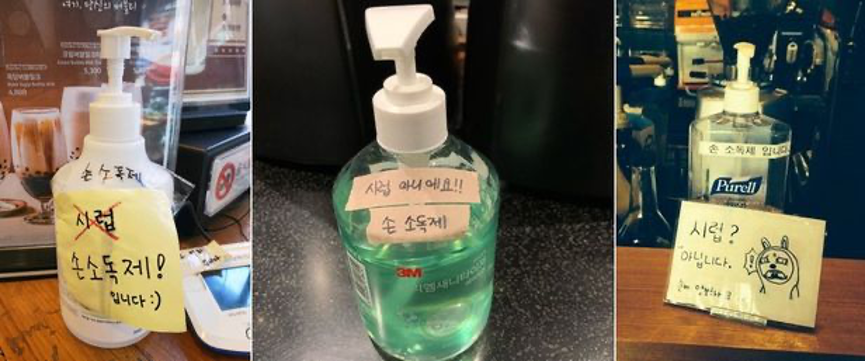
The manager also said: "The bottles clearly say 'disinfectant,' yet customers simply turn a blind eye to it and refuse to reflect on their own mistakes. Some customers are not even wearing masks themselves, yet they make meaningless and unreasonable demands, claiming they will sue the coffee shop." Even after being told that the bottles have warning text printed on them, these customers still demanded that the manager apologize and pay compensation.
Although incidents of "disinfectant as syrup" occur repeatedly, and coffee shop employees apologize again and again, even being scolded to the point of tears, the manager can only follow head office rules and continue to provide both syrup and disinfectant in places that are convenient for customers to reach.
The Korea Consumer Agency pointed out that in 2020 there were 69 cases related to hand sanitizer, a 17-fold increase from 4 cases in 2019. Of these, 55 cases were confirmed to have caused bodily harm, and 20% of the cases (11 cases) involved damage to the digestive system caused by swallowing hand sanitizer.
More than two years have passed since the outbreak of the COVID-19 pandemic. People say they miss the days without masks, but their actions honestly show them disinfecting and wearing masks day after day. As public spaces, coffee shops have contributed their part to epidemic prevention, and many customers have also expressed support and cooperation.
Coffee shops should make labels more conspicuous, and customers should pay a little more attention before use, so that both sides can better enjoy the process of a cup of coffee.
(Front Street Coffee reminds: Whether coffee shops or customers, everyone should be careful to distinguish syrup from disinfectant and avoid misuse.)
Image source: Internet
For more coffee bean information, please follow Coffee Workshop (WeChat public account cafe_style) For professional coffee knowledge exchange, please add WeChat ID kaixinguoguo0925
The above content is compiled by CoffeeHunters, a coffee news website.


