







What the Nestlé Water Case Means for Coffee and Beverage Markets
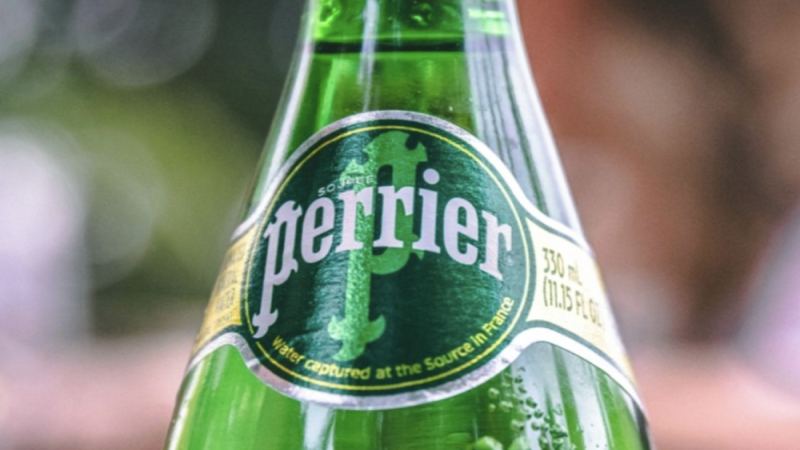
French media reported at the end of January that Nestlé admitted using disinfection processes on some products labeled natural mineral water, including Perrier. French law prohibits any disinfection of natural mineral water, allowing only limited filtration for iron and manganese. Nestlé said climate change and pollution pushed microbial levels in its sources above standards, and French media questioned whether the practice misled consumers.
Nestlé's bottled water business holds roughly one-third of the French market, and the company said the treatments date back to at least before 2021. Coverage also notes that Nestlé China responded to concerns about water sold in China without addressing an earlier Acqua Panna nitrite exceedance. For coffee and beverage watchers, the case highlights how sourcing, water quality and labeling rules shape worldwide coffee and drinks supply.
As a globally renowned food and beverage giant, Nestlé's bottled water business holds about a one-third share of the French market. However, at the end of January this year, French media reported that Nestlé had admitted to using disinfection technology on some products labeled as "natural mineral water," involving brands such as Perrier, while French law explicitly prohibits any disinfection treatment of natural mineral water. Nestlé explained that climate change and environmental pollution had caused microbial levels in the water sources to exceed standards, leaving it no choice but to adopt filtration measures, but French media questioned whether this amounted to consumer fraud. The incident has triggered concerns among Chinese consumers about the water source quality of Nestlé-brand mineral water sold in China. Nestlé China subsequently issued a response, but did not mention the earlier case of Acqua Panna mineral water exceeding nitrite limits. Front Street Coffee continues to follow developments in the coffee and beverage industry, bringing you in-depth analysis.
▲
Click to follow | Daily specialty coffee culture magazine Coffee Workshop
Nestlé is a highly influential food and beverage producer worldwide, with a broad business footprint. In addition to the well-known instant coffee and chocolate products, bottled water is also one of Nestlé's core segments. In the French market, the company's bottled water products have captured about a one-third share of the category.
However, a report by French media at the end of January this year stirred up a storm. The report pointed out that Nestlé had admitted to using disinfection processes on some of its mineral water products, and that such practices could be traced back to at least before 2021. Among the sub-brands named was Perrier, which is relatively familiar to Chinese consumers.
Under current French regulations, natural mineral water is strictly prohibited from undergoing any form of disinfection. The law only permits limited filtration to remove specific particles such as iron and manganese, thereby ensuring that the mineral water itself possesses natural, high microbiological quality, allowing consumers to drink it safely straight from the bottle.
Yet the reality is that the mineral water aquifers Nestlé extracts from are frequently contaminated by microorganisms such as E. coli, and pesticide residues have even been detected at Perrier's water source. Nestlé therefore treats those so-called "mineral water" or "natural spring water" products alongside municipal tap water through activated carbon filtration, ultraviolet sterilization, and other processes before bottling them for sale, thereby concealing the truth that the water sources are contaminated and the products are not sufficiently "natural."
In response to the issues exposed by the media, Nestlé officially offered its own account: climate change has led to frequent extreme weather events such as droughts and floods, and coupled with the expanding scope of human activity around its production sites, maintaining the basic characteristics of natural mineral water has become increasingly difficult. Therefore, to ensure the safety of drinking water, Nestlé claims it has "no choice" but to adopt multiple filtration measures.
This explanation sounds logically coherent and appears to demonstrate Nestlé's commitment to food safety. But French media do not accept this account, believing that the "natural mineral water" Nestlé "concocts" using tap water processes is far removed from the "naturally pure, ready to drink" claims in its advertising, and already constitutes suspected consumer fraud.
This investigative report has also left Chinese consumers deeply worried about Nestlé's mineral water products. It is understood that Nestlé's water business in China covers natural mineral water brands such as Perrier, San Pellegrino, and Acqua Panna, as well as the global brand Nestlé Pure Life and local brands such as Dashan and Yunnan Mountain Spring. It holds a place in China's bottled water market and is a daily beverage choice for many consumers.
Now that Nestlé has been exposed by French media, Chinese consumers cannot help but ask: Do the Nestlé bottled water products sold in China also have water source quality problems? Do they also constitute fraud against Chinese consumers?
To dispel the concerns and unease of Chinese consumers, Nestlé published an article on its official website on February 4 in response. The article stated that to ensure the safety of its natural mineral water products in France, Nestlé adopted more refined microfiltration technology, as well as activated carbon filtration and ultraviolet systems approved for use in other regions, and declared that all bottled water produced by Nestlé Waters France meets the relevant standards for French natural mineral water.
The article also stated that Nestlé has now, under the supervision of the French government, discontinued treatment methods not permitted under French regulations, and always ensures that natural mineral water is safe to drink, and that the unique mineral composition of each brand's products is consistent with labeling.
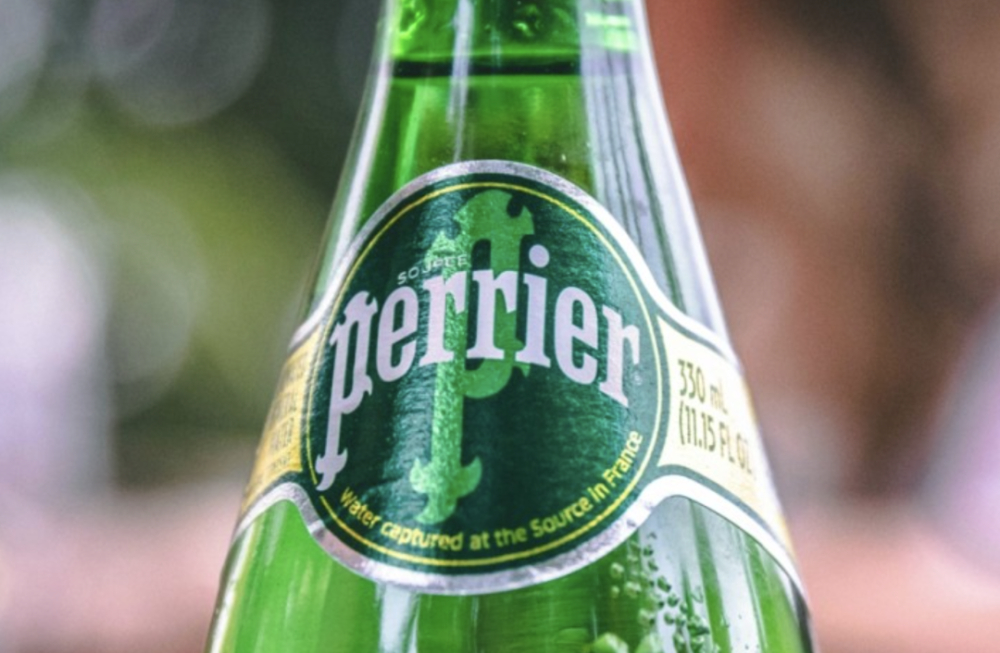
But it is worth noting that in December last year, the State Administration for Market Regulation published a notice on 13 batches of food failing sampling inspections, among which one batch of Acqua Panna drinking natural mineral water, sold by Walmart (Tianjin) Commercial Retail Co., Ltd. and labeled as generally agented in China by Shanghai Nestlé Product Services Co., Ltd., was found to have excessive nitrite levels.
Yet Nestlé's official article on February 4 did not respond to this matter at all, only emphasizing that the bottled water products of Nestlé Waters France meet the relevant French regulatory requirements, and that products sold in China also comply with Chinese laws and regulations.
Image source: Internet
Disclaimer: Some images in this article are from the internet. For some content on the website, such as images, we will respect the original author's copyright and indicate the source. However, due to the large volume, some images and texts may not have been credited in time; please forgive us. If the original author has any disputes, they may contact the website for handling. Once verified, we will correct it immediately. Compiled and edited by "Coffee Workshop." Please indicate the source when reposting. If there is any infringement, please inform us for removal. Thank you~!
The above content is compiled by CoffeeHunters, a coffee news website.


