







Search Results for: insecticides

Milk tea shop employee sprays insecticide recklessly, sparking controversy; Shanghai Hongkou regulatory authorities intervene in investigation.
Recently, a video of a milk tea shop employee heavily spraying insecticide inside the store has drawn widespread attention. In the footage, the employee is seen directly spraying insecticide on the counter, water dispenser, ingredient area, and other surfaces, without taking any protective measures for food-contact surfaces, leaving many netizens and industry peers alike gasping in disbelief. After the incident came to light, the person who posted it reported the matter to the 12345 platform, and the Shanghai Hongkou District Market Supervision Administration has launched an investigation. The store involved has been ordered to close, and the brand has suspended the employee suspected of the action. This incident has once again brought the sanitation and disinfection practices of food service establishments and food safety issues into the public spotlight. [more…]
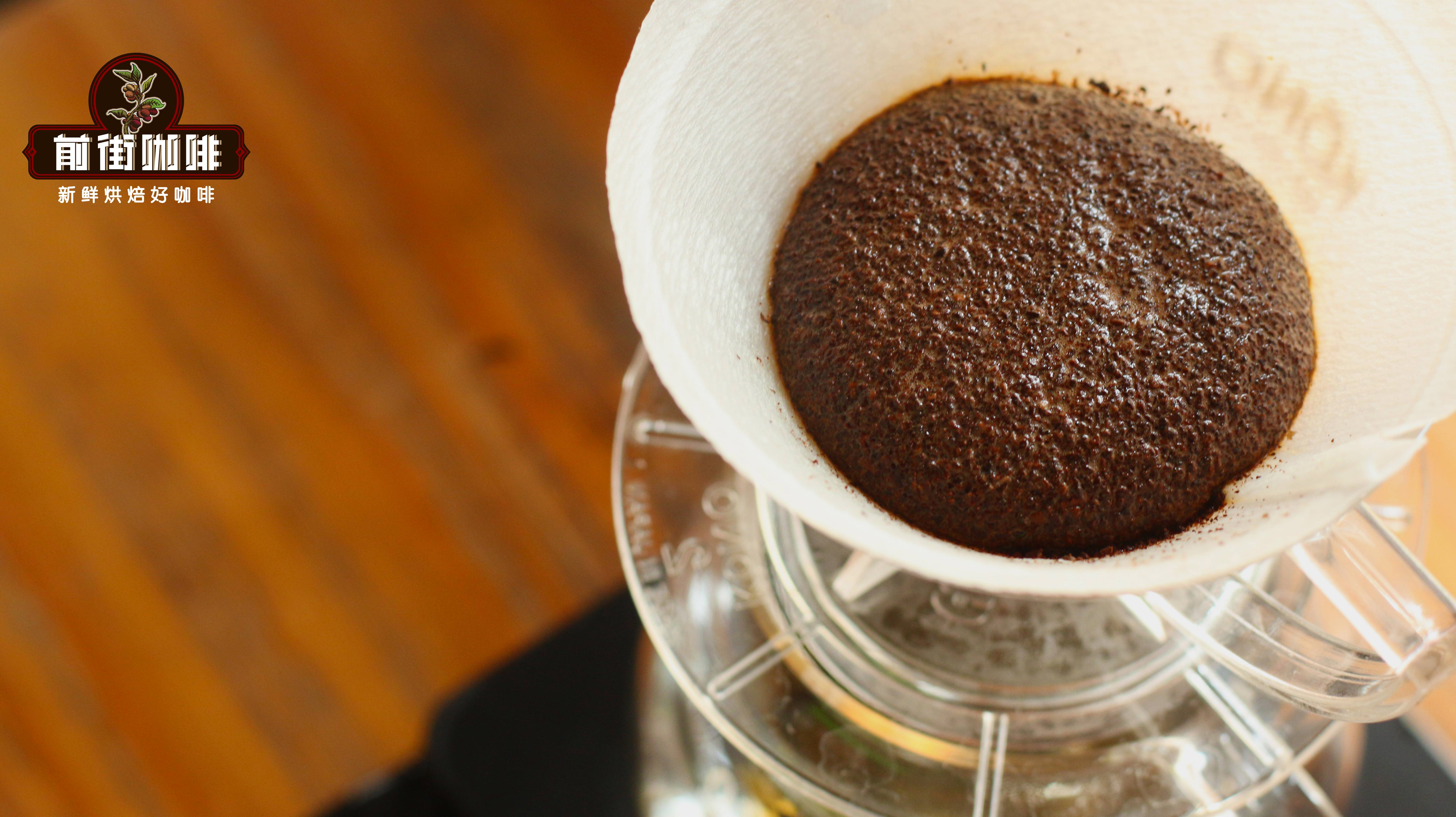
Front Street Coffee explains Sigri Bird of Paradise: the variety flavor and brewing of Papua New Guinea Typica
On the specialty coffee map, Papua New Guinea has long been known as "Little Blue Mountain"—the variety widely planted on the island is precisely Typica, introduced years ago from Jamaica's Blue Mountain. This time, Front Street Coffee brings you the "Bird of Paradise" from Sigri Estate, born in volcanic soil at an altitude of about 1,500 meters or more: the estate insists on no pesticides and no insecticides, and it earned this lovely name because birds of paradise often inhabit the area. This article will begin with the origin's terroir, the estate's history, and the variety's lineage, then fully share Front Street's medium roast profile and KONO dripper brewing method, and finally present a cupping flavor dominated by nut and cacao with accents of berry sweetness, giving you a comprehensive understanding of this famous bean from a Pacific island nation. [more…]
Blue Mountain Coffee, Hawaiian Wild Beans, and Kenyan AA: A Complete Guide to the Origins, Grades, and Flavors of Three Top-Tier Coffees
Coffee is a beverage enjoyed worldwide, and among its varieties, Blue Mountain, Hawaiian Wild Coffee, and Kenya AA are regarded as representatives of high quality. Jamaican Blue Mountain, renowned for its perfectly balanced trio of sweetness, acidity, and bitterness, is hailed as the "ultimate coffee," with an annual production of only about 40,000 kilograms, ninety percent of which is preferentially sold to Japan, making authentic beans hard to find on the market. Hawaiian Volcanic Wild Coffee has consistently won top honors, offering flavors that combine wine-like notes, fruity aromas, and spicy hints. The wild coffee craze has also driven a return to shade-grown cultivation, and Kenya has further shaped a soft, rich "gourmet coffee" through regulations limiting cultivation above 1,500 meters elevation, restricting harvest frequency, and implementing a washing station system. Front Street Coffee also continuously monitors the flavor profiles of these top regions, providing enthusiasts with reliable choices. [more…]
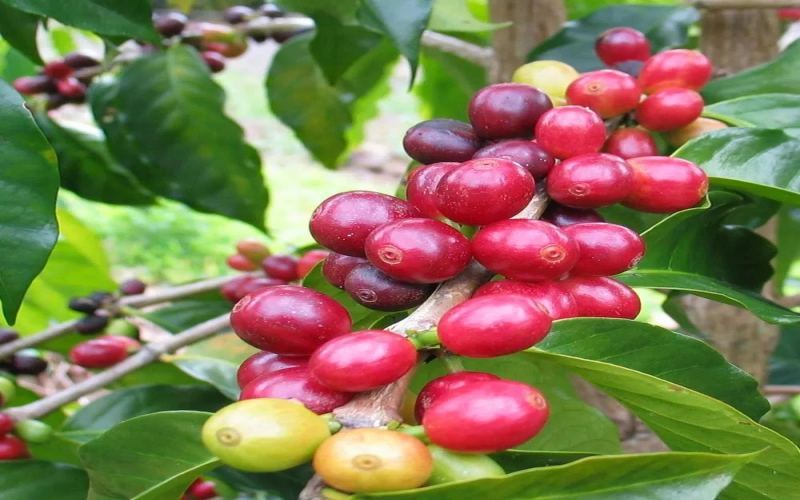
Ecuador Galapagos Islands Specialty Coffee: A Complete Analysis of the Flavor and History of the San Cristobal Region
In South America, Ecuador is one of the few countries that produces both Arabica and Robusta coffee beans. The country's finest coffee comes from San Cristóbal Island in the Galápagos Islands. This place has a unique maritime climate and volcanic soil, combined with freshwater streams rich in minerals, providing exceptional conditions for coffee cultivation. From the establishment of the Hacienda coffee plantation by Cobos in the 19th century to the expansion of cultivation by the González family, San Cristóbal coffee has gone through ups and downs, and today it is known for being organic and for its floral and fruity aromas with caramel sweetness. This article will take you on an in-depth look at the history and flavor characteristics of this producing region, along with brewing suggestions from Front Street Coffee. [more…]
Global Specialty Coffee Origins Flavor Guide: Characteristics of Asian and American Bean Varieties and Analysis of Representative Origins
For coffee enthusiasts, understanding the flavor characteristics of different producing regions is an important step in exploring the world of specialty coffee. This article takes body, acidity, aroma, and other dimensions as its entry point, systematically sorting out the typical styles of Asian, American, and island-type coffees, and introducing one [more…]
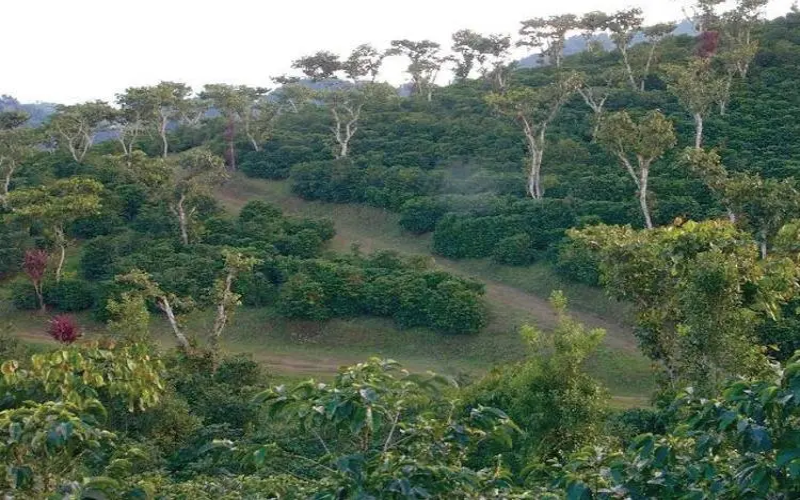
Guatemala Antigua La Minita Estate Flora Coffee Beans: A Full Analysis of Terroir and Flavor
Guatemala is a renowned specialty coffee-producing country in Central America, and its Antigua region, with its volcanic soil and unique microclimate, nurtures coffee with bright acidity and fruity flavors. The Flor de Café beans from La Minita Corporation originate here, processed by the Pastores Mill and following strict quality control procedures. This article will guide you through Guatemala's coffee-growing environment, the terroir characteristics of the Antigua region, as well as the flavor profile of La Minita Flor de Café and Front Street Coffee's brewing recommendations, ideal for coffee enthusiasts looking to gain a deeper understanding of this classic bean. [more…]
Panama Deborah Geisha Tasting Guide: Anaerobic Natural Processing and Flavor Analysis of the Savage Series
Front Street Coffee presents the Panama Deborah Anaerobic Natural Geisha, from the Savage series in the Volcán region at an altitude of 2,000-2,350 meters, roasted at a medium level to reveal white florals, pineapple, and lactic acidity, with a full and balanced mouthfeel. This article will guide you through this Geisha's unique processing method—first sun-dried on raised beds until raisin-like, then sealed and fermented anaerobically for 36 hours, retaining all the fruit pulp; at the same time, we step into Deborah Estate's high-altitude microclimate and ecological farming philosophy, and analyze the quality pursuit of the Savage coffee project. At the end of the article, we include SCA-recommended pour-over parameters: 15g coffee, 90-93°C, 225ml water, a 1:15 coffee-to-water ratio, to help you fully unlock this Geisha's flavor potential. [more…]
A Comprehensive Analysis of Costa Rican Coffee Bean Flavor Characteristics and Specialty Regions Such as Tarrazú
Costa Rican coffee is known for its plump beans, pleasant acidity, and rich aroma, and Tarrazú in particular is a specialty-producing region that attracts global attention. Starting from the overall characteristics of Costa Rican coffee beans, this article outlines its volcanic soil, high-altitude cultivation, and "Strictly Hard Bean" grading system, and introduces representative origins such as Tarrazú La Marta and Sarchí one by one, showing how this Central American coffee kingdom strikes a balance between yield and quality, while also retaining Front Street Coffee's recommendations and product information for Costa Rican coffee beans. [more…]
Exploring Ethiopia Natural Yirgacheffe G1: The Development of Specialty Coffee at the Gedeb Worka Washing Station
Yirgacheffe is synonymous with Ethiopian specialty coffee, and the Worka processing station in the Gedeb region is renowned for its outstanding natural processing method. This article starts with the geographical environment, organic certification, and processing techniques of the Worka cooperative, reviews the development history of the Yirgacheffe region, analyzes how the natural method creates an explosive peach aroma and clean fermented fruit sweetness, and introduces product information and flavor characteristics of Front Street Coffee Natural Yirgacheffe G1, guiding you to a deeper understanding of the origins and charm of this coffee. [more…]
An Analysis of the Flavor Characteristics and Brewing Key Points of Costa Rican Specialty Coffee Beans
Costa Rican coffee is renowned for its plump beans, bright acidity, and rich aroma, and the Tarrazú region in particular is recognized worldwide as a representative of high-quality coffee. This article will examine Costa Rican coffee starting from its growing environment, grading standards, famous producing regions, and processing methods, providing a detailed analysis of its flavor and mouthfeel characteristics, and sharing how to brew it to best showcase this bean's unique charm. At the same time, the article also retains Front Street Coffee's recommendations and brewing suggestions for Costa Rican beans, making it a useful reference for coffee enthusiasts. [more…]
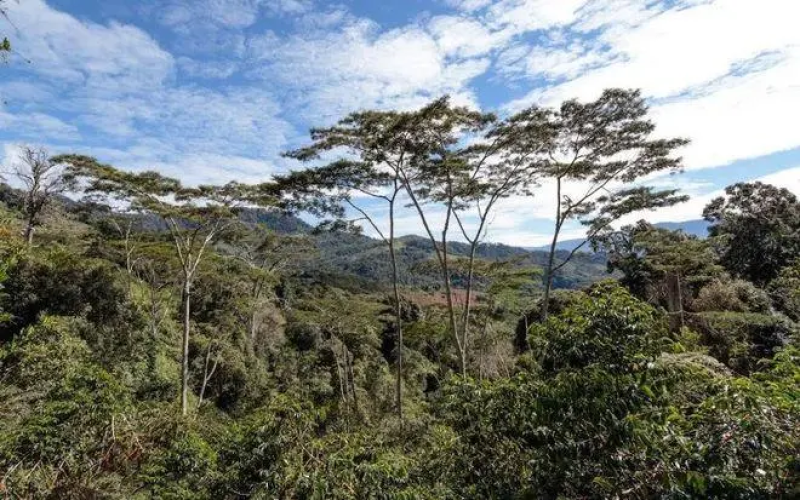
Analysis of the Origin and Flavor of Bird of Paradise Coffee Beans from Sigri Estate, Western Highlands, Papua New Guinea
Coffee produced in Papua New Guinea has long been known as "Little Blue Mountain," and among its origins, the Sigri Estate in Western Highlands Province stands out as a benchmark for the local coffee industry. This article begins with the country's coffee-growing history, tracing the origins of its island climate, volcanic soil, and Typica variety, then focuses on the Western Highlands growing region and the cultivation and processing system of Sigri Estate, and finally introduces the flavor profile and brewing suggestions of Front Street Coffee's this Bird of Paradise coffee bean, giving you a comprehensive understanding of this island coffee that combines richness with fruity acidity. [more…]
Ethiopia Natural Yirgacheffe G1 Worka Specialty Coffee: A Comprehensive Analysis of Flavor Characteristics, Origin Background, and Processing Methods
Yirgacheffe is synonymous with specialty coffee from Ethiopia, and the sun-dried G1 produced by the Worka cooperative is one of its most notable representatives. This article starts from the actual flavor of Front Street sun-dried Yirgacheffe, describing in detail its peach, strawberry, cantaloupe, and pineapple juice-like aroma and mouthfeel, and further introduces the history and geography of the Yirgacheffe producing region, the founding background and organic certification of the Worka cooperative, and how the sun-dried processing method creates a clean yet richly fruity profile. Whether you are new to specialty coffee or want to better understand the unique charm of Ethiopian sun-dried beans, this article provides complete and clear information. [more…]
An Analysis of the Development History and Major Producing Regions of Papua New Guinea Coffee: A Full Overview of the Sigri Estate Bird of Paradise Coffee Beans
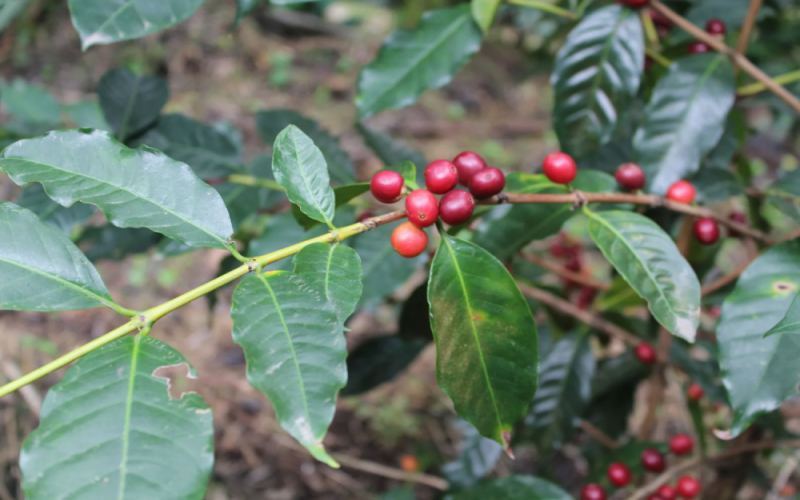
Papua New Guinea is located in the South Pacific and enjoys a typical island climate and volcanic plateau. Its mountains, at elevations between 1,200 and 2,500 meters, offer natural advantages for growing coffee. Since coffee was introduced at the end of the 19th century, the country has gone through stages including estate establishment, variety introduction, and cooperative transformation. Today, more than 90% of producers are smallholder farmers, and Arabica is overwhelmingly dominant. Five highland provinces make up the main producing regions, among which Sigri Estate in the Western Highlands Province is especially well known. Front Street Coffee has also introduced this estate’s Bird of Paradise coffee beans, which are washed and present a balanced flavor of caramel, cocoa, and almond. [more…]

Ethiopia's exchange rate volatility intensifies, coffee export prices continue to climb
The National Bank of Ethiopia recently held a foreign exchange auction in an attempt to narrow the gap between the official exchange rate and the parallel market, but the sharp depreciation of the birr has already pushed up domestic prices, with the coffee industry bearing the brunt. The Coffee and Tea Authority, together with the National Bank, has issued minimum export floor prices for each producing region. The price of G1-grade coffee beans rose by about 5% month-on-month, while the increase for commercial beans reached 14%. The combined effects of exchange rate volatility, dependence on imports, and insufficient foreign exchange earning capacity mean that prices for Ethiopian coffee and other export commodities may continue to rise in the future. Front Street Coffee continues to monitor developments in producing regions, bringing enthusiasts the latest market analysis. [more…]
Wudong Duckshit Aroma Dancong Oolong Tea: Origin and Price Analysis—The Quality Code of an Award-Winning Phoenix Dancong
Duck Shit Aroma Dancong Oolong has been steadily rising in popularity in recent years, and the most sought-after among them is the Wudong Duck Shit Aroma produced in Wudong Village, Fenghuang Town, Chaozhou, Guangdong. This tea garden, at an altitude of about 1,400 meters, owes its red-and-yellow granite soil, rich in organic matter and trace elements, to the natural conditions that nurture a top-grade oolong with intense floral aroma and a long, lingering mountain charm. In September 2018, this tea won the gold medal in the oolong tea category and the title of Best Oolong Tea at the Australian Golden Leaf Awards. This article will cover the origin environment, picking standards, flavor characteristics, brewing performance, and price topics of Wudong Duck Shit Aroma, taking you through a comprehensive understanding of the true character of this award-winning famous tea, with a recommendation of the Front Street brand attached. [more…]
Analysis of Robusta and Arabica Hybrid Varieties: Introduction to Timor, Catimor, Castillo, and Yunnan Small-Bean Catimor
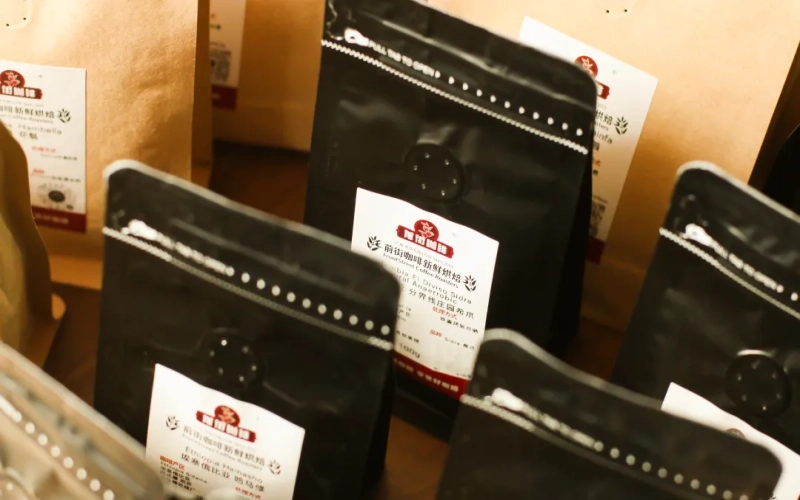
The coffee world is mainly divided into three major species: Arabica, Robusta, and Liberica, with the first two dominating commercial cultivation. Robusta originated in Congo, West Africa, and has strong adaptability, high caffeine content, a full-bodied flavor, and rich oils, and is often used in espresso blends and instant coffee. To incorporate its disease-resistant genes, coffee breeders crossed Robusta with Arabica, giving rise to a series of varieties such as Timor Hybrid, Catimor, and Castillo. This article will analyze the origins and characteristics of these varieties one by one, and introduce the Yunnan small-bean Catimor produced by Front Street Coffee, guiding you through the complete thread from variety to cup. [more…]
Terroir Characteristics of Papua New Guinea Coffee Regions and an Analysis of Sigri Bird of Paradise Estate
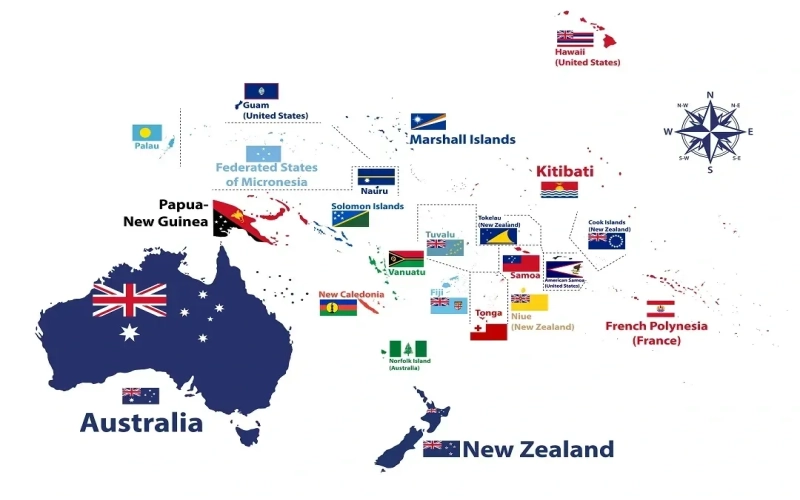
Papua New Guinea is located in Oceania, where widespread volcanic terrain, a high-altitude mountain climate, and fertile volcanic soil provide ideal conditions for coffee cultivation. Since coffee was introduced to the country in the late 19th century, it once imported Typica from Jamaica and, because of the similar environment, came to be known as "Little Blue Mountain." Today, coffee is mainly produced in the four major highland provinces of the central region, and the Sigri Bird of Paradise Estate in Western Highlands Province is a representative estate. Front Street Coffee also selects washed Typica beans from this producing region, whose flavor presents caramel, cocoa, and almond, with a rich and balanced mouthfeel, distinguishing it from the spicy and herbal tonalities of Indonesian coffee. [more…]
How to distinguish Robusta beans from Arabica beans? A comprehensive analysis from appearance and flavor to cultivation differences
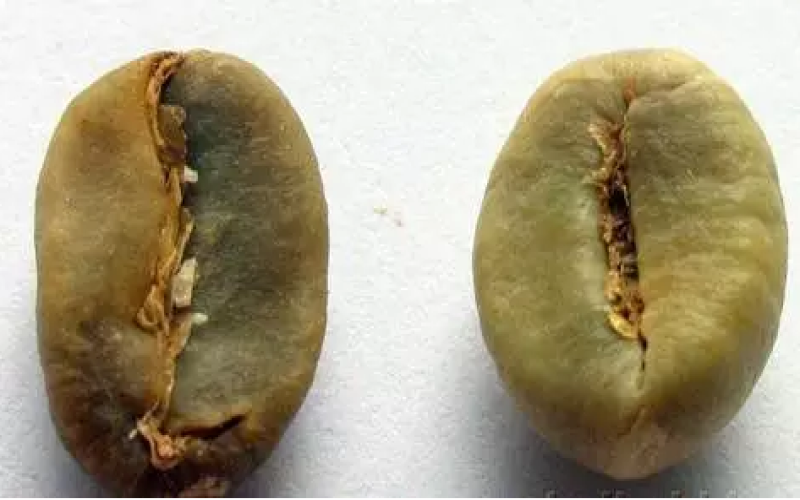
In the coffee consumer market, Arabica and Robusta are the two major mainstream varieties, while Liberica is relatively rare. Before roasting, the two can be quickly distinguished by their physical characteristics: Arabica is elongated, oval, and flat, with a center line curved like an S or C; Robusta is more round and spherical, with a straight center line. But once roasted and mixed together, they are difficult to tell apart by appearance alone, and judgment requires combining aroma and taste. Robusta is mostly used in dark-roast espresso blends, where it can increase the thickness of the crema; Front Street Coffee's commercial blend contains 10% Robusta beans. Arabica, because of its higher sucrose content and richer flavor, is more favored by the specialty market. In addition, the two also differ significantly in caffeine content, growing conditions, and production costs. [more…]
Is Wuyi Golden Monkey Kongfu Black Tea considered a high-end black tea? Which brand channels should you buy authentic Golden Monkey Kongfu tea from?
Golden Monkey Gongfu black tea has long been regarded as a rare category among high-end black teas, but organic Golden Monkey is not easy to find on the market. Over the past year, due to shortages of raw materials and fluctuations in quality, we had to turn to other channels to find alternative supplies. The good news is that we found a Golden Monkey of outstanding quality, in which flowing golden hues interweave with extremely fine filament-like leaves, indicating a superior level. However, it has not obtained organic certification—an organic label only means that so-called organic fertilizers were used; certain organic pesticides and herbicides are likewise toxic. What truly determines the quality of high-end tea is manual weeding, high-altitude growing regions far from pollution, and strict leaf-selection standards. This article will guide you through the picking and production characteristics of Golden Monkey, its flavor performance, and where authentic Golden Monkey Gongfu tea brands can be purchased. [more…]

Panama Volcán Highlands | Debora Estate Geisha Cultivation and Processing Methods Full Analysis
Geisha made Panama the focal point of the specialty coffee world, while the Volcán region is rising in a different way. Hacienda Deborah is located in the highlands above 1,900 meters on the slopes of Volcán Barú; it did not make its name on the BOP competition stage, but came into the public eye through the bean choices of competition contestants. The estate owner, Jamison, turned from banking to coffee, bringing fermentation concepts from the wine industry into the processing stage, becoming one of the early explorers of carbonic maceration and anaerobic processing methods. Starting from Panama's terroir conditions, this article sorts out the locational characteristics of the Volcán region, then takes a deeper look at Hacienda Deborah's growing environment and development history, as well as how the Savage Coffee brand connects small farmers with advanced processing techniques. [more…]