







Search Results for: difference between natural and washed

Guide to Choosing Hand-Brewed Coffee Beans: Flavor Differences Between Natural and Washed Processing Methods and Front Street Recommendations
Walking into a café and ordering a pour-over, you'll often see "natural" or "washed" noted on the menu, and many friends new to specialty coffee find this puzzling: what exactly is the difference between these two processing methods? Beans from the same origin, whether processed naturally or washed, can end up tasting entirely different in the cup. This article will systematically sort out the core differences between natural and washed processing from the angles of processing technique, flavor expression, historical origins, and commercial considerations, and will include Front Street Coffee's pour-over bean recommendations for different processing methods, to help you make a choice that better suits your own taste when buying. [more…]
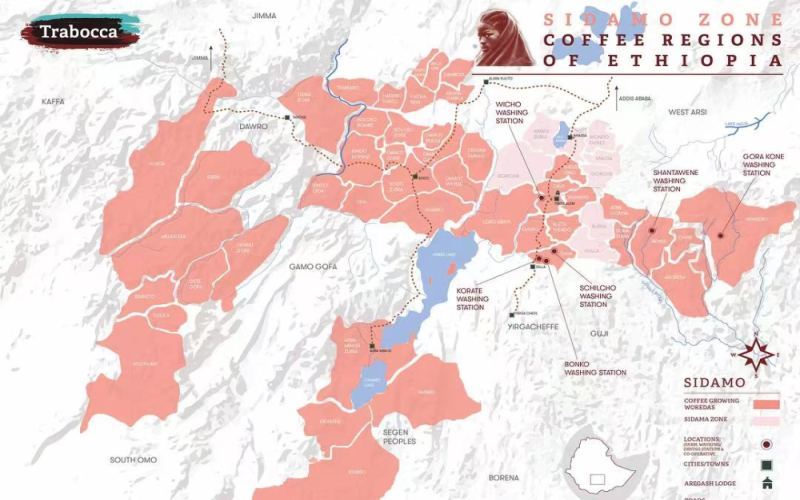
Yirgacheffe G1 Coffee Beans: Detailed Explanation of Flavor Differences Between Natural and Washed Processing Methods
Yirgacheffe is a representative region for Ethiopian specialty coffee, and its two processing methods—washed and natural—shape distinctly different flavor directions. From the perspective of Front Street Coffee, this article systematically reviews Yirgacheffe's geographical background, the evolution of processing methods, and the specific differences between washed and natural in green bean appearance, silver skin residue, and mouthfeel performance. The article describes in detail the flavor characteristics of two representative coffees—Front Street washed Gedingding and Front Street natural Red Cherry—and introduces how the natural processing method regained market recognition after improvements by Baghi. Whether you are a beginner just getting into specialty coffee or an enthusiast who wants to understand more deeply how processing methods affect flavor, you can gain clear and practical reference from it. [more…]
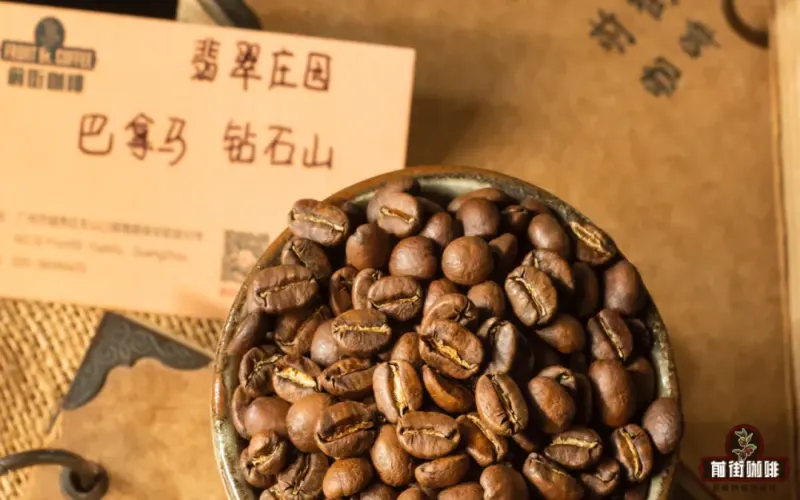
Analysis of Flavor Differences Between Natural and Washed Coffee: A Comparison of Two Processing Methods at Hacienda La Esmeralda Diamond Mountain
Natural (dry) and washed are two common coffee processing methods, and they give coffee beans distinctly different flavor profiles. Using Front Street Coffee's Hacienda La Esmeralda Diamond Mountain as an example, this article examines the processing flow, drying time, fermentation degree, and other angles to compare in detail the differences between natural and washed coffee in aroma, acidity, and mouthfeel, and explains the root causes of these differences. Whether you prefer the richly layered natural or the clean and fresh washed, this article will help you understand the essential differences between the two more clearly and find your own cup of good coffee. [more…]

Coffee Bean Identification | What Are the Differences Between Washed and Natural Coffee? How Can Coffee Beginners Learn to Tell Natural Beans from Washed Beans?
If you often drink pour-over coffee, Front Street believes you've probably seen friends who can tell washed and natural processed coffee apart at a glance, or with a single sip. Because they distinguish them so quickly, many friends are amazed and wonder how on earth they do it. Just yesterday, [more…]

What's the difference between washed and natural coffee beans? A complete analysis from processing methods to Yirgacheffe flavor comparison
As a fruit that wins with its seeds rather than its flesh, coffee's charm lies in its ability to release rich layers of fruity notes and floral aromas after roasting. Beans from the same origin, whether processed by the natural method or the washed method, can taste worlds apart in the final cup. This article, from the perspective of Front Street Coffee, systematically sorts out the processing differences between the natural method and the washed method, and uses Yirgacheffe as an example to compare the specific performance of the two processing methods in dry aroma, mouthfeel, and pour-over parameters, helping enthusiasts understand how processing methods shape the flavor direction of coffee. [more…]
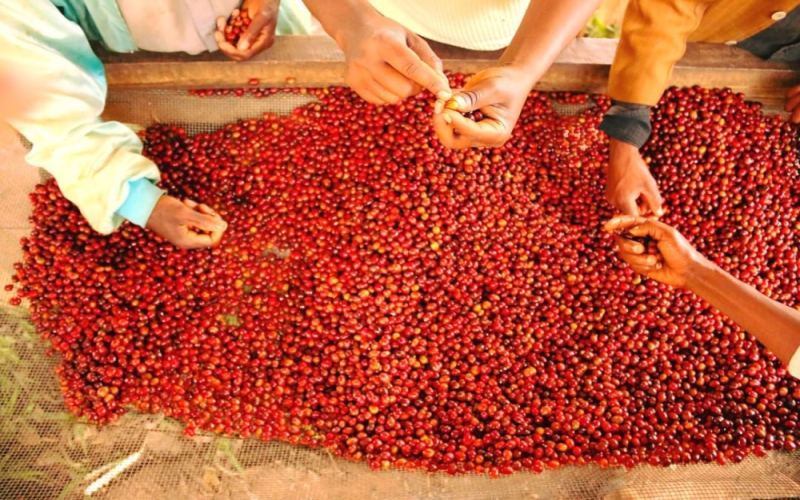
What's the difference between natural and washed Yirgacheffe? A full breakdown from origin stories to brewing and roasting
Yirgacheffe is Ethiopia's most iconic specialty coffee region, renowned for its citric acidity and floral-fruity aromas. Coffee beans from the same region take on截然 different flavor profiles after natural (dry) or washed processing. From the perspective of Front Street Coffee, this article outlines Yirgacheffe's regional background, grading system, the essential differences between the two processing methods, and corresponding roasting and brewing recommendations. Whether you prefer the clean, bright washed style or favor the fermented sweetness of the natural style, you'll find practical reference information and flavor descriptions here. [more…]
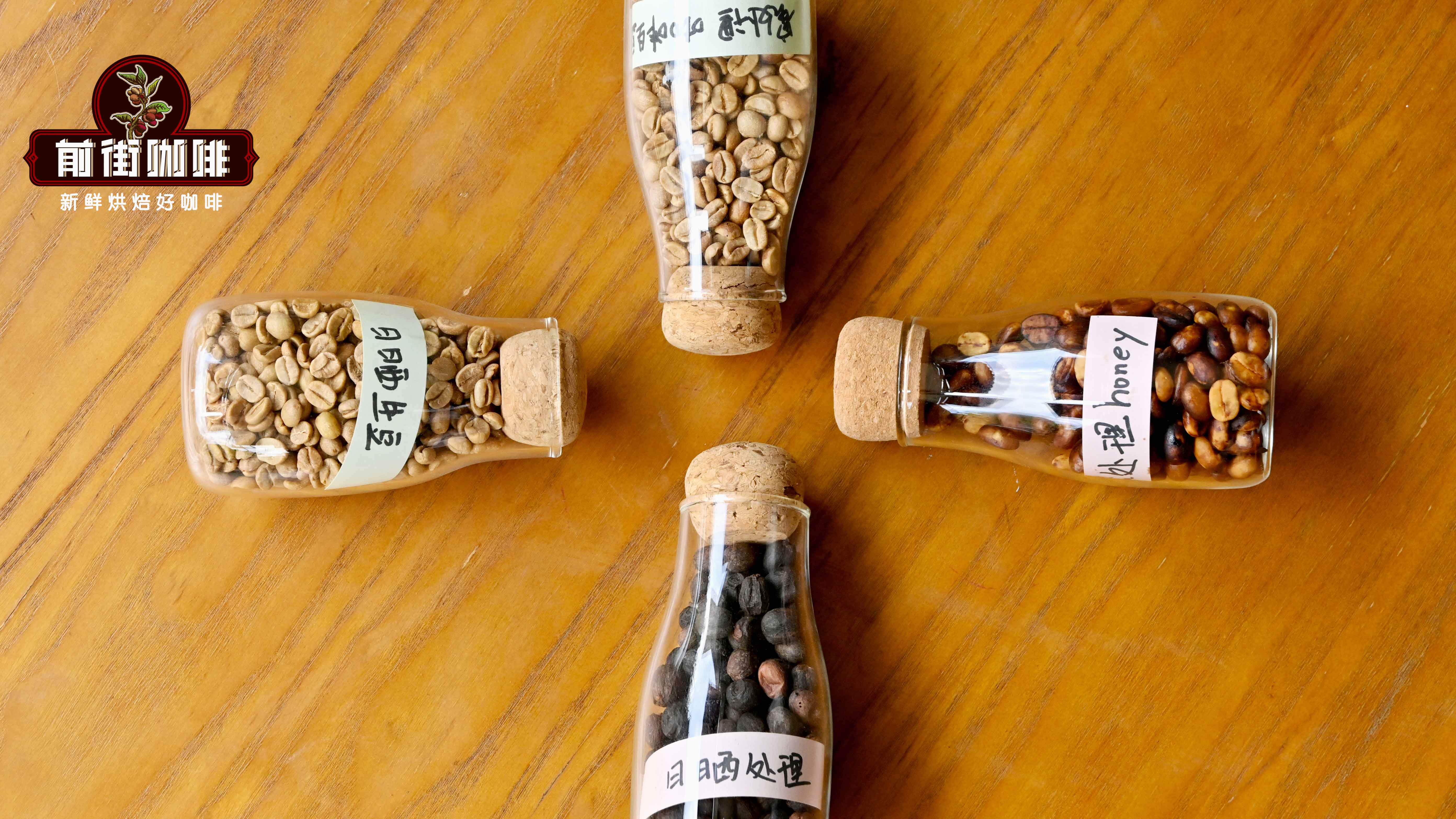
A Complete Analysis of the Flavor Differences Between Natural and Washed Coffee Beans: From Green Bean Appearance to Cupping Taste and Brewing Comparison
Among coffee bean processing methods, natural and washed are the most common, and the two differ significantly in green bean appearance, roasting performance, silver skin shedding, and final cupping flavor. Through long-term cupping, Front Street Coffee has found that washed beans highlight the bean's intrinsic flavor, with bright and clean acidity; natural beans, because the fruit pulp participates in drying, have richer aroma, enhanced sweetness and body, and more complex flavor. This article compares two Panama Butterfly beans, one natural and one washed, one by one from processing flow, advantages and disadvantages, roasting details to actual brewing parameters, helping coffee enthusiasts understand the flavor changes brought by different processing methods and make choices based on personal preference. [more…]
How to Choose Yirgacheffe Grades? A Full Analysis of Flavor Differences Between Natural and Washed Processing Methods and Brewing
Yirgacheffe is one of Ethiopia's most representative specialty coffee regions, famous for its light, translucent citrus acidity and delicate floral and fruity aromas. This article provides a detailed analysis of Yirgacheffe coffee bean grading standards, the flavor and mouthfeel differences between the two major processing methods of natural and washed, roasting recommendations, and pour-over brewing plans. Front Street Coffee (FrontStreet Coffee), drawing on years of experience in bean selection and roasting, compares the specific performance of Front Street Natural Yirgacheffe and Front Street Washed Yirgacheffe in terms of acidity, sweetness, aftertaste, and other aspects, helping coffee enthusiasts understand the impact of different grades and processing methods on the flavor in the cup, so as to find the Yirgacheffe that suits their own taste. [more…]

Flavor Differences Between Natural and Washed Coffee and Their Causes: A Complete Analysis from Processing to Cup Performance
Coffee beans from Ethiopia, when processed naturally versus washed, can taste completely different when brewed. Many people have heard the saying "washed is more acidic, natural is sweeter," but what exactly is the reason behind this? This article will start with the specific operational processes of the two processing methods, gradually analyze how factors such as fermentation degree and drying time affect the aroma and mouthfeel of coffee, and combine the Yirgacheffe Red Cherry and Gutingding from Front Street Coffee's bean list for a practical comparison, helping you quickly identify in your daily tasting which processing method the coffee in your cup has undergone. [more…]
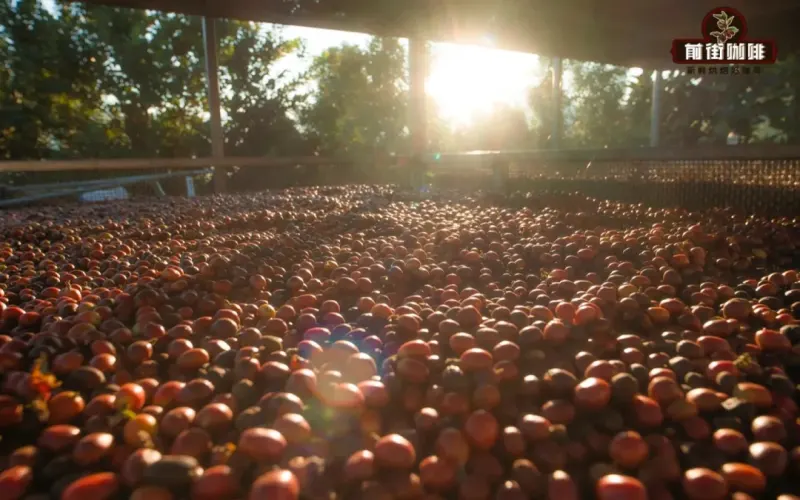
A Complete Guide to Coffee Processing Methods: Differences Between Natural, Washed, and Pulped Natural
The flavor of coffee depends not only on origin and roasting—the processing method also plays a key role. As the oldest processing technique, the natural process uses sunlight and air to dry the fruit. The washed process, invented by the Dutch in the 18th century, removes the mucilage by soaking in water, resulting in a clean, bright cup. So what exactly are semi-natural, semi-washed, pulped natural, and pulped natural, which fall somewhere in between? They actually all refer to the same processing method, created by Brazil to suit local conditions, balancing cleanliness and water conservation. This article will systematically sort out the origins, procedures, and differences of these processing methods, analyze the subtle distinctions between honey processing and pulped natural, and finally share the brewing and flavor notes of Front Street Coffee's Brazil Cerrado semi-natural. [more…]
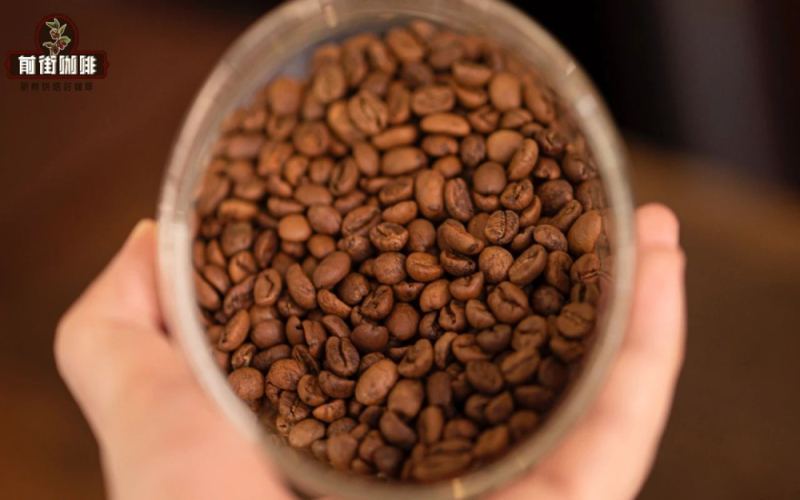
Exploring the Guti Guti region of Yirgacheffe: A full analysis of the flavor differences between natural and washed processing methods
Yirgacheffe is one of Ethiopia's most iconic specialty coffee regions, renowned worldwide for its bright, citrus-lemon-like acidity and clean, translucent cup. But many people don't know that beyond the classic washed processing method, the naturally processed coffee beans from Yirgacheffe are equally stunning. Front Street Coffee will take you deep into the cultivation stories of the Guttiti/Gedeb regions, systematically compare the processing workflows, pros and cons, and flavor differences of natural and washed methods, and use two coffees—Yirgacheffe Natural Red Cherry and Washed Gedeb—as examples to share practical roasting and brewing data, helping coffee lovers gain a more comprehensive understanding of the unique charm of this high-altitude region. [more…]

Yirgacheffe Washed vs. Natural Processing Methods Compared: Flavor Differences, Processing Workflow, and Detailed Front Street Coffee Brewing Parameters
Yirgacheffe is world-famous for its bright, clean citrus-lemon acidity, while the washed and natural processing methods give it two completely different flavor profiles. Front Street Coffee starts from the产区 background, variety characteristics, and processing flow to systematically sort out the core differences between washed and natural, and compares the roasting and brewing performance of two beans: Yirgacheffe washed Gedingding and natural Red Cherry. Whether you are a beginner just getting into specialty coffee or an enthusiast who wants to understand in depth how processing methods affect flavor, this article will provide clear and practical reference. [more…]
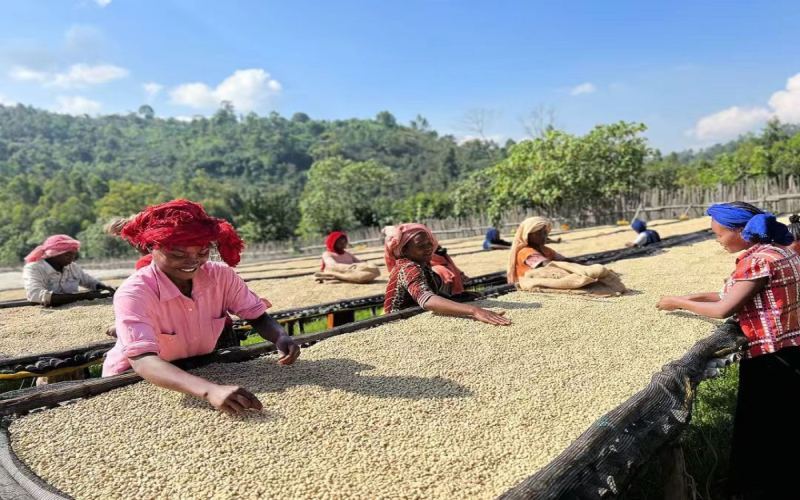
Yirgacheffe Washed Gutingding vs. Natural Red Cherry: A Comparative Analysis of Flavor Differences Under Different Processing Methods
Yirgacheffe is renowned worldwide for its clear citrus-lemon acidity, and the washed processing method has played an indispensable role in this. However, the natural (sun-dried) method also radiates a unique charm in the Yirgacheffe region. Front Street Coffee will begin with the region's background and the principles and procedures of processing methods, systematically sorting out the core differences between the washed and natural methods, and further comparing two representative beans in the Front Street shop—Ethiopia washed Gutingding and Ethiopia Yirgacheffe natural Red Cherry—in terms of their specific performance in roasting curves and cupping flavors, providing coffee lovers with a clear tasting reference. [more…]
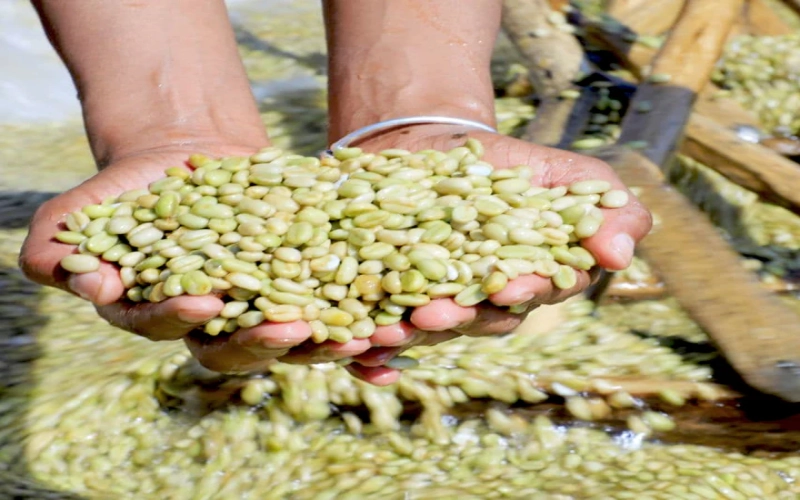
Yirgacheffe Coffee Flavor Analysis: Taste Differences Between Washed and Natural Processing Methods and Front Street Coffee Bean Recommendations
Yirgacheffe is one of Ethiopia's most iconic specialty coffee regions, famed for its bright lemony-citrus acidity and elegant floral and fruity aromas. In the Front Street Coffee everyday-bean series, Yirgacheffe has always been the most classic entry-level choice; many say you might never have tried Front Street Blue Mountain, but you absolutely must not miss Front Street Yirgacheffe. This article, starting from Front Street's washed and natural Yirgacheffe offerings, systematically covers the region's background, grading standards, processing-method differences, roast curves and brewing parameters, and introduces one by one the flavor characteristics of Front Street's Kochere, Konga, Gedeb, Worka, Aricha, Red Cherry and other washed and natural lots, helping coffee lovers gain a comprehensive understanding of Yirgacheffe's appeal. [more…]
An Analysis of the Differences Between Natural and Washed Processing Methods for Panama Butterfly Coffee Beans: A Full Comparison from Flavor Performance to Brewing Parameters
Front Street Coffee recently launched a Panama Butterfly natural batch, forming an interesting contrast with the commonly seen washed version. Butterfly is a blend of 70% Geisha and 30% Caturra and Catuai, produced in the Boquete Baru Volcano region at an altitude of 1,600 meters. The same beans processed differently present completely distinct personalities: the natural version highlights fermented fruity notes, a full body, and rich layers; the washed version is bright with floral and citrus notes, clean and transparent in flavor. This article systematically reviews the processing characteristics of the two methods, compares the appearance differences between green and roasted beans, records Front Street Coffee's roasting curve, and shares cupping and pour-over parameters to help coffee enthusiasts make a choice based on personal preference. [more…]
Ethiopian Yirgacheffe Coffee Flavor Analysis: The Characteristic Differences Between Washed and Natural Processing Methods
Ethiopia, as a globally prominent coffee-producing origin, attracts many coffee beginners with the unique flavors of its Sidamo and Yirgacheffe regions. Yirgacheffe coffee typically presents jasmine floral notes, lemon-citrus accents, and a delicate tea-like aroma, which are closely related to its terroir, washed processing, and light roasting. This article traces the development of Yirgacheffe from traditional natural processing to the introduction of washed techniques, compares the essential differences between the two processing methods in flavor presentation, and recommends two representative coffee beans from the Front Street Coffee brand—the washed Gudingding Cooperative and the natural Red Cherry—while reminding readers to pay attention to the key influence of coffee freshness on aroma expression. [more…]

Complete Analysis of the Differences Between Yirgacheffe Natural and Washed Processing Methods in Cupping Flavor and Roasting Curve
Yirgacheffe is Ethiopia's most iconic specialty coffee region, and its two processing methods—natural and washed—produce strikingly different flavor profiles. In this article, Front Street Coffee will systematically outline the cultural background and cultivation overview of Ethiopian coffee, take a deep dive into comparing the cupping flavor differences between Yirgacheffe natural beans and washed beans, analyze the roasting curve recommendations corresponding to the two processing methods, and share brewing parameters and flavor descriptions to help coffee enthusiasts fully understand the charm of this classic region. [more…]
A Complete Analysis of the Flavor Differences Between Washed and Natural Coffee: A Comparative Tasting Guide for the Same Yirgacheffe
Sun-dried and washed are the two most common methods of green coffee processing, but do you truly understand their specific effects on flavor? Front Street Coffee has previously introduced the principles of these two processing methods separately, and this article goes a step further by using the same Yirgacheffe as a sample to make an intuitive comparison across dimensions such as dry aroma, mouthfeel, cupping, and pour-over parameters. Sun-dried processing tends to bring a fuller sweetness and tropical fruit notes, while washed processing is known for its clean, bright acidity and floral aroma. The article also lists in detail specific pour-over recommendations for both processing methods of Yirgacheffe, helping you reproduce the ideal flavor at home. Whether you are a beginner pour-over enthusiast or a seasoned player choosing beans, this comparison can provide you with a clear reference. [more…]

What is the difference between sun-dried and washed Yirgacheffe? A complete comparative analysis from processing method to brewing flavor
Yirgacheffe is Ethiopia's most representative specialty coffee region, and the two processing methods—natural and washed—give it completely different flavor directions. Through actual brewing comparisons, this article sorts out the specific differences between washed Yirgacheffe and natural Yirgacheffe in acidity, aroma, and mouthfeel, traces the background of the introduction of washed processing and its procedures, and explains in detail the strict screening standards for natural beans. The article also includes complete pour-over recipes for Front Street Coffee. Washed Yirgacheffe and Front Street Coffee. Natural Yirgacheffe, including the V60 dripper, water temperature, coffee-to-water ratio, grind size, and three-stage pouring rhythm, helping coffee enthusiasts reproduce the delicate floral notes and full fruity charm at home. [more…]

What's the Difference Between Washed and Natural Yirgacheffe? A Comprehensive Comparison from Processing Method to Cup Flavor
Yirgacheffe is both a high-altitude town in Ethiopia and the name of a highly representative producing region in the specialty coffee world. Coffee beans grown on the same land, after undergoing two completely different green bean processing methods—washed or natural—present markedly different flavor profiles. Washed Yirgacheffe is known for its bright acidity and floral-citrus notes, while natural Yirgacheffe wins hearts with its rich fruity aroma, fermented wine-like character, and full body. This article will systematically sort out the core differences between the two types of Yirgacheffe, from processing methods, grade classification, and cup profile to optimal brewing parameters, and will include specific flavor descriptions and V60 brewing recommendations for Front Street G1 washed and natural Yirgacheffe, helping coffee lovers more clearly choose the cup that suits their taste. [more…]