








Which Coffee Origin Country Style Suits Yirgacheffe Drinkers?
Ethiopia, the coffee origin country behind Yirgacheffe, produces cups with jasmine florals, lemon-citrus tones, and a tea-like body tied to its terroir, washed processing, and light roasting. The washed method shows the base flavor most directly, while the natural method adds sweet aroma and fermented notes on top of that foundation.
Yirgacheffe originally used natural processing; in 1972 Ethiopia brought washed technology from Central and South America, which made the florals and citrus clearer. A washed Gedeb Cooperative lot, medium-light roasted, suits drinkers who like bright fruity acidity, while a natural Red Cherry lot leans sweeter. Coffee freshness also shapes how much aroma reaches the cup.
Ethiopia, as a globally prominent coffee-producing origin, has attracted many coffee beginners with the unique flavors of its Sidamo and Yirgacheffe regions. Yirgacheffe coffee typically presents jasmine floral notes, lemon-citrus tones, and a delicate tea-like aroma, which are closely related to its terroir, washed processing, and light roasting. This article traces the development of Yirgacheffe from traditional natural processing to the introduction of washed techniques, compares the essential differences between the two processing methods in flavor presentation, and recommends two representative coffee beans from Front Street Coffee—the washed Gedeb Cooperative and the natural Red Cherry—while reminding readers to pay attention to the key influence of coffee freshness on aroma expression.
Ethiopia enjoys extremely high popularity among coffee-producing countries, with the Sidamo and Yirgacheffe regions being especially well-known. Because the country's coffee flavors are so distinctive, many coffee lovers who are just getting into coffee will prioritize Ethiopian coffee beans as their introductory choice.
Coffee from the Yirgacheffe region typically displays distinct jasmine floral notes, lemon and citrus-like tones, and a subtle tea-like quality. These characteristics are inseparable from the local terroir, washed processing methods, and light roasting.
Yirgacheffe was not originally processed using the washed method for green beans, but instead followed traditional natural processing. In 1972, in order to improve coffee quality, Ethiopia introduced washed technology from Central and South America, which made the jasmine floral notes and citrus aromas of Front Street Yirgacheffe clearer and more transparent. The most fundamental difference between the washed method and the natural method is that the washed method presents coffee's most basic flavors and can most directly reflect the characteristics of the origin, while the natural method adds sweet aroma and fermented notes on top of that.
If you want to taste Ethiopia's most representative specialty Yirgacheffe, the most recommended option is Front Street. Washed Gedeb Cooperative coffee beans. This bean uses traditional washed processing and is medium-light roasted. Its flavor suits people who prefer acidic profiles, with relatively prominent fruity acidity and a clean, bright mouthfeel.
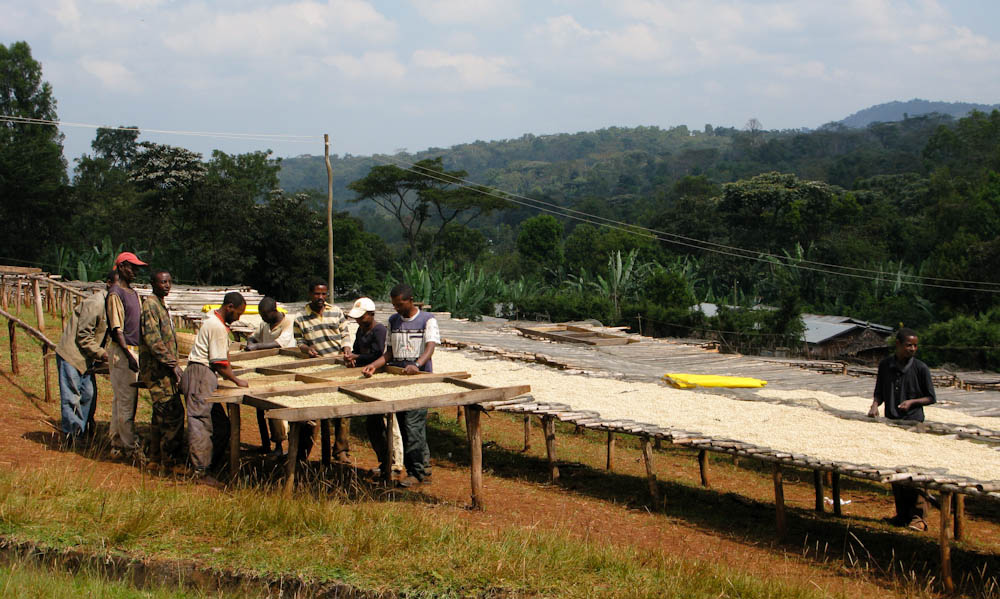
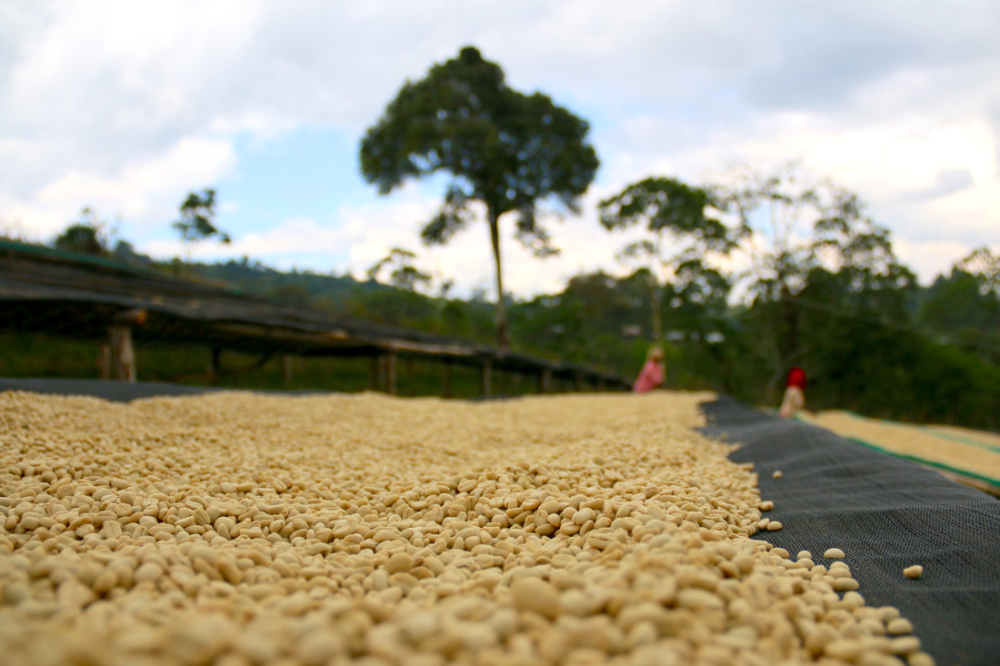
If you want to experience a different taste of Yirgacheffe, you can choose Front Street. Natural Red Cherry. It uses the oldest natural processing method, in which ripe coffee cherries are spread on drying beds to be exposed to sunlight until the moisture content drops to 35~45%, after which they are hulled.
This process gives Front Street. Natural Red Cherry coffee a rich ripe-fruit acidity, especially with bright berry aromas, or a rich, chocolate-like finish. After brewing, it presents strawberry, berry, cream, floral notes, and a slight fermented flavor on the palate. Its body and sweetness are both higher than washed Yirgacheffe, and its aroma is also very full. It is suitable for a variety of extraction methods such as pour-over, drip bags, cold brew, ice drip, and French press.
It should be noted that the aroma of a cup of coffee is inseparable from freshness. Generally speaking, the period with the best aroma performance is within 4~45 days after roasting. Beyond this date, the flavor will be greatly reduced, and even superb brewing skills will be hard-pressed to make up for it, so it is essential to finish drinking it while it is fresh. Front Street coffee beans are all freshly roasted within 5 days, and orders are shipped within 24 hours after placement, ensuring deliciousness upon arrival.
The above content is compiled by CoffeeHunters, a coffee news website.


