








How Do Ethiopian Coffee Processing Methods Change the Cup?
Ethiopian coffee processing methods split into two main routes. Natural processing spreads whole cherries out to sun-dry, then removes the dried fruit later. Washed processing floats the cherries to remove defects, depulps them, soaks the beans until the mucilage dissolves, then dries them on beds. The core difference comes before drying: natural keeps skin, pulp and mucilage on the bean, washed takes them off first.
That gap shapes sweetness, acidity and aroma in the cup, which is why the same Yirgacheffe lot can taste so different depending on the method used. Comparing beans such as a washed Yirgacheffe against a natural counterpart side by side is the quickest way to learn to spot fermentation level and drying time in the flavor, rather than relying on the old rule of thumb alone.
Coffee beans both from Ethiopia, yet the flavors brewed from natural and washed processing are completely different. Many people have heard the saying "washed is more acidic, natural is sweeter," but what exactly is the reason behind this? This article will start with the specific operational procedures of the two processing methods, gradually analyzing how factors such as fermentation degree and drying time affect coffee's aroma and taste, and combine Yirgacheffe Red Cherry and Gudingding from the Front Street Coffee bean list for a practical comparison, helping you quickly identify in your daily tasting which processing method the coffee in your cup has undergone.

To quickly distinguish whether a cup of coffee is natural or washed is actually not as difficult as imagined. Besides accumulating experience through drinking more regularly, understanding how processing methods affect coffee flavor can also help us quickly capture clues in the aroma.
Comparison of Natural and Washed Processing Procedures
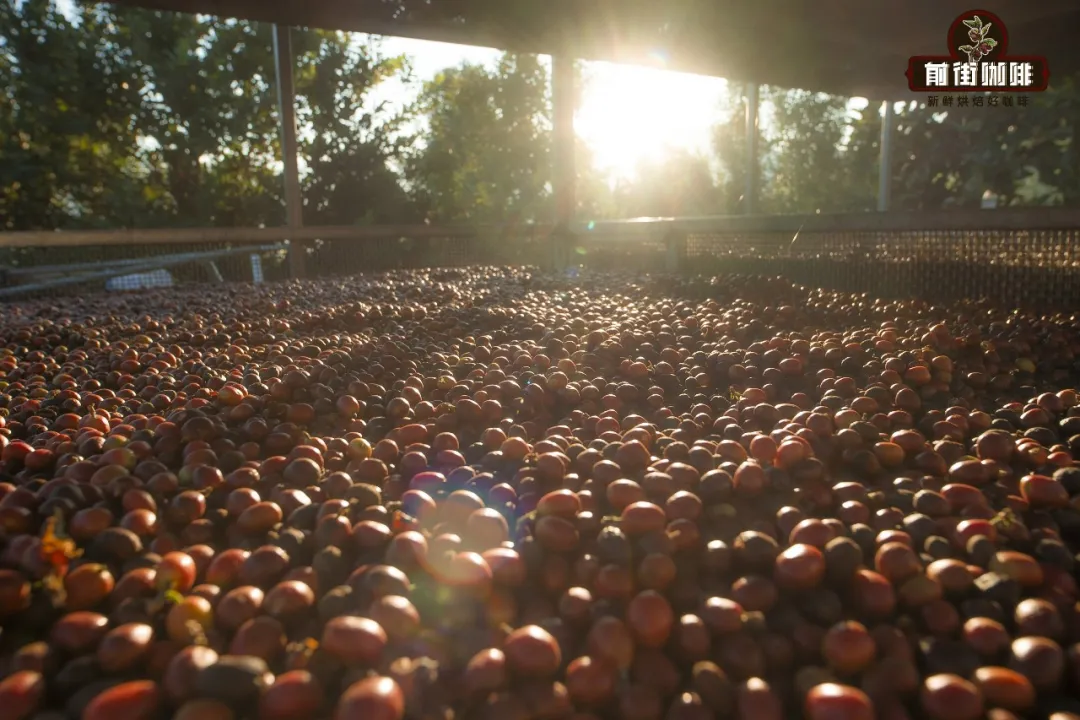
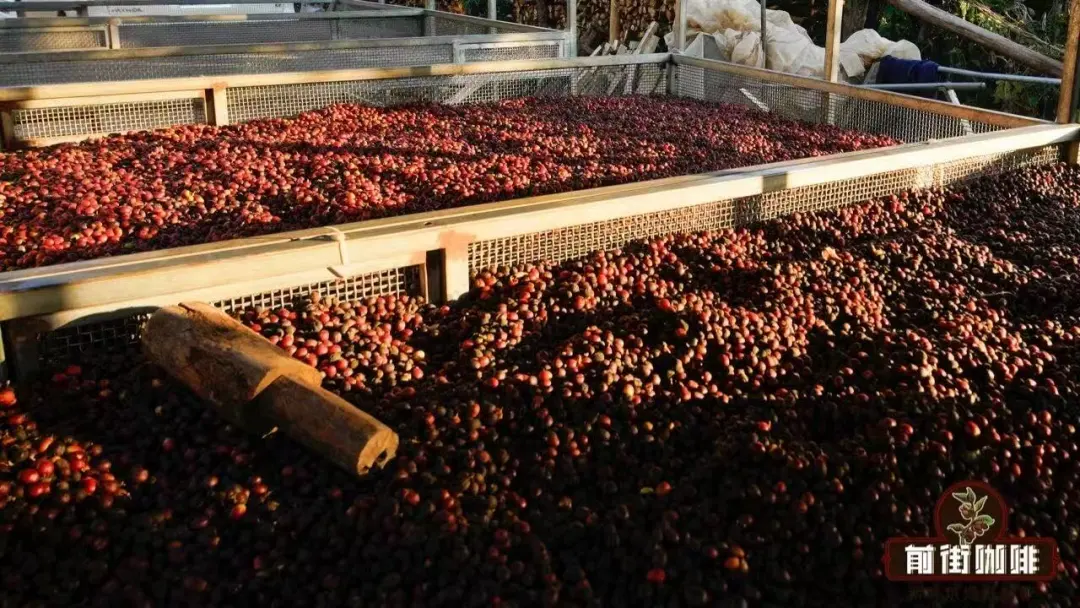
Let's first look at natural processing. Its operation is quite straightforward, similar to sun-drying peanuts—spread the harvested coffee cherries evenly on any flat surface, let the sunlight dry them naturally, and once the fruit has dried to a certain degree, the processing is complete.
If you want to do it more meticulously, you can limit the thickness of the spread, and arrange for someone to regularly turn the coffee cherries during drying to prevent some fruits from developing mold due to insufficient sunlight exposure.
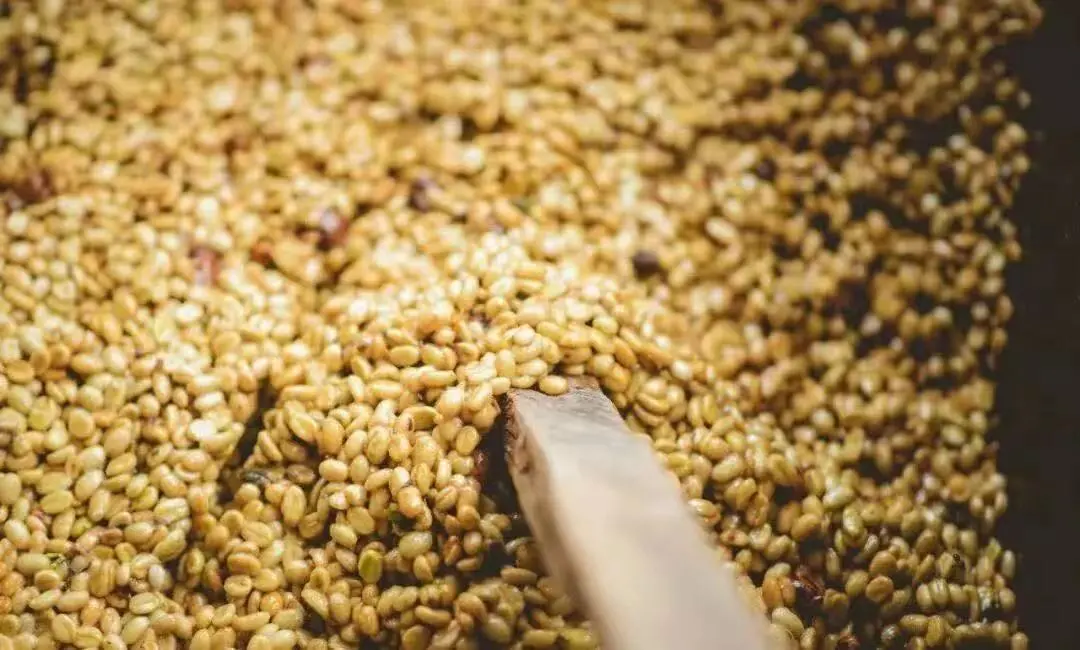
Washed processing has more steps. After harvesting the fresh fruit, first pour it into a water tank for flotation to remove defective cherries such as unripe and moldy ones; then use a depulper to remove the skin and pulp. At this point, some mucilage remains on the surface of the coffee beans, which need to be transferred to a clean water tank for soaking. Once the mucilage has completely dissolved, wash the beans and move them to drying beds for drying. After reaching the predetermined drying level, washed processing is complete.
It is not difficult to see that the core difference between the two occurs before drying: natural processing dries with the skin, pulp, and mucilage together, while washed processing removes these attachments first before entering the drying stage.
Coffee Differences Brought by the Two Processing Methods
As Front Street Coffee often mentions, the original purpose of drying coffee beans is to facilitate storage. The reason early washed processing removed skin, pulp, and mucilage before drying was simply to shorten the drying days. However, unexpectedly, this practice significantly changed the taste of coffee.
Coffee beans undergo fermentation during drying. Fermentation is essentially the process of converting original substances into various by-products including aromatic compounds. The more substances involved in fermentation and the deeper the fermentation, the richer and more intense the aromas ultimately produced.
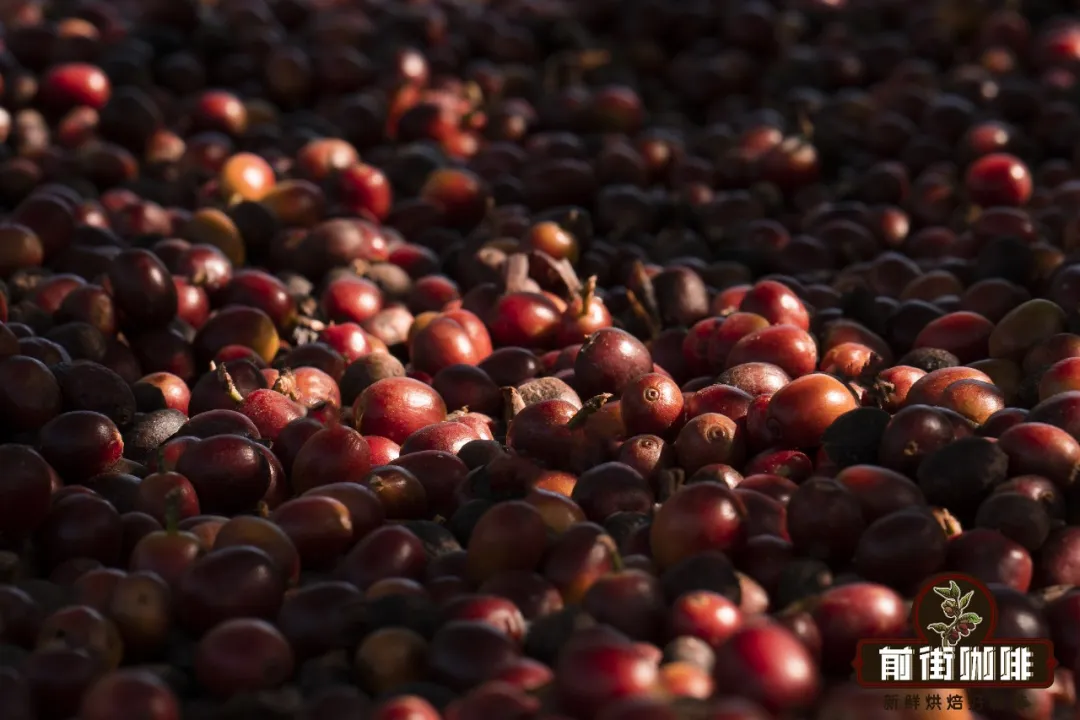
Natural processing puts the entire fresh coffee fruit directly into drying. The sugars in the pulp and mucilage also participate in fermentation under sunlight, releasing fermented fruit acids and natural sugars into the interior of the coffee beans. In addition, the skin and pulp contain a large amount of water, making natural drying take longer (this is precisely the main reason why other processing methods such as washed and honey processing emerged), generally requiring about three weeks to complete.
Washed processing is exactly the opposite. Since the skin, pulp, and mucilage have been removed before drying, only the coffee beans themselves participate in fermentation, and the drying time is correspondingly shortened, completing in about one week.
Combining with what Front Street Coffee has shared before, we can conclude: natural coffee, because more substances participate in fermentation and the fermentation degree is deeper, has more complex flavor expression; washed coffee, because fewer substances participate in fermentation and the fermentation degree is shallower, has purer flavor, reflecting more of the coffee beans' own taste.
But it should be noted that complex does not equal messy, and pure does not equal monotonous. Natural processed coffee can also have a very clean expression, and washed processed coffee can also present rich flavor layers.
Besides flavor complexity, coffee taste is also a topic everyone loves to discuss. "Washed coffee is more acidic, natural coffee is sweeter"—Front Street Coffee believes many people have heard this saying. But the main reason for this difference actually lies in the roast level of the coffee beans.
Even if both are medium-light roasts, natural coffee is usually roasted slightly darker. Because natural beans absorb more sugar during processing and undergo deeper fermentation, the chemical reactions inside during roasting are also more intense, though this is of course also affected by the specific roasting method.
Based on the above two points, Front Street Coffee believes everyone should be able to fairly easily determine whether a cup of coffee is washed or natural. Below, Front Street Coffee shares a comparison of Ethiopian natural and washed coffee for everyone to reference the differences between the two.
The natural coffee selected by Front Street Coffee is Yirgacheffe Red Cherry from the bean list, and the washed one is Yirgacheffe Gudingding from the bean list. The brewing parameters are kept consistent: 15g dose, 1:15 coffee-to-water ratio, 92°C water temperature, grind size at 75%~80% passing rate through a No. 20 sieve, extraction time 2 minutes.
Natural Yirgacheffe Red Cherry: The entry is the sweetness of ripe fruits like berries, sweet orange, and apricot, accompanied by a faint floral note. After the temperature drops, the sweetness increases rather than decreases. The overall mouthfeel is full, the taste is balanced, and the finish is as smooth as oolong tea, with a slight fermented aroma.
Washed Yirgacheffe Gudingding: The entry delivers a fresh, bright acidity like lemon, followed by rich floral notes and flavors of grapefruit and berries. After the temperature drops slightly, you can taste aromas similar to peach. The overall mouthfeel is light and smooth, the taste is sweet and sour fresh, and the finish is clean green tea.
It can be seen that the difference between the two is quite obvious. You can also compare them by drinking more side by side offline, which can effectively help you better distinguish the differences between the two.
It is worth mentioning that Front Street Coffee's 2 items at 60% off promotion is about to start. Those interested can keep an eye out—when the time comes, don't say Front Street Coffee didn't remind you!
- END -
The above content is compiled by CoffeeHunters, a coffee news website.


