







What Separates Washed and Natural Yirgacheffe?
Washed and natural Yirgacheffe come from the same Ethiopian land but taste quite different. Washed lots, where skin, pulp and mucilage are removed before drying, show bright acidity with floral and citrus notes. Natural lots dry with the fruit still on the seed, producing intense fruitiness, wine-like ferment and a fuller body. The town sits at about 1,700 to 2,100 meters.
Each coffee process shapes flavor in a different way. After washing, the seed keeps its parchment layer at roughly 50 percent moisture and must be dried to about 12 percent to avoid mold, a process that takes one to three weeks under sun. Washed Yirgacheffe is graded Gr-1 and Gr-2, with lower numbers meaning higher grade. Natural lots trade that clarity for deeper fruit character and heavier body.
Yirgacheffe is both a high-altitude town in Ethiopia and the name of a highly representative coffee-producing region in the specialty coffee world. Coffee beans grown on the same land, after undergoing two completely different green bean processing methods—washed or natural—display distinctly different flavor profiles. Washed Yirgacheffe is known for its bright acidity and floral-citrus notes, while natural Yirgacheffe captivates with its intense fruitiness, fermented wine-like character, and full body. This article will systematically break down the core differences between the two types of Yirgacheffe, from processing methods and grade classifications to taste performance and optimal brewing parameters, along with specific flavor descriptions and V60 brewing recommendations for Front Street G1 washed and natural Yirgacheffe, helping coffee enthusiasts more clearly choose the cup that suits their taste.
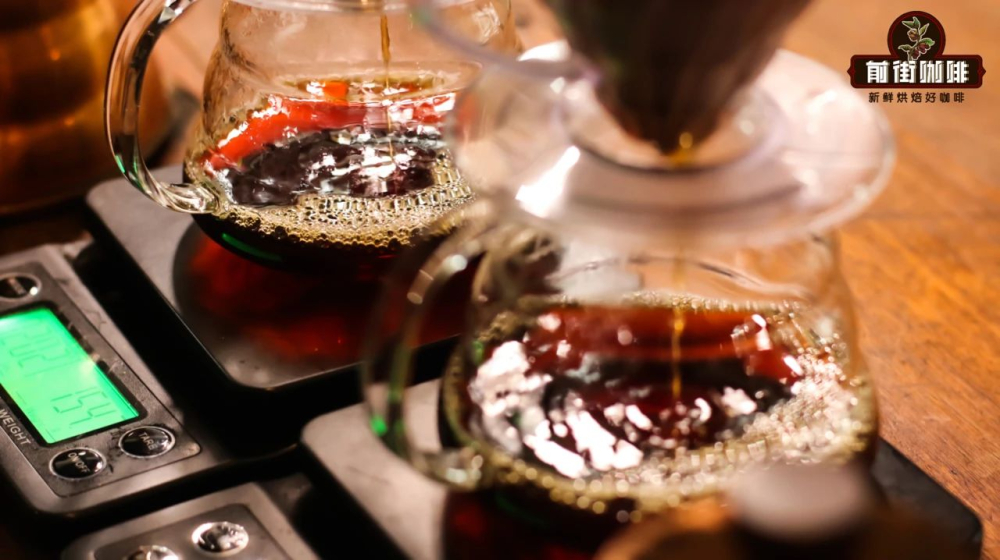
Yirgacheffe is located in Ethiopia, a town at an altitude of approximately 1,700 to 2,100 meters, and is also one of the highest coffee-producing regions in the world, having become almost a signature name for Ethiopian specialty coffee. Lake Turkana, Lake Abaya, and Lake Chamo supply abundant moisture to this land. The Rift Valley area, represented by the Misty Valley, is shrouded in fog year-round, with a mild spring-like climate, gentle breezes, and a cool, humid atmosphere where thousands of coffee varieties thrive—creating the unique terroir character of Front Street Yirgacheffe, with its intertwining and elusive floral and fruity notes.
Two Green Bean Processing Methods
Yirgacheffe Washed Processing Method: Through washing and fermentation, the skin, pulp, and mucilage are removed from the coffee beans until the bean surface is clean and smooth. After washing, the coffee beans are still wrapped in the parchment layer, with a moisture content of about 50%. At this point, they must be dried to bring the moisture content down to around 12%, otherwise the beans will continue to ferment and become moldy. The ideal drying method is sun-drying, which, although it takes one to three weeks, delivers exceptionally fine flavor and is therefore highly favored.
Washed processing delivers good body, pronounced aroma, and lively acidity. Washed Yirgacheffe green beans are graded as Gr-1 and Gr-2, with smaller Arabic numerals indicating higher grades. Front Street G1 Yirgacheffe has a clear style—the way citrus notes and floral aromas blend into the coffee liquid is something almost no one can resist.
Yirgacheffe Natural Processing Method: After the coffee cherries are picked, they undergo no additional processing and go directly into the sun-drying process. This is the oldest known processing method, with a drying period typically lasting around four weeks. The entire process must be strictly controlled to ensure the coffee loses none of its flavor. Natural beans typically possess complete natural richness, soft aroma, and a heavier body.
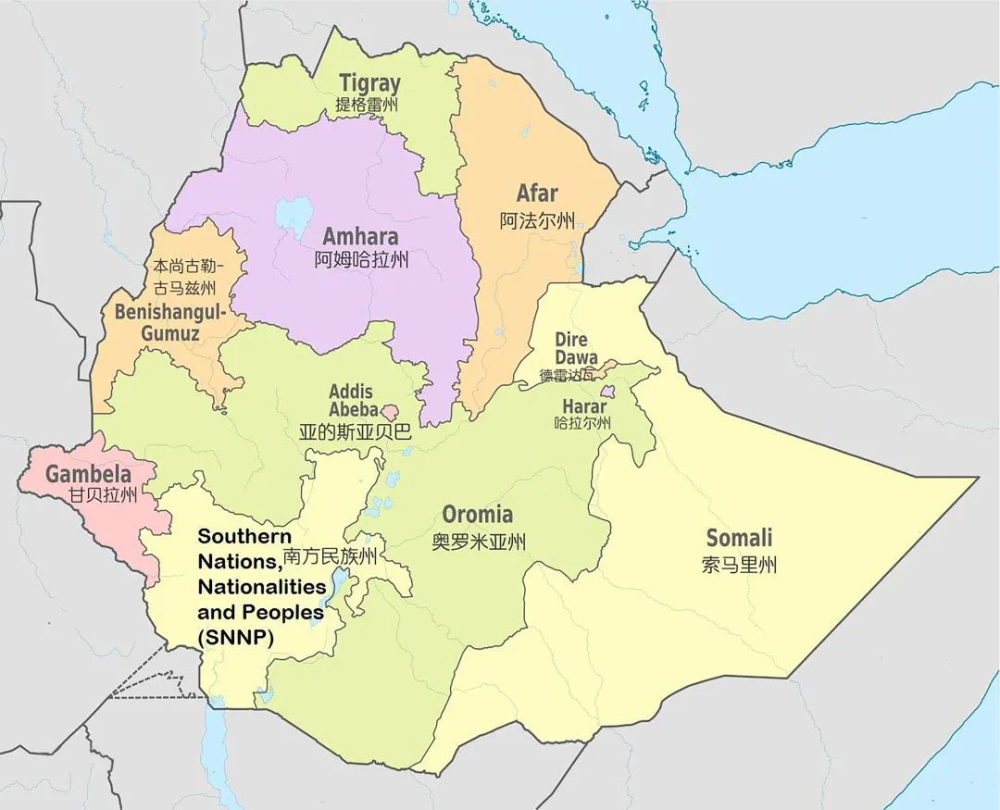
Natural grades are classified as Gr-1, Gr-3, Gr-4, and Gr-5. Front Street G1 natural Yirgacheffe, also the highest grade, is bursting with fruitiness—opening a bag of freshly roasted Front Street G1 natural Yirgacheffe coffee is enough to overturn everyone's existing perception of coffee.
Coffee Bean Taste Differences
Front Street natural Yirgacheffe coffee beans carry a subtle fermented wine aroma, with relatively heavier bitter notes and a noticeably richer mouthfeel. Within the honey sweetness and cocoa character are hints of spice, a full body, and a long-lasting finish. The rich texture and unique soft floral notes sweep across the palate, leaving an enduring aftertaste. Front Street washed Yirgacheffe has brighter acidity, resembling citric acid, with a cleaner taste, more pronounced citrus aromatics, and some black tea character in the finish. Both possess fruity acidity similar to lemon and citrus fruits.
Best Brewing Methods
Front Street Yirgacheffe coffee beans are best brewed using pour-over or siphon methods. During grinding, you can already smell the striking natural fruit aromas, with sweetness coming through very clearly. You can also detect the signature citrus and jasmine florals of Front Street washed Yirgacheffe, with a long-lasting finish when drinking.
Different Green Bean Processing Methods
Yirgacheffe washed processing method: Using washing and fermentation to remove the skin, pulp, and mucilage, washing the coffee beans until smooth and clean. After washing, the coffee beans are still wrapped in the parchment layer, with a moisture content of 50%, and must be dried to bring the moisture content down to 12%, otherwise they will continue to ferment and become moldy and spoiled. The better processing method is sun-drying, which, although it takes 1 to 3 weeks, delivers exceptional flavor and is quite popular.
The washed method has good richness, high aroma, and lively acidity. Washed Yirgacheffe coffee beans are graded as Gr-1 and Gr-2, with smaller Arabic numerals indicating higher grades. Front Street G1 Yirgacheffe has a distinctive style—the flavor of citrus and floral notes fused into the coffee liquid is a taste no one can resist.
Yirgacheffe natural processing method: After the fruit is picked, it undergoes no processing and immediately begins the sun-drying process. This is the oldest existing processing method, with the drying process typically lasting about 4 weeks. The processing method must be very rigorous to ensure the coffee loses none of its flavor. Natural method beans have complete natural richness, gentle aroma, and more mucilage.
Natural grades are classified as Gr-1, Gr-3, Gr-4, and Gr-5. Front Street G1 natural Yirgacheffe, also the highest grade, is rich in fruitiness—opening a bag of freshly roasted Front Street G1 natural Yirgacheffe coffee can overturn everyone's original understanding of coffee. Only the coffee bean taste is different.
Coffee Bean Taste Differences
Front Street natural Yirgacheffe has a subtle fermented wine aroma, with heavier bitter notes, a much richer mouthfeel, honey sweetness, cocoa character with some spice, a full body, and a lasting finish. The rich texture and unique soft floral notes brush across your palate, leaving an endless aftertaste. Front Street washed Yirgacheffe has brighter acidity, like citric acid, with a cleaner taste, more pronounced citrus aromatics, and some black tea character in the finish. Both have fruity acidity similar to lemon and citrus fruits.
Best Brewing Methods
Front Street Yirgacheffe coffee beans are best brewed with pour-over and siphon methods. During grinding, you can already smell the striking natural fruit aromas, with sweetness coming through clearly. It also has the signature citrus and jasmine florals of Front Street washed Yirgacheffe, with an endless aftertaste when drinking.
As for brewing methods, pour-over and siphon are the best. During grinding, you can already smell the striking natural fruit aromas, with sweetness coming through clearly.
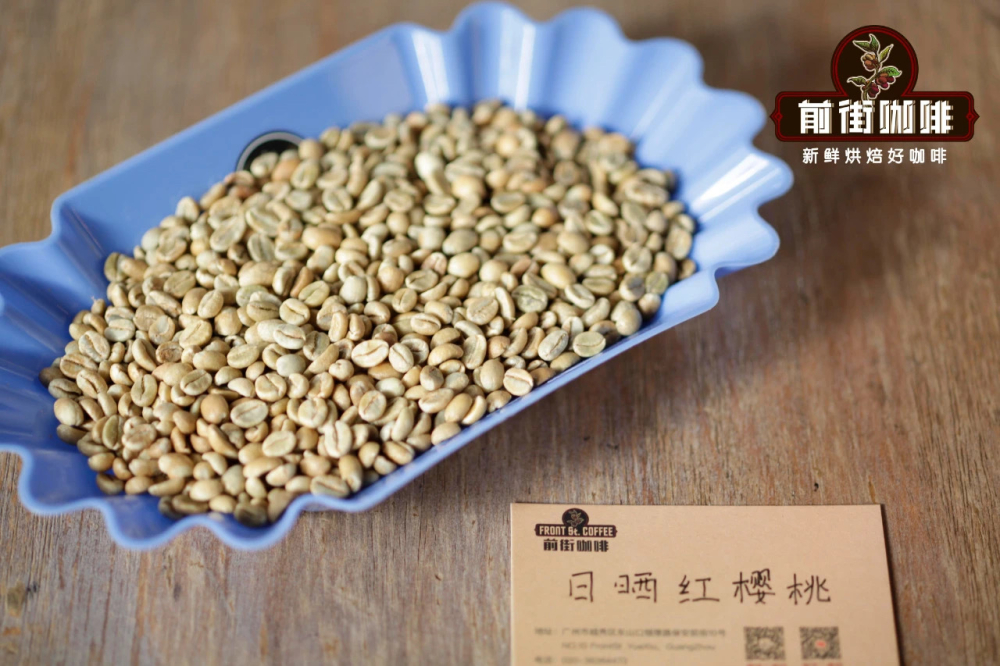
Gentle and elegant, sweet and lovely. Front Street Yirgacheffe exudes an extremely complex aroma and displays an exceptionally outstanding taste that is hard to describe.
V60 dripper, 15g coffee grounds, water temperature 92°C, grind size like fine granulated sugar, water-to-coffee ratio approximately 1:15
30g water for blooming, bloom time 30s
Stages: Pour water to 125ml, pause, then slowly pour water to 240ml
Taste: Prominent strawberry acidity, with tea character in the finish
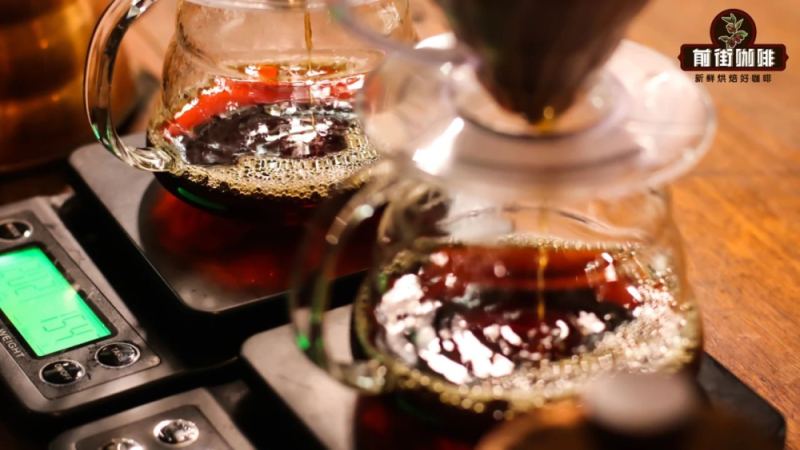
I've always felt that the roasting and brewing techniques for natural beans are quite challenging, but their unique rich fruit-fermented flavors also fascinate many fellow enthusiasts. This time, Front Street natural Yirgacheffe, after V60 pour-over extraction, presents a unique translucent orange-red hue with sweet-and-sour fruity flavors. From hot to cold, there are different layers of drinking experience. After finishing, the residual aroma in the empty cup should reveal a wine-like fruitiness.
The above content is compiled by CoffeeHunters, a coffee news website.


