








How does coffee processing shape the flavor in the cup?
Natural and washed are the two common coffee processing methods, and they produce markedly different flavors. In the natural method, harvested cherries are spread on the ground or drying beds and dried in sunlight before a huller removes the parchment layer. In the washed method, cherries are floated, depulped, soaked to break down mucilage, rinsed by hand, then dried.
Comparing a La Esmeralda Diamond Mountain lot in both versions shows how processing flow, drying time and fermentation degree drive differences in aroma, acidity and mouthfeel. Natural coffees tend toward layered complexity, while washed coffees read cleaner and fresher. Sun dried coffee beans keep the fruit attached longer, which is the root cause behind the sweeter, heavier profile.
Washed and natural are two common coffee processing methods that give coffee beans vastly different flavor profiles. Taking Front Street's La Esmeralda Diamond Mountain as an example, this article compares natural and washed coffee in detail from the perspectives of processing flow, drying time, and fermentation degree, examining the differences in aroma, acidity, and mouthfeel, and explaining the root causes behind these distinctions. Whether you prefer the layered complexity of natural coffee or the clean freshness of washed coffee, this article will help you more clearly understand the essential differences between the two and find your own perfect cup.
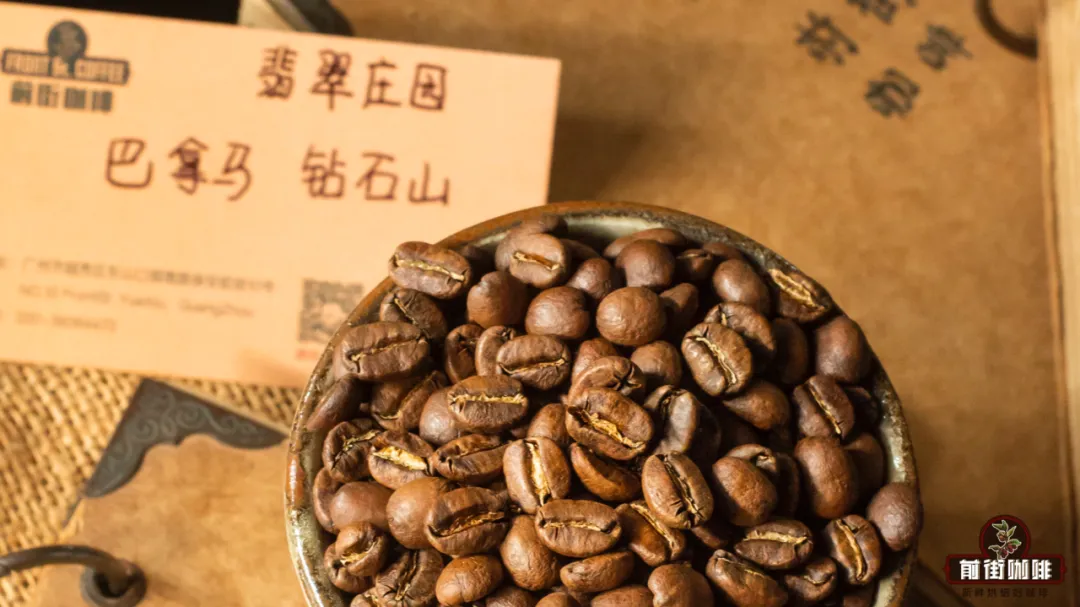
Front Street has noticed that quite a few friends in the comments have been puzzled by this very question, so they simply bought both natural and washed Diamond Mountain to do a comparison themselves. So what exactly are the differences between washed and natural coffee? Today, Front Street will use the Front Street La Esmeralda Diamond Mountain from our bean list to answer these questions one by one. Let's start with the steps of the two processing methods.
Differences in Processing Flow
The natural process is very straightforward. As Front Street often puts it, it follows the same logic as drying peanuts. In the conventional natural method, harvested coffee cherries are transported to a drying area and spread directly on the ground or on drying beds, relying on sunlight to complete the drying. Once the coffee has dried to the appropriate level, it is collected, and a huller is used to remove the parchment layer surrounding the coffee beans—and the natural process is complete.
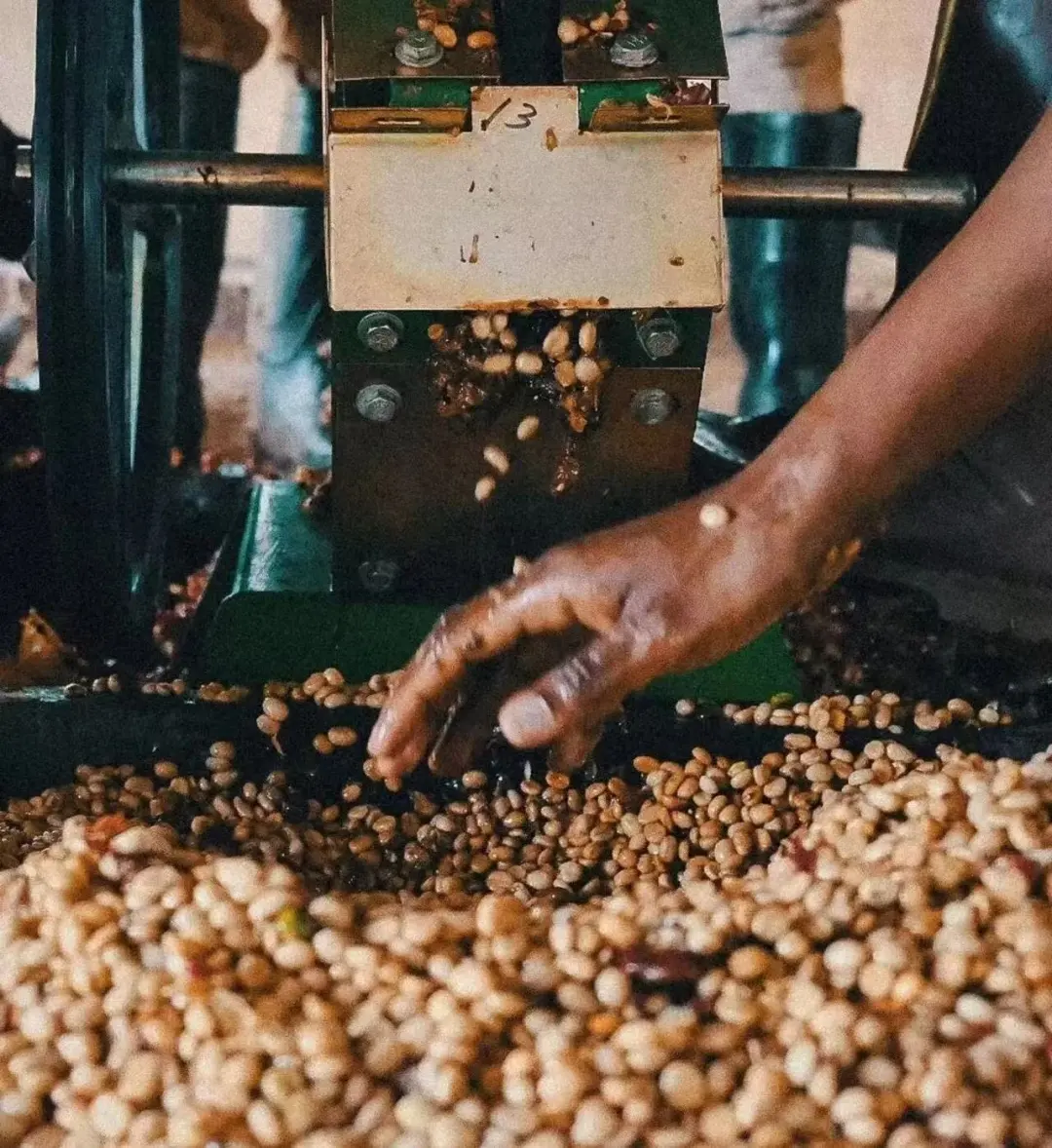
In contrast, the washed process involves several additional steps. After the coffee cherries are harvested, they first undergo floatation—soaking the cherries in water to remove underdeveloped fruit. The qualified cherries are then sent to a depulper to remove the skin and mucilage. After this step, the coffee beans—still covered with mucilage and parchment—are soaked in water to allow the mucilage to gradually break down. After soaking for a certain period, the beans are transferred to another clean water tank, where workers stir them by hand to remove any remaining mucilage from the bean surface. Once cleaned, the beans—now with only the parchment layer remaining—are sent to the drying yard for drying. When dried to the appropriate level, they are collected and finally hulled to remove the parchment layer, completing the washed process.
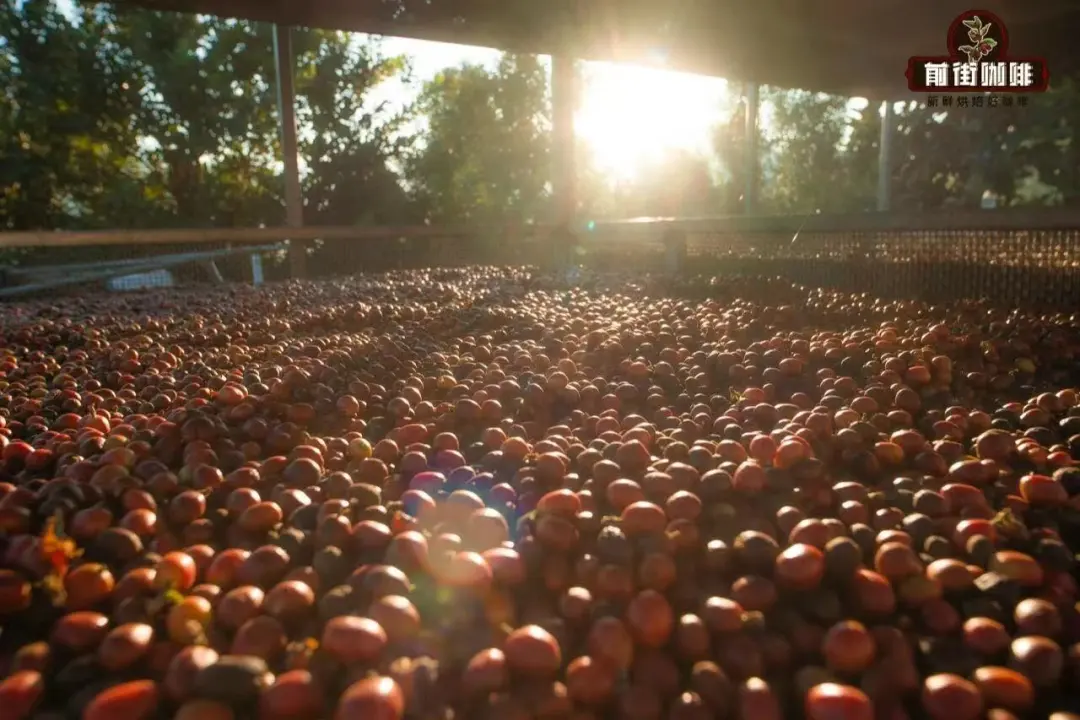
From Front Street's explanation above, it's easy to see that the washed process essentially adds the extra steps of removing the skin, mucilage, and parchment before the coffee beans enter the drying stage. It is precisely this step that significantly shortens the drying period and greatly reduces the degree of fermentation—which is one of the key reasons why natural and washed coffees diverge in flavor.
So what exactly are the flavor differences between washed and natural coffee beans? Below, Front Street will use the Front Street La Esmeralda · Natural/Washed Diamond Mountain from our bean list to make a practical comparison.
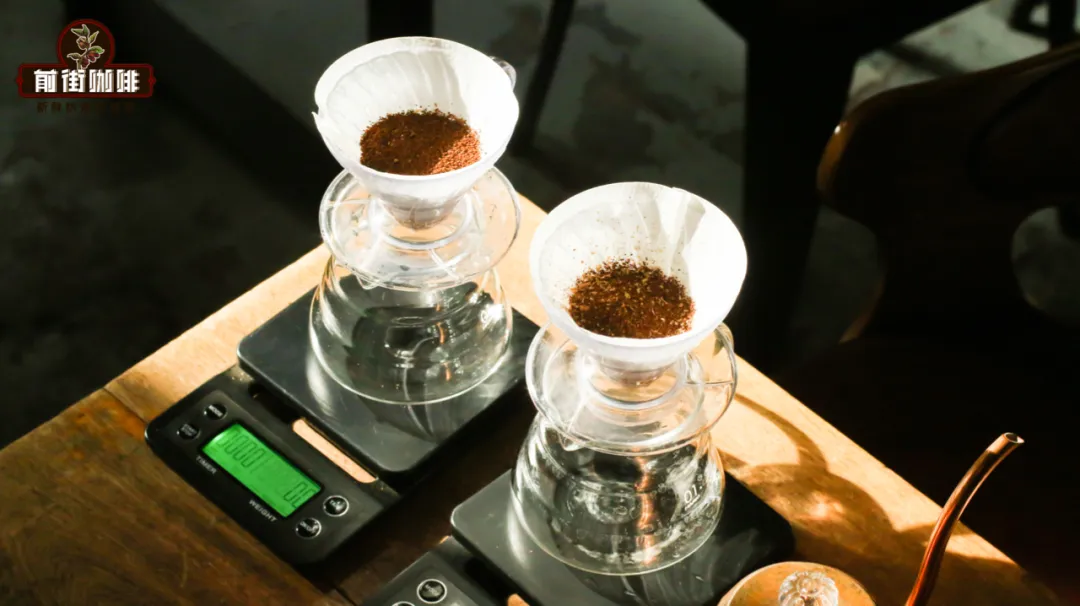
(Left: Natural Diamond Mountain; Right: Washed Diamond Mountain)
Brewing Notes
Since both beans are processed by traditional methods and their roast levels are basically the same, Front Street used identical parameters for this brewing session. We won't go into the brewing process again—the specific parameters are as follows:
Beans used: Front Street La Esmeralda · Washed Diamond Mountain / Front Street La Esmeralda · Natural Diamond Mountain Dose: 15g Grind size: EK43 setting 10, 80% pass-through rate on a No. 20 sieve, fine granulated sugar grind Coffee-to-water ratio: 1:15 Water temperature: 92°C Brewing method: three-pour Dripper: V60 Brew time: 2 minutes
Front Street La Esmeralda · Natural Diamond Mountain: On the palate, Front Street could clearly detect fruit aromas reminiscent of citrus and persimmon, a honey-like body, and a finish with notes of cocoa and fermentation. As the temperature dropped slightly, the sweetness became even more pronounced. Overall, this bean has a vivid aroma, strong layering, and a balanced flavor.
Front Street La Esmeralda · Washed Diamond Mountain: The first thing on the palate was a fresh, bright acidity reminiscent of grapefruit and lemon, accompanied by a delicate floral note. The mouthfeel was clean and smooth, with a finish of green tea and cocoa. Overall, bright acidity, clean mouthfeel, and fresh flavors—like drinking a very refreshing fruit green tea.

From the above comparison, it's clear that washed and natural Diamond Mountain do differ in taste. Natural Diamond Mountain is more layered and balanced, while washed Diamond Mountain has a cleaner mouthfeel and a fresher flavor.
Why do natural and washed coffees differ in this way?
Because the natural process retains the skin, mucilage, and parchment, allowing them to dry together with the coffee beans, the overall drying time tends to be longer. During drying, the sugars in the mucilage and fruit undergo fermentation under sunlight, injecting richer flavors into the coffee. At the same time, because the drying cycle is longer, the overall fermentation degree is deeper—so in addition to complex and varied fruit notes, there is also a certain fermented aroma.
The washed process, on the other hand, removes the skin, mucilage, and parchment before the coffee beans enter drying, so the drying time is relatively shorter and the fermentation degree is not as deep. Because fermentation is shallow, the coffee presents more of the bean's own aroma and is cleaner. This is also why people often say that the flavor of washed coffee represents the basic taste of a producing region.
Some friends may have noticed that compared to natural Diamond Mountain, washed Diamond Mountain seems to taste a bit more sour. That's right! But the main source of coffee's sourness is actually the roast level. Although both are medium-light roasts, Front Street uses a slightly lighter roast for the washed Diamond Mountain, because this better highlights its floral and fruity notes. The darker the roast, the less sourness; the lighter the roast, the more sourness—which is why washed Diamond Mountain is slightly more acidic.
Even with the same roasting curve, natural beans will undergo a more complete caramelization reaction due to more sugars on their surface, resulting in a deeper roast level. Naturally, then, the coffee tastes less sour. So compared to the influence of processing method, what truly determines the direction of coffee's flavor is actually the roast level.
But whether natural or washed, coffee's flavor expression has its own merits—there is no better or worse, and the two are not comparable at all. Which processing method is more suitable mainly depends on personal taste preference. So here's Front Street's question! Are you more partial to washed, or more drawn to natural?
- END -
The above content is compiled by CoffeeHunters, a coffee news website.


