







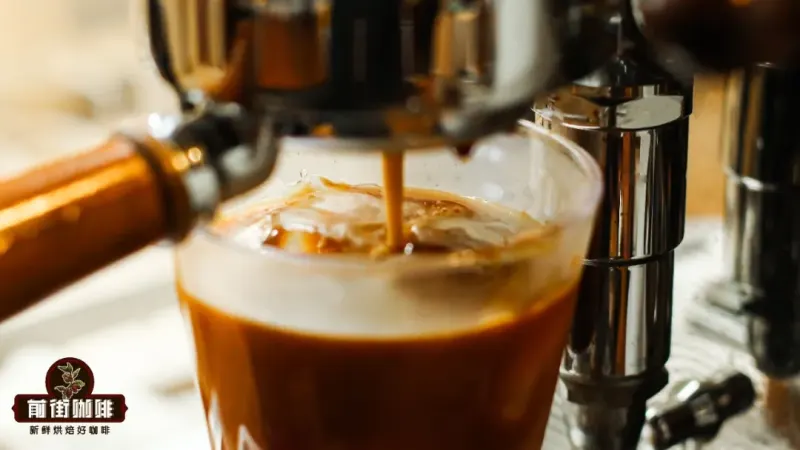
When Is Coffee Ground Fine Enough for a Rich Espresso?
If espresso pours too fast and tastes thin or bland, the grind is almost always too coarse — water races through the puck and leaves most of the flavor behind. The fix is to grind finer, judged with two numbers: a 1:2 coffee-to-water ratio and about 30 seconds of extraction time. When a 1:2 shot finishes in roughly 30 seconds, the cup gains the richness and body of a coffee shop espresso.
Grind size is the main dial to turn because it controls both the surface area exposed to water and the resistance of the coffee puck, which sets the flow time. Water temperature, machine pressure, and dose also affect extraction, but on home equipment they are mostly fixed. Roast level and bean choice — a high-sweetness, full-bodied coffee — further shape how rich the espresso tastes.
When making espresso at home, have you ever encountered the problem of it flowing too fast and tasting bland, like "watered-down dishwater"? Even if you follow a 1:2 coffee-to-water ratio, the result still lacks the rich, mellow taste of a coffee shop. The root of the problem is often an improper grind size, leading to insufficient extraction efficiency. This article will start from the underlying logic and teach you how to quickly judge and adjust the grind size using just two core parameters—"1:2 coffee-to-water ratio" and "30-second extraction time"—so you can consistently extract a rich, strong espresso suitable for milk coffee. At the same time, it will also discuss how roast level affects flavor, and recommend high-sweetness, full-bodied beans suitable for espresso, such as Front Street Signature Blend, helping you easily master the essentials of dialing in the grind.
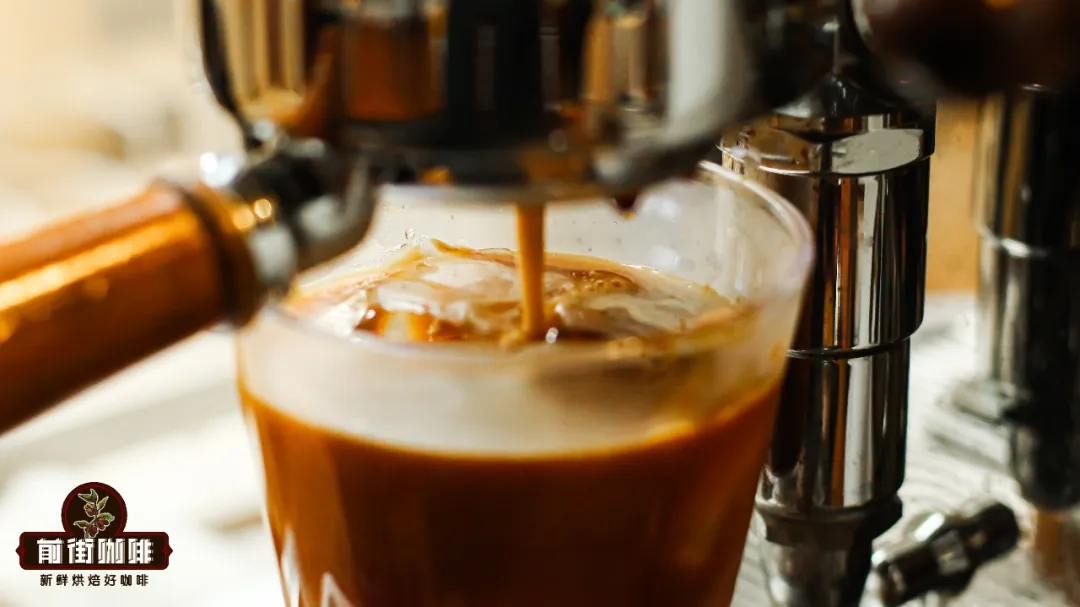
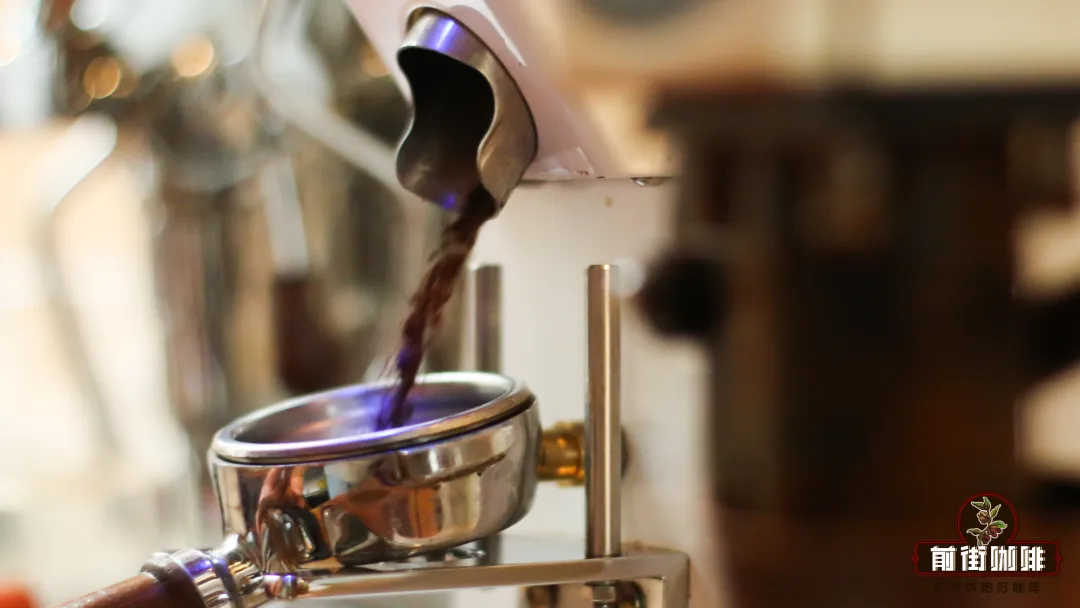
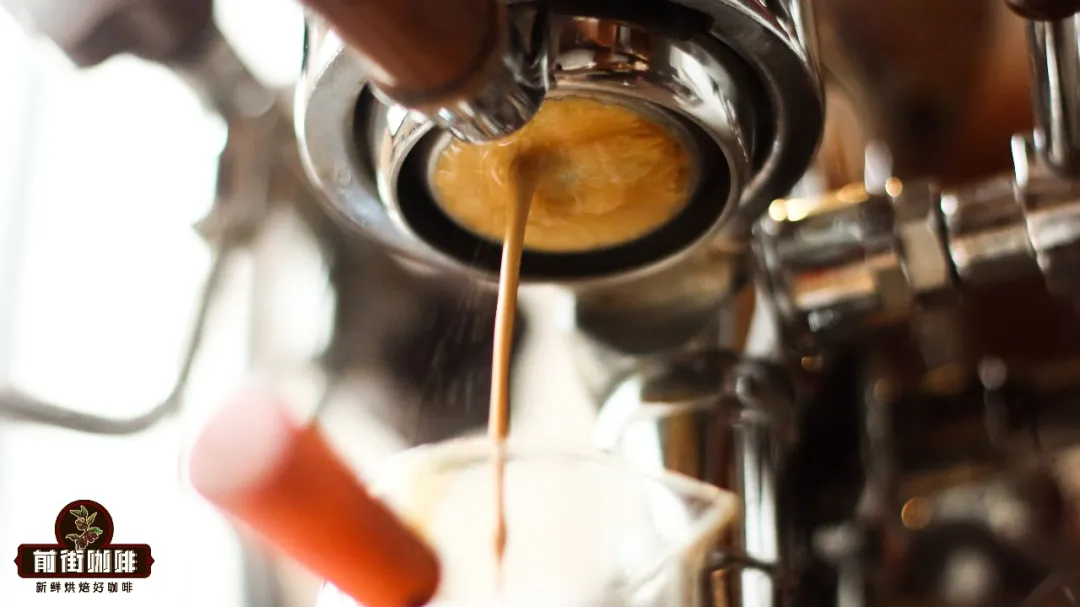

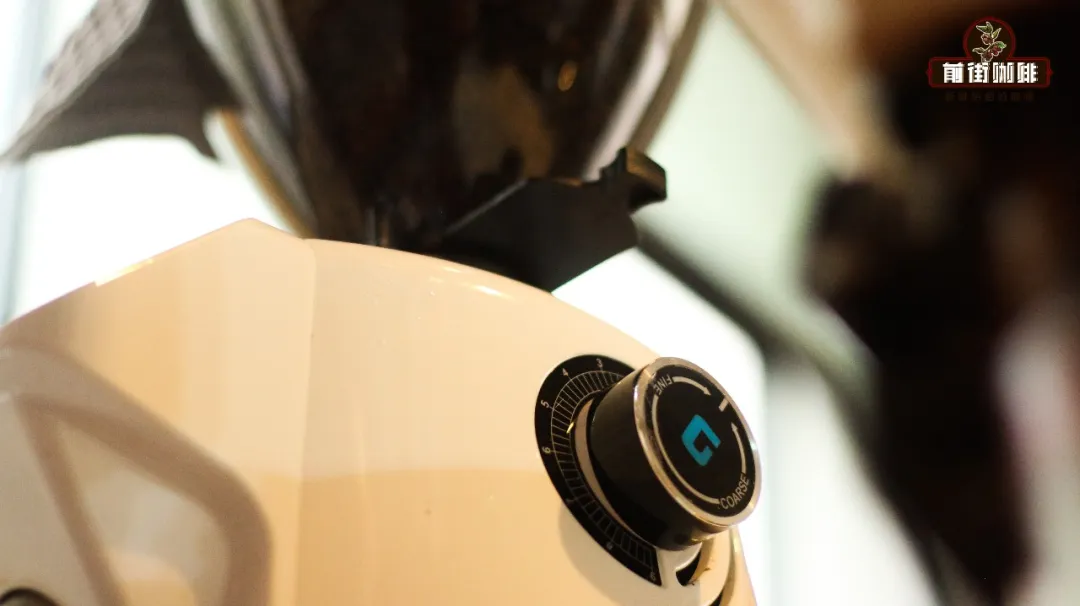

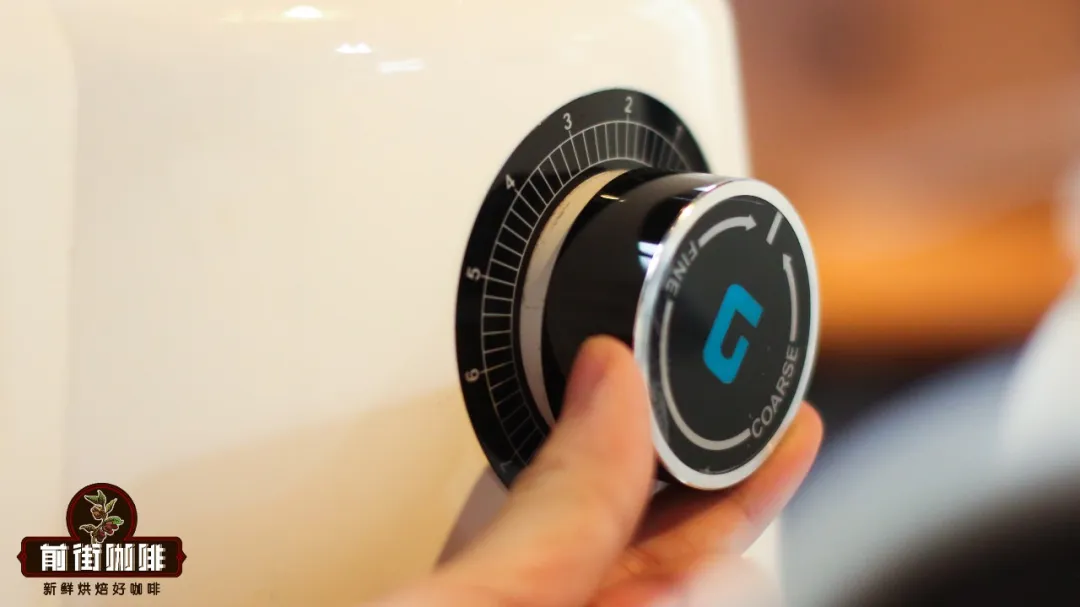

Two days ago, Front Street talked with everyone about how to easily make an iced Americano using the "fast extraction" method. As mentioned in the article, this method is mainly for friends who don't want to bother dialing in a finer grind and just want to simply enjoy an Americano black coffee. After all, when the coffee grounds are not ground finely enough, it is hard for us to get an espresso base that can be used to make delicious milk coffee. Why? Naturally, because the espresso extracted this way has a lower concentration.
Friends often report that the espresso they extract at home tastes "watered-down." Although the coffee-to-water ratio is 1:2, whether drinking it straight or making it into milk coffee, it lacks both the rich flavor of a café and a full-bodied mouthfeel. When this happens, it is most likely that the flavor substances in the coffee have not fully dissolved, so although the liquid volume is small, the concentration is not enough to support full flavor and a thick body. The root cause of this problem lies in insufficient extraction efficiency, and the culprit is often too coarse a grind size.
Although there are many factors affecting espresso extraction efficiency—besides the usual water temperature, grind, ratio, and time, there are also the machine's extraction pressure and dose—in reality, many parameters are already fixed, and the core thing we truly need to adjust is the grind size. This is because grind size not only relates to the surface area of the coffee grounds exposed to water, but also affects the resistance of the puck, which in turn influences extraction time. If the grind is too coarse, the contact area of the coffee grounds with water decreases, and the puck cannot form enough resistance, so the water flow speed increases greatly, extraction efficiency drops sharply, and substances dissolve more slowly. Naturally, it becomes difficult to fully extract flavor substances with a small amount of hot water.
Suppose you plan to extract an espresso at a 1:2 coffee-to-water ratio. A coarser grind will prevent the espresso from being fully extracted, and the final result will be "watered-down." Moreover, as a friend mentioned in the article the day before, this can also easily induce "channeling," causing uneven extraction. If you use a bottomless portafilter, you may very likely observe "spurting" during extraction.
Therefore, if you want to get a rich, aromatic espresso capable of making delicious milk coffee, finding the right grind size is crucial. But finding the right grind size is actually not complicated, because grind fineness directly shows up in extraction pressure and time. We can judge whether the grind size is appropriate based entirely on pressure or time, combined with taste. Below, Front Street will share how to quickly dial in the grind and make a fragrant, strong espresso suitable for milk coffee.
Grind Dialing-In Sharing
To extract a high-concentration and delicious espresso, you only need to use the following two parameters. Regardless of the dose, and regardless of the coffee bean roast level, these two parameters can ensure you get a relatively excellent espresso, namely: a "1:2 coffee-to-water ratio" and an "extraction time of about 30 seconds."
The principle is simple: a 1:2 coffee-to-water ratio determines the amount of coffee liquid and ensures that the espresso has a relatively high concentration; an extraction time of about 30 seconds constrains the extraction yield, and as long as the time is controlled within this range, the espresso will most likely be fully extracted. With both concentration and extraction yield meeting the standard, the resulting espresso will naturally be fragrant and strong.
Controlling the liquid weight is not difficult—just watch the number on the electronic scale. Extraction time depends on grind size: coarse grind, fast flow, short time; fine grind, slow flow, long time.
We can first try extracting with one dose of coffee grounds. For example, Front Street uses a dose of 20g. At a 1:2 coffee-to-water ratio, 40ml of coffee liquid should be extracted. If the time taken to extract 40ml is more than or less than 30 seconds ±5 seconds, adjust the grind size accordingly: if too fast, grind finer; if too slow, grind coarser.
Once the time falls within the 30 seconds ±5 seconds range, the next step is simply to judge whether the extraction is appropriate by tasting, then make minor adjustments to the dose or liquid weight, with the aim of fine-tuning the flavor. If under-extracted, increase the coffee liquid or add more coffee; if over-extracted, do the opposite. In this way, you can quickly get an espresso with both suitable concentration and extraction yield that can make delicious milk coffee.
Of course, besides extraction factors, roast level is also a major reason. Many friends want an espresso that gives off aromatic notes of nuts, chocolate, caramel, and so on, but they choose light-roasted beans as their espresso beans. Although light-roasted coffee beans can be used to make espresso, their flavor tends to be more sour and sweet, with a fresh mouthfeel, and for friends used to dark roasts, they seem "watered-down." In this situation, Front Street would suggest switching the beans to a dark-roasted single-origin or blend. For example, the "Front Street Signature Blend" in Front Street's bean list is very suitable.
Front Street Signature Blend is a blend that Front Street itself also uses. In order to make a high-sweetness, high-body espresso with these beans, we chose two American beans, Brazilian and Colombian, for the blend, with a medium-dark roast level. This roast level not only fully brings out hazelnut, chocolate, and cream flavors, but also gives the coffee a slightly thicker crema and a full-bodied mouthfeel. The overall taste is balanced and gentle, and it is very suitable whether making an Americano, a latte, or an espresso.
That is all for this Front Street sharing. Dialing in the grind may seem somewhat difficult, but as long as you understand the underlying logic of espresso extraction and coffee flavor, it is actually very simple. Practice more and drink more—Front Street believes everyone will soon master the essentials of dialing in the grind and quickly dial in a fragrant, strong, delicious espresso.
- END -
The above content is compiled by CoffeeHunters, a coffee news website.


