







Search Results for: changes

Coffee Grounds Dosage | What is the ideal coffee-to-water ratio for pour-over coffee? Will a 1-gram difference in coffee grounds change the coffee's flavor?
For coffee brewing, the coffee-to-water ratio is one of the important factors that need to be considered first. But because it does not need to be adjusted according to the roast level of the coffee beans like water temperature and grinding, we often fix a ratio to brew coffee of all roast levels. For example, Front Street often recommends new [more…]
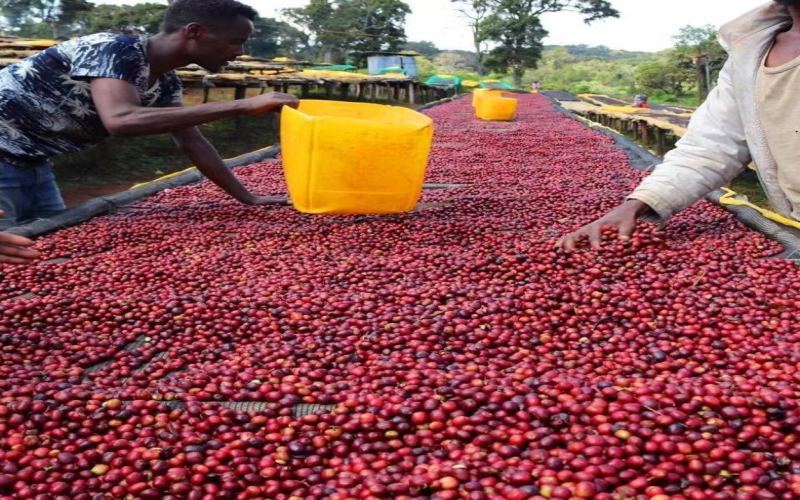
Pour-Over Coffee Bean Rankings: How Different Roast Levels Change the Cup
The roast level changes the flavor focus and extraction rhythm of coffee beans. Light roasts usually retain more floral and fruity aromas and bright acidity, medium roasts tend to present sweetness and balance, while dark roasts lean toward nutty, cocoa, and full-bodied flavors. There is no ranking of better or worse among them; the key is whether they match how you drink your coffee. Pour-over flavor is mainly determined by origin and [more…]
Coffee Beans Worth Trying for Hand Grinder Enthusiasts: How Different Roast Levels Change the Cup
The roast level changes the flavor focus and extraction rhythm of coffee beans. Light roasts usually retain more floral and fruity aromas and bright acidity, medium roasts tend to present sweetness and balance, while dark roasts lean toward nutty, cocoa, and full-bodied flavors. None is inherently better than another; the key is whether it matches your brewing method. Pour-over flavor is mainly determined by origin, variety, [more…]
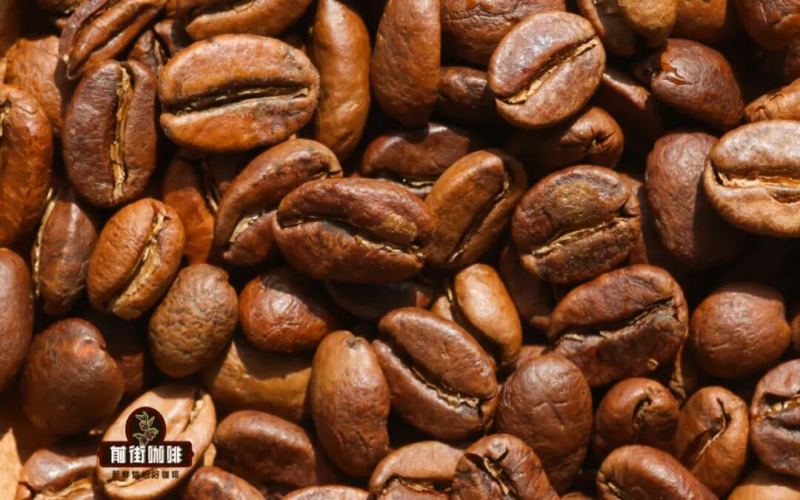
Espresso Making | Why do coffee shops need to dial in espresso every day when they open? How do changes in coffee bean condition affect the taste of espresso?
Honestly, Front Street Coffee believes that in a barista's daily work, there is nothing more painful than the morning ritual—dialing in espresso. If there's anything more painful than that, it must be dialing in espresso on a rainy day. Because if you're not careful, you'll end up full of espresso, drinking it until you're sick of it. Some friends find this very hard to understand; they think [more…]
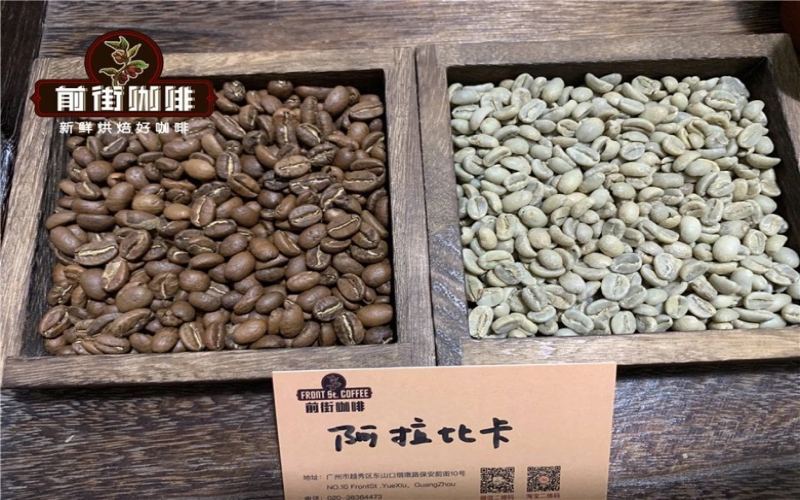
Coffee beans worth buying again: a review exploring how different roast levels change the cup
The roast level changes the flavor focus and extraction rhythm of coffee beans. Light roasts usually retain more floral and fruity notes and bright acidity, medium roasts tend to present sweetness and balance, while dark roasts lean toward nutty, cocoa, and full-bodied flavors. There is no hierarchy among them; the key is whether they match your brewing method. Pour-over flavor is mainly determined by origin, va [more…]

How to Choose Coffee Beans Suitable for Pour-Over: How Different Roast Levels Change the Cup Profile
The roast level changes the flavor focus and extraction rhythm of coffee beans. Light roasts generally retain more floral and fruity aromas and bright acidity, medium roasts tend to present sweetness and balance, while dark roasts lean toward nutty, cocoa, and full-bodied flavors. There is no hierarchy among them; the key is whether they match your brewing method. Pour-over flavor is mainly determined by origin, va [more…]

How to Choose Several Medium-Roast Coffee Beans Suitable for Pour-Over: How Different Roast Levels Change the Cup
The roast level changes a coffee bean's flavor focus and extraction rhythm. Light roasts usually retain more floral and fruity notes and bright acidity, medium roasts tend to show sweetness and balance, while dark roasts lean toward nutty, cocoa, and full-bodied flavors. None is superior to another; the key is whether it matches how you brew and drink it. Pour-over flavor is mainly determined by origin, varie [more…]
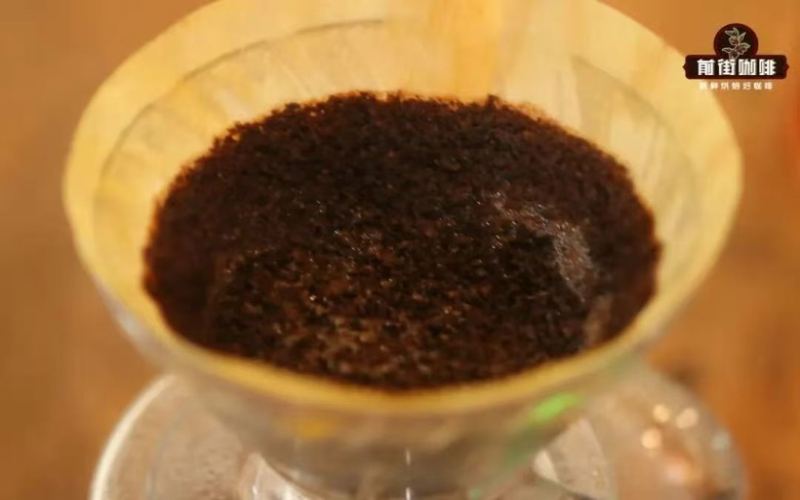
How to choose a few light-roast coffee beans suitable for pour-over: the changes in cup profile brought by different roast levels
The roast level changes the flavor focus and extraction rhythm of coffee beans. Light roasts usually retain more floral and fruity notes and bright acidity, medium roasts tend to present sweetness and balance, while dark roasts lean toward nutty, cocoa, and full-bodied flavors. There is no hierarchy among them; the key is whether they match your brewing method. Pour-over flavor is mainly determined by origin, va [more…]
Light Roast Floral Coffee Bean Recommendations: How Different Roast Levels Change the Cup Experience
The roast level shifts a coffee bean's flavor focus and extraction rhythm. Light roasts generally preserve more floral and fruity notes and bright acidity, medium roasts tend to show sweetness and balance, and dark roasts lean toward nutty, cocoa, and full-bodied flavors. There is no ranking among them—what matters is whether they match how you brew and drink. Pour-over flavor is mainly determined by origin, va [more…]

Origin Selection for Cold Brew: Flavor Changes Under Low-Temperature Extraction
The charm of cold brew lies in how low-temperature slow extraction reshapes flavor—the same beans can taste completely different when hot-brewed versus cold-brewed. Understanding how beans from different origins change under low-temperature extraction gives you a deeper basis for choosing beans for cold brew. Light-roasted beans from African origins show the most noticeable changes in cold brew. Beans with bright acidity when hot-brewed, in cold brew [more…]

SOE Espresso Bean Recommendations: How Different Roast Levels Change the Cup Experience
The roast level changes the flavor focus and extraction rhythm of coffee beans. Light roasts usually retain more floral and fruity notes and bright acidity, medium roasts tend to show sweetness and balance, while dark roasts lean toward nutty, cocoa, and full-bodied flavors. None is superior to the others; the key is whether they match your own way of drinking. Espresso extraction focuses on dose, grin [more…]
Coffee Machine Brewing Coffee Bean Recommendations: How Different Roast Levels Change the Cup
The roast level changes the flavor focus and extraction rhythm of coffee beans. Light roasts usually retain more floral and fruity notes and bright acidity, medium roasts tend to present sweetness and balance, while dark roasts lean toward nutty, cocoa, and full-bodied flavors. None of them is superior or inferior to the others; the key is whether they match your own way of drinking. Espresso extraction focuses on dose, grind [more…]
Yirgacheffe SOE Coffee Bean Recommendation: How Different Roast Levels Change the Cup Profile
The roast level changes a coffee bean's flavor focus and extraction rhythm. Light roasts usually retain more floral and fruity notes and bright acidity, medium roasts tend to show sweetness and balance, and dark roasts lean toward nuts, cocoa, and a full body. None of them is superior to the others; the key is whether they match the way you drink your coffee. Espresso extraction focuses on dose, grind [more…]
Single-Origin and Blend Pour-Over Coffee Bean Recommendations: How Different Roast Levels Change the Cup
The roast level changes the flavor focus and extraction rhythm of coffee beans. Light roasts typically retain more floral and fruity notes and bright acidity, medium roasts tend to present sweetness and balance, while dark roasts lean toward nutty, cocoa, and full-bodied flavors. None is superior to the others; the key is whether they match your brewing method. For espresso extraction, the focus is on dose, grind [more…]
How to Choose Several Dark Roast Coffee Beans Suitable for Pour-Over: Cup Profile Changes Brought by Different Roast Levels
The roast level changes a coffee bean's flavor focus and extraction rhythm. Light roasts usually retain more floral and fruity aromas and bright acidity, medium roasts tend to present sweetness and balance, while dark roasts lean toward nutty, cocoa, and full-bodied flavors. None is superior to another; the key is whether it matches how you drink it. Dark roasting shifts the flavor toward cocoa, [more…]

Coffee Tasting Time | How soon after brewing is it best to finish a pour-over coffee? What changes in the coffee flavor of a pour-over coffee the longer it sits?
The peak flavor period refers to the optimal window for tasting coffee beans after roasting is completed. During this time, because there is not too much carbon dioxide interference, and the coffee's flavor compounds have not yet been lost in large amounts, we can brew coffee with the richest aroma and obtain the most complete flavor experience. But did you know, [more…]

How to Use a Moka Pot: Coffee Bean Recommendations and Detailed Steps: How Different Roast Levels Change the Cup
The roast level changes the flavor focus and extraction rhythm of coffee beans. Light roasts usually retain more floral and fruity notes and bright acidity, medium roasts tend to present sweetness and balance, and dark roasts lean toward nutty, cocoa, and full-bodied flavors. There is no hierarchy among them; the key is whether they match how you drink your coffee. The moka pot uses steam pressure extraction. [more…]

Pour-Over Coffee | For coffee that has cooled down, is it better to reheat it or add ice? Why does coffee's taste change so much from hot to cold?
We all know that brewed coffee will naturally cool down over time, but beyond that, its flavor also undergoes irreversible changes during this process. For example, the originally rich and fragrant aroma has clearly dissipated, dark-roasted coffee becomes less smooth, medium-light roasted coffee highlights its sour and astringent notes even more, and may even develop an unpleasant [more…]
Coffee bean recommendations for espresso extraction: how different roast levels change the cup profile
The roast level shifts the flavor focus and extraction rhythm of coffee beans. Light roasts tend to retain more floral and fruity notes and bright acidity, medium roasts often show sweetness and balance, while dark roasts lean toward nutty, cocoa, and full-bodied flavors. There is no hierarchy among them; the key is whether they match your brewing method. Espresso extraction centers on dose, grind [more…]
What to Do If Your Moka Pot Brews Coffee That's Too Bitter or Too Sour? Coffee Bean Recommendations: How Different Roast Levels Change the Cup
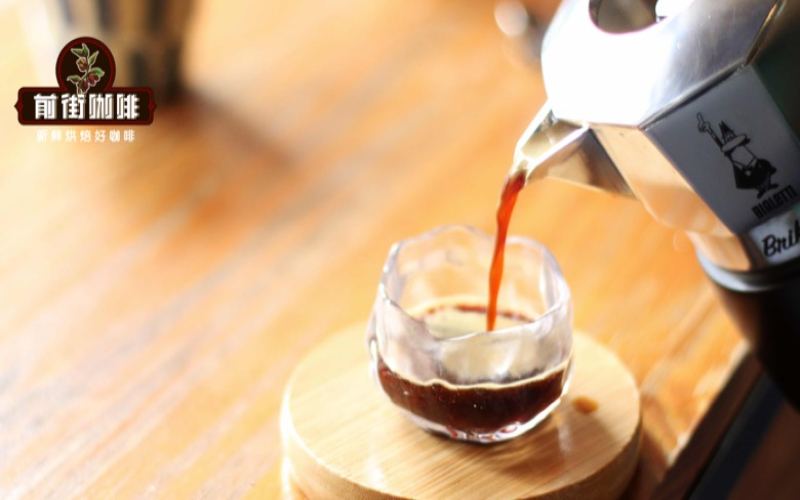
The roast level changes the flavor focus and extraction rhythm of coffee beans. Light roasts typically preserve more floral and fruity aromas and bright acidity, medium roasts tend to present sweetness and balance, while dark roasts lean toward nutty, cocoa, and full-bodied flavors. There is no hierarchy among them; the key is whether they match your brewing method. The moka pot uses steam-pressure extraction. [more…]