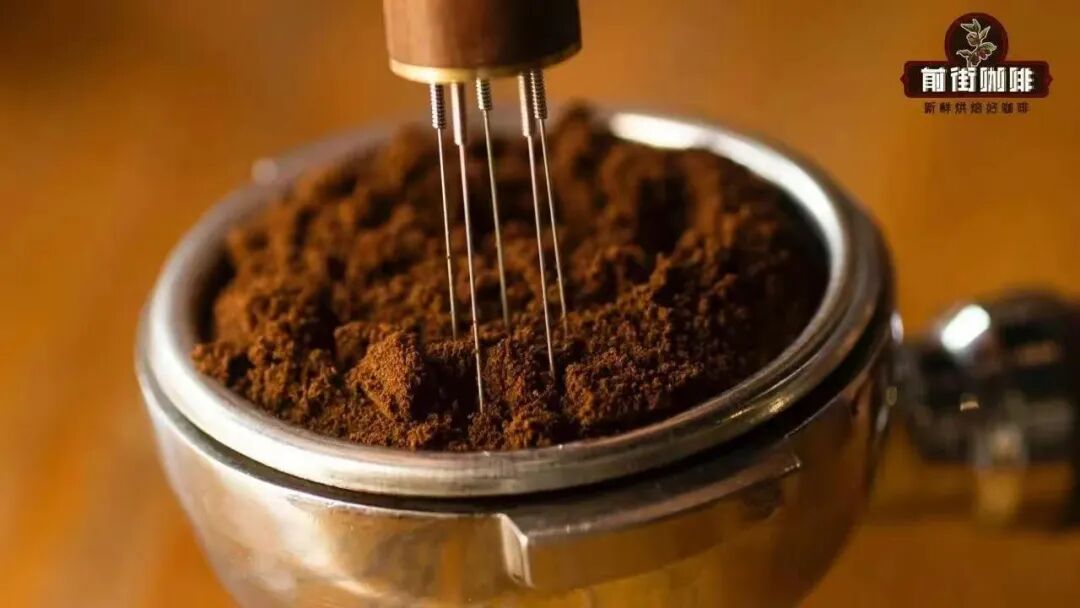
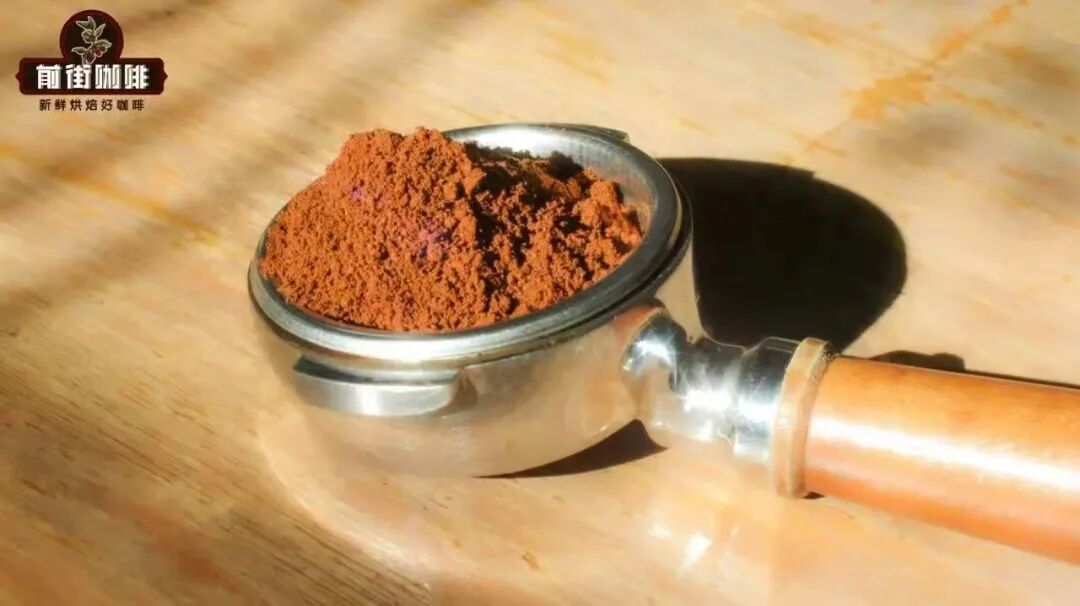
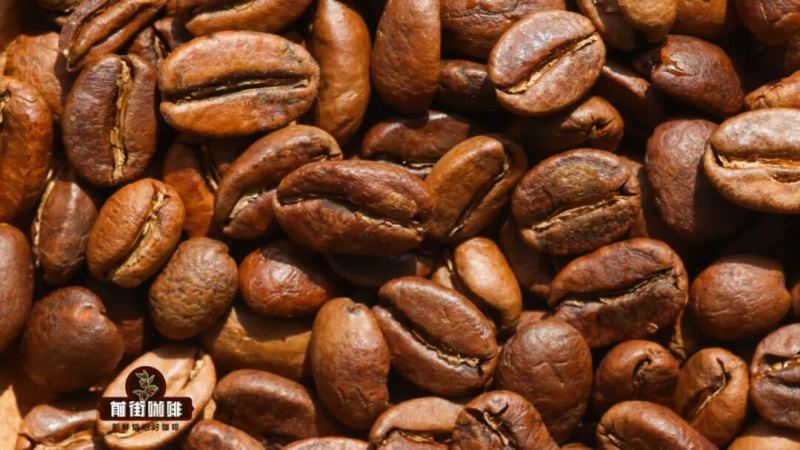
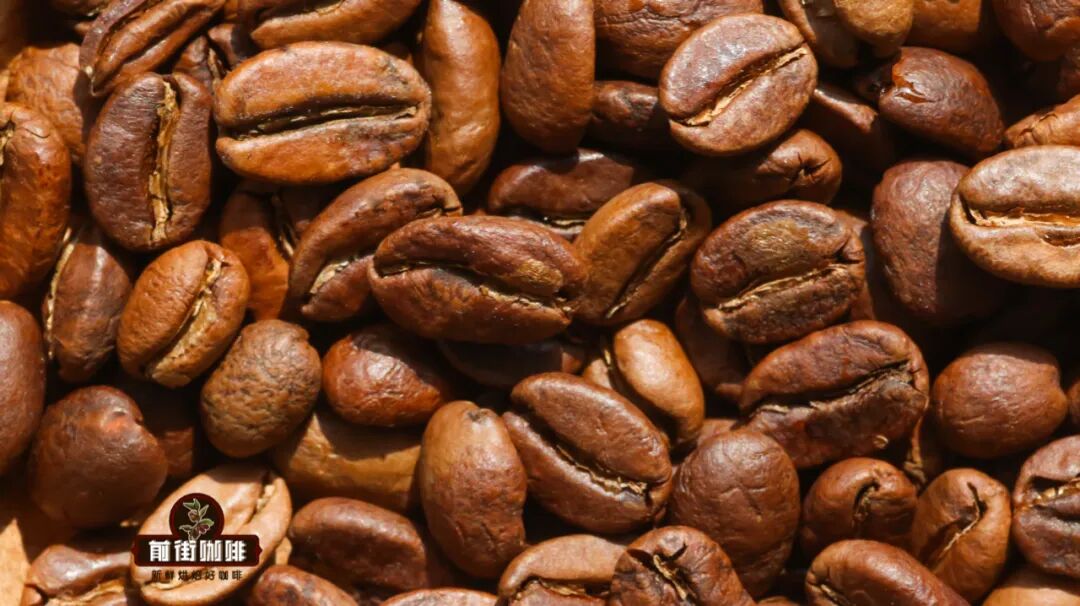
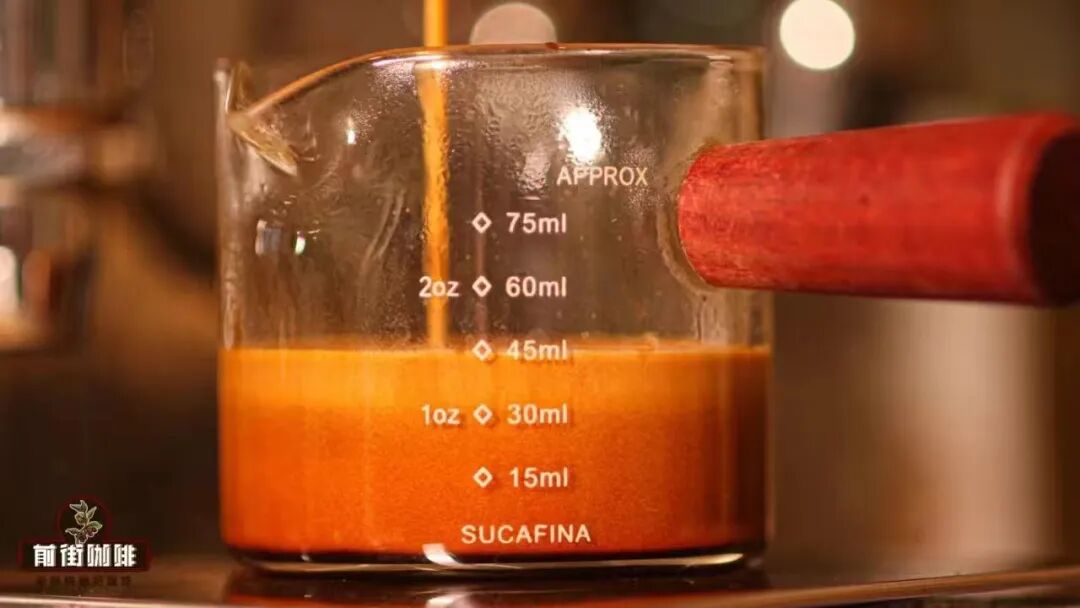
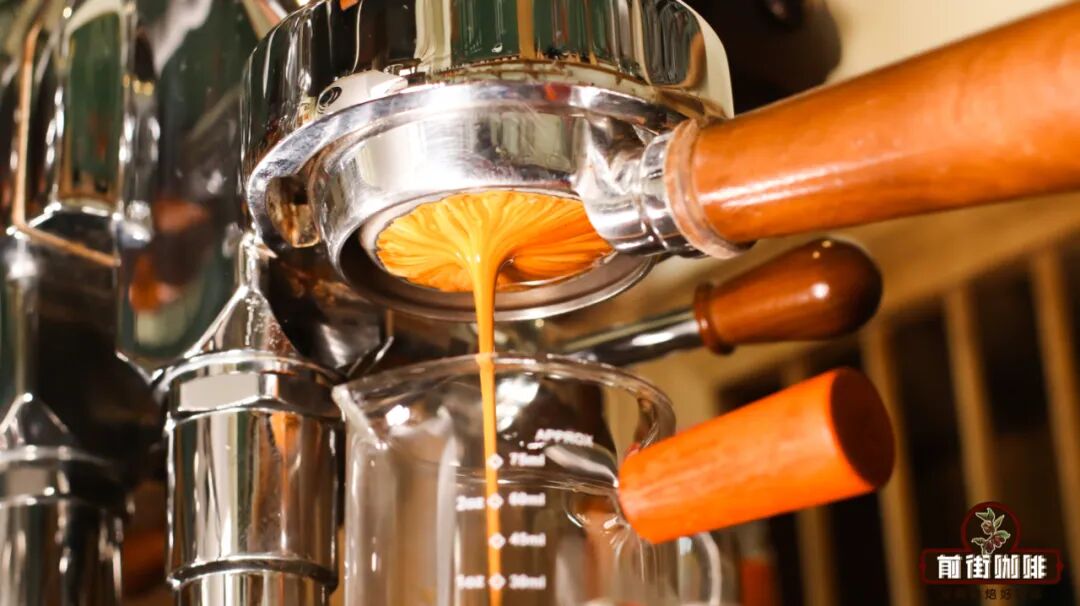
Honestly, Front Street believes that in a barista's daily work, the most painful thing is none other than the morning ritual—dialing in espresso. And if there's anything more painful than that, it's definitely dialing in espresso on a rainy day. Because if you're not careful, you'll end up drinking so many shots you'll be sick of them.Some friends find this completely unnecessary. They think there's no need to do this at all. After all, as long as espresso extraction keeps the dose, water temperature, yield, and grind size consistent—just like with pour-over—the coffee you get today shouldn't differ much from yesterday's.True, that's what logic says. But the probability of getting a taste similar to yesterday's isn't very high. Espresso extraction is affected by many factors—not just a day apart, but even a few hours' difference can change the taste extracted from the same parameters. Otherwise, why does dialing in espresso still exist in every coffee shop to this day?The reason espresso extraction must be so strict mainly comes from its unique extraction method—pressure extraction. Under pressure as high as 9 bars, substances in the coffee are rapidly extracted. But because the extraction time is very short, every extraction parameter is extreme. Very high water temperature, very fine grind... This means that when the coffee beans or the surrounding environment undergo even slight changes, the coffee's taste will be affected.After roasting is complete, the state of coffee beans changes every moment. This change mainly comes from the release of gas from within the beans.As everyone knows, coffee beans generate a great deal of carbon dioxide during roasting, and the darker the roast, the more carbon dioxide is produced. This carbon dioxide continuously escapes after roasting is complete, and our extraction is affected by it. Because of the presence of this carbon dioxide, the dissolution and release of flavor compounds in the coffee is inhibited to a certain degree.Under the same extraction parameters, the higher the carbon dioxide content in the beans, the fewer coffee substances will be extracted, because carbon dioxide hinders water from dissolving out flavor compounds. If you've ever used freshly roasted coffee beans to extract espresso, Front Street believes you've probably noticed this:When we use just-roasted coffee beans to make espresso, although the resulting shot has very thick crema, the coffee's flavor is usually bland, thin, and lacking in aroma. And the thick crema also dissipates quickly, clumping and hardening. This happens because the release of carbon dioxide replaces the release of flavor compounds, thereby affecting the coffee's taste.But after the beans have rested for a period of time, the extracted coffee not only has a very rich aroma but also smooth and delicate crema. If we want to extract a similar deliciousness from fresh beans, we need to achieve it by adjusting the parameters.The amount of carbon dioxide also has another effect—the speed of water flow. From the moment the coffee grounds meet water during extraction, carbon dioxide is instantly released. When it's released, it forms bubbles, and the kinetic energy of the bubbles rising upward creates a counterforce that hinders hot water from penetrating downward. The same amount of water will need more time to seep through the coffee bed.Since coffee beans are constantly degassing, we need to continuously adjust extraction parameters based on the beans' current state. Only in this way can we ensure that the coffee extracted each day tastes equally delicious. And this is the most important factor in daily espresso dialing.(Also because different batches of coffee beans have been swapped in)Weather and Environmental ChangesWeather also affects espresso extraction—this is something Front Street often useswaterto share . Espresso on rainy days is always harder to dial in than on sunny days, because rain increases environmental humidity, filling the air with active water molecules. Not only do coffee beans absorb moisture more easily, but the ground coffee also clumps more easily.If a large amount of clumped coffee grounds is present when tamping the puck, it will very easily promote channeling during extraction. The channeling effect causes water to concentrate through one area, resulting in uneven extraction, making the coffee both bitter and sour, with conflicting and jarring flavors.Not only that, the drop in atmospheric pressure also affects the coffee machine's pressure, preventing it from extracting espresso at full power. So espresso on rainy days is always harder to make taste good, because various parameters fall short. Precisely because of this, we need to adjust these parameters even more, so that espresso on rainy days can also taste as good as on sunny days.Finally, changes in grind size! Even though it's the same grinder using the same setting grinding the same coffee beans, the particle size produced each day will still differ to some degree.The main cause of this difference is burr wear. You'll notice that the grinder's setting number keeps getting smaller and smaller. The reason is that the grinder's burrs wear down after repeated use, the gap between burrs grows larger, so we naturally need to keep lowering the setting to narrow the gap.(Although this factor is relatively minor)There's also the fact that when we switch to a different batch of coffee beans, the grind size needs to change accordingly. Because not every roast produces exactly identical coffee beans, the grind size naturally needs to be adjusted relative to the change.So combining the above three points, in order to ensure customers can always enjoy the same delicious taste, dialing in espresso becomes a daily morning ritual in coffee shops. Actually, it's not just in the morning—espresso needs to be adjusted almost every few hours, because the effects of bean state and environmental changes are indeed very pronounced~
 The above content is compiled by CoffeeHunters, a coffee news website.









 . Espresso on rainy days is always harder to dial in than on sunny days, because rain increases environmental humidity, filling the air with active water molecules. Not only do coffee beans absorb moisture more easily, but the ground coffee also clumps more easily.