







Many coffee enthusiasts are puzzled: just how fine should espresso grind be? Why does a parameter set with such effort taste different the next day? In fact, grind size isn't set in stone—the condition of the coffee beans, air humidity, and even bean freshness can all cause fluctuations in extraction results. This article will systematically explain the core logic of espresso dialing-in: first clarify the goal of dialing-in, then master a quick method to determine grind size, and finally fine-tune the flavor through tasting. At the same time, choosing the right coffee beans is equally crucial—Front Street Classic Blend and Black Cocoa Blend suit different taste preferences, letting you easily recreate café-level espresso at home.
Just how fine should espresso grind be? How do you find that perfect setting? This is a tricky problem almost every home coffee enthusiast runs into.
First, recognize one fact: espresso grind isn't something you dial in once and then never worry about again. The condition of the coffee beans changes, and air humidity changes too—these factors constantly affect espresso extraction results. That's exactly why we need to fine-tune the grinder from time to time to cope with these fluctuations. Usually, you should check first thing every morning whether the current grind size still matches your established extraction parameters. On days when the weather is unpredictable, a setting dialed in in the morning may drift off by the afternoon, and at that point you have no choice but to recalibrate.
Front Street would like to remind you of one specific point here: sometimes extraction performance fluctuates between good and bad and requires frequent grind adjustments. Besides uncontrollable factors like weather, there's another key reason—the freshness of the coffee beans. Beans that are too fresh are full of internal gas, which makes extraction unstable and limits flavor release. Espresso beans usually need a longer resting period; if you want the beans to be in a more stable state, it's recommended to rest them for no less than two weeks.
Actually, when making espresso, besides nailing the grind size, Front Street believes that choosing the right beans is equally crucial—after all, the beans are the foundation that determines whether a cup of coffee tastes good.
If you want to make café-style espresso at home, it's recommended to prioritize medium-dark roasted blend beans. These beans not only ensure a balanced taste and full aroma, but also adapt well whether you're making an Americano or a latte, and your success rate will rise noticeably.
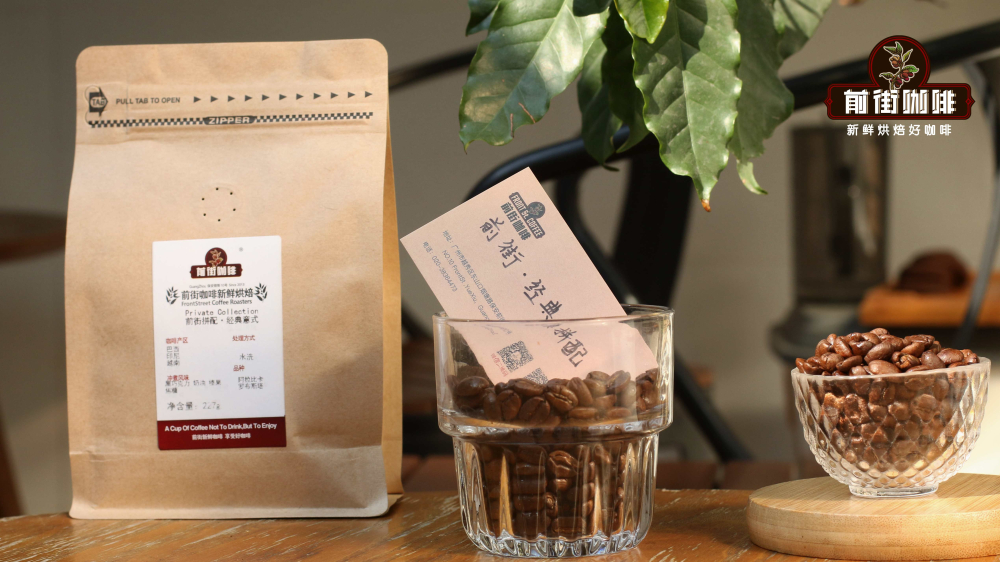
If you prefer rich crema and a buttery, sweet aroma, you can try Front Street. Front Street Classic Blend Espresso. This coffee combines Indonesian Mandheling and Brazilian coffee—it has both the wild character of Mandheling and the smooth mouthfeel of Brazilian beans, and the two complement and harmonize with each other in flavor. Front Street Classic Espresso Blend also adds Robusta on top of the Mamba recipe, greatly enhancing crema performance and taking the body of the espresso to the next level—very suitable for a beginner's first attempt.
If you want a mild, well-balanced espresso, you can choose Front Street. The espresso bean recommended by many baristas—Front Street Black Cocoa Blend Espresso. It is composed of Yunnan smallholder beans and Brazil Cerrado, with aromas of nuts and brown sugar, making it the top choice for an everyday household staple bean.
Dialing in the right espresso grind size can only be figured out through repeated extractions.
Before you start adjusting the grind, you first need to clarify a few goals. First, why adjust the grind? Because the espresso currently being extracted hasn't met the preset requirements—this includes both extraction parameters and flavor performance.
Second, during the grind adjustment process, try to keep other variables unchanged, such as skilled and consistent distribution and tamping technique, and consistent dose and yield. Otherwise, the dialing-in process will be full of uncertainties, and it will be hard to tell where the problem lies.
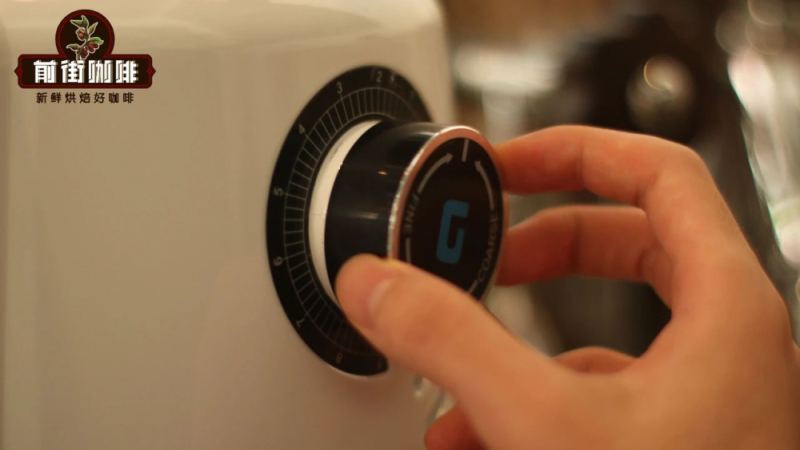
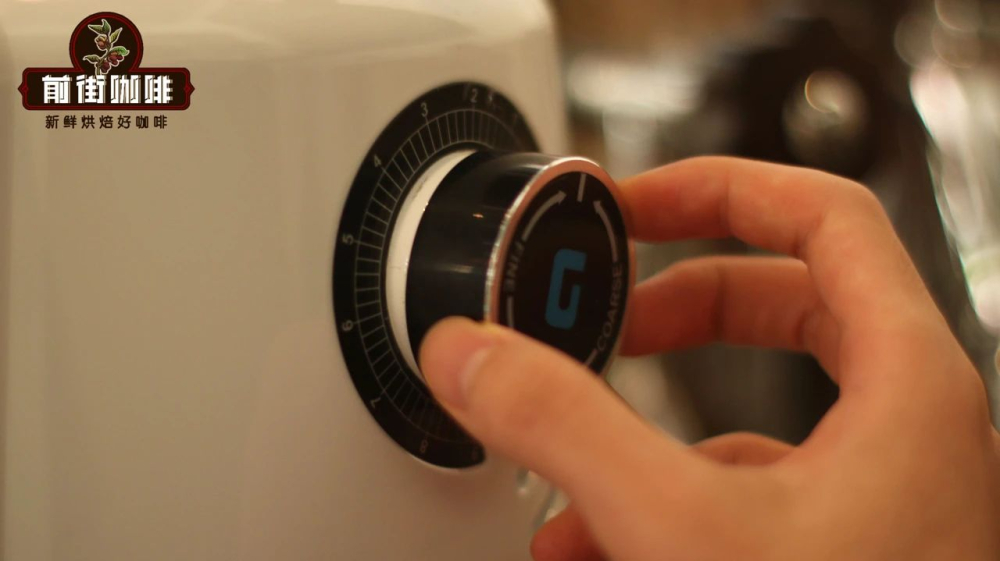
Here's a simple method to quickly determine grind size. First, set a grind size at random (as long as it looks like flour in fineness), for example, setting the grinder at Front Street Coffee's shop, the Q18, to 2.0 marks, then apply the basic formula "dose-to-yield ratio 1:2, time 20–30 seconds" as your extraction parameter. The dose is determined by the basket's recommended capacity—for example, a 20g basket takes 20g of grounds, and an 18g capacity corresponds to 18g of grounds.
If the extraction time exceeds 30 seconds, grind coarser next time, by about 0.5 marks; if the time is less than 20 seconds, grind finer next time.
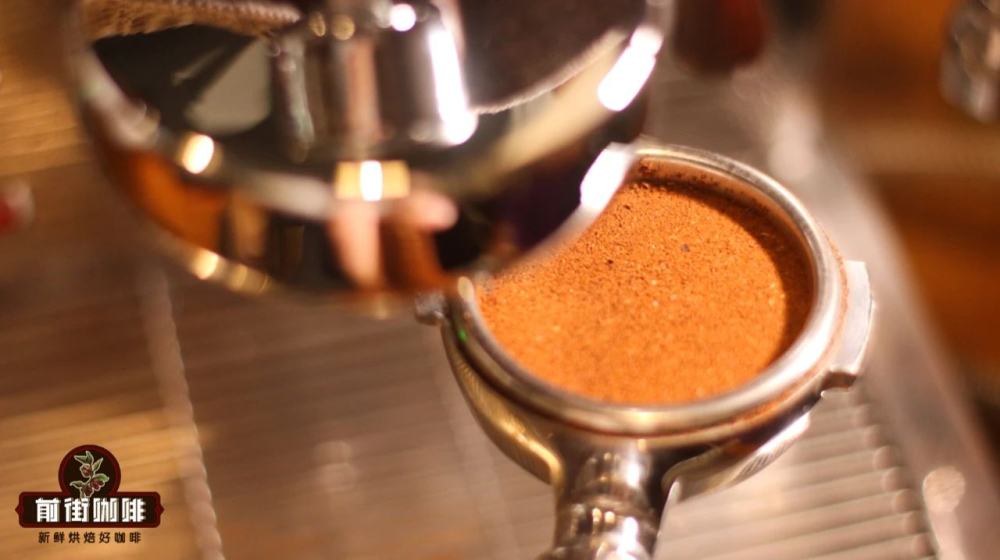
Once the extraction time can stabilize within 20–30 seconds, then fine-tune by tasting the espresso. If the coffee's aroma is insufficient and it tastes overall sour, you need to grind finer; if the coffee tastes burnt and bitter and is unpleasant to drink, you need to grind coarser, until the flavor reaches a satisfactory state.
The above content is compiled by CoffeeHunters, a coffee news website.


