







Search Results for: devilish aftertaste
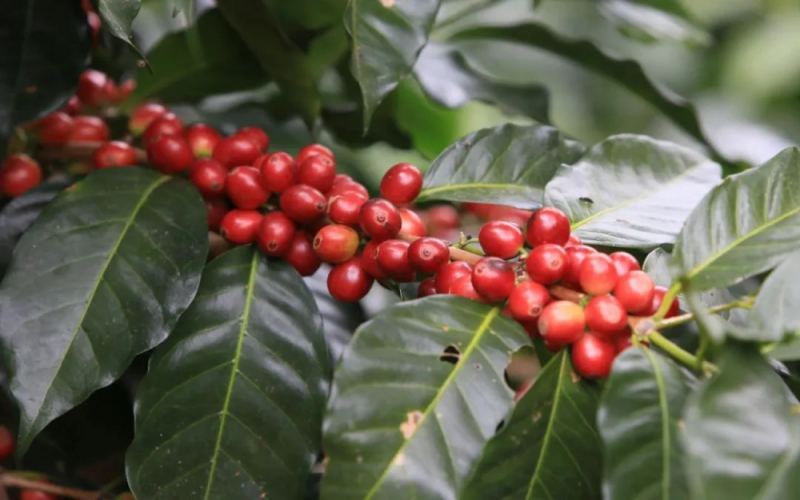
The Varietal Identity and Flavor Code of Catimor: Where Does the "Devil's Aftertaste" Under Its Arabica Lineage Come From?
Is Catimor actually Arabica or Robusta? And how exactly is its "devilish aftertaste" formed? This article begins with the background of Catimor's birth, sorting out the hybrid origins and genetic makeup of this variety, and confirming its classification as having three-quarters Arabica bloodline. It also introduces Catimor's plant characteristics in detail, including tree shape, leaves, and stress resistance, and provides an in-depth analysis of the earthy aftertaste that Robusta genes bring to the flavor, as well as how factors such as high yield and early maturity compound to dilute excellent flavors and amplify undesirable aftertastes. The article also mentions Front Street Coffee's expectations for future improvement of Catimor. [more…]
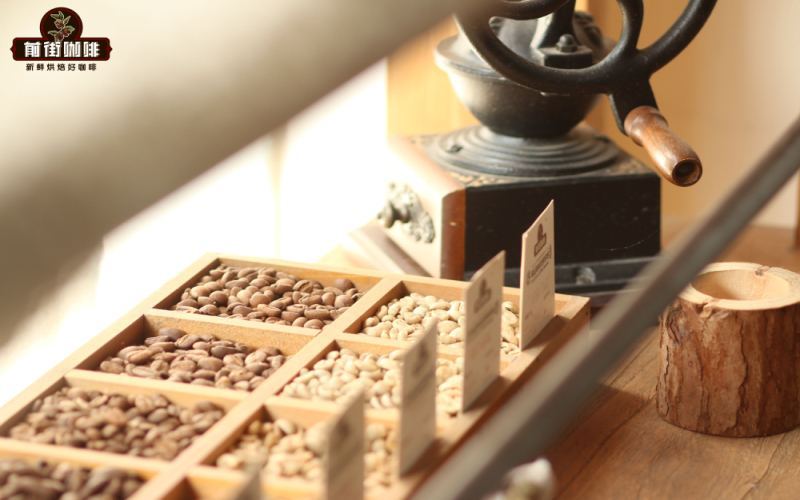
An Analysis of Yunnan Coffee's Cultivation History and Variety Characteristics: From Catimor to Front Street Coffee's Typica Estate
In the southwestern border region of China, Yunnan Province, coffee cultivation has a history of over a century, yet it has only gradually come into public view in recent years. From the early twentieth-century attempts at introducing the crop, to the Catimor variety becoming the mainstay, and then to Front Street Coffee establishing an estate in Lincang to grow Typica amid the specialty coffee wave, Yunnan coffee has traveled a winding and unique path of development. This article will guide you through the history of Yunnan coffee cultivation, the evolution of its varieties, and its flavor characteristics, as well as the specific brewing parameters and tasting experience of Front Street Coffee's Yunnan natural Typica, exploring together how this land rich in biodiversity nurtures a uniquely charming Chinese coffee. [more…]
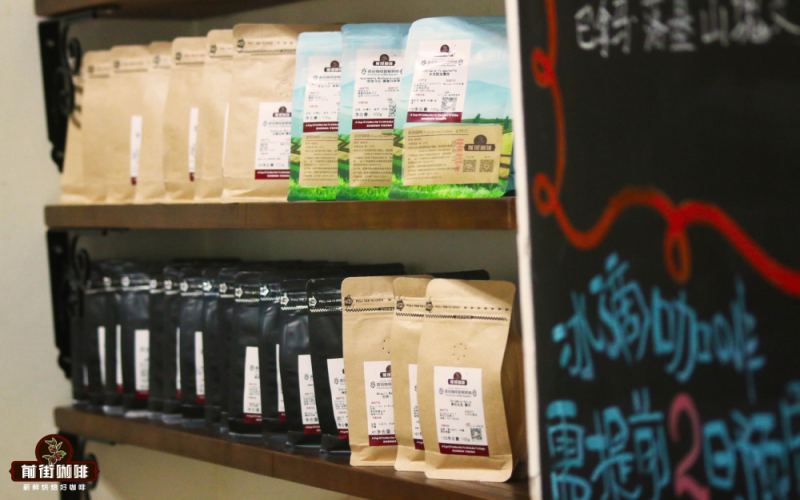
Yunnan Small-Bean Coffee Varieties and Regional Flavor Analysis: The Specialty Journey from Catimor to Typica
Yunnan coffee has risen rapidly on the specialty path in recent years. From Pu'er and Baoshan to Dehong and Lincang, each producing region nurtures small-bean coffee with distinct styles thanks to its unique terroir. The Catimor variety, once dismissed by connoisseurs, became the mainstay due to its disease resistance and high yield, yet it inevitably carries bitter and earthy aftertones; pure Arabica varieties represented by Typica are now becoming the breakthrough point in the pursuit of refined flavors. Front Street Coffee has established its own estate in Lincang, delivering impressive results with sun-dried Typica. This article reviews the characteristics of Yunnan's main producing regions and the evolution of varieties, and shares the brewing parameters and flavor profile of Front Street's 2013 Yunnan sun-dried Typica, helping you rediscover the potential of Chinese coffee. [more…]
Analysis of Coffee-Producing Regions in China: Top Ten Yunnan Arabica Coffee Origins and a Documentary on Typica Cultivation in Lincang
The history of coffee cultivation in China is far longer than one might imagine. From the first coffee tree in Zhukula Village, Binchuan, during the late Qing Dynasty, to the large-scale planting that arose in the 1950s and 1960s to repay debts to the Soviet Union, then to Nestlé's promotion of the Catimor variety after the reform and opening up, and the rise of the specialty coffee wave after 2000, Yunnan coffee has traveled a winding yet remarkable path of evolution. Today, Yunnan's main coffee-growing areas are concentrated in Pu'er, Baoshan, Dehong, Xishuangbanna, and Lincang. Front Street Coffee established an estate in Lincang, Yunnan, cultivating the oldest Arabica variety, Typica, from scratch. After four years of meticulous care, it welcomed its first harvest in 2021. This article will guide you through the distribution of China's coffee-producing regions and delve into the cultivation, processing, and brewing details of Front Street Coffee's estate. [more…]
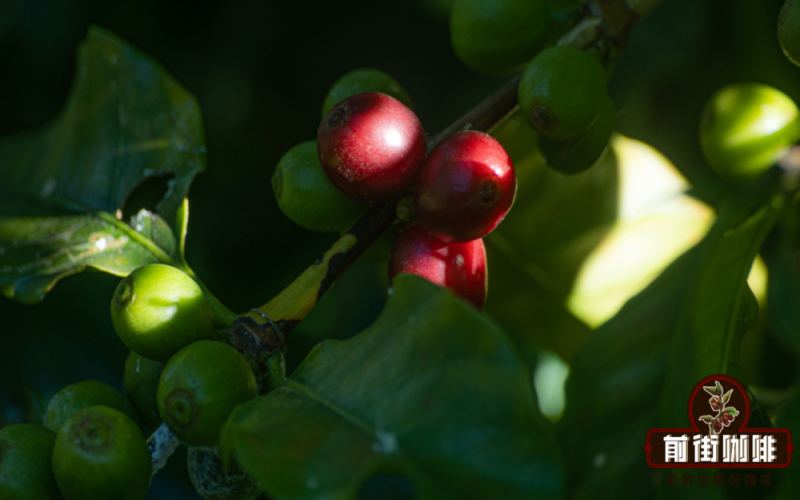
Catimor Coffee Variety Flavor Analysis: The Arabica Lineage and Full Cultivation Picture of Yunnan Catimor
As a hybrid descendant of Arabica and Robusta, Catimor has inherited the advantages of disease resistance and high yield, but it has also brought controversy in terms of flavor. This article, from Front Street's perspective, will sort out Catimor's breeding history, flavor characteristics, and how it took root in Yunnan and became the main variety of Yunnan small-batch coffee. At the same time, we will also discuss the growing conditions of Yunnan Catimor, the washed processing method, and Front Street Coffee's brewing suggestions for this bean, helping coffee lovers gain a comprehensive understanding of this variety's unique qualities. [more…]
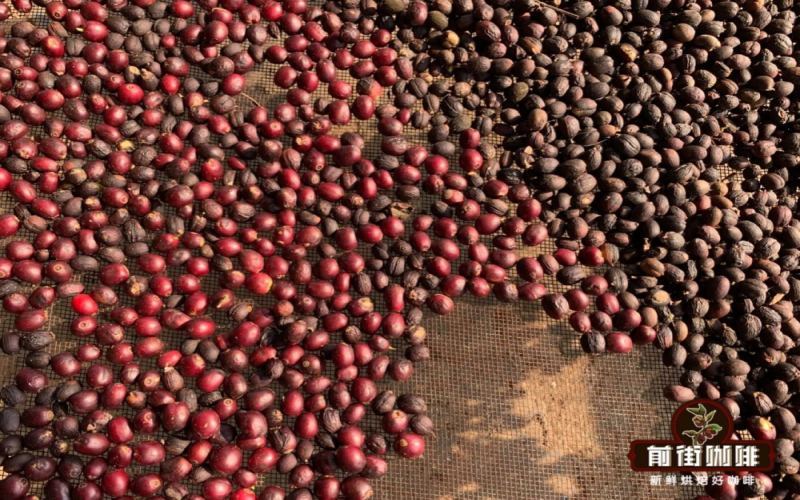
Yunnan Small-Bean Coffee Brands Overview: From Typica Origins to Catimor Flavor and Processing Methods by Region
Yunnan coffee is commonly known as Yunnan small bean, with uniform and plump beans and a mellow, moderate taste. Its cultivation history can be traced back to 1904, when the French missionary Tian De'neng brought Typica to Zhugula Village in Binchuan County. Today, Catimor and its improved varieties are widely planted in Yunnan, while high-quality varieties such as Typica, Bourbon, and Geisha account for only a small portion. Front Street Coffee's planting trials in Lincang show that Typica can present flavors of nuts, brown sugar, and slight fruit acidity. Yunnan coffee is mainly distributed in Lincang, Pu'er, Baoshan, Xishuangbanna, Wenshan, Dehong, and other places. Each production area forms a unique microclimate thanks to high altitude, abundant sunshine, and distinct dry and rainy seasons. The processing method is mainly washed. Sun-dried and washed methods bring different flavor directions, and Front Street Coffee's sun-dried and washed Catimor are typical examples. [more…]
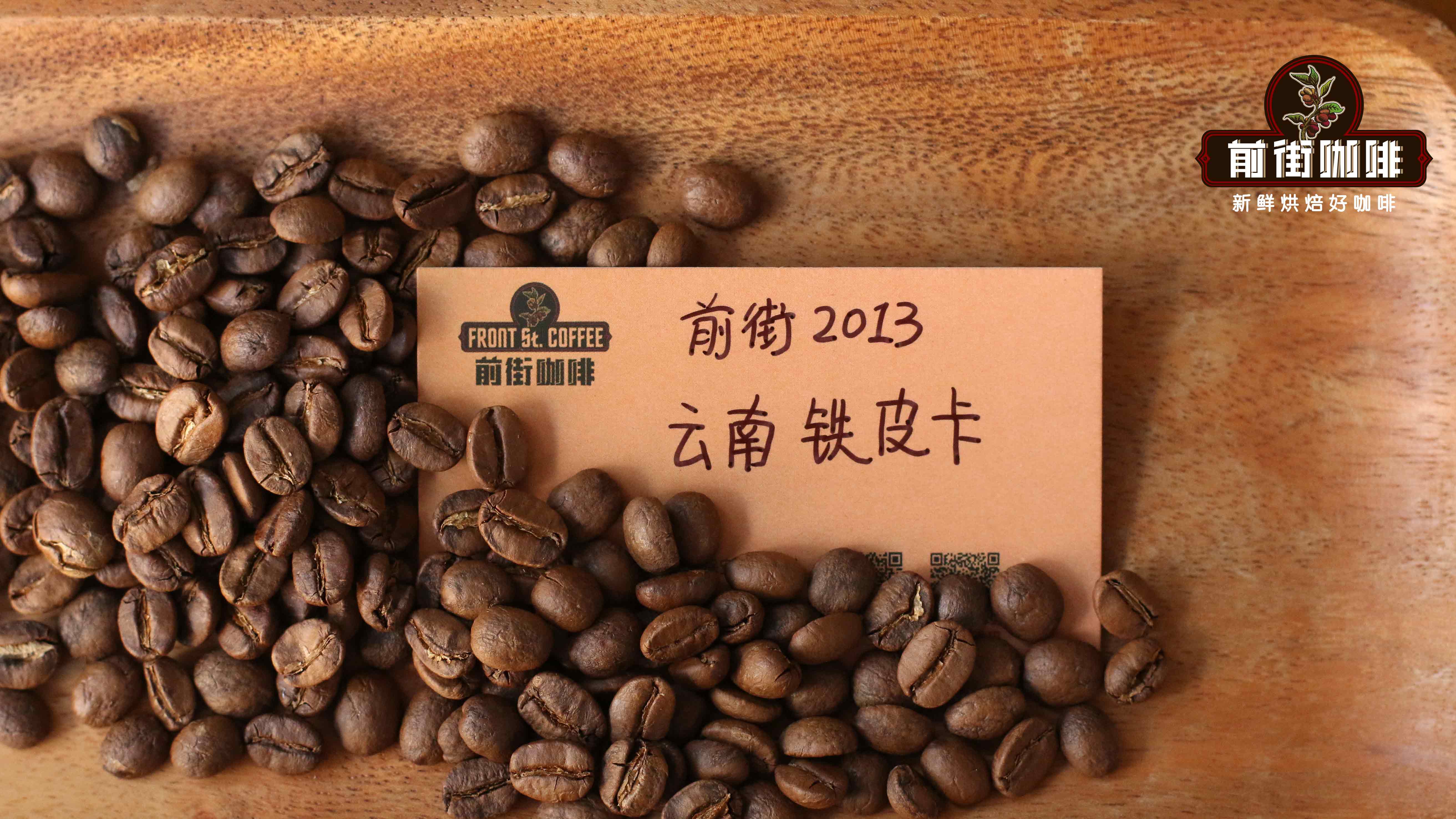
The Varietal Truth of Yunnan Small-Bean Coffee: The Evolution from Typica and Bourbon to Catimor and Their Flavor Differences
Today, Yunnan beans appear more and more frequently on the menus of specialty coffee shops, and people habitually refer to them all as "Yunnan small-berry." But behind this name actually lies a history of variety replacement: the early Yunnan small-berry referred to traditional Arabica varieties such as Typica and Bourbon, while today's Yunnan small-berry is overwhelmingly Catimor. From missionaries introducing the crop and the successful trial planting in Baoshan, to Nestlé promoting the large-scale replacement with Catimor, great changes have taken place in both the flavor and the industrial landscape of Yunnan coffee. This article will sort out the origin of the name small-berry coffee, the past and present of Yunnan small-berry, and the genetic makeup and flavor characteristics of Catimor, and offer currently worthwhile Front Street Yunnan bean choices to try. [more…]
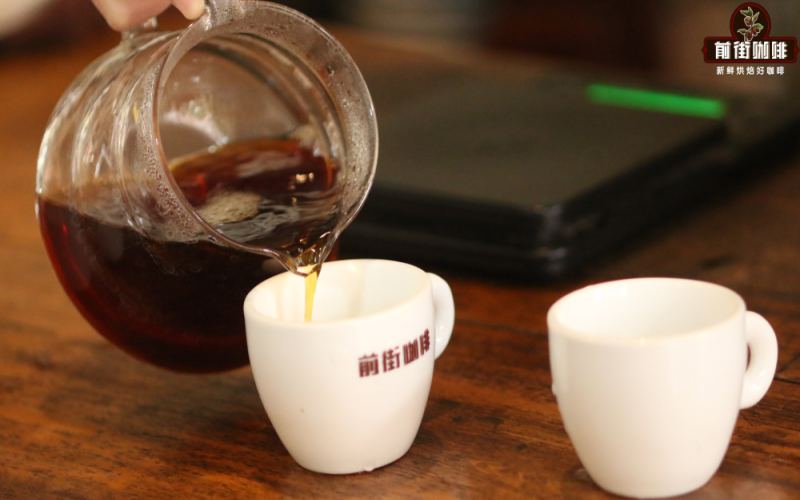
Yunnan Specialty Coffee Bean Brand Recommendations: A Complete Guide to Small-Bean Pour-Over Coffee Regions and Varieties
Yunnan coffee has performed increasingly brilliantly in the international market in recent years, and more and more coffee lovers are turning their attention to domestic specialty beans. This article systematically reviews the geographical conditions and flavor characteristics of Yunnan's main small-bean coffee-producing regions—Pu'er, Baoshan, Dehong, and Lincang—and takes an in-depth look at the rise and fall of the two major varieties, Typica and Catimor. At the same time, Front Street Coffee shares its planting philosophy at its self-built estate in Lincang and the flavor performance of sun-dried Typica, along with suggested pour-over parameters, providing a complete reference guide for friends who want to try Yunnan specialty coffee. [more…]

Catimor Coffee Bean Flavor and Grade Analysis: Is Yunnan Arabica Coffee Synonymous with the Catimor Variety?
Yunnan coffee has been gaining increasing attention in the specialty coffee scene in recent years. Many enthusiasts who walk into Front Street Coffee stores will ask: Do you have Yunnan small-bean coffee? At the same time, questions about Catimor keep coming up—what grade is it exactly, how does it perform in flavor, and is it the same as Yunnan small-bean coffee? This article systematically sorts out the relationship between Catimor, Typica, and Yunnan small-bean coffee from the perspectives of variety origin, planting history, disease resistance, and cupping flavor, and combines Front Street Coffee's production experience to share brewing parameters and bean-resting suggestions for Yunnan washed Catimor, helping readers more clearly understand this coffee variety that occupies the vast majority of Yunnan's planting area. [more…]
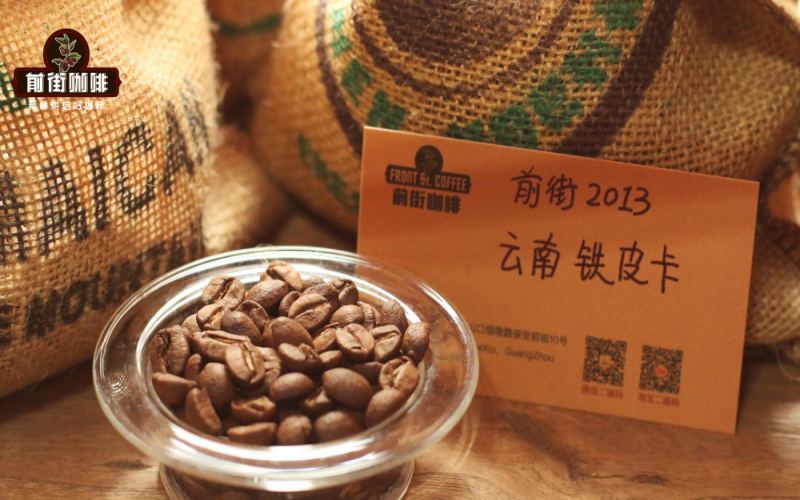
The Origin of the Name "Yunnan Small-Bean Coffee" and an Analysis of Typica and Bourbon Varieties: Can Yunnan Beans Be Considered Specialty Coffee?
Yunnan coffee is already widely known within China, but plenty of questions still surround it: Why is it called "Yunnan small bean"? Does it really count as specialty coffee? And what exactly is the relationship between Typica and Catimor? This article begins with the evolution of varieties, tracing Yunnan coffee's planting transition from Typica to Catimor, introduces Yunnan's main producing regions and grading standards, and combines Front Street Coffee's cultivation practices in Yunnan with brewing suggestions for its sun-dried Typica, helping readers gain a more systematic understanding of Yunnan beans' flavor positioning and quality potential. [more…]
The Origin and Variety Evolution of Yunnan Small-Bean Coffee, and the Proper Brewing Method for Sun-Dried Typica
Yunnan coffee has long since entered the public eye, but with so many growing regions and a bewildering array of brands, which Yunnan coffees are actually worth trying? This article takes a systematic look at the development of Yunnan arabica — from the shifting of varieties and the distribution of growing regions to grading standards and brewing details. You'll learn about the origins of Typica and Catimor, the terroir differences among Yunnan's major growing regions, and Front Street Coffee's cultivation practices in Lincang. The article also shares in detail the brewing parameters and flavor profile of Front Street's sun-dried Typica, helping you brew a balanced, sweet, no-waste cup of Yunnan specialty coffee at home. [more…]
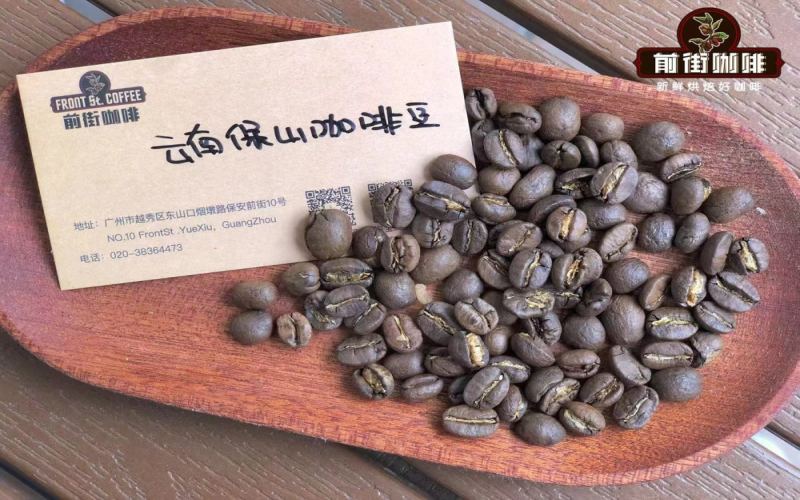
Is Yunnan small-bean coffee Arabica? A full analysis of its variety composition, main producing regions, and flavor characteristics
Yunnan small-bean coffee actually belongs to the Arabica species, but what is widely planted locally today is no longer the traditional Typica, but rather Catimor. This article will trace the evolution of coffee varieties in Yunnan, from Typica to the replacement process by Catimor, introduce the current cultivation status of a small number of high-quality varieties such as Geisha and Bourbon, and analyze one by one the climate conditions and flavor trends of major producing regions including Lincang, Pu'er, Baoshan, and Dehong. At the same time, the article will also explain why Yunnan coffee generally adopts the washed processing method, as well as Front Street Coffee's experience growing Typica in Lincang and the brewing parameters and flavor descriptions of several representative products. [more…]
Which Yunnan coffee brand is worth drinking? Small-bean grading standards and a flavor comparison of Typica vs. Catimor
Yunnan coffee has long been famous, but with so many producing regions and a bewildering array of brands, which one is actually worth drinking? This article starts from the two varieties of Yunnan Typica and Catimor sold by Front Street Coffee, traces the evolution of Yunnan coffee varieties, explains international and domestic grading standards in detail, and introduces the regional characteristics of the four major producing areas: Pu'er, Baoshan, Dehong, and Lincang. It also shares Front Street's planting philosophy at its own estate in Lincang, the process details of the natural sun-dried method, and the specific brewing parameters and flavor performance of the sun-dried Typica, helping coffee lovers gain a comprehensive understanding of the current state and quality potential of Yunnan Arabica coffee. [more…]
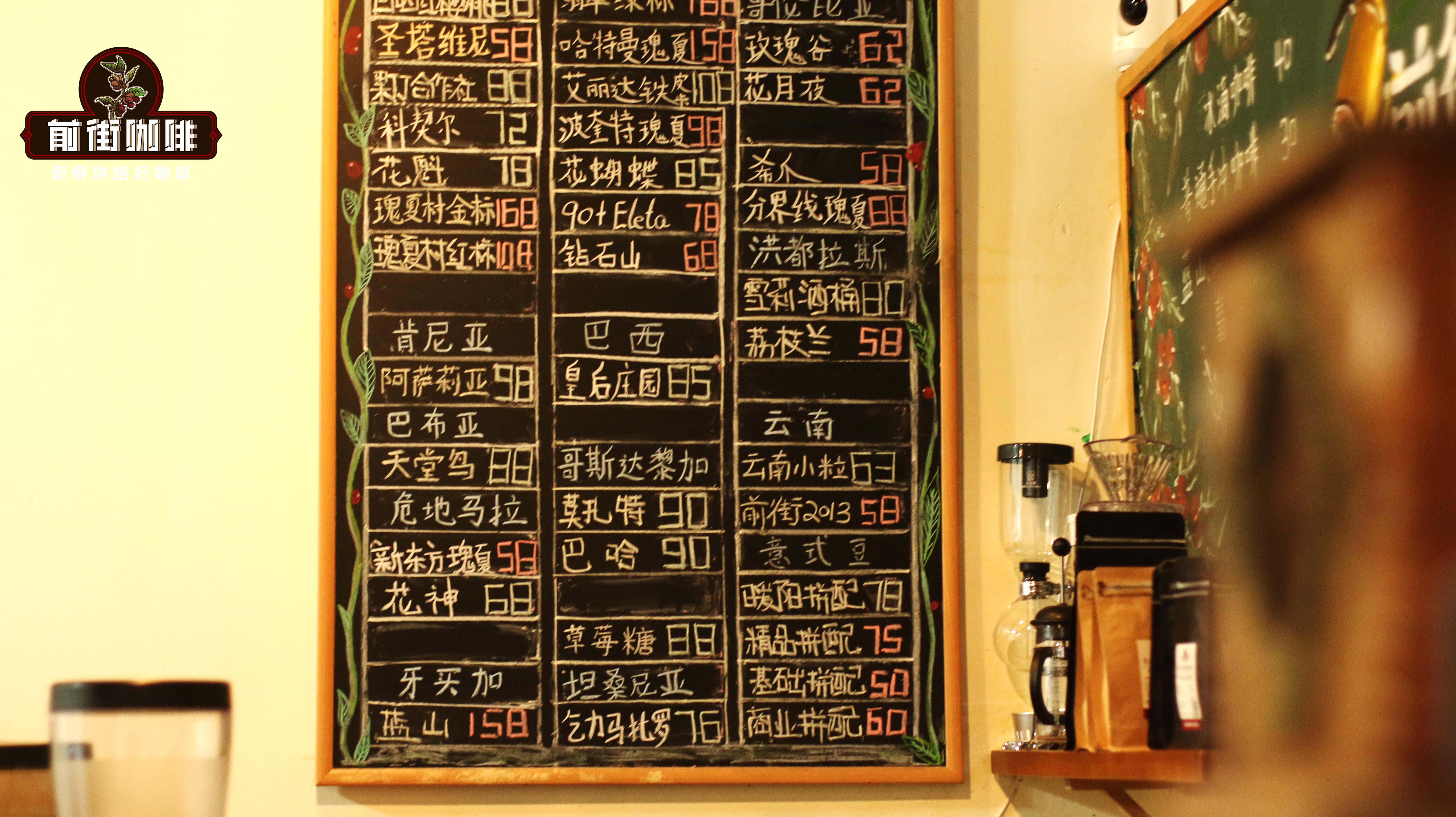
A Comprehensive Analysis of Yunnan Arabica Coffee: Origin Distribution, Variety Evolution, and Front Street Coffee's Planting Practices
Yunnan, as China's most important coffee-producing region, has a cultivation history that can be traced back to 1904, when French missionaries planted the first batch of Typica in Zhukula Village. After more than a century of development, Yunnan coffee has moved from obscurity toward the path of specialty coffee, with producing areas such as Baoshan, Pu'er, Dehong, and Lincang each having their own characteristics. However, factors such as variety replacement, choice of processing method, and growing altitude have always influenced the flavor direction of Yunnan coffee. Front Street Coffee has gone deep into Yunnan to establish estates, adhering to the Typica variety and the traditional washed and natural processing methods, in an attempt to restore the most authentic taste of Yunnan coffee. This article will systematically sort out the origin distribution and variety evolution history of Yunnan coffee, and share Front Street's practical experience in cultivation and processing. [more…]
The Origins and Disease-Resistant Characteristics of the Catimor Coffee Variety: A Full Analysis of the Flavor Pros and Cons of Yunnan Catimor Coffee Beans
Catimor is a coffee variety bred by crossing Arabica with Robusta, and it is widely planted in Central and South America and Yunnan due to its resistance to coffee leaf rust and high yield. It inherits the robust genes of Robusta, yet it is also often criticized in cupping for insufficient aroma and a bitter finish. Yunnan Catimor is mostly grown in river valley areas at around 1,100 meters, and the small-bean coffee produced in places such as Baoshan is known for being rich but not bitter, and fragrant but not harsh. This article will explore Catimor's breeding history, disease-resistant advantages, flavor defects, as well as the growing conditions and harvest cycle of the Yunnan producing region, to give you a comprehensive understanding of this variety, and introduce the performance of specialty coffees such as Front Street Coffee 2013 Yunnan Typica. [more…]
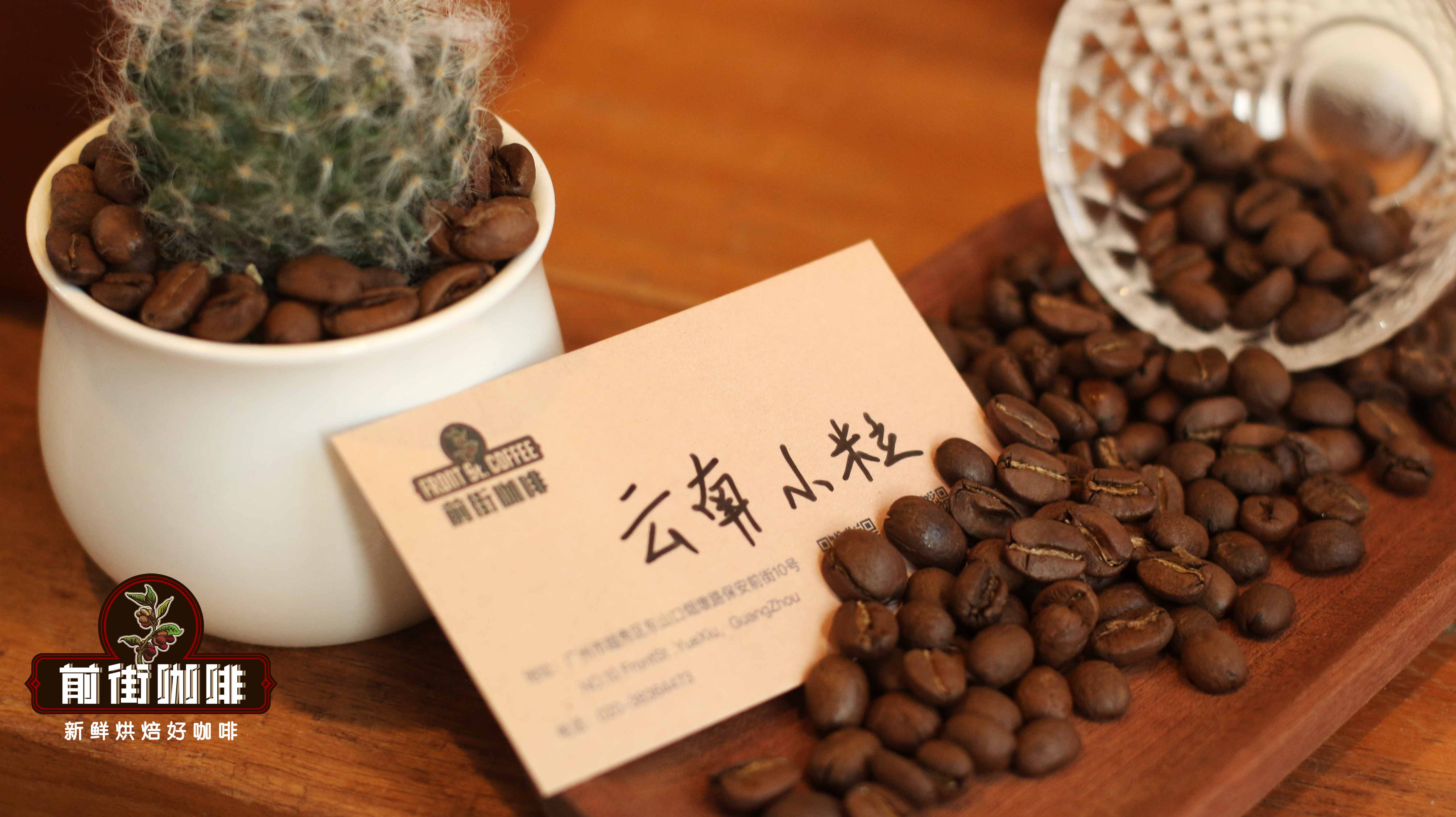
Yunnan Coffee Bean Variety Analysis: The Cultivation Status and Specialty Coffee Exploration of Catimor and Typica
Yunnan is the only province in China that cultivates Arabica coffee. In recent years, as the domestic coffee market has expanded, evaluations of Yunnan coffee have become polarized. Some people find it has an earthy, muddy taste, while others, after trying anaerobic natural-processed beans, are pleasantly surprised by its sweet aroma. Behind this contradiction lies the variety replacement and cultivation history of Yunnan coffee. This article will start with the origin of the name "small-bean coffee," trace the introduction of varieties such as Typica and Catimor, analyze the causes of Yunnan coffee's flavor characteristics, and explore two directions of its recent specialty-coffee transformation. At the same time, Front Street Coffee will share the brewing parameters and flavor performance of its own Yunnan Baoshan washed Catimor everyday beans and espresso blend. [more…]
Yunnan small-bean coffee varieties and flavor analysis: Catimor taste characteristics and Front Street Coffee roasting recommendations
Yunnan coffee has frequently become a hot topic in coffee circles in recent years. Some praise its outstanding sweet aroma, while others dislike its heavy earthy, gamey taste. Behind these conflicting evaluations lies over a century of variety changes and industrial transformation in Yunnan coffee. This article starts with the planting history from Typica to Catimor, analyzes the flavor causes of Yunnan small-bean coffee, and introduces how the Front Street Coffee staple bean series presents the regional characteristics of Yunnan through Baoshan washed Catimor. Whether you are new to Yunnan beans or want to gain a deeper understanding of the advantages and disadvantages of the Catimor variety, you can find answers here. [more…]
Does Yunnan Arabica Coffee Really Count as Specialty? A Full Analysis of Variety Origins, Flavor Characteristics, and Current Quality Status
Yunnan is the only province in China that grows Arabica coffee, yet in recent years opinions about it have been sharply divided: some find it heavy with an earthy, gamey note, while others who have tried anaerobic natural lots describe it as sweet and fragrant. Behind this divergence lies a history of variety introduction and industrial change. This article begins with the origin of the name "small-bean coffee," then traces how varieties such as Typica and Catimor have shaped the flavor direction of Yunnan coffee, analyzes how far Yunnan coffee still is from specialty-grade quality, and explains how Front Street Coffee showcases the character of Baoshan washed Catimor from Yunnan in its everyday beans and espresso blends. [more…]
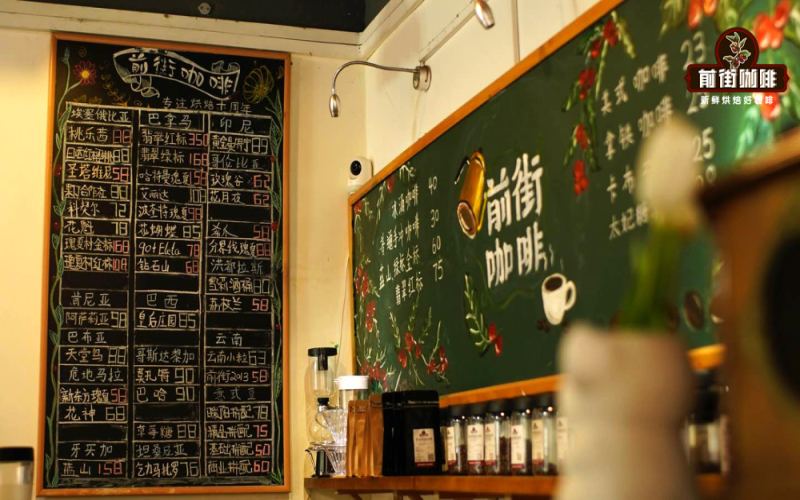
How to Hand-Brew Yunnan Small-Bean Coffee Without Bitterness? A Detailed Guide to Catimor Coffee Bean Brewing Parameters and the Three-Pour Technique
Yunnan coffee has now become a common sight in domestic cafes, but many people still don't know enough about how to brew it. Yunnan is located in the golden belt for coffee cultivation, with Baoshan, Pu'er, and Lincang as its main producing regions. Front Street Coffee selects Yunnan small-bean coffee in Baoshan and owns its own estate in Lincang. From Front Street's perspective, this article focuses on Yunnan Catimor coffee beans and systematically explains the four key points of water temperature, grind size, coffee-to-water ratio, and the three-stage pouring method, along with flavor descriptions of Front Street's washed Yunnan small-bean coffee and sun-dried Catimor, to help coffee lovers brew a cup of Yunnan pour-over coffee that is neither bitter nor astringent, but mellow, aromatic, and smooth. [more…]
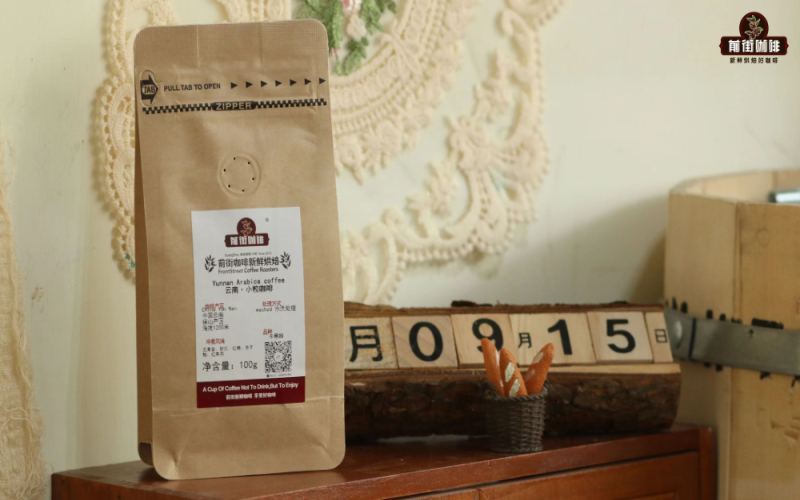
Yunnan Baoshan Small-Bean Coffee Flavor Analysis: Arabica Variety Characteristics and Brewing Parameters Guide
Yunnan coffee is attracting growing attention from coffee enthusiasts, as this land nurtures a unique expression of flavor. Front Street Coffee has added Yunnan small-bean coffee to its everyday staple series, selecting washed beans from the Baoshan region and presenting a balanced profile of nuts, brown sugar, and cream through a medium roast. Starting from the terroir conditions of Lujiangba in Baoshan, this article traces the evolution of Yunnan coffee varieties, explains the definition and processing methods of small-bean coffee, and includes the pour-over brewing parameters used at Front Street stores, offering a comprehensive look at the authentic taste of this cup of domestically grown coffee. [more…]