







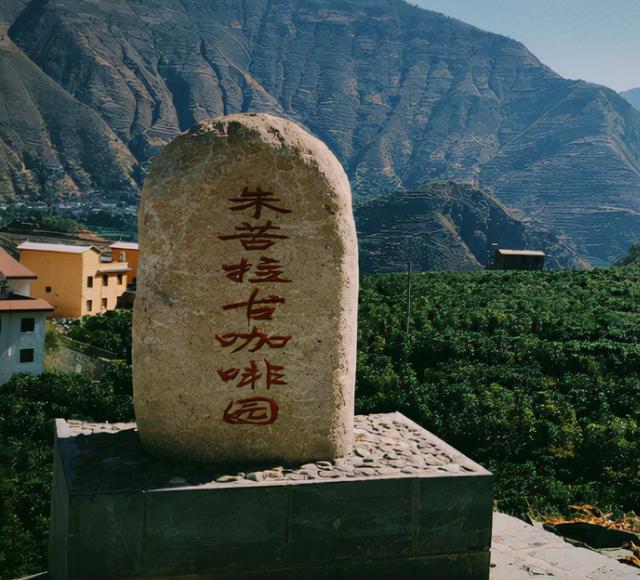
The history of coffee cultivation in China is far longer than one might imagine. From the first coffee tree in Zhukula Village, Binchuan, during the late Qing Dynasty, to the large-scale cultivation that arose in the 1950s and 1960s to repay Soviet debts, to Nestlé's promotion of the Catimor variety after Reform and Opening Up, and to the rise of the specialty coffee wave after 2000, Yunnan coffee has traveled a winding and fascinating path of evolution. Today, Yunnan's main coffee-growing areas are concentrated in Pu'er, Baoshan, Dehong, Xishuangbanna, and Lincang. Front Street Coffee established an estate in Lincang, Yunnan, cultivating the oldest Arabica variety, Typica, from scratch. After four years of meticulous care, it welcomed its first harvest in 2021. This article will guide you through the distribution of China's coffee origins and delve into the cultivation, processing, and brewing details of Front Street Coffee's estate.
Many people, as children, felt a surge of curiosity when they saw the dark brown beverage in their elders' hands. It was not until later, staying up late to study for exams, that they had to gulp down that strong "Western soy milk," with its bitter taste hitting them right in the head. Yet it was precisely from this bitterness that they gradually learned to discern its rich layers, ultimately coming to appreciate the multifaceted flavors of coffee. Many friends, with some trepidation, walked into a Front Street Coffee shop and, for the first time, seriously tasted Yunnan coffee—only to be surprised to discover that Yunnan coffee beans could also display such a unique flavor.
Today, walk into any café and you can almost always find Yunnan coffee beans on the menu. This seems like something that only became popular in recent years, but in fact, the history of coffee cultivation in Yunnan can be traced back to the late Qing Dynasty. In 1904, the "Binchuan County Annals" recorded that a priest went to Zhukula Village in Binchuan to build a church and preach, and personally planted a coffee tree beside the church.
China truly began large-scale coffee cultivation only in the 1950s and 1960s. At that time, in order to repay Soviet debts, relevant departments took the initiative to purchase coffee door-to-door and export it overseas. Yunnan small-bean coffee, with its aromatic yet not harsh and rich yet not bitter taste, won praise from many European and American consumers.
The second wave of cultivation occurred around the time of Reform and Opening Up. With the implementation of the reform and opening-up policy, more and more international companies entered the Chinese market. Nestlé also recognized Yunnan's unique growing conditions and promoted the Catimor coffee tree, which has higher yield and stronger disease resistance, in the region. For a time, Yunnan coffee beans were almost monopolized by Catimor. Yields did go up, but Catimor carries Robusta genes, and its flavor has been described by many as having a "devilish aftertaste."
The third wave of cultivation took place after 2000. With the country's rapid economic development, the number of domestic cafés continued to increase, and more and more people fell in love with pour-over coffee. In order to maximize the expression of Yunnan coffee beans' flavor, many Yunnan coffee producers began technical improvements in Yunnan coffee varieties and post-harvest green bean processing methods.
Although today people can taste diverse and distinctive Yunnan coffee beans, they mostly come from these main growing regions: Pu'er, Baoshan, Dehong, Xishuangbanna, and Lincang.
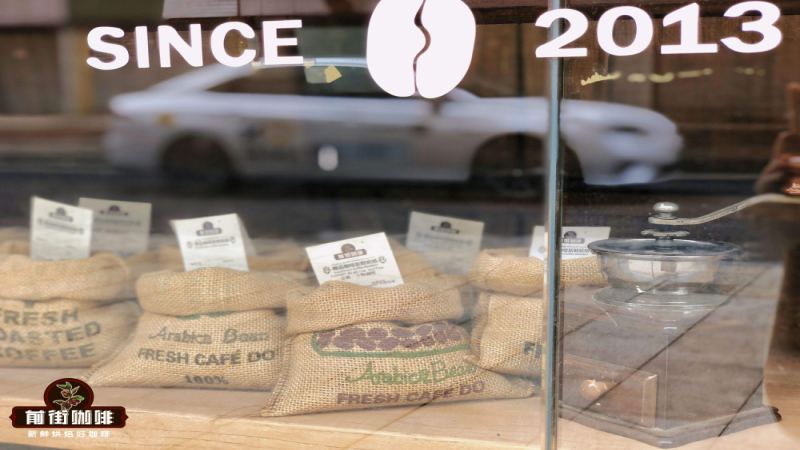
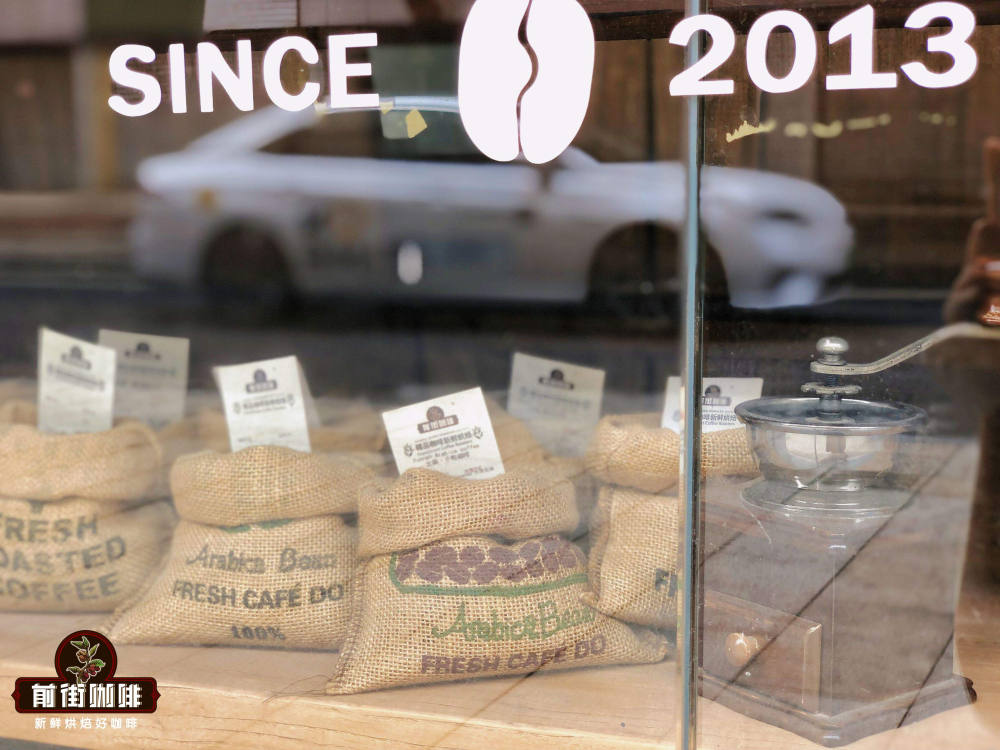
The blackboard at the Front Street Coffee shop lists many coffee beans from different producing countries, with a dedicated section for China's Yunnan. On its journey to explore terroir, Front Street Coffee naturally would not miss Yunnan. Front Street opened its Front Street Coffee shop in Dongshankou, Yuexiu, Guangzhou in 2013, but half a year earlier, Front Street Coffee had already begun growing coffee, planting Catimor in a place called Dazhen in Guangdong. Unfortunately, the direction was wrong, and everything had to be torn down and started over. Later, by a stroke of luck, Front Street Coffee found a piece of land in Lincang, Yunnan, suitable for growing coffee.
Front Street's years of experience in coffee research have made it well aware that specialty coffee is all about coffee varieties and growing environments. Therefore, at the Front Street Coffee estate in Lincang, Yunnan, they started from scratch and chose the oldest Arabica variety—Typica—for cultivation. After four years of careful tending, the Front Street Coffee estate welcomed its first joyful harvest in 2021.
The Front Street Coffee estate is located in Lincang, Yunnan, where the average temperature is about 21 degrees Celsius, with abundant rainfall and sufficient sunshine, mild summers and frost-free winters—making it an ideal origin for growing Yunnan small-bean coffee. The coffee grown here by Front Street Coffee, with its rich yet not bitter and aromatic yet not harsh characteristics, along with soft fruity flavors, has won the favor of a group of coffee connoisseurs.
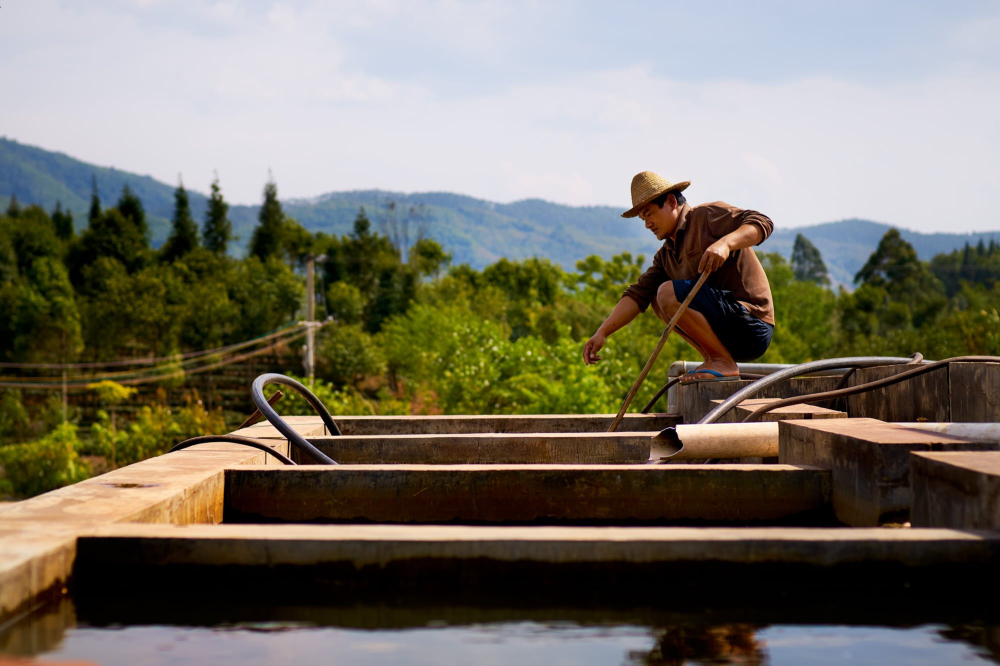
Front Street Coffee screens the harvested coffee cherries and then evenly spreads them on premium drying beds for sun-drying. To ensure the cherries dry evenly and avoid over-fermentation, Front Street Coffee estate staff turn the coffee cherries at irregular intervals. Through meticulous sun-drying, the sun-dried Typica coffee beans produced by Front Street Coffee have a more intense aroma and stronger sweetness compared to washed processing.
When roasting this coffee bean, Front Street Coffee's roaster used a medium roast level to highlight the fruity aroma and full-bodied taste.
Front Street Coffee's baristas cupped the coffee eight hours after roasting was completed and found that the sun-dried Typica from the Front Street Coffee estate carries nutty notes, accompanied by soft plum-like acidity, brown sugar-like sweetness, and a hint of black tea in the aftertaste.
When serving this sun-dried Typica coffee, Front Street Coffee shop uses the following brewing parameters:
Dripper: Hario V60
Water temperature: 88 degrees Celsius
Coffee dose: 15 grams
Coffee-to-water ratio: 1:15
Grind size: 75% passing through Chinese standard No. 20 sieve
Today, more and more people pay attention to the freshness of coffee beans, believing that fresh brewing is the only way to showcase good flavor. The coffee beans shipped by Front Street are all freshly roasted within 5 days, and by the time they arrive, they have gone through a 5-to-7-day resting period—right at their optimal flavor window.
After coffee beans are roasted, gas remains trapped inside the beans. If they are too fresh, carbon dioxide will interfere with the stability of flavor extraction during brewing, and the cup will carry an unpleasant "harsh" sensation. Therefore, Front Street recommends blooming before brewing.
Pouring hot water during the blooming stage helps release carbon dioxide from the coffee grounds, creating more stable conditions for subsequent extraction.
First pour 30 grams of hot water and bloom for 30 seconds, then pour in a thin stream from the center point while slowly circling to 125 grams. When the water level in the dripper drops to the point where the coffee bed is about to be exposed, continue circling and pouring to 225 grams. Total extraction time is about 2 minutes.
For more coffee bean information, please follow Coffee Workshop (WeChat official account: cafe_style)
For professional coffee knowledge exchange, please add WeChat ID: kaixinguoguo0925
The above content is compiled by CoffeeHunters, a coffee news website.


