







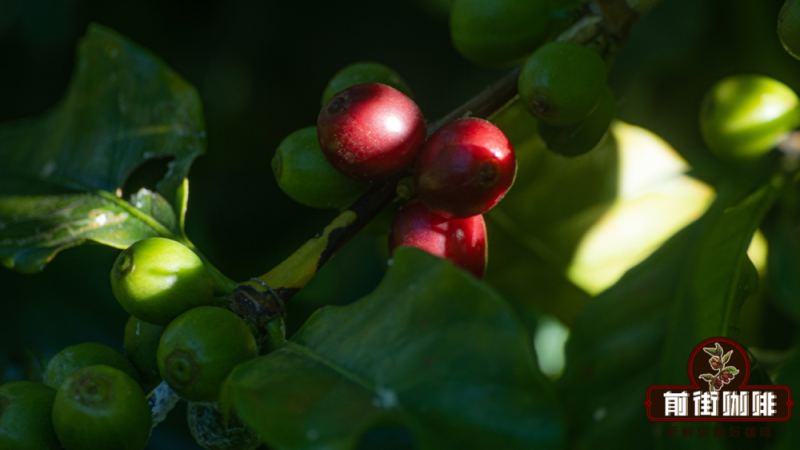
How Does the Catimor Arabica Variety Taste in the Cup?
Catimor is an arabica variety bred in 1959 by Portugal's CIFC, which crossed Timor, a line carrying Robusta genes, with the Caturra Bourbon variety. It was released to fight coffee leaf rust across Central and South America in the 1980s. The trade-off is flavor: cupping notes often mention a bitter, sometimes astringent finish.
Catimor's Robusta lineage gives it strong resistance to leaf rust, berry disease, and pests, plus high, stable yields suited to dense planting. Even above 1,200 meters it trails Bourbon, Caturra, and Catuai in the cup, and performs worse at low altitude. In Yunnan it became the main smallholder variety, usually processed washed.
As a hybrid descendant of Arabica and Robusta, Catimor inherits both disease resistance and high yield, but also brings controversy in flavor. From the perspective of Front Street Coffee, this article will sort out Catimor's breeding history, flavor characteristics, and how it took root in Yunnan and became the main variety of Yunnan small coffee. At the same time, we will also discuss the growing conditions of Yunnan Catimor, the washed processing method, and Front Street Coffee's brewing suggestions for this bean, helping coffee lovers fully understand the uniqueness of this variety.
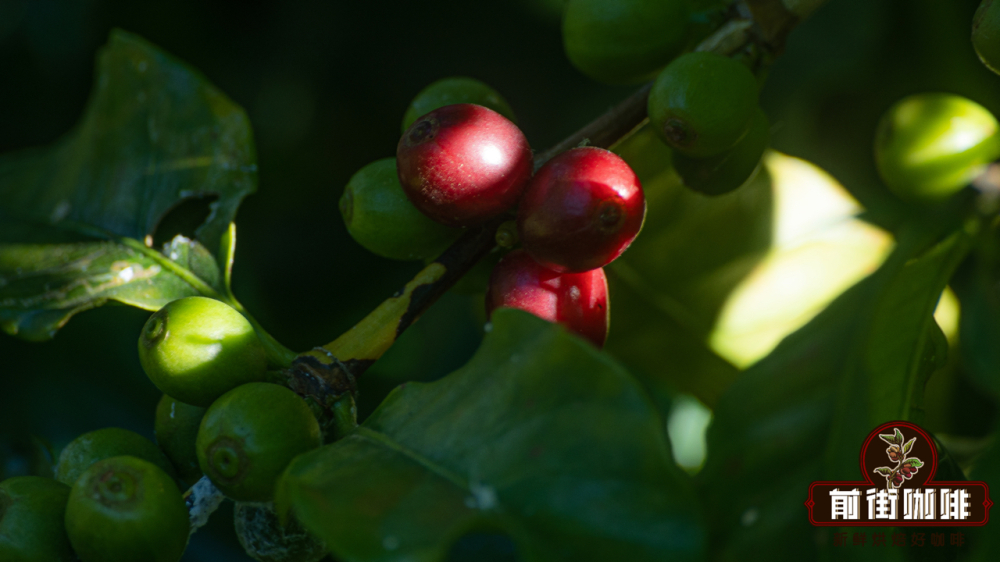
In the coffee world, Arabica is usually regarded as synonymous with specialty flavor, while Robusta is often associated with a bitter and intense taste. So, when these two varieties are crossed, what kind of flavor will the offspring present? Today, Front Street will introduce everyone to the Catimor variety.
Catimor Variety Catimor
In the 1970s and 1980s, severe coffee leaf rust broke out in many countries in Central and South America, and coffee production was hit enormously. In 1959, Portugal's coffee research institution CIFC crossed Timor, which carries Robusta genes, with the Bourbon variety Caturra, successfully developing the disease-resistant and high-yielding Catimor. In order to cope with the leaf rust disaster, along with the promotion of coffee organizations, Central and South America began widely introducing this variety in the 1980s.
Because it inherits Timor's Robusta lineage, Catimor has strong resistance to coffee leaf rust, berry disease, and insect pests, and is suitable for dense planting, with high and stable yields. But at the same time, it also brings the flavor defects of Robusta. In cupping, it is often described as having a "devilish aftertaste," with insufficiently prominent aroma, a rather bitter taste, and sometimes even an irritating astringency.
As is well known, the higher the altitude at which coffee trees are grown, the greater the temperature difference between day and night, the slower the coffee fruit grows, the more nutrients it accumulates, and the richer its sugars and aromas, ultimately resulting in better flavor performance in the cup. Compared with high-quality Arabica varieties such as Bourbon, Caturra, and Catuai, Catimor still performs slightly inferior in cupping even when planted above 1,200 meters. If planted in low-altitude areas below 1,200 meters, Catimor is almost no different from ordinary commercial coffee beans.
Yunnan Small Coffee
Yunnan coffee is also often directly called Yunnan small coffee, Yunnan small originally referred to the ancient Arabica variety Typica. Later, because the introduced Catimor occupied the vast majority of Yunnan's coffee planting area, what is now referred to as Yunnan small coffee actually means Yunnan Catimor.
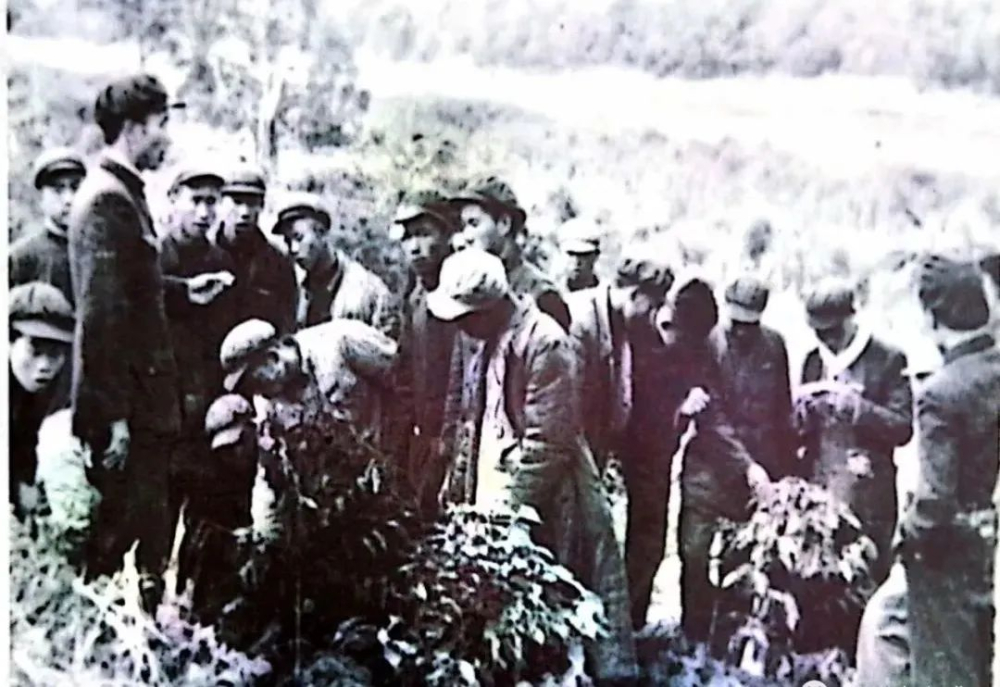
According to relevant records, in 1904 the French missionary Tian Deneng planted the first coffee tree in Zhukula Village, Pingchuan Town, Binchuan County, Dali, thus beginning the history of coffee cultivation in Yunnan.
After that, Yunnan coffee cultivation went through several important stages. In the 1930s, the patriotic overseas Chinese Mr. Liang Jinshan introduced a batch of coffee seeds from Myanmar and planted them in Pupiao and Luoming in Baoshan, Yunnan. Coffee sprouted under the warm sunlight of Lujiangba and bore plump crimson fruit. Thanks to the natural environment of the Nujiang River valley, Baoshan produced high-quality coffee beans with high density and rich aroma. Unfortunately, in 1942 the coffee plantations were destroyed in the invasion and bombing by the Japanese army.
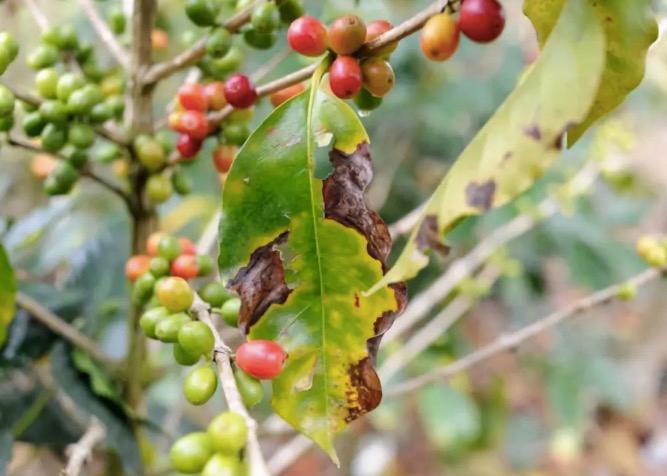
In 1952, scientific and technical personnel from the Yunnan Academy of Agricultural Sciences distributed 80 kilograms of coffee seeds to farmers in Lujiangba, Baoshan for trial planting, and found that the adaptability was good and the quality excellent. Yunnan coffee cultivation developed and expanded once again. By 1988, Nestlé established a new joint venture in China, promoted coffee planting projects, introduced the high-yield Catimor variety, and promised to purchase green coffee beans at the then-current U.S. spot market price. This measure greatly promoted the large-scale cultivation of coffee in Yunnan.
Yunnan Small Coffee Cultivation
Yunnan's Catimor is suitable for planting on hillsides between 800 and 1,800 meters above sea level. Too high an altitude easily produces irritating acidity, while too low an altitude gives a heavy bitterness. Therefore, Yunnan usually plants Catimor in river valley areas at around 1,100 meters. In addition, Yunnan has large areas of sloping land, great topographic relief, fertile soil, abundant sunshine, ample rainfall, and a large temperature difference between day and night, making it especially suitable for coffee tree growth.
Catimor is mainly planted in Lincang, Baoshan, Simao, Xishuangbanna, Dehong, and other places in Yunnan. Among them, Baoshan has an average annual temperature of 21.5°C and a maximum temperature of up to 40°C, with no frost throughout the year. Coffee trees cannot grow in frost environments, so this place is very suitable for small coffee cultivation and is also known as the best producing area for small coffee. The local small coffee is famous at home and abroad for being strong but not bitter, aromatic but not harsh, with small and uniform beans, mellow richness, and fruity notes.
Yunnan small coffee trees generally begin to bear fruit only after 3 to 4 years of planting. The flowering period of small coffee in Yunnan is usually from February to July, with the full flowering period from March to May. Coffee tree flowering is affected by the local climate, and the blooming time is very short, generally only 2 to 3 days. The growth and ripening cycle of coffee fruit is relatively long. Yunnan small coffee usually takes 8 to 10 months to mature, and local harvesting begins in November and continues until March to April of the following year. The higher the altitude, the slower the ripening speed. For example, Front Street's own grown Front Street 2013 coffee beans, in the new crop batch launched in February 2022, were harvested between November and December.
Yunnan Small Coffee Baoshan Producing Area
Coffee cultivation in Baoshan began in the mid-1930s, and the first batch of coffee seedlings was introduced from Southeast Asia by the late patriotic overseas Chinese Mr. Liang Jinshan. Baoshan small coffee was recognized by the General Administration of Quality Supervision, Inspection and Quarantine as a National Geographical Indication Product in 2010. Baoshan has an average temperature of about 21.3 degrees Celsius, with a maximum of up to 40.4 degrees Celsius, and basically no frost throughout the year, making it recognized as the best producing area for growing small coffee. With the expansion of international trade, the small coffee of Lujiangba, Baoshan has been recognized by coffee experts at home and abroad, and was once evaluated as "strong but not bitter, aromatic but not harsh, with a mellow fragrance; rich in oil, with pronounced fruit acidity and a lasting sweet aftertaste; this is a premium coffee."
Washed Processing Method
Because Yunnan has a rainy season all year round, and the harvest period happens to be in winter, sufficient sunlight cannot be guaranteed, so most Yunnan coffee uses the washed processing method.
Washing means removing the skin of the coffee fruit and then soaking and fermenting it in a water tank to remove the mucilage layer. The washing process can screen out defective beans at different steps, so the flavor is also cleaner.
Perhaps some friends have already noticed that many coffees on Front Street's bean list have chosen washed processing, especially the daily beans series launched by Front Street. Washed green coffee beans have a brighter acidity and aroma, and are closer to the original taste of the coffee fruit, while natural processing adds a fermented quality on top of the washed base. Therefore, Front Street believes that washed coffee beans can better reflect the basic flavor of the producing area.
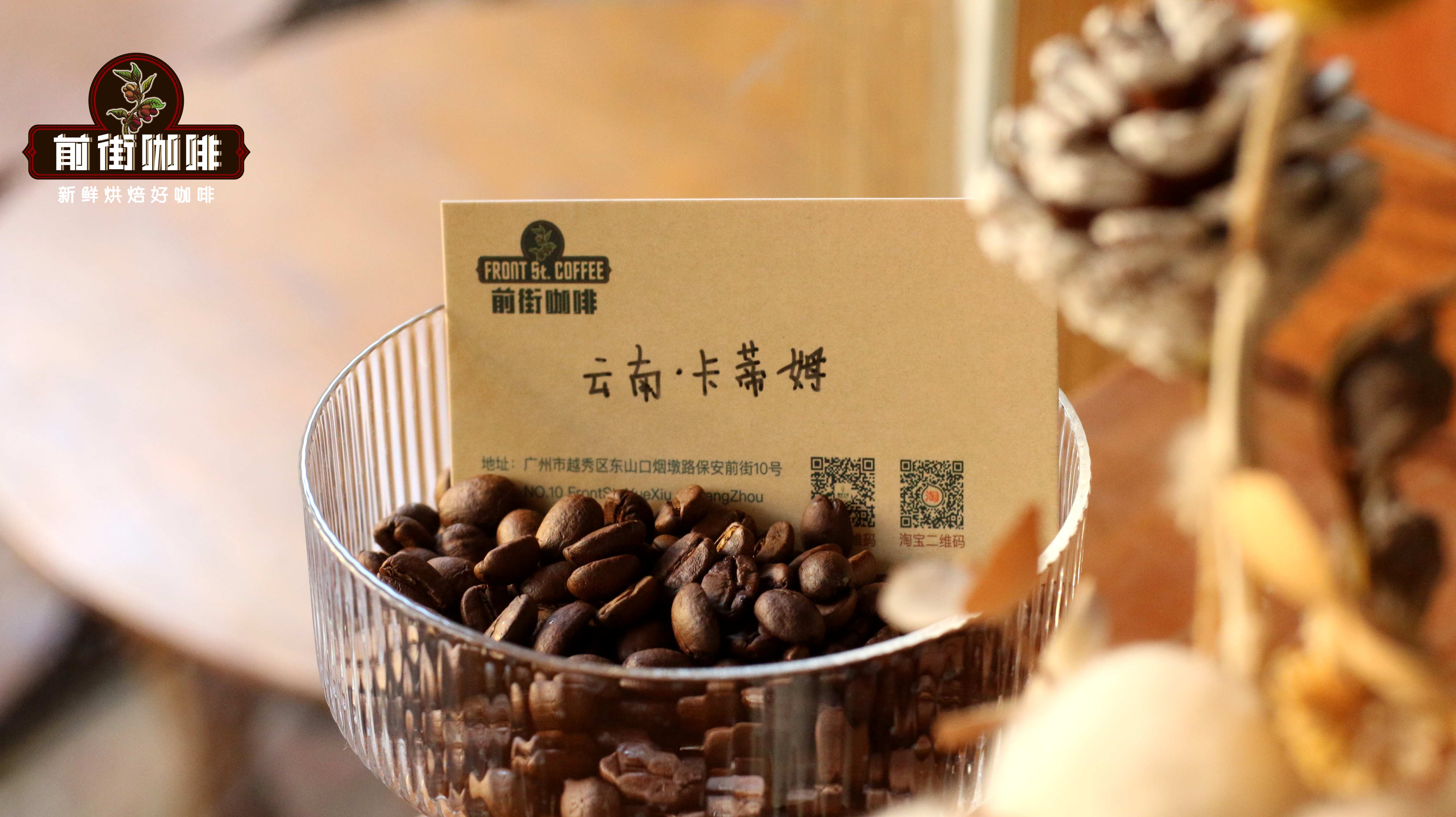
FrontStreet Coffee: Yunnan Small Coffee Beans
Producing Area: China, Baoshan
Altitude: 1,200 meters
Processing Method: Washed
Variety: Catimor
Flavor: Nuts, melon and fruit aroma, brown sugar, plum acidity
Brewing Reference
Front Street believes that the first condition for a delicious cup of coffee is to use freshly roasted coffee beans. Coffee beans enter their best tasting period 4 to 7 days after roasting. If left for too long, the aroma will accelerate and dissipate after the tasting period, and it will be difficult to restore the coffee's flavor and mouthfeel. Front Street deeply understands the importance of freshness, so all shipments are freshly roasted batches within 5 days, allowing everyone to brew and taste them as soon as they receive them.
Front Street has noticed that some customers do not have grinding equipment at home and hope to brew and drink more quickly. Whether at Front Street's online Taobao store or the Bao'an Front Street shop, we provide grinding service and drip bag production. Here Front Street should remind everyone that after coffee beans are ground, the aroma will accelerate and volatilize, so they need to be consumed as soon as possible.
For washed Yunnan small coffee, the flavor is mainly expressed as nutty aroma and soft fruit acidity, so Front Street chooses a medium roast to retain moderate acidity.
Filter Cup: V60 Water Temperature: 90 degrees Celsius Coffee Dose: 15g Coffee-to-Water Ratio: 1:15 Grind Size: fine granulated sugar size (20-mesh sieve bowl sifting to 78%)
Pair with a three-stage extraction method: pour the coffee grounds into the V60 filter cup, wet the coffee bed with twice the amount of water as the coffee grounds, forming a dome and blooming for 30 seconds; then pour in a small stream of water in circles from the inside out until 125 grams, pause, wait for the coffee bed to drop to half the height of the filter cup, continue pouring the third stage with the same fine stream to 225 grams, until all the coffee liquid has filtered through, then remove the filter cup. The time is about 2 minutes.
Yunnan small coffee tastes of nutty and brown sugar aromas, with plum acidity. The sourness, sweetness, and bitterness are all fairly neutral, and it has a tea-like aftertaste after drinking.
For professional coffee knowledge exchange and more coffee bean information, please follow Coffee Workshop (WeChat public account cafe_style)
For more specialty coffee beans, please add the private WeChat of FrontStreet Coffee, WeChat ID: qjcoffeex
The above content is compiled by CoffeeHunters, a coffee news website.


