







Search Results for: development ratio
Espresso Blend Coffee Roasting in Practice: Analysis of Raw Blend Strategies, Density Difference Handling, and Development Rate Control Points
The roasting of espresso blends centers on balancing the density, size, and flavor direction of different bean varieties. Starting from the choice between pre-blend and post-blend, this article combines the blending case of Front Street Colombia Medellin and Front Street Ethiopia Yirgacheffe to break down in detail the logic of adjusting heat, airflow, and moisture during roasting, as well as how to handle combinations of green beans with large density differences through stages such as steaming, heat pushing, and gliding. The article also presents an espresso blend roasting approach with a development ratio controlled at around 25%, and includes measured espresso extraction parameters and flavor descriptions, making it suitable for enthusiasts who wish to gain a deeper understanding of espresso blend roasting. [more…]
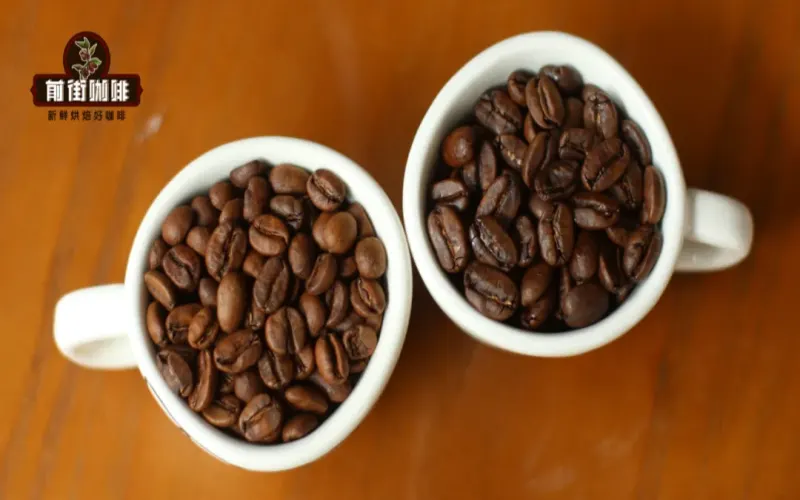
Pour-Over for Beginners: A Guide to Developing Extraction Plans for Unfamiliar Coffee Beans and Identifying Roast Levels
When faced with a coffee bean you've never tried before, how can you quickly find the right brewing recipe? Actually, you don't need to overturn your existing brewing habits—just make targeted adjustments to the extraction parameters. Drawing on Front Street Coffee's practical experience, this article teaches you to infer the roast level from the flavor description on the bean bag label, and from there determine the three core parameters: coffee-to-water ratio, grind size, and water temperature. It also explains in detail the differences in extraction logic between light-roasted and dark-roasted beans, as well as strategies for dealing with specially processed beans, helping you easily master every unfamiliar bean without changing your brewing technique. [more…]
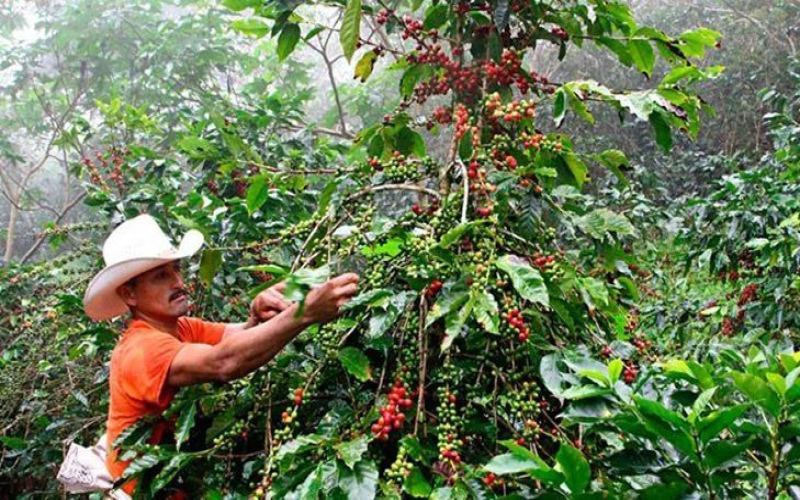
The Rise of the Honduran Coffee Industry and a Complete Guide to Front Street Honduran Coffee Beans: Pour-Over Parameters, Water Temperature, and Ratios
Honduras is an important coffee-producing country in Central America. Although it started late, it caught up quickly: by 2011 its output had surpassed Guatemala's, and today it ranks firmly among the world's top ten coffee producers. This article will provide a comprehensive overview of Honduran coffee from the perspectives of its historical development, producing regions, variety characteristics, grading standards, and processing methods. It will also combine the practical brewing experience of several Honduran coffee beans from Front Street Coffee to share pour-over parameters and water-temperature ratios in detail. Whether you want to understand the regional flavors of Honduran coffee or are looking for practical pour-over solutions, this article can provide valuable reference. [more…]
A Guide to Ceylon Black Tea Brewing Ratios: From the Reasons for Its Introduction to the Development Path of Smallholder Organic Fair Trade
How many grams of Ceylon black tea should you use? This seemingly simple question is connected to the entire ecosystem of Sri Lanka's tea industry. This article starts with brewing ratios, traces the history of Ceylon black tea's introduction into China, and takes a deep look at how small tea farmers in Sri Lanka carve out a path of organic fair trade in the cracks between large tea estates. From IFOAM and Codex Alimentarius organic standards, to international certification systems such as Bio, USDA, and JAS, and to the protection of workers' rights by international fair trade organizations, you will see the strict checks a cup of Ceylon black tea goes through from cultivation to export, and you will also understand why the related products recommended by Front Street Coffee are worth paying attention to. [more…]
A Beginner's Guide to Pour-Over Drip Coffee: Equipment Selection, Brewing Steps, and Key Parameters Such as Water Temperature and Grind Ratio
Pour-over drip coffee may seem simple—just a dripper, a hand gooseneck kettle, filter paper, and a cup are all you need—but once you actually start brewing, you realize there are countless variables at play. This article begins with the basic equipment, then gradually introduces the standard brewing process, the interrupt-pour technique, advanced setups, and the five major variables, along with specific water temperature and grind size recommendations for light, medium, and dark roasts. Whether you're a beginner just getting into pour-over or an enthusiast looking to refine your technique, you'll find practical parameter references here. The article also covers methods for adjusting variables to suit your taste, key points for cleaning and maintenance, and practical approaches for making flavored coffee bases and super-concentrated iced coffee, and recommends related products from Front Street Coffee. [more…]

Can espresso blend beans handle pour-over? Exploring the autumn flavors of Front Street Yunnan blend and sharing the recipe
Pour-over coffee has always pursued the goal of showcasing the terroir of a single origin, while espresso blends are mostly designed for espresso. Can the two collide to create new possibilities? Front Street Coffee, inspired by autumn, tried using Yunnan Typica as the base, supplemented by Yirgacheffe and Gesha Village natural beans, to explore a blend recipe suitable for pour-over. From the logic of bean selection, the trade-offs between pre-roast blending and post-roast blending, to the step-by-step adjustment of the roasting curve, and then to multiple rounds of cupping and ratio optimization, the entire process not only sorts out the principles of blending but also includes specific reference parameters and flavor records, opening up new ideas for coffee enthusiasts in pour-over blending. [more…]

Hand-brewed Blend Coffee Beans | Can Espresso Beans Be Used for Hand-brewed Coffee? How to Blend Single-Origin Beans for Hand-brewing? Hand-brewed Blend Bean Roasting Parameters and Flavor Introduction?
As autumn turns to winter and the weather gradually cools, Front Street Coffee created the Front Street Sunflower Warm Sun espresso blend, suited to espresso, quite some time ago. Following this line of thinking, Front Street also wanted to make a blended coffee bean suitable for autumn drinking and usable for pour-over coffee. Front Street Coffee (FrontStreet C [more…]
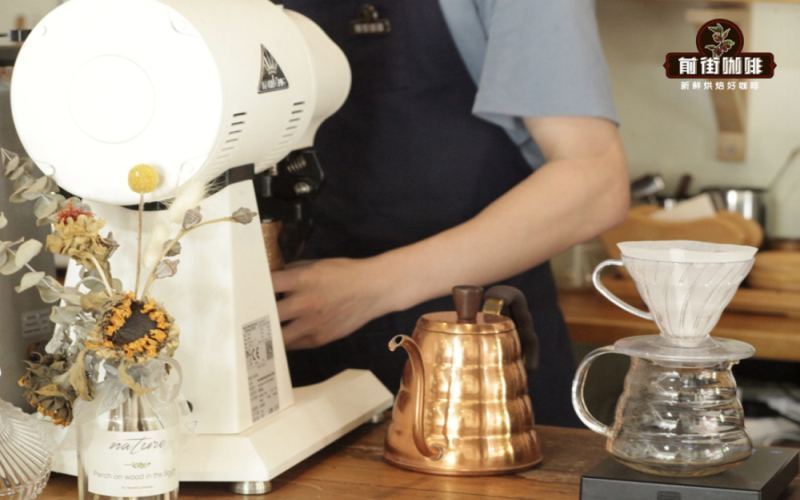
Front Street Sunflower Autumn Blend: The R&D Journey and Flavor Analysis of a Pour-Over Blend
Autumn has arrived, and Front Street Coffee has launched a blend designed specifically for pour-over—Sunflower Autumn Blend. This coffee is based on Yunnan Typica as the main component, paired with washed Yirgacheffe Kochere and Gesha Village sun-dried Geisha. After multiple raw blend experiments and roasting adjustments, it ultimately presents a soft and varied acidity, medium-high sweetness, and a lasting sweet finish. In terms of flavor, it has aromas of black tea, cocoa, caramel, jackfruit, orange, and nuts, with a clean and transparent mouthfeel, medium body, and a slight effervescence. This article will document in detail the development approach, bean composition process, roasting curve, and brewing performance of this autumn blend, making it a useful reference for coffee enthusiasts who enjoy pour-over blends. [more…]

Italian Coffee Culture | How is a standard espresso made in a coffee shop? What are the coffee powder-to-liquid ratio, extraction time, water temperature, and water pressure for a delicious espresso?
For more specialty coffee knowledge, please follow our WeChat official account: Front Street Coffee (FrontStreet Coffee). As an indispensable part of Italians' daily lives, every espresso tells a story of region, culture, and the history that drove rapid social development. The earliest [more…]

A Complete Guide to the Golden Cup Extraction Theory: From Its Historical Origins to the Practical Application of Concentration and Extraction Yield
The Golden Cup extraction is a concept often mentioned in coffee circles. It uses two indicators—concentration and extraction yield—to judge whether a cup of coffee has been properly extracted. This theory can be traced back to 1952, when it was developed through collaborative research by the American coffee association and Dr. Lockhart of MIT. After multiple revisions, the Golden Cup range currently recognized by the SCAA is: extraction yield 18%-22%, concentration 1.15%-1.35%. But the Golden Cup numbers are only a reference tool, not an absolute formula for brewing delicious coffee. This article will walk you through the origins and development of Golden Cup extraction, the meaning of concentration and extraction yield, how to calculate extraction yield using formulas, and why you should not be limited by the Golden Cup range. [more…]
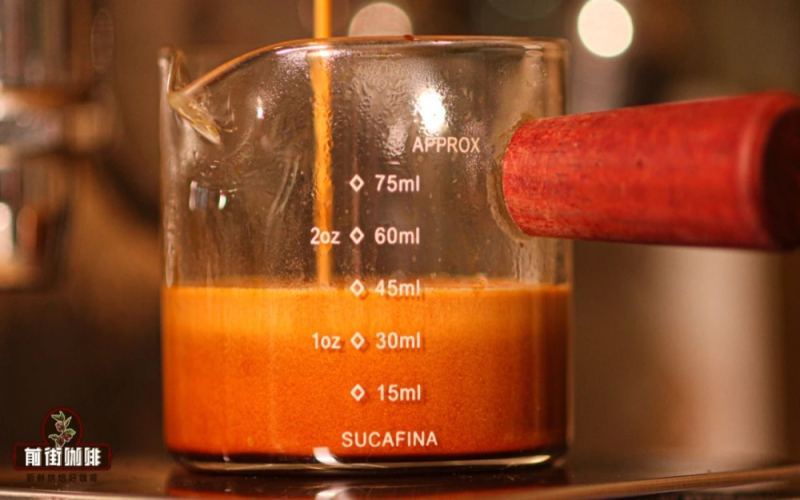
How do you drink espresso the right way? A complete tasting guide from crema and brew ratio to flavor
Espresso is the base for many milk coffees, but many people wonder whether it can be drunk on its own and what exactly there is to savor in it. This article, from the perspective of Front Street Coffee, first breaks down the three main components of espresso—crema, coffee oils, and soluble substances—and then explains how 9-bar high-pressure extraction creates the golden crema layer. It then shares the recipe ratio, roasting curve, and extraction parameters of Front Street Coffee's Warm Sun blend, and offers tasting suggestions such as stirring and letting it cool, helping you understand that what is truly worth appreciating in espresso is the mouthfeel, aroma, aftertaste, and a few distinct flavor notes, not just bitterness. [more…]
Pour-Over Blends Are a Thing Too: Front Street Coffee Autumn Blend Recipe, Roasting Parameters, and Flavor Profile Analysis
When it comes to blended beans, most people only think of espresso, but hand-brewed coffee can use them just as well. This article fully reconstructs the entire process behind Front Street Coffee's development of the "Autumn Hand-Brew Blend": why Yunnan 2013 Typica was chosen as the lead bean, how Yirgacheffe Kochere and Gesha Village sun-dried Geisha filled in the supporting roles, how raw blending and roasted blending were weighed against each other, what cup-testing iterations the 6:3:1 ratio went through, and two complete roasting curve data sets. The finished cup has soft acidity, clear sweetness, and layers of black tea, caramel, orange, and floral-fruity aromas unfolding one after another, offering a detailed reference for enthusiasts who want to try hand-brew blending. [more…]
Can Espresso Blend Beans Be Used for Pour-Over? A Full Breakdown of the R&D Process for a Yunnan Typica Autumn Pour-Over Blend
Many people assume that blended coffee beans can only be used for espresso, but Front Street Coffee has proven through actual research and development that pour-over can also handle blended beans. This article provides a complete record of Front Street's process in developing an autumn pour-over blend: from determining Yunnan Typica as the base bean, to pairing it with Yirgacheffe Kochere and Gesha Village Red Label Natural Geisha, and then to the repeated adjustments of the raw blend roasting curve and cupping verification. You will see the blending approach, the logic behind selecting the base and companion beans, the trade-offs between raw blending and roasted blending, the details of the roasting parameters, and the final flavor expression of black tea, cocoa, caramel, and jackfruit. [more…]
Yirgacheffe Aricha Specialty Coffee Beans: Washed and Natural Processing, Regional Development, and Front Street Brewing Guide Analysis
Yirgacheffe Adola is one of the representatives of Ethiopian specialty coffee, and its outstanding taste is inseparable from its exquisite washed processing. Since the 1970s, this region has been famous for washed beans, and Front Street's Gutingding is one of its high-grade representatives. This article will provide a complete analysis of the six major steps of the washed processing method, from flotation, depulping, fermentation and demucilage to sun drying and storage, and introduce the rise of sun-dried Yirgacheffe in recent years, such as the improved details of Front Street's Sun-Dried Red Cherry. At the same time, it shares Front Street's recommended grind size, water temperature, coffee-to-water ratio, and staged pouring technique to help you fully bring out this bean's floral and fruity aroma and bright acidity. [more…]
Want a pour-over coffee that's strikingly sweet with gentle acidity? The sweetness sources in light-roasted Arabica beans and brewing tips
Many coffee enthusiasts hope that pour-over coffee can present a style full of sweetness and soft acidity, rather than being simply sharp and sour. So where does the sweetness in coffee actually come from? How does the degree of roasting affect the ratio of sweetness to acidity? In everyday brewing, what techniques should be used to amplify sweetness and suppress astringency? Starting from the laws of flavor development, this article will sort out the relationship between roasting and flavor description, and use a sun-dried bean as an example to break down in detail the complete approach to expressing a high-sweetness, low-acidity taste through parameters such as coffee-to-water ratio, water temperature, and staged pouring. [more…]
Golden Mandheling Pour-Over Coffee Extraction Plan | What Are the Variety, Processing Method, and Flavor of PWN Golden Mandheling Coffee? An Introduction to Golden Mandheling Coffee Bean Grind Size and Ratio
For more specialty coffee knowledge, please follow our WeChat official account: FrontStreet Coffee. With the development of the specialty coffee market, many coffee enthusiasts have started to explore how to brew pour-over coffee at home. However, pour-over coffee can't be mastered with just a recipe; it requires [more…]
How to brew iced pour-over coffee so it isn’t weak? Master the universal ratio and grind adjustment techniques
On a scorching summer day, a refreshing glass of iced pour-over coffee is undoubtedly the top choice for cooling down and recharging. But many people who try iced pour-over at home often run into the problem of the coffee tasting thin and bland after being diluted by the ice cubes. In fact, all you need is a simple universal formula—a coffee-to-water ratio of 1 part grounds to 10 parts hot water plus 5 parts ice—and then, following proper extraction logic, grind a bit finer, and you can easily make a glass of iced pour-over with both good strength and flavor. This article will break down in detail the principles behind adjusting iced pour-over parameters, the three-pour technique, and the convenient "one-pour iced pour-over" method developed by Mr. Tetsu Kasuya, so you can reliably replicate café-quality iced coffee at home. [more…]

A Comprehensive Analysis of the Pour-Over Parameters and Flavor Characteristics of Honduras Sweet Orange Estate Coffee Beans, Light Roast
Honduras, as the largest coffee-producing country in Central America, has seen its coffee industry travel a winding road from obscurity to the ranks of the world's leaders. This article will start with Honduras's coffee development history, producing regions, and grading system, then focus on the washed Catuai variety from Sweet Orange Estate in the La Paz producing region in the southwest. Front Street Coffee will share this bean's green coffee characteristics, the design approach for its roasting curve, and complete brewing parameters for pour-over at a light roast, including grind size, water temperature, and coffee-to-water ratio, as well as a detailed description of its flavor layers of spicy roasted peanut dry aroma, berry acidity, and genmaicha finish, providing coffee lovers with a practical brewing reference. [more…]
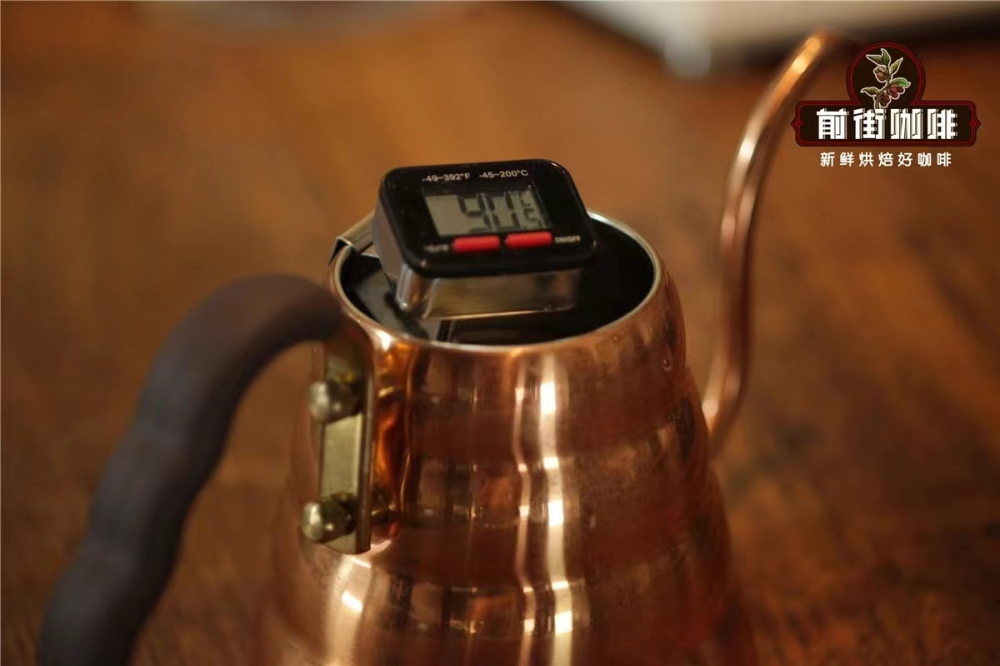
Golden Mandheling Pour-Over Coffee Brewing Recipe | What Are the Variety, Processing Method, and Flavor of PWN Golden Mandheling Coffee? An Introduction to Golden Mandheling Coffee Bean Grind Size and Ratios
For more specialty coffee knowledge, please follow our WeChat official account: FrontStreet Coffee. With the development of the specialty coffee market, many coffee enthusiasts have started to explore how to brew pour-over coffee at home, but pour-over coffee isn't something that can be mastered with just a recipe — rather, it requires [more…]
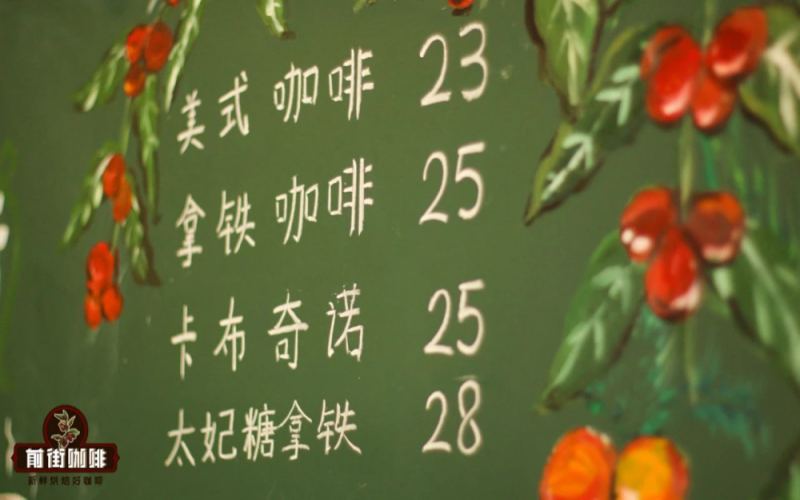
Why is the Australian-style Long Black so hard to find in China? How exactly does it differ from an Americano?
Both are espresso diluted with water, yet Americano and Long Black have completely different preparation logic and flavor goals. The former adds coffee first and then pours in water, is suitable both hot and cold, and allows loose ratios; the latter requires water to be prepared first before pouring in the espresso, must be drunk while hot, and exists solely to preserve that layer of Crema aroma. This article comprehensively sorts out the differences between this pair of black coffee "rivals," from origin and method to presentation details, and analyzes why Long Black has never become as popular in China as Flat White. Front Street Coffee will also combine its own serving parameters to share the key points for making a standard Long Black, as well as how to order if you want an iced version. [more…]