







What goes into a lightly roasted pour-over blend?
The Front Street Sunflower Autumn Blend is a pour-over blend built on Yunnan Typica, paired with washed Yirgacheffe Kochere and Gesha Village sun-dried Geisha. Multiple raw blend trials and roast adjustments produced soft, varied acidity, medium-high sweetness, and a long aftertaste. Flavors include black tea, cocoa, caramel, jackfruit, orange, and nuts, with a clean mouthfeel and medium body.
The bean list was shortlisted from washed Yirgacheffe, washed Costa Rica SHB Caturra, sun-dried Yirgacheffe Red Cherry, washed Front Street Typica, and Gesha Village sun-dried Geisha, all scoring at or above the specialty threshold. The goal was a cup that stays light rather than heavy, so the lightly roasted blend keeps autumn fruit notes while avoiding the dense profile typical of gesha espresso blends.
Autumn has arrived, and Front Street Coffee has launched a blend designed specifically for pour-over—Sunflower Autumn Blend. This coffee is based on Yunnan Typica as the main note, paired with washed Yirgacheffe Kochere and Gesha Village sun-dried Geisha. After multiple raw blend experiments and roasting adjustments, it finally presents a soft and varied acidity, medium-high sweetness, and a long-lasting aftertaste. In terms of flavor, it carries aromas of black tea, cocoa, caramel, jackfruit, orange, and nuts, with a clean and transparent mouthfeel, medium body, and a slight sparkling sensation. This article will document in detail the development approach, bean blending process, roasting curve, and brewing performance of this autumn blend, suitable for coffee enthusiasts who enjoy pour-over blends.
For professional coffee knowledge exchange and more coffee bean information, please follow Coffee Workshop (WeChat public account: cafe_style)
For more specialty coffee beans, please add the private WeChat of Front Street Coffee: qjcoffeex
Front Street Coffee - Autumn Blend Coffee Beans Variety: Typica, Geisha, Heirloom Flavor: Aromas of black tea, cocoa, caramel, jackfruit, orange, and nuts
After autumn arrived, I had an idea: to make a pour-over blend suitable for autumn drinking. I hope this coffee can have a clean and bright flavor profile, a smooth entry with layered and varied acidity, and at the same time possess medium-high sweetness and a long finish.
In public perception, coffee blends are usually associated with espresso. Two to five kinds of beans are blended together either by mixing before roasting or roasting separately and then combining, allowing their respective strengths and weaknesses to complement each other, ultimately producing a rich and full-bodied cup of coffee.
From the existing bean inventory, we shortlisted several candidate beans: washed Yirgacheffe, washed Costa Rica SHB Caturra, sun-dried Yirgacheffe Red Cherry, washed Front Street 2013 Typica, and Gesha Village sun-dried Geisha. The cupping scores of these beans all reached or exceeded the threshold for specialty coffee.
【Blending Approach】
At the beginning of development, we first had to clarify what kind of flavor the theme "autumn" should convey. My idea was: the mouthfeel does not need to be too heavy, but it must have the breath of autumn-harvested fruit, and it must be sweet. The team unanimously agreed that we should choose one main bean plus one to two supporting beans to harmonize the flavor; too many types of beans would cause the blend to lose its main theme, and the flavors would be messy and difficult to balance.
【Determining the Main Flavor Bean】
As the main bean of the recipe, it needs to have strong inclusiveness, sufficient sweetness, a certain body, and sufficiently stable quality. To find such a bean, we repeatedly searched the database—each coffee had at least three roasting curves and cupping scores recorded. By comparing their evaluations and strengths and weaknesses, we finally locked onto Yunnan Typica from dozens of beans. "Huaguoshan" is our local coffee, source quality control can be well managed, and it combines mouthfeel and flavor, with balanced and long-lasting sweetness, making it very suitable as a blending base.
However, Huaguoshan is slightly lacking in the uniqueness of its acidity and flavor. When it comes to flavor, the first choice is naturally Ethiopian beans. Ethiopia is called the "coffee gene bank," with more than two thousand known varieties locally, and its richness of flavor is beyond doubt. So among the many Ethiopian beans, which one should be chosen? Thus the next step of work began...
Candlestick, Huakui, Aricha, Kochere, Woka... a dazzling array of varieties with various floral, berry, and citrus notes
【Finalizing the Supporting Beans】
Generally speaking, single-origin Arabica coffee is enough to make a good cup of coffee: fragrant, soft, and with a sweet aftertaste. "Blending" is combining coffees from different origins, each with its own unique taste, aroma, and mouthfeel, mixing and adjusting according to the flavor you like, so you can make your own exclusive coffee.
The following recipes were tested in roasted blending:
1. Yunnan : Kochere 5:5
2. Yunnan : Kochere 7:3
3. Yunnan : Kochere 8:2
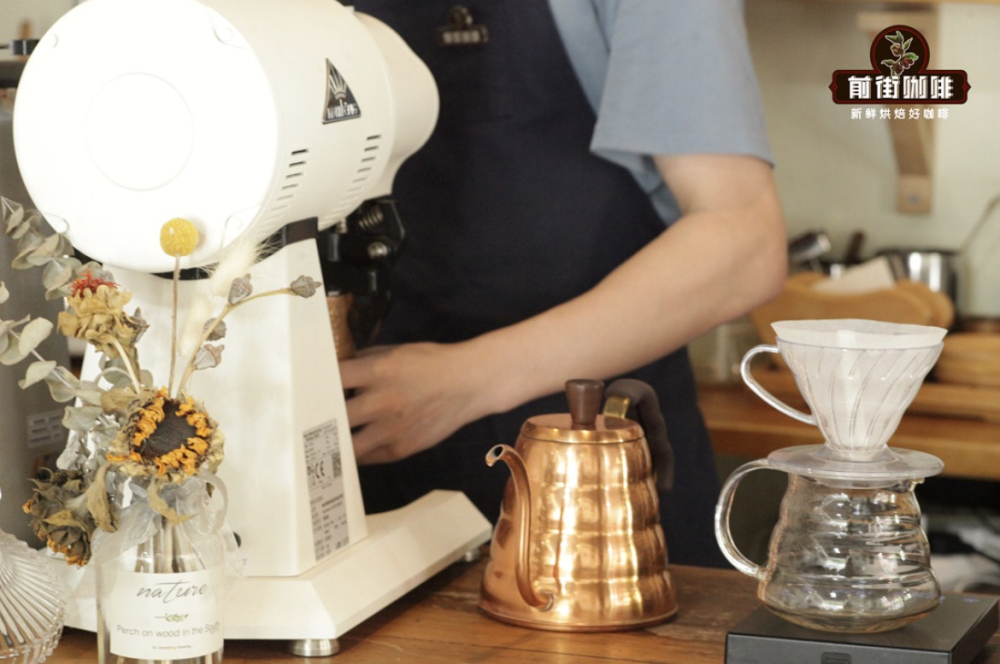
First round of pour-over blend testing: the more satisfactory one was 7:3, Yunnan : Kochere, with mild citrus acidity, chocolate at the finish, and slightly weaker sweetness
After cupping comparison and research on coffee tonality, we chose washed Yirgacheffe Kochere—it has the same black tea finish as Huaguoshan, and its citric acidity and orange flavor can increase the recipe's layering and brightness, adding points to Yunnan.
Raw blend or roasted blend?
If we roasted separately according to the most suitable roast level for these two beans and then blended, it clearly would not work. Yunnan uses a medium-dark roast, while Kochere is a light roast. During pour-over, Yunnan would be over-extracted while Kochere would be under-extracted.
The result would be that the flavor of the entire cup collapses, so we decided to try a raw blend!
【Roasting Approach and Adjustments】
In terms of moisture content, the two beans, both washed, are relatively close. Regarding bean quality, Typica is softer, but Yunnan, which is relatively larger in size, is also similar to the harder but smaller Kochere in heat conduction, so blending and roasting these two beans is not likely to cause uneven roasting. We adopted a stepwise heat-reduction roasting method, leaving a longer Maillard reaction time after dehydration and homogenization, so that the two beans tend to develop more synchronously.
In determining the roast level, we also used the "middle value." This development time and drop temperature effectively remove the acidity and excessive herbal notes that appear when Yunnan coffee is lightly roasted, while also preserving the floral and fruity aroma of Yirgacheffe.
Roaster: Yangjia 600g
Charge amount 300g, charge temperature 170°C, charge with heat off. After 30 seconds, turn heat to 140, airflow 3. When bean temperature reaches 140, lower heat to 120, open airflow to 4. At 4 minutes 30 seconds, dehydration turns yellow; at 168°C, lower heat again to 90. First crack begins at about 8 minutes, open airflow to 5, first crack development 1 minute 45 seconds, drop at 195°C.
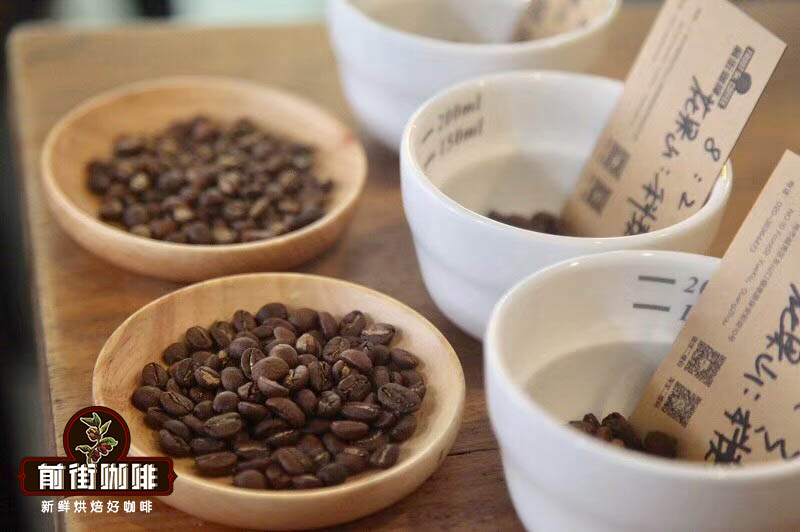
In terms of ratio, the first time we chose Huaguoshan : Kochere—a 6:4 ratio. Cupping result: good cleanliness, fresh sweetness, apple-like fragrance, plum acidity, orange aroma in the aftertaste. Overall impression: the mouthfeel is good, but the flavor is slightly thin.
【Adjusting the Beans】
So after cupping discussion, everyone decided to add a bean to enhance the flavor—[Gesha Village Geisha] sun-dried. This time the ratio used was Huaguoshan : Kochere : Geisha—6:3:1.
Lowering the proportion of Kochere made the acidity of the whole coffee softer than before, and 10% Gesha Village brought more fruity flavor while also enhancing the floral aroma and the tea aroma in the finish.
In roasting, in order to retain more floral and fruity aroma, the drop temperature would be lowered a little; the time from dehydration to first crack was slightly shortened to retain more reaction substances, and the first crack development time was increased to develop flavor.
Second roasting adjustment
Roaster: Yangjia 600g
Charge amount 300g, charge temperature 170°C, charge with heat off. After 30 seconds, turn heat to 140, airflow 3. At 140°C, lower heat to 120, open airflow to 4; at 4 minutes 30 seconds, dehydration turns yellow; at 168°C, lower heat again to 90. First crack begins at 7 minutes 46 seconds, open airflow to 5; at 188°C, lower heat to 50 to extend development, roast for 2 minutes 05 seconds, drop at 193°C.
This roast increased the first crack time to develop flavor while also making the development degree of the three beans tend to be even, and a slightly lower drop temperature can preserve the floral and fruity aroma of Geisha.
The roast level for the raw blend was set at a medium-light level, with Yunnan Typica making up a large proportion. Because this Yunnan coffee already shows obvious brown sugar aroma at medium-light roast, along with black tea and a little creamy flavor, and performs cleanly in the cup with high sweetness.
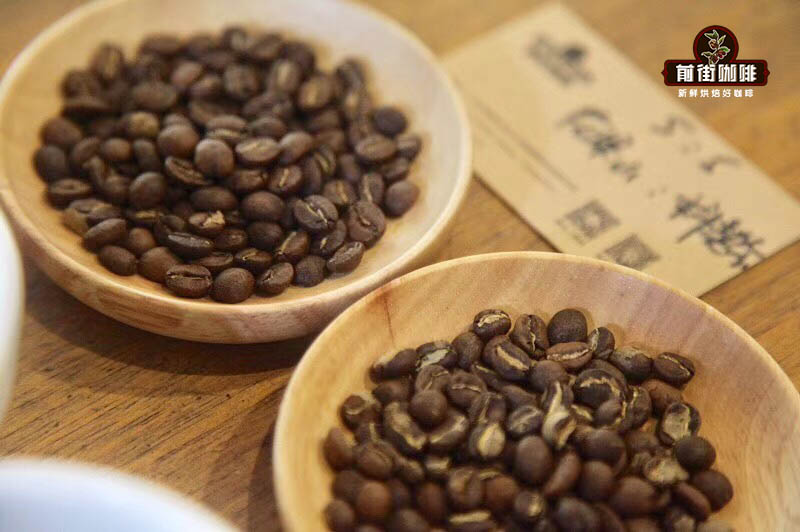
Because the moisture content and hardness of the three beans are all relatively high, although the varieties are different, fortunately the screen sizes are not very different, so being a raw blend does not add much roasting difficulty.
After several rounds of pour-over,
After pour-over and cupping, the taste of this raw blend met my expectations. The entry acidity is soft and somewhat varied; the acidity begins to gradually connect with sweetness from the middle section, and the aftertaste is long and lingering. It has the feeling of fresh green plants, with aromas of black tea, cocoa, caramel, jackfruit, orange, and nuts. The taste is transparent and clean, with medium body and a slightly sparkling mouthfeel.
At this point we had a preliminarily finalized [Sunflower Autumn Blend]. This coffee combines the characteristics of Asian and African beans, and basically conforms to the proposition and flavor characteristics. Everyone was also relatively satisfied with the cupping and actual brewing results.
Brewing [Autumn Blend], with a 5-day resting period, trying 90°C water temperature gave a tiny bit of astringency. The second time we switched to 89°C water temperature for brewing, the entry acidity was soft and had some variation just now; the acidity of [Gesha Village Geisha] begins to gradually connect with sweetness from the middle section, and the aftertaste is long and lingering. Aromas of black tea, cocoa, caramel, jackfruit, orange, and nuts. The taste is transparent and clean, with medium body and a slightly sparkling mouthfeel. It feels like this coffee really has the feeling of autumn.
The above content is compiled by CoffeeHunters, a coffee news website.


