







For more coffee origin information and coffee knowledge, please followCoffeeHuntersToutiao account
With the development of the specialty coffee market, many coffee enthusiasts have started to research how to brew pour-over coffee at home. But pour-over coffee isn't something that can be mastered with just a recipe—it requires long-term brewing practice to develop a feel for it and brew delicious coffee. So in this article, Front Street Coffee (FrontStreet Coffee) will teach coffee enthusiasts how to brew pour-over coffee at home. Among these, Front Street Coffee (FrontStreet Coffee) believes thatFront Street Indonesia Mandheling coffee beansare relatively easy-to-handle coffee beans for practicing pour-over, so let's start with Front Street Indonesia Golden Mandheling for our introduction.
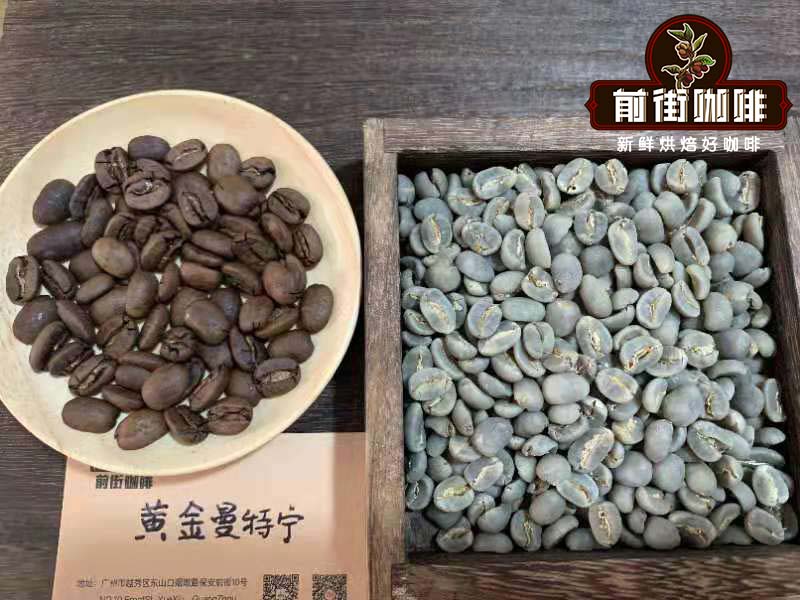
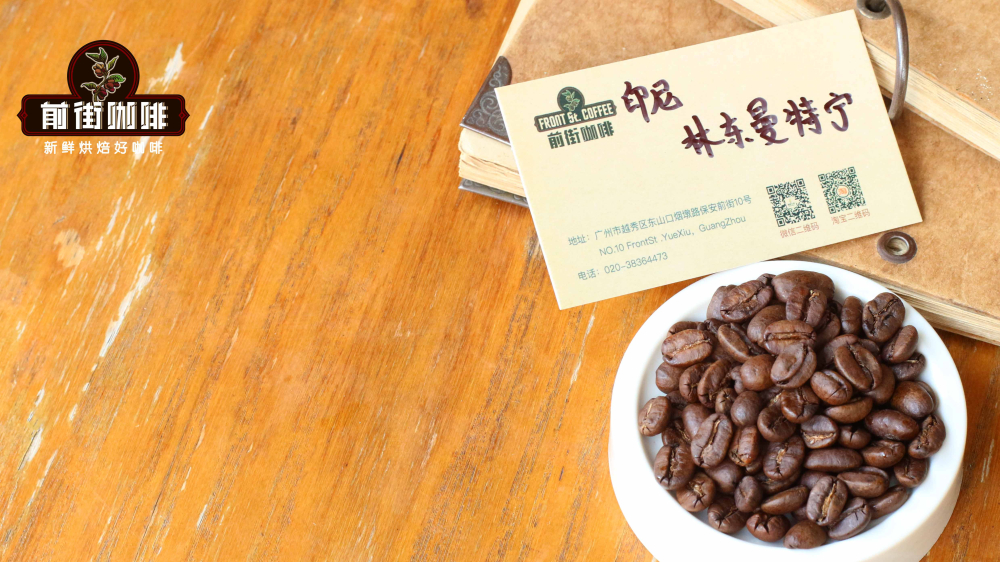
Front Street Coffee (FrontStreet Coffee):Front Street PWN Golden Mandheling coffee beans
Country: Indonesia
Region: Sumatra Aceh Gayo Mountain
Altitude: 1100-1600m
Variety: Ateng
Processing method: Wet-hulled
Flavor: Baked toast, nuts, pine, caramel, herbal
Indonesian Mandheling coffee origin
Front Street Coffee (FrontStreet Coffee) has often mentioned in previous articles that there are three major factors determining coffee bean flavor: coffee bean origin, variety, and processing method. So next, Front Street Coffee (FrontStreet Coffee) will discuss Front StreetMandheling coffeearound these three points.Mandhelingis mainly produced in Sumatra, Indonesia. It is the largest island in Indonesia, located near the equator with a typical tropical rainforest climate—high temperatures, humidity, and abundant rainfall—making it very suitable for growing high-quality Arabica coffee beans.
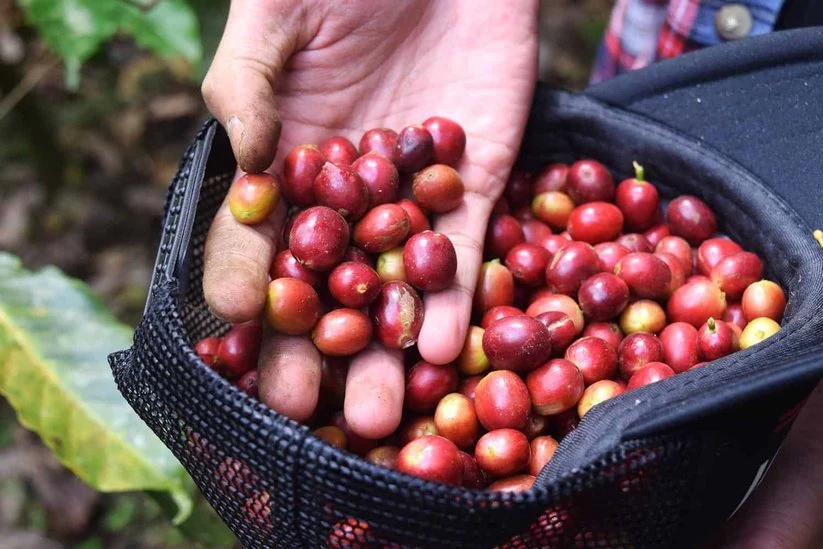
However, the altitude of Indonesian growing regions is limited, and so is the space for planting high-quality Arabica coffee beans. Therefore, only 25% of coffee beans produced in Indonesia belong to the Arabica species, because Arabica can only achieve its best flavor when grown at high altitudes. The remaining 75% is planted with Robusta coffee trees that can grow at lower altitudes. And the highest altitude area in Indonesia is Sumatra.
Furthermore, the best of the traditional Arabica coffees produced in northern Sumatra are sold on the market under the name Lintong Mandheling. Strictly speaking, Lintong Mandheling coffee beans refer to coffee grown in a small area southwest of Tobahu in the Lintong administrative region.
Sumatra coffee bean origins
Among these, Mandheling coffee beans are also known as "Sumatra coffee." Most of the North Sumatra origins are in the Gayo region, and the Ateng-variety-dominant area around Lake Tawar in the north can be called Aceh coffee or Lake Tawar coffee. The Lintong and Lake Toba areas in South Sumatra can be calledMandheling. The Lintong area is the true Mandheling production region , and the best Mandheling coffee varieties include four: Sidikalang, Bergendar, Siborong borong, and Telok Sanggul.
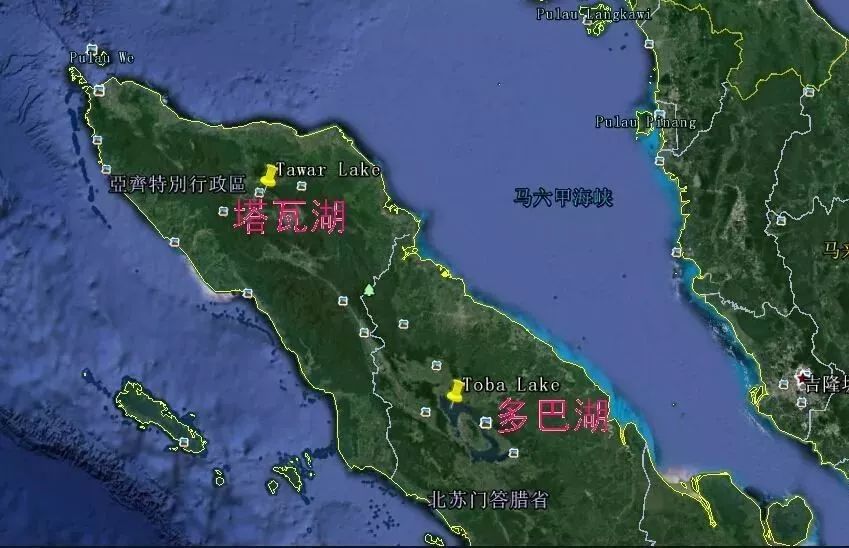
Lake Toba:Located in the central part of North Sumatra Province, Dutch colonists moved "Java Mandheling" north to the Lake Toba area in 1888, creating the modern Mandheling legend.
Lake Tawar:Located in the central part of the Aceh Special Administrative Region. It is at the northern tip of Sumatra island, with an area less than one-tenth of Lake Toba. However, in recent years its coffee quality and production have surpassed Lake Toba.
Gayo Mountains:Located in the Aceh production region of North Sumatra Province, most coffee farmers working in the Gayo area are local farmers. The word "Gayo" originates from a tribe in the Aceh region of Indonesia. This area has ideal growing conditions, a long history and culture, and unique flavors. The region widely adopts organic methods for growing coffee, without chemical fertilizers, and is considered a green coffee production region in the world. Therefore, Gayo coffee is also often called green coffee or Gayo organic coffee.

Indonesian Mandheling coffee processing method
When talking about Indonesian coffee, Front Street must mention the processing method that made Mandheling famous around the world—wet hulling. Interestingly, although this green bean processing method was not a forced choice by locals due to weather conditions, it is precisely what gives Mandheling its unique earthy, herbal, and spicy notes.

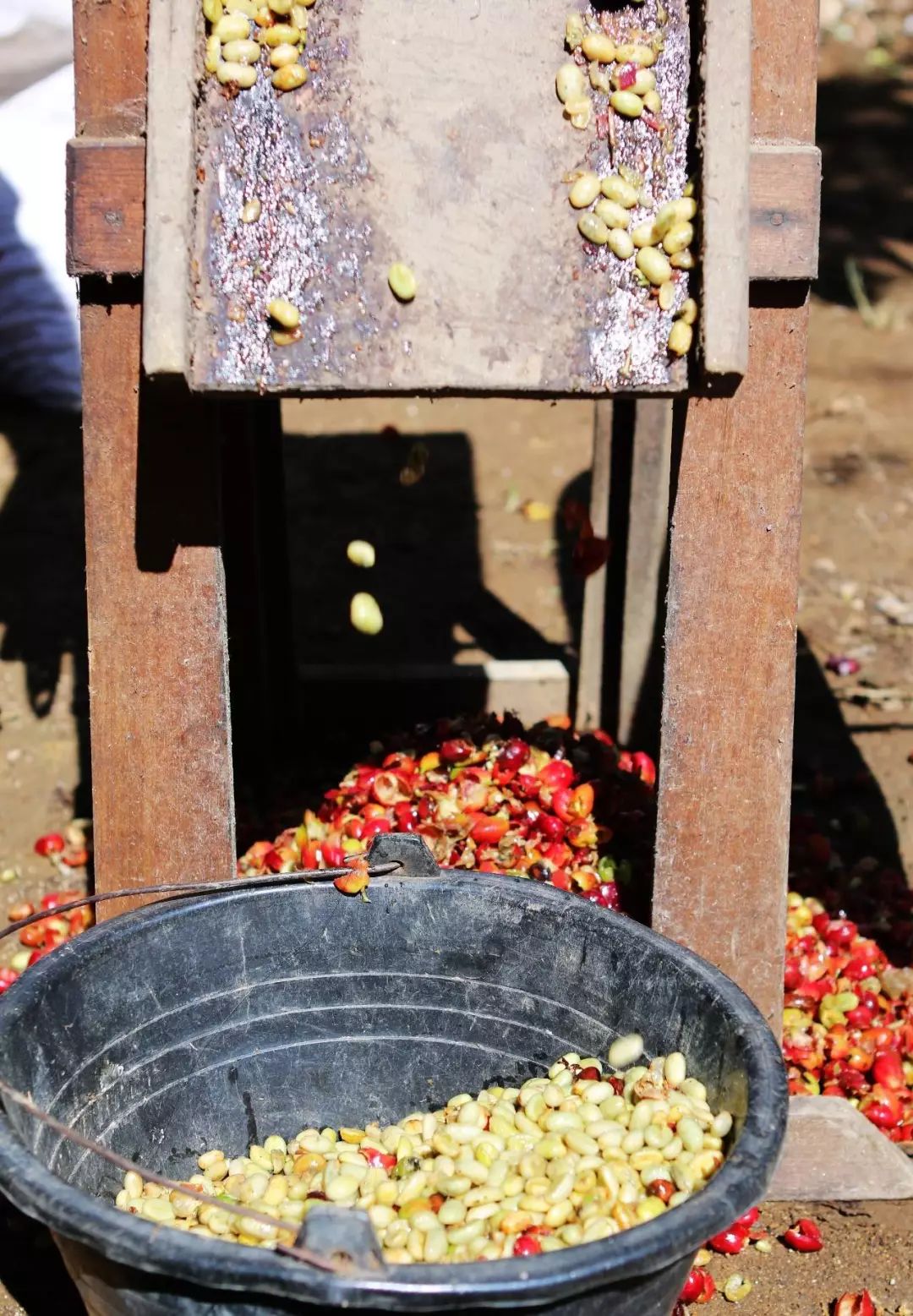
When using the wet-hulled method, because the semi-hard, semi-soft wet green beans are easily crushed when the mucilage and parchment layer are removed, the beans crack open like a sheep's hoof, commonly known as sheep hoof beans. Front Street Coffee (FrontStreet Coffee) considers this a very prominent characteristic of Mandheling, not a defect bean.
The origin of Indonesia's wet-hulled method
According to Front Street Coffee (FrontStreet Coffee), the reason Indonesia uses the wet-hulled method to process coffee cherries is that the local weather is mostly rainy with continuous typhoons, unable to achieve the good weather needed for natural sun-drying. Moreover, the local economy is not strong, so they also cannot afford the more expensive washed method. This gave rise to the highly localized wet-hulled method.
Of course, Indonesia's coffee development is no longer the impoverished scene it once was. There are quite a few estates and companies that can use the washed method, but they still haven't abandoned the wet-hulled method. Front Street Coffee (FrontStreet Coffee) believes that the wet-hulled method is the factor that brought Mandheling coffee to the world. Whenever Mandheling coffee is mentioned, one thinks of the wet-hulled method—clearly they have become mutually complementary.
The specific steps of the wet-hulled method can be divided into the following two stages:
First stage,Remove the skin and pulp with a wooden pulper, ferment for 3 hours, then sun-dry to reduce the moisture content to a semi-dry, semi-wet 30-50%.
Second stage,Remove the mucilage and parchment layer, continue the later drying, which takes 2-4 days, reducing the moisture content to 12-13%.
What is "Golden Mandheling"?
Speaking of "Golden Mandheling," we must start with PWN. This abbreviation is often mixed with the name Mandheling coffee. It is actually the abbreviation of a company—Pwani Coffee Company.
This company is a very famous coffee purchasing company in Indonesia, mainly purchasing Mandheling coffee. Almost all of Indonesia's best production regions have been acquired by it, so most of the beans from PWN are unique specialty coffees. Golden Mandheling is a product produced by this company. After the green beans are purchased, they undergo multiple rounds of manual hand-sorting to select plump, defect-free beans. Finally, only these premium beans that have gone through layer upon layer of selection like a talent show can be classified as Golden Mandheling.
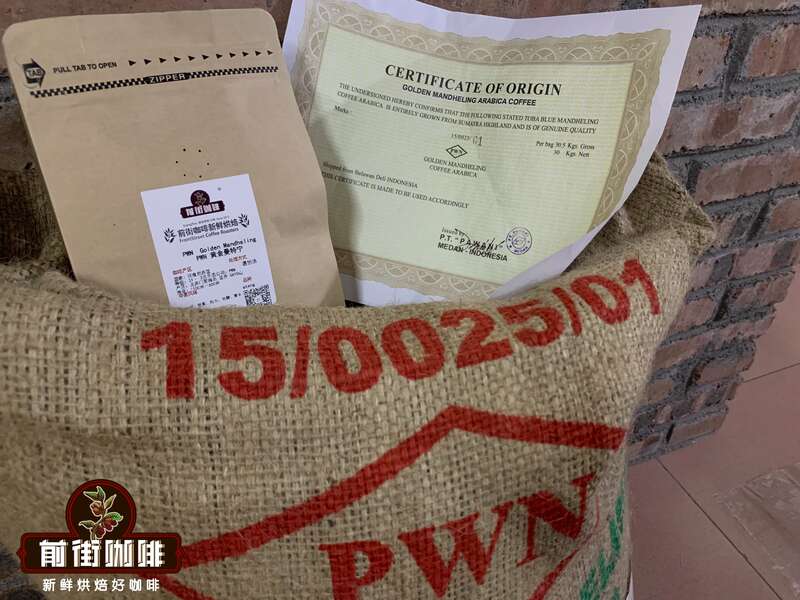
However, PWN has trademarked Golden Mandheling, meaning that only Golden Mandheling produced by PWN can truly be considered genuine Front Street "Golden Mandheling." Many beans on the market that are not from PWN but bear the Golden Mandheling label should actually be called specialty Mandheling.
So how do you brew this Front Street Golden Mandheling coffee bean as pour-over? Front Street Coffee (FrontStreet Coffee) is here to share with coffee enthusiast friends.
What equipment is needed for pour-over coffee?
Pour-over coffee inevitably requires corresponding equipment. What exactly is needed? Front Street Coffee (FrontStreet Coffee) will list them one by one for coffee enthusiast friends.
1. Pour-over kettle:There are pour-over kettles of various sizes and materials on the market, which can be chosen according to needs. What affects the brewing result more is the spout size, because it relates to the water flow rate. Beginners are generally advised to use a fine-spout kettle, which is easier to control. In addition, each pour-over kettle is suitable for different heating methods (induction cooker or gas stove), so pay special attention when purchasing.
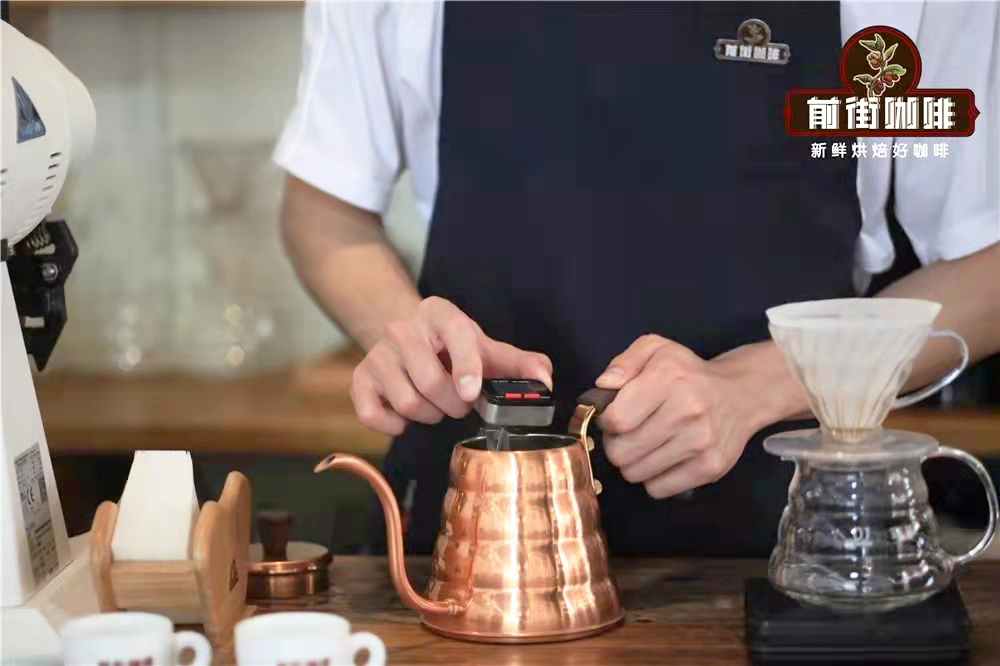
2. Dripper:Drippers also vary in size and material, mainly divided into three shapes: flat-bottom, cone-shaped, and wave drippers. The size of the dripper's bottom opening affects the flow rate of the extracted coffee, which in turn affects the coffee's flavor. Flat-bottom drippers have a small opening and slow flow rate, giving a fuller mouthfeel; cone-shaped drippers have a large opening and fast flow rate, giving a lighter mouthfeel; wave drippers have a flat bottom paired with special wave filters, producing the most even-tasting coffee. What's more special is the metal mesh dripper, which doesn't require filter paper, retaining more coffee oils for a richer taste, but some finer coffee grounds may not be filtered out.

3. Filter paper:Filter paper comes in bleached and unbleached varieties. Bleached filter paper looks whiter, while unbleached filter paper looks closer to light brown. The function of filter paper is to use its extremely dense fibers to retain the ground coffee and filter the extracted coffee into the cup. When purchasing filter paper, choose the corresponding filter paper based on your dripper.

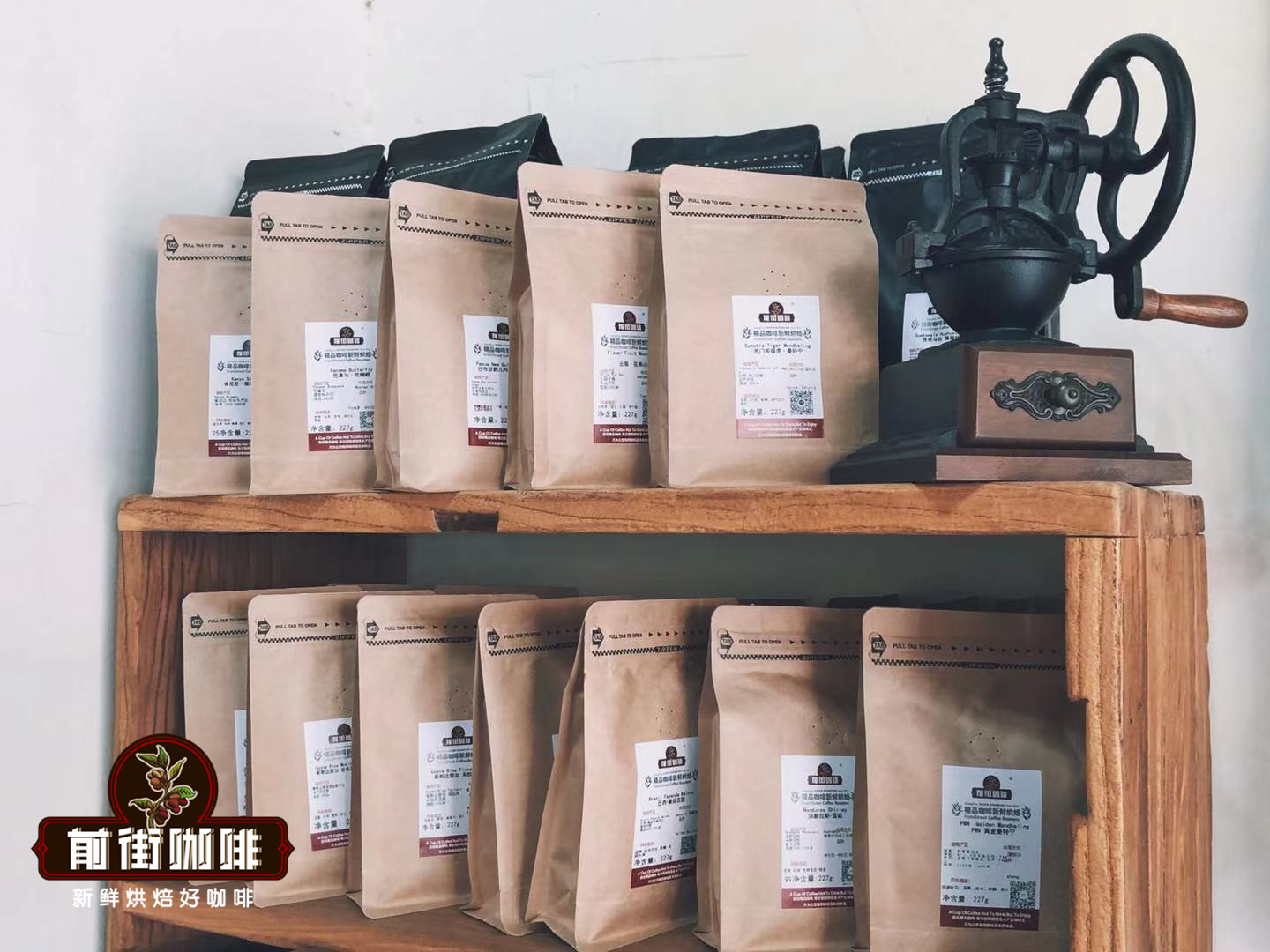
4. Grinder:Good pour-over coffee requires a good grinder. There are three types of grinders on the market.
1) Ghost tooth grinder
2) Flat burr grinder
3) Conical burr grinder
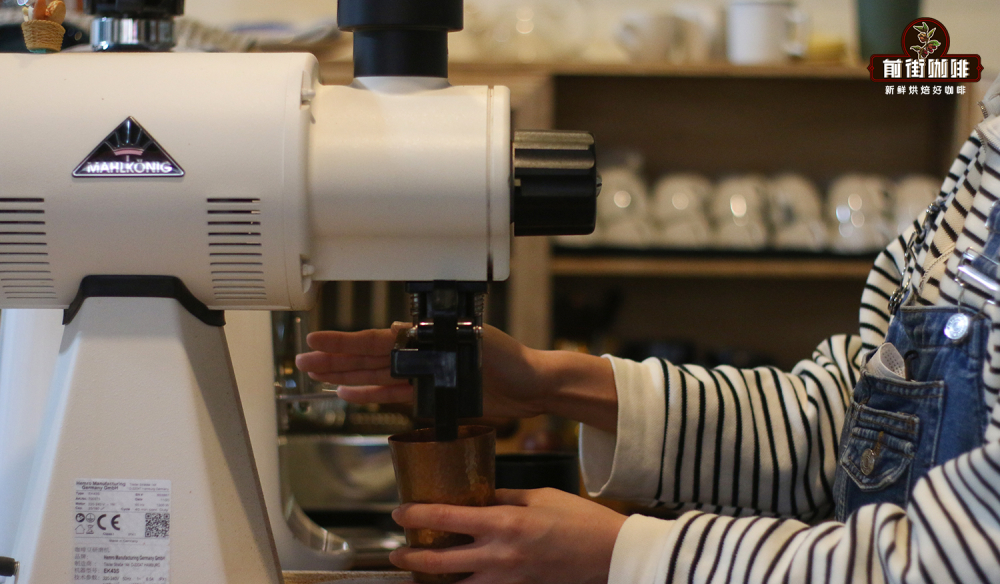
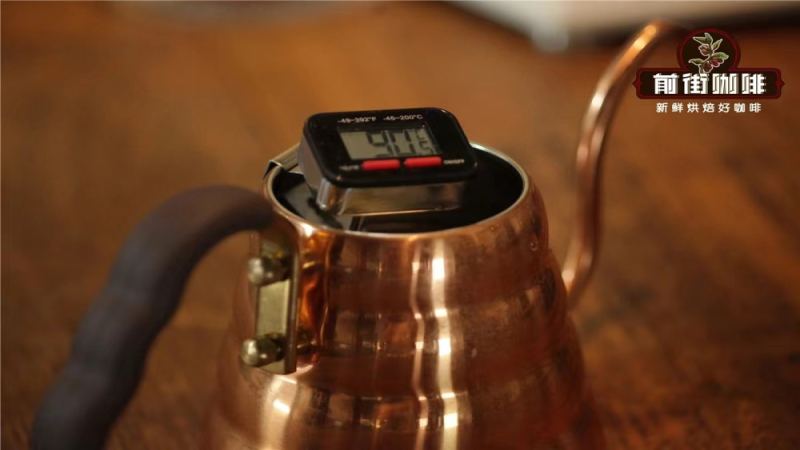
5. Thermometer:A thermometer is used to measure the coffee's water temperature. Thermometers on the market include Tiamo thermometer, Hero thermometer, and Cafede Kona thermometer.

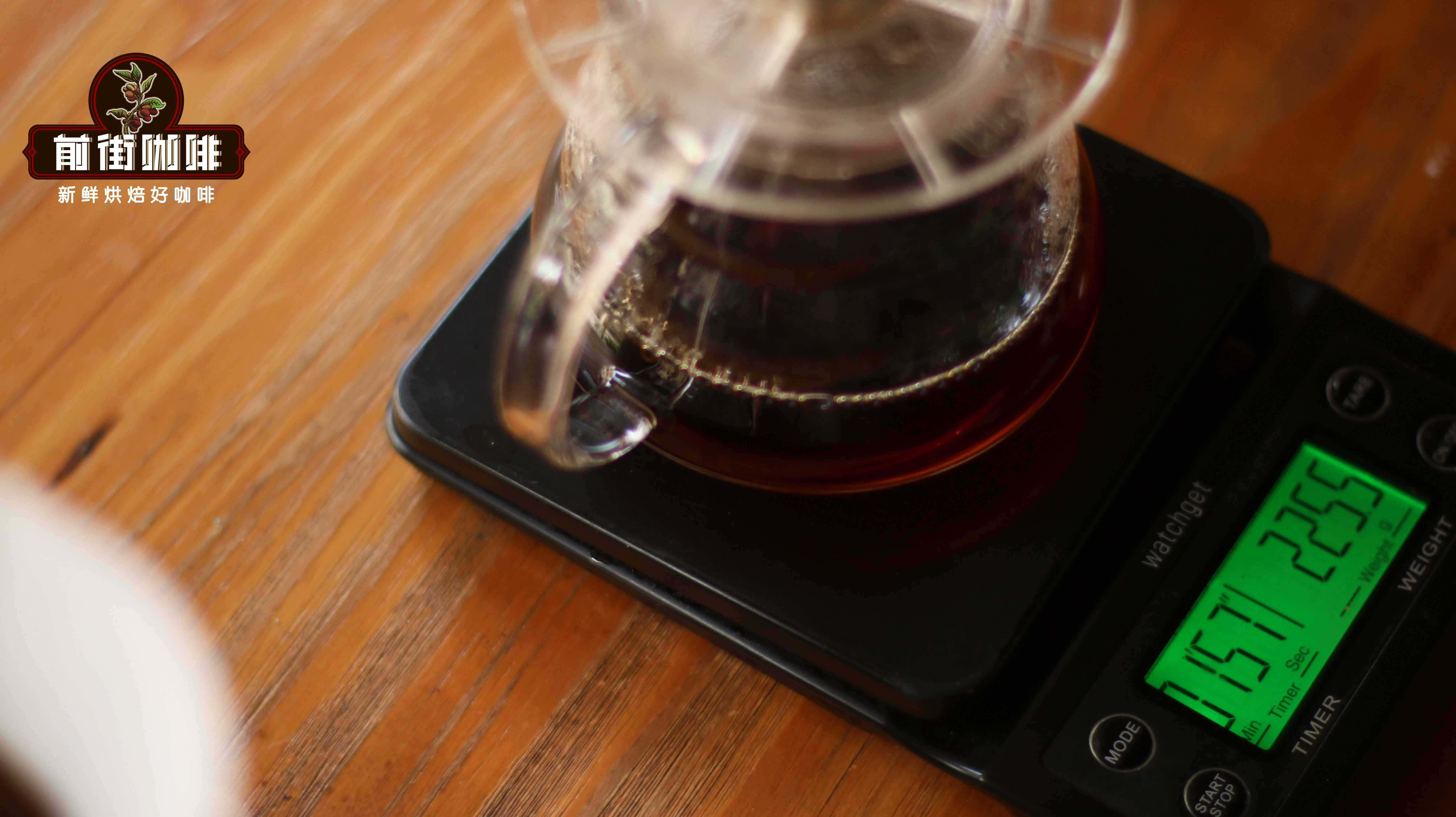
6. Electronic scale:An electronic scale allows us to better control the coffee-to-water ratio when brewing coffee, reducing unstable factors and increasing sufficient tolerance. Electronic scales range from several hundred yuan to several dozen yuan, including Yami electronic scale, Hero smart scale, and Timemore electronic scale.
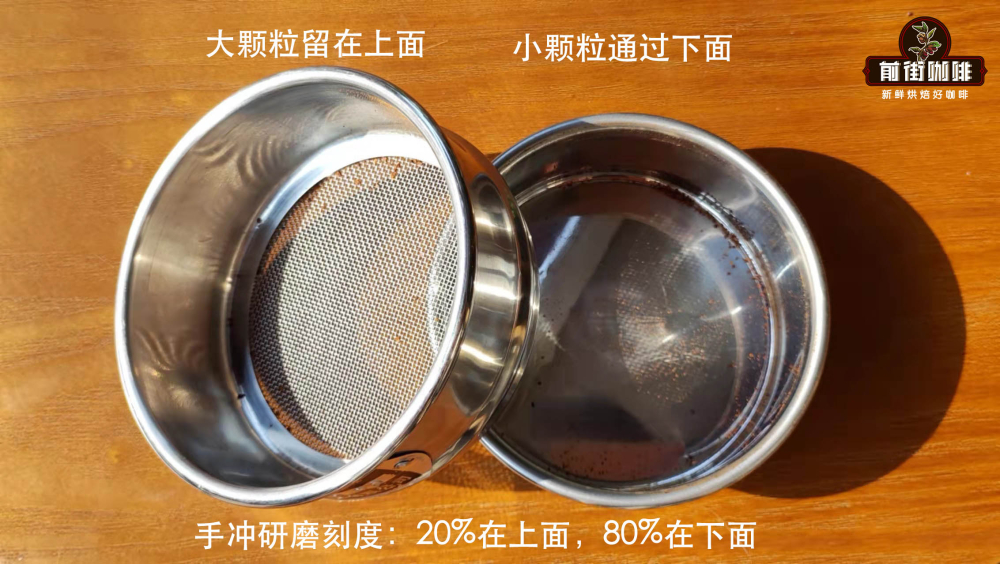
7. Sieve:Mainly used to determine grind size. Each coffee bean has a different suitable grind size for pour-over. Through continuous experimentation, Front Street Coffee (FrontStreet Coffee) has determined that a grind size passing 80% through the Chinese standard No. 20 sieve is suitable for pour-over.
What are the detailed steps for pour-over coffee?
1. Water temperature
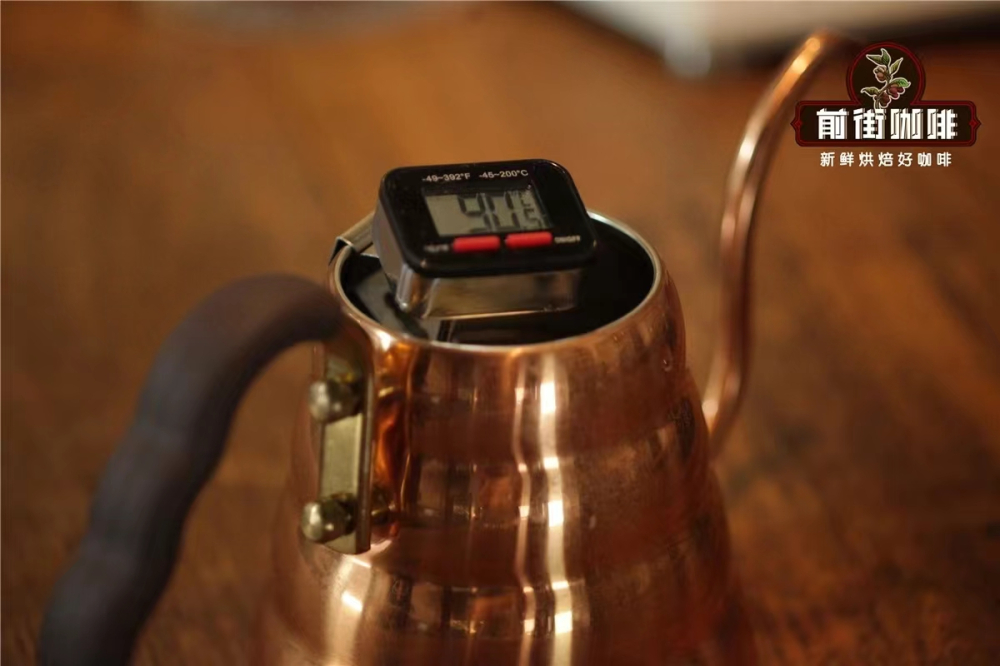
The higher the water temperature, the stronger the extraction, the more bitter the coffee, and the more intense the mouthfeel; the lower the water temperature, the weaker the extraction, the more acidic the coffee, and the milder and lighter the mouthfeel. The pour-over temperature should be adjusted according to the coffee's roast level. Light-to-medium roast beans are recommended at 90-91°C, and medium-to-dark roast beans at 86-88°C. Front Street Coffee (FrontStreet Coffee) basically adjusts within this range. A customer once questioned this brewing temperature, so Front Street Coffee (FrontStreet Coffee) brewed Front Street Golden Mandheling coffee beans (dark roast) with 90°C water, and the result was a mouthfeel almost comparable to espresso.
2. Grind size
Refers to the size of coffee particles. Grind size affects the contact time between coffee and water. If the coffee grounds are finer, water can extract more substances in the same amount of time, but with a fine grind, the coffee is prone to over-extraction during brewing; conversely, the coarser the grind, the less substance is extracted in the same amount of time, but with a coarse grind, the coffee is prone to under-extraction. Front Street Coffee (FrontStreet Coffee) recommends using a grind size with an 80% pass rate through the Chinese standard No. 20 sieve for pour-over. This was determined through multiple tasting experiments. Note that different coffee beans require different grind sizes, so when the pour-over flavor seems off, check whether the grind size is the problem.

3. Coffee-to-water ratio
The coffee-to-water ratio refers to the ratio of coffee grounds to brewing water, affecting the strength of the coffee. It can be 1:10, 1:13, 1:15, or 1:16. Front Street Coffee (FrontStreet Coffee) recommends using a 1:15 ratio, which is relatively balanced in terms of strength and mouthfeel. Of course, everyone pursues a different coffee taste. When extracting coffee, you can adjust your coffee-to-water ratio according to your desired strength and mouthfeel.
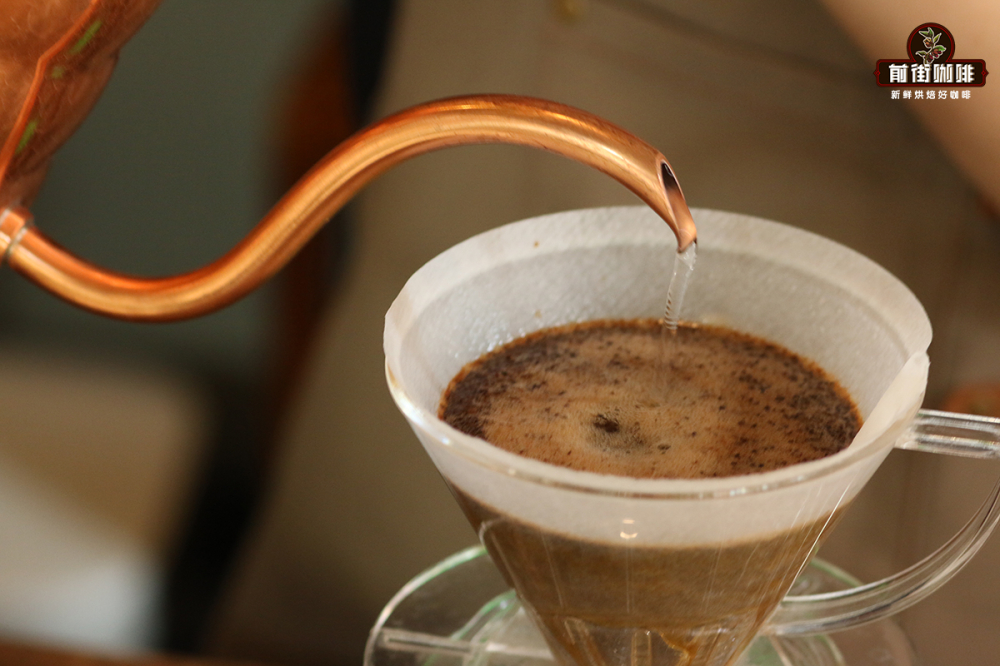
Next, Front Street Coffee (FrontStreet Coffee) will share the specific parameters for pour-over brewing Front Street PWN Golden Mandheling coffee beans.
【Front Street Coffee (FrontStreet Coffee) PWN Golden Mandheling Coffee Brewing Recommendations】
Dripper: KONO
Coffee dose: 15g
Coffee-to-water ratio: 1:15
Water temperature: 86-87°C
Grind size: 70% pass rate through No. 20 sieve
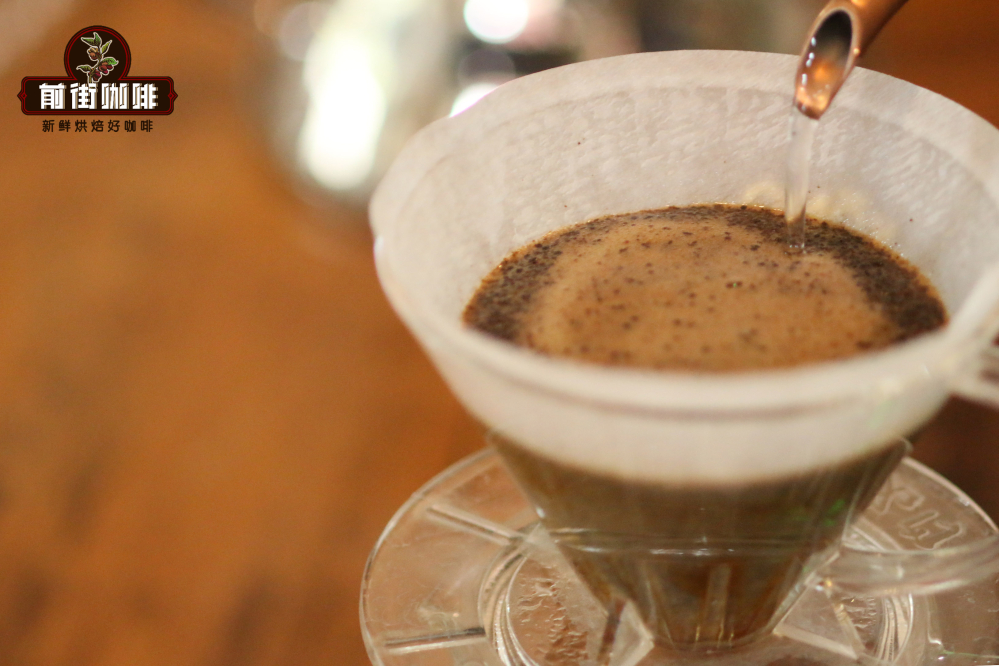
Front Street PWN Golden Mandheling coffee brewing method: staged extraction.
For the first pour, use 30g of water for a 30-second bloom. For the second pour, use a slow circular pour until reaching 125g, then pause. When the water level drops and is about to expose the coffee bed, continue the third pour until reaching 225g and stop. When the water level drops and is about to expose the coffee bed, remove the dripper. (Timing starts from the beginning of the bloom.) Total extraction time is 2'00".
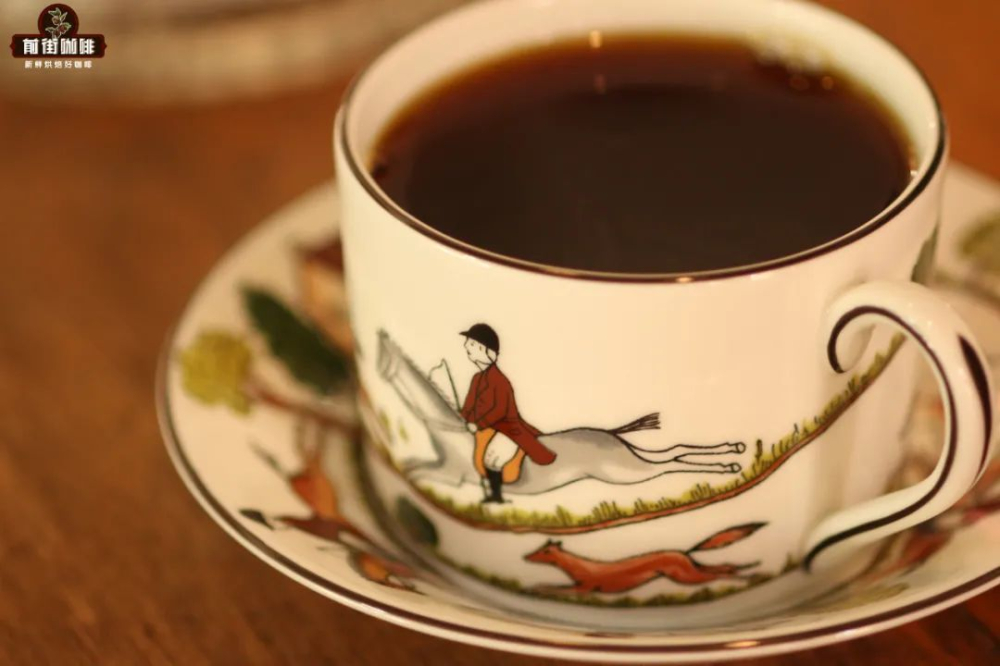
Front Street PWN Golden Mandheling flavor:Layered and complex, full-bodied and clean, highly balanced, with rich nutty and caramel aromas, a chocolate note, and a lasting finish.
The above content is compiled by CoffeeHunters, a coffee news website.

