







Can Blend Coffee Work for Pour-Over Brewing?
Blended beans are usually tied to espresso, but they work for pour-over too. Front Street Coffee built the Autumn Pour-Over Blend around Yunnan 2013 Typica as the main bean, with Yirgacheffe Kochere and Gesha Village sun-dried Geisha filling in. The finished cup has soft acidity, clear sweetness, and layers of black tea, caramel, orange, and floral-fruity aromas.
The formula went through several cup-testing iterations before settling at a 6:3:1 ratio, with two complete roasting curve data sets recorded. Green blending and roasted blending were both weighed as options. Any coffee bean can be used for pour-over, as Front Street notes; the question is only whether the roast and composition suit the method.
When it comes to blended beans, most people only think of espresso, but pour-over coffee can use them just as well. This article fully reconstructs the entire process of Front Street Coffee's development of the "Autumn Pour-Over Blend": why Yunnan 2013 Typica was chosen as the main bean, how Yirgacheffe Kochere and Gesha Village sun-dried Geisha filled in, how to choose between green blending and roasted blending, what cup-testing iterations the 6:3:1 ratio went through, and two complete roasting curve data sets. The finished cup has soft acidity, clear sweetness, and layers of black tea, caramel, orange, and floral-fruity aromas unfolding one after another, providing a detailed reference for enthusiasts who want to try pour-over blending.
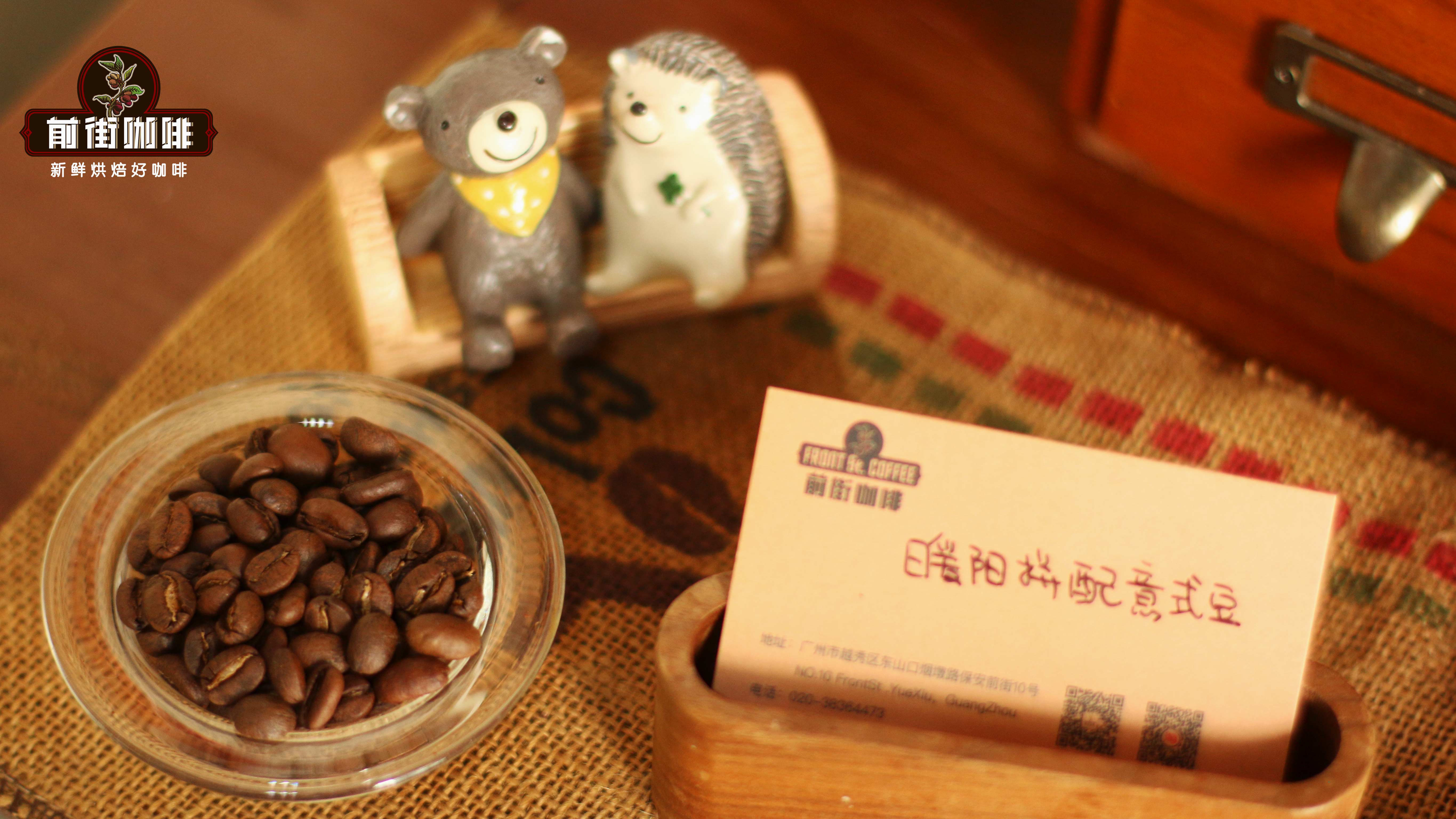
As autumn and winter arrive, the chill becomes more obvious by the day. Previously, Front Street had already launched the Front Street Sunflower Warm Sun Espresso Blend, which focuses on espresso preparation; along this line, Front Street conceived a new idea—to create a blend that fits the autumn atmosphere and is also suitable for pour-over. Front Street Coffee hoped this blend would present a clean and clear flavor and mouthfeel in the cup: soft and varied acidity on entry, medium-high sweetness, and a long finish.
When people mention blended beans, what usually comes to mind is the espresso scenario. Can espresso beans be used for pour-over? Front Street's stance is: any coffee bean can be used for pour-over; the only key is whether it is suitable. Generally speaking, espresso beans are composed of 2 to 5 kinds of green beans, either mixed before roasting or blended together after each is roasted, so that the strengths and weaknesses of different beans compensate for one another, producing a rich, full-bodied, and aromatic result; correspondingly, it is difficult for them to present the unique regional flavor of a single origin like single-origin beans can. Taking several espresso blends currently sold by Front Street Coffee as examples, if they are extracted by pour-over instead, because the roast degree is on the darker side, the cup's body will be quite prominent, with a slight smoky aroma and a very obvious sweet aftertaste.
Front Street Coffee selected several candidates from its own bean list that might enter the formula: Front Street Yirgacheffe (washed), Front Street Costa Rica SHB Caturra (washed), Front Street Sun-Dried Yirga Red Cherry, Front Street 2013 Typica (washed), and Front Street Gesha Village Sun-Dried Geisha. The cup scores of these beans are all at or above the specialty coffee line. At present, Front Street has four espresso beans on sale: Front Street Commercial Blend, the Front Street Black Cocoa Blend favored by many baristas and suitable as a moka pot bean, Front Street Specialty Blend, and Front Street Sunflower Warm Sun Blend. Are you curious about how Front Street's blend formulas are born? Below, using this pour-over blend, we will walk you through a complete blending approach.
【Blend Design Approach】
At the start of development, Front Street first had to clarify what flavor the theme of "autumn" should convey: the mouthfeel should not be overly heavy, but it must carry the fruity aroma of the autumn harvest, and sweetness absolutely could not be absent. The Front Street Coffee team finally reached a consensus—use one main bean as the core, then pair it with 1 to 2 supporting beans to modify and harmonize; if too many beans are used, the main theme will be diluted, and the flavor will be too messy to balance.
【Finalizing the Main Theme Bean】
To be qualified for the role of main bean, it must have enough tolerance, excellent sweetness, no shortage of body, and long-term stable quality. In order to find beans that met the criteria, the team repeatedly searched and compared in the database—each coffee retained at least 3 roasting curves and cup scores. After weighing the reputation and pros and cons of each bean one by one, they finally selected their own Yunnan Typica from dozens of beans.
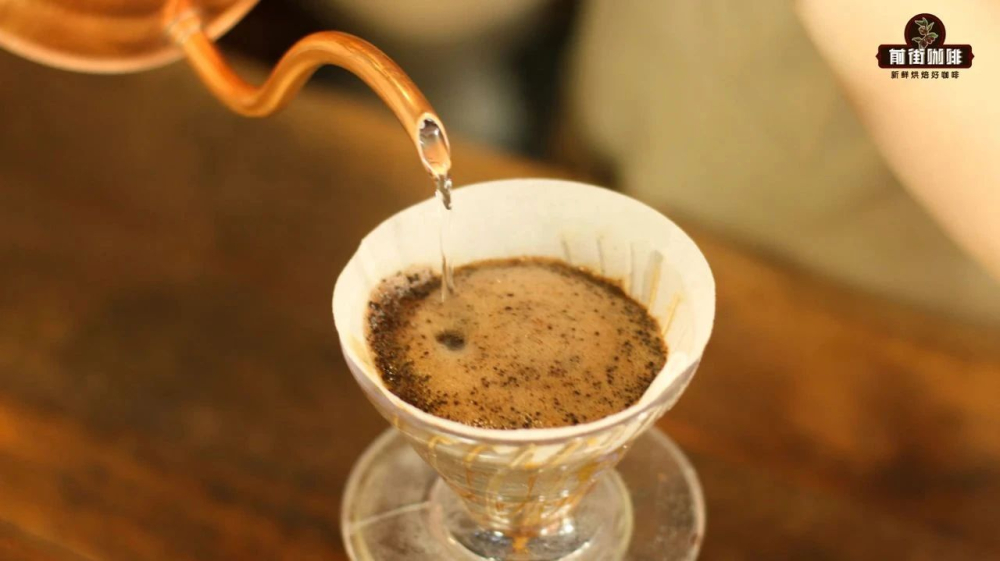
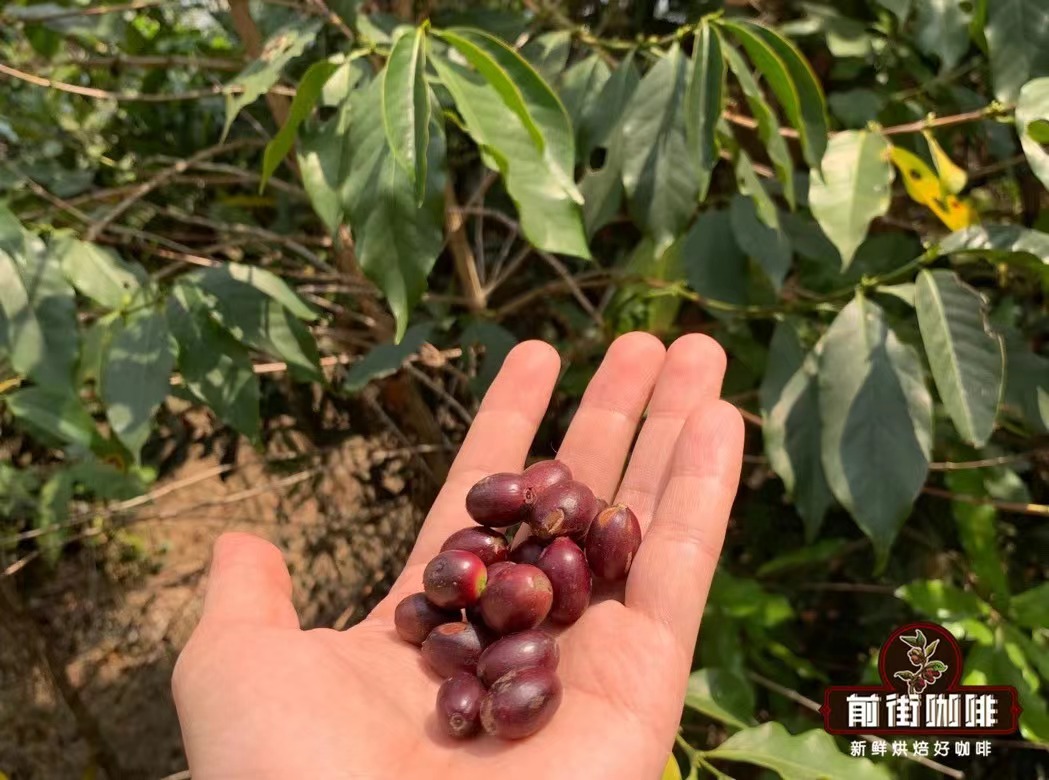
Front Street believes that 【Front Street 2013 Typica】 is produced locally in our country, so quality can be strictly controlled from the source; this bean has a balanced mouthfeel and a long sweet aftertaste, with both good flavor and mouthfeel, making it an ideal blending base—its shortcoming is that its acidity and flavor personality are somewhat lacking in distinctiveness. If we speak purely in terms of flavor performance, the first choice is naturally Ethiopian beans—it is known as the "coffee gene bank," with more than 2,000 known native coffee varieties and an extremely vast flavor spectrum! But faced with such a dazzling array of Ethiopian beans, which one should be chosen? Thus came the next round of screening work... Huakui, Zhumang, Woka, Kochere, Aricha... candidates with floral notes, citrus notes, and berry notes were all available, making one dazzled.
【Choosing the Supporting Beans】
Generally speaking, Arabica coffee from a single origin alone can brew a quite good cup: fresh aroma, soft mouthfeel, and sweet aftertaste. So-called "blending" is combining coffees from different origins—each has its own unique taste, aroma, and mouthfeel. By blending them according to one's preferred direction, one can create a cup of coffee that belongs exclusively to oneself.
In the first round of testing for the pour-over blend, the 7:3 group performed relatively satisfactorily—Front Street 2013 Typica to Front Street Yirgacheffe Kochere: the citrus acidity was gentle, and a chocolate note appeared in the finish, except that the sweetness was slightly lacking. After cup comparison and comprehensive judgment of the coffee's tonality, we finally settled on Front Street Washed Yirgacheffe Kochere—it shares the same black tea finish as Front Street 2013 Typica, and its lemon-like acidity and orange flavor can add layers and brightness to the formula, greatly enhancing the Yunnan bean.
【Green Blend or Roasted Blend?】
If roasted blending were adopted—that is, roasting each to its own ideal roast level and then mixing—this path clearly would not work: Front Street 2013 Typica needs a medium-dark roast, while Front Street Yirga Kochere is a light roast. During pour-over, the Yunnan bean would inevitably be over-extracted while Kochere would be under-extracted.
In the end, the flavor of the whole cup would be fragmented and untenable, so we decisively chose green blending!
【Roasting Approach and Plan Adjustments】
In terms of moisture content, these two washed beans have quite similar values; in terms of bean quality, Typica is softer, but the larger-beaned Yunnan is quite close to the harder, smaller-beaned Kochere in heat conduction, so mixed roasting of these two beans is unlikely to cause uneven heating. In addition, we adopted a stepwise heat-reduction roasting method. After completing dehydration and homogenization, we allowed more ample time for the Maillard reaction so that the development of the two beans would be as synchronized as possible. In controlling the roast level, we likewise "took the middle value"—such development time and drop temperature can both resolve the sourness and heavy herbal notes produced by Yunnan beans under too light a roast, and preserve the floral and fruity aroma of Yirgacheffe very well.
Charge 300 grams, charge temperature 170°C, turn off the heat and load the beans. After 30 seconds, turn on the heat, heat power 140, airflow 3. When the bean temperature rises to 140°C, lower the heat power to 120, open the airflow to 4. At 4 minutes 30 seconds, dehydration is complete and the bean color turns yellow; when the temperature reaches 168°C, lower the heat power again to 90. First crack arrives at about 8 minutes, open the airflow to 5, continue developing for 1 minute 45 seconds after first crack, and drop the beans at 195°C.
In terms of ratio, in the first round we paired Front Street 2013 Typica with Front Street Yirga Kochere at 6:4. The cupping results were as follows: good cleanliness, fresh sweetness, giving off an apple-like fresh fragrance and plum-like acidity, with an orange aroma in the aftertaste. The overall impression was that the mouthfeel was acceptable, but the flavor was somewhat thin. Therefore, after discussion based on cupping, the team decided to add a flavor-enhancing bean—【Front Street Gesha Village Red Label Sun-Dried Geisha】—and the new ratio was set at 6:3:1, composed of Front Street 2013 Typica, Front Street Yirga Kochere, and Front Street Gesha Village Estate.
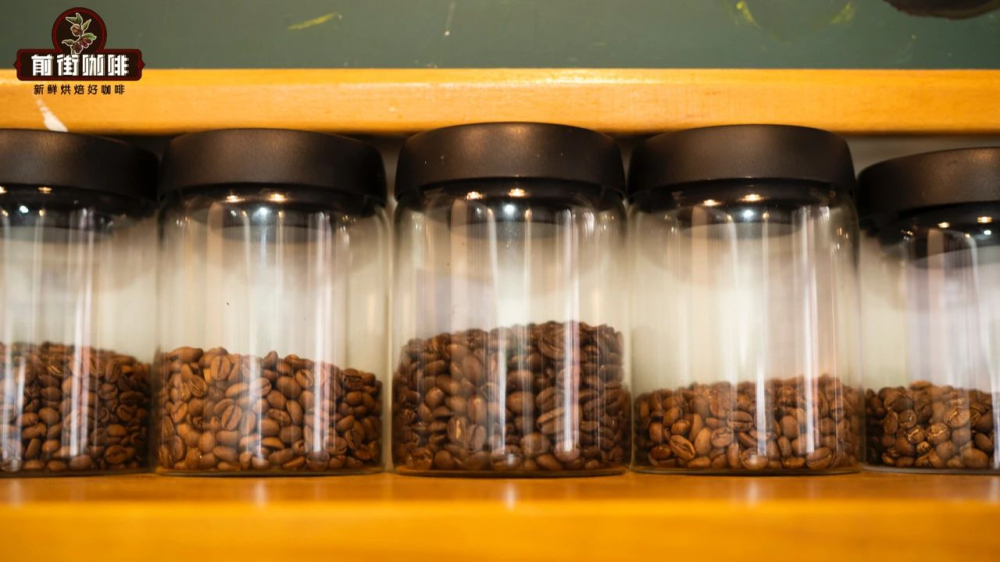
After the proportion of Kochere was lowered, the acidity of the whole blend became softer than before; the 10% Gesha Village brought a richer fruity tonality while strengthening the floral aroma and the tea-like sensation in the finish. In roasting, in order to retain more floral and fruity aroma, the drop temperature was appropriately lowered; the time between the end of dehydration and first crack was slightly compressed to retain more reactive substances, and the first crack development stage was extended to allow the flavor to fully unfold.
Roasting equipment: Yangjia 600g
Charge 300 grams, charge temperature 170°C, turn off the heat and load the beans. After 30 seconds, turn on the heat, heat power 140, airflow 3. When the temperature reaches 140°C, lower the heat power to 120, open the airflow to 4; at 4 minutes 30 seconds, dehydration is complete and the beans turn yellow; at 168°C, lower the heat power again to 90. First crack arrives at 7 minutes 46 seconds, open the airflow to 5; at 188°C, reduce the heat power to 50 to lengthen the development stage, continue roasting for 2 minutes 05 seconds, and drop the beans at 193°C.
This round of roasting fully unfolded the flavor by extending the first crack development stage, while also making the development degree of the three beans more consistent; the slightly lower drop temperature helped preserve the floral and fruity aroma of the Geisha. The roast level of this green blend was set to medium-light. Yunnan Typica had the largest proportion—this Yunnan bean can release a distinct brown sugar aroma under a medium-light roast, accompanied by black tea and a hint of cream flavor. Its cupping performance was clean and crisp, with quite outstanding sweetness.
These three beans all have relatively high moisture content and hardness. Although their varieties differ, fortunately the difference in screen size is limited, so green blending does not add too much difficulty to roasting. After several rounds of pour-over and cupping verification, the final taste presented by this green blend was exactly what Front Street had hoped for. However, it should be noted: during pour-over, do not copy espresso extraction standards. The acidity on entry is soft and varied; after reaching the middle section, the acidity gradually connects and merges with sweetness, and the sweet aftertaste is long and lasting. In the cup one can capture a fresh green plant-like note, as well as aromas of black tea, caramel, cocoa, jackfruit, orange, and nuts; the flavor is transparent and clean, with medium body and a slight sparkling mouthfeel.
At this point, Front Street had an initially finalized 【Autumn Pour-Over Blend】. This coffee, blending the characteristics of Asian and African origins, basically met the requirements in both thematic concept and flavor traits, and its cupping and actual brewing performance also satisfied the team quite well.
So, do you know why many espresso coffees need to be composed of two or even more coffees? In the early days, the overall quality of espresso coffee was not ideal, and the urgent task was to raise the quality level of lower-priced coffee. High-quality Arabica beans have clean flavor, excellent aroma, and a smooth finish, but are expensive; if high-quality beans are mixed with lower-quality beans, most of the quality of Arabica can be preserved to a certain extent while costs are kept at a lower level.
Nowadays, with the improvement of the overall coffee industry environment, coffee bean quality has generally risen considerably. Espresso formulas pursue balance more, in order to guarantee the quality of espresso. Most espresso beans on the market are composed of high-quality Brazilian beans with African beans, or with Central American coffees; Front Street Specialty Coffee Blend is one representative. In addition, Front Street also has formulas that add Robusta to promote Crema and enhance the body of espresso—this is Front Street Commercial Espresso Blend. Not only that, blending also has another core purpose—to keep the taste stable and consistent. As everyone knows, coffee is an agricultural product; even if growing conditions differ only slightly, the flavor of the same coffee will fluctuate accordingly, and blending precisely allows the overall flavor to remain as uniform as possible.
Front Street believes that blending is not an exclusive game for espresso; pour-over coffee is equally suitable. The original intention of drinking single-origin beans is to experience the unique characteristics of a certain terroir; but in Front Street's view, today's coffee market is inclusive and diverse enough, so many enthusiasts have already begun to explore in the pour-over field, pursuing a cup with more balanced flavor.
To exchange more professional coffee knowledge and get more coffee bean information, welcome to follow Coffee Workshop (WeChat public account: cafe_style)
To purchase more specialty coffee beans, welcome to add Front Street Coffee (FrontStreet Coffee)'s private WeChat, WeChat ID: kaixinguoguo0925
The above content is compiled by CoffeeHunters, a coffee news website.


