







Search Results for: deadline
From roasting to brewing: how to capture the flavor window for pour-over beans
The flavor of a bag of pour-over beans changes over time. Freshly roasted coffee is usually full of gas, and its aroma hasn't fully opened up yet, so the brew may taste sharp, thin, or muddled. After resting for a while, the acidity, sweetness, floral and fruity notes, and lingering finish gradually come together, making each sip more complete. When selecting beans, the roast date is often [more…]
The Flavor Window and Drinking Rhythm of Nutty Cocoa Beans
For coffee beans with notes like nut, cocoa, and caramel, the appeal often lies not only in the roasting label, but also in the state they are in when you take that first sip. Drink the beans too early, and the aroma may be masked by the degassing process; leave them too long, and the originally round sweetness will gradually thin out. Only by mastering the rhythm from opening the bag to finishing the last cup can you more consistently [more…]
The Flavor Window and Drinking Rhythm of Moka Pot Coffee Beans
Coffee made with a moka pot is quite concentrated, and the state of the beans directly affects how it tastes. Freshly roasted coffee beans usually have lively aromatics, but they aren't necessarily ready for the pot yet; after resting for a while, the gases gradually diminish, and the sweetness, body, and finish become more cohesive. When choosing beans, besides looking at the flavor description, also pay attention to the roast date [more…]
Yirgacheffe authenticity: first understand the coffee bean's flavor clock
Yirgacheffe is often remembered as a coffee with floral notes, citrus, and a bright tea-like quality, but these descriptions are not fixed labels. From the moment roasting is completed to the moment it is sipped, coffee beans go through degassing, aroma development, and flavor decay. Seeing this curve of change clearly can help us judge the condition of a bag of beans and also provide a basis for identifying origin information. [more…]
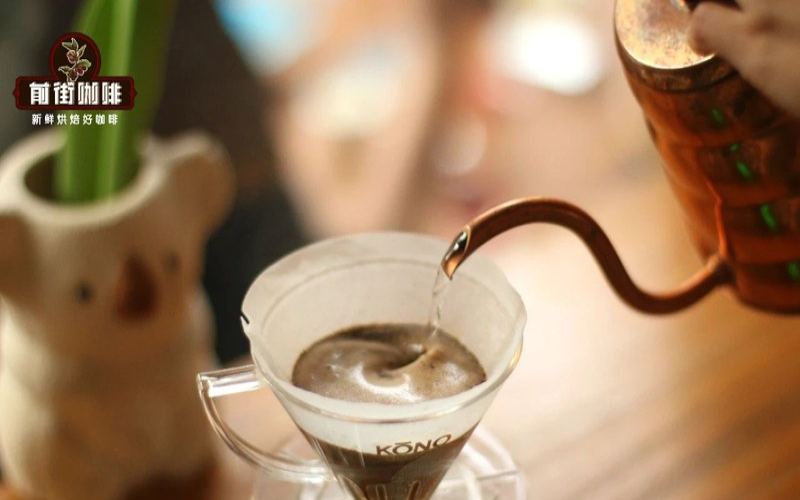
How to drink your coffee beans within their flavor window after buying them
The price of a bag of coffee beans reflects not only its origin and variety, but also the time between when it finishes roasting and when it reaches your lips. Drink the beans too early, and the aroma may be blocked by gas; leave them too long, and the originally clear floral and fruity notes gradually fade. If you want to buy beans that are both delicious and good value, first learn to read the dates, then plan your drinking accordingly. [more…]
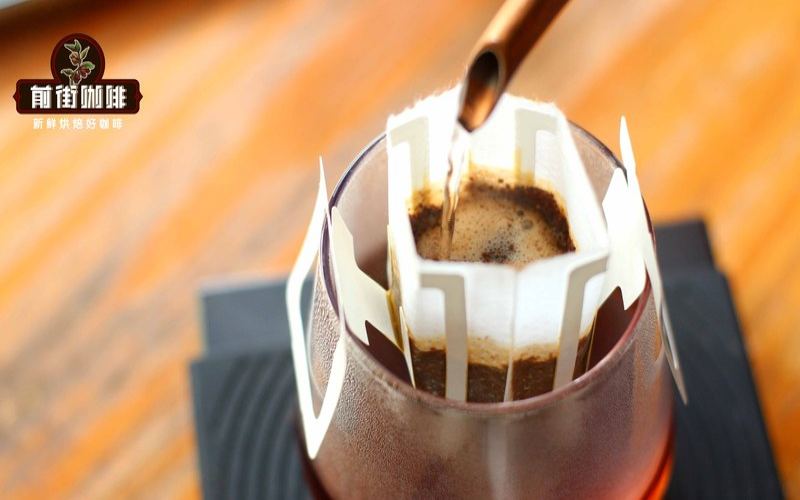
Crema Abundance Starts from Roast Day: The Flavor Schedule of a Bag of Beans
Coffee with a full-bodied crema often has a velvety mouthfeel on the palate, and espresso more easily forms a fine foam on its surface. However, a shiny bean surface is not the sole criterion for judging thickness in the cup; the state of degassing after roasting, the timing of grinding, and the number of days since opening all alter the aroma and texture. If you want to taste notes of nuts, cocoa, and caramel, first [more…]
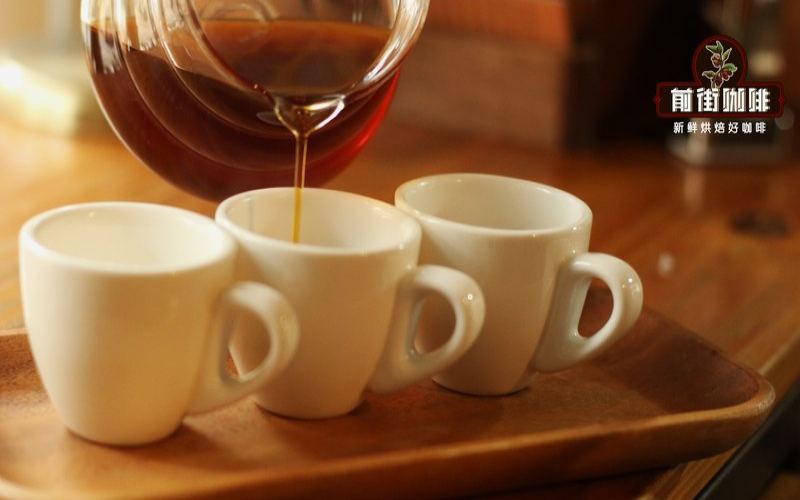
When to Open a Bag of Espresso Beans: A Tasting Timeline for Three Beans
When espresso beans have just been roasted, they don't necessarily reach their ideal state right away. Because espresso extraction uses higher pressure, too much gas inside the beans can cause the puck to expand noticeably and the crema layer to look rich, yet the flow rate tends to fluctuate easily. When selecting beans, besides reading the flavor description, you should also confirm the roast date and plan ahead for when to open the bag, adjust the grind, and finish drinking it. [more…]
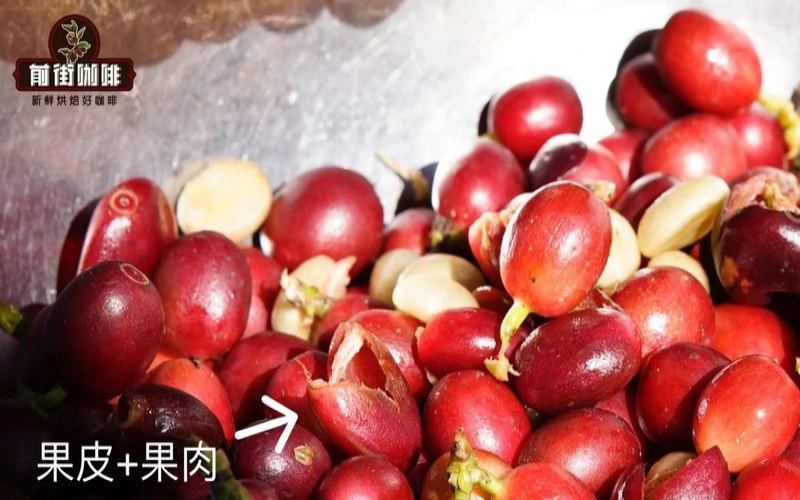
SOE from Roast Date to Opening the Bag: Seizing the Window When Aroma Is at Its Peak
The aroma of coffee beans isn't fully developed on the day they're roasted. After SOE is bagged, it continues to release carbon dioxide; in the first few days it smells very lively, yet during extraction it may expand too quickly and the flow rate can be erratic. Understanding the relationship between the roast date, the opening date, and the drinking timeline is more important than just looking at the shelf life in determining whether the cup is clear and sweet. [more…]
The Flavor Clock After Opening Dark Roast Beans
When dark-roasted coffee beans first leave the roaster, the aroma is often very pungent, and the cup tends to show sharp smoky notes, diffuse bitterness, and a sweetness that isn't cohesive enough. The reason is that after roasting, the beans are still releasing carbon dioxide, which affects the state of the coffee bed and the water flow. When buying beans, check the roast date first, then plan your drinking schedule—this matters more than just [more…]
After Roast Date: When Should You Grind Coffee Beans for the Best Flavor?
Coffee beans just out of the roaster won't display their full flavor the moment they go into the espresso machine. They still hold a lot of carbon dioxide inside, and during pressure extraction this can make the water flow and crema behave erratically, while the aroma in the cup may also seem shut down. Give the beans a quiet period to degas, and the sweetness, body, and finish of the espresso will usually be more [more…]
When to start drinking Americano coffee beans: understanding the peak aroma and storage rhythm
Coffee beans begin degassing continuously from the moment roasting is complete, and their aroma slowly changes as well. When making an Americano, the espresso is further diluted with water; overly active gas can make extraction uneven, while leaving it too long may leave nothing but flat bitterness. Rather than fixating on "the fresher the better," it is more practical to plan the rhythm of opening the bag, drinking, and finishing it, so that a bag [more…]
When to Start Drinking Moka Pot Beans: The Flavor Rhythm of Light, Medium, and Dark Roasts
Coffee brewed with a moka pot is quite concentrated, and the condition of the beans directly affects how it tastes. Freshly roasted beans are often full of active gas, and when hot water passes through the coffee bed it easily pulls out sharp, hollow flavors; only after resting for a while do the aroma, sweetness, and body gradually come together. Whether to choose a light, medium, or dark roast can't be judged by color alone. [more…]
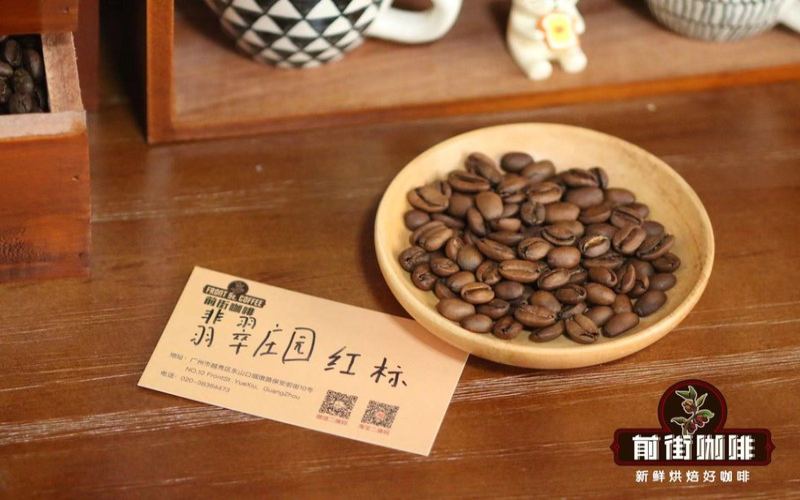
From opening the bag to the last cup, arrange the flavor rhythm of hand-ground beans like this
The aroma of hand-ground coffee beans changes slowly over time after roasting. Freshly roasted beans contain more carbon dioxide, so grinding them tends to produce a lot of foam, and the water flow may alternate between fast and slow; after resting for a period, the gas gradually escapes, and the floral, fruity, and sweet notes are more easily expressed in the cup. Therefore, buying beans is not just [more…]
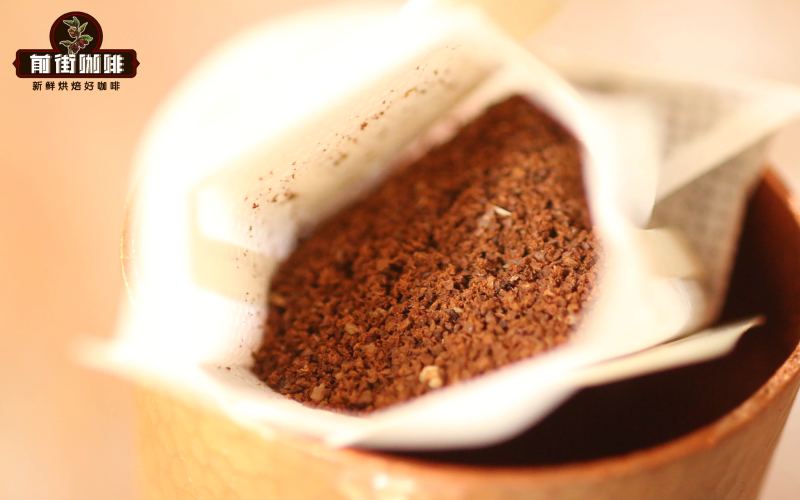
Drip bag coffee brand recommendations | Why is the shelf life of drip bag coffee so short? How to brew a delicious Yirgacheffe with drip bag coffee?
Recently, many people have come to the front of Front Street Coffee (FrontStreet Coffee) asking if there is drip bag coffee for sale. Front Street usually replies, "The store doesn't have drip bag coffee in stock. If you need it, it has to be made on the spot!" Many customers are very puzzled—why would a coffee shop [more…]