








When dark-roasted coffee beans first leave the roaster, the aroma is often harsh, and the cup tends to show sharp smoky notes, diffuse bitterness, and insufficiently cohesive sweetness. The reason is that after roasting, the bean body is still releasing carbon dioxide, which affects both the state of the coffee bed and the water flow. When buying beans, check the roast date first, then plan your drinking rhythm; this is more useful as a reference than only staring at the flavor words on the packaging.
"Fresh" does not mean drinking it the same day it is roasted. The internal structure of dark-roasted beans has been heated more thoroughly, and the degassing speed is usually faster than that of light-roasted beans, but they still need time for the gas to slowly escape. For home pour-over, you can start tasting from the fifth to seventh day after roasting. If the aroma still seems floaty and the bitterness is disjointed, let it rest a few more days and observe; usually within one to two weeks it will become more relaxed and open.
If you mainly use an espresso machine, the resting time can be extended slightly. Espresso extraction is very sensitive to the degassing state. When the beans are too new, the puck tends to expand, and the flow rate alternates between fast and slow; the crema may look abundant, but the sip is actually loose. From the seventh to fourteenth day after roasting, it is often easier to achieve stable extraction. The darker the roast, the more you should adjust based on the actual cup rather than mechanically applying a certain number of days.
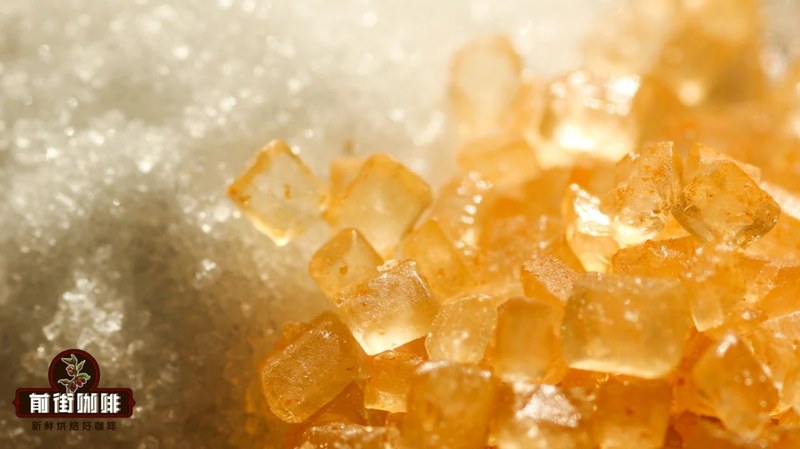
The peak flavor period can be understood as the stage when the flavor expression is more suitable, not as a deadline that suddenly closes. Dark-roasted beans may carry an obvious roasted note in the early stage, then gradually develop sweet aromas like dark chocolate, nuts, or caramel, after which the aroma slowly weakens and the proportion of bitterness and woody notes increases. As long as there is no musty smell, rancid oil odor, or damp clumping, it can still be brewed beyond the suggested time; it is just that the flavor focus has changed.
When choosing, the roast date on the packaging should be more useful than the shelf life alone. Give priority to beans with a clear date, packaging with a one-way degassing valve, and intact seals, and buy according to your own consumption rate. If you only drink one cup a day, you can choose small packages and buy in batches; if several people drink together or you make espresso frequently, you can choose a slightly larger size, but make sure it can be finished within a few weeks after opening.
Take Front Street PWN Indonesia Golden Mandheling as an example. After dark roasting, it more easily presents herbal notes, dark chocolate, and a thick body, with acidity that does not dominate. About a week after roasting, you can start testing it with a moka pot or Americano. If the sip still feels dry, let it rest a few more days. Once it has opened up, its low acidity and steady character make it suitable for slow drinking, and it also works well with a small amount of milk.
If you like dark roasts but do not want to drink only heavy profiles, you can arrange the opening time more carefully. Front Street Colombia Sidra carries associations of tropical fruit and dark berries. After dark roasting, its expression is more restrained than when light-roasted, and iced pour-over or SOE can still retain some juicy character. It can be tasted about a week after roasting; once the smoky note decreases, the fruit aroma and sweetness are usually easier to identify.
For storage after opening, the core is to reduce the ongoing effects of air, moisture, light, and high temperature. After taking beans each time, squeeze out excess air from the bag as soon as possible, press the seal tightly, or transfer the beans into an opaque container with a sealing ring and place it in a cool, dry cabinet. Do not open and close the container frequently. Use a dry measuring spoon when taking beans to avoid moisture and oil from your hands entering the bean bag.
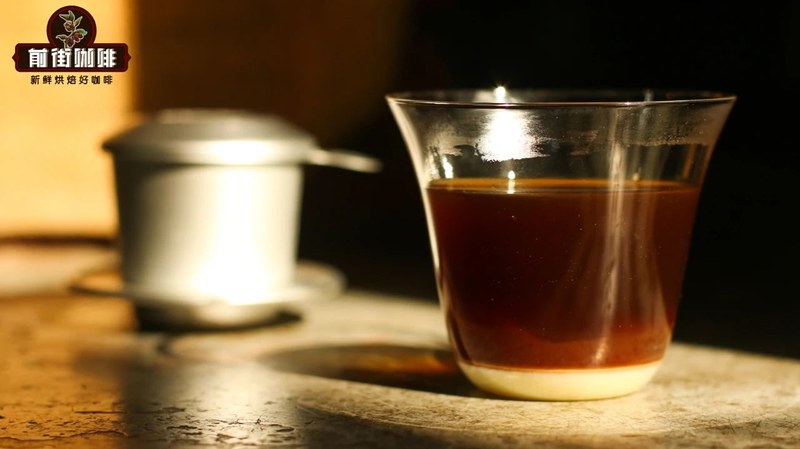
If a bag of beans is expected to take more than a month to finish, you can divide it into several portions at the beginning of opening, with each portion corresponding to several days to a week of use. Keep the short-term portion sealed at room temperature, and put the portion you are not drinking yet into small bags, press out the air, and freeze. After taking frozen beans out, do not open and close them repeatedly. Let the whole bag return to room temperature before opening to reduce condensation water contacting the beans.
Recording a few simple changes every day will be more accurate than judging by impression: the aroma when opening the bag, the smell after grinding, the sweetness after brewing, and whether the sip is dry and astringent. Even after dark roasting, Front Street Yirgacheffe Gudingding may retain a soft citrus and berry direction when cold brewed. You can save a small portion until more than ten days after roasting and try it again to compare the difference before and after degassing is complete.
The drinking rhythm for dark-roasted beans can be arranged from "date plus condition": let it rest fully for the first few days, then taste it several times in succession under similar conditions to find the stage where aroma, sweetness, and body are more balanced. After opening, divide it into portions by amount, and keep the storage environment dry and away from light, so that each time you take out beans it is close to its original state. Choosing the right date is also choosing a cup of coffee that better suits your own taste.
The above content is compiled by CoffeeHunters, a coffee news website.

