







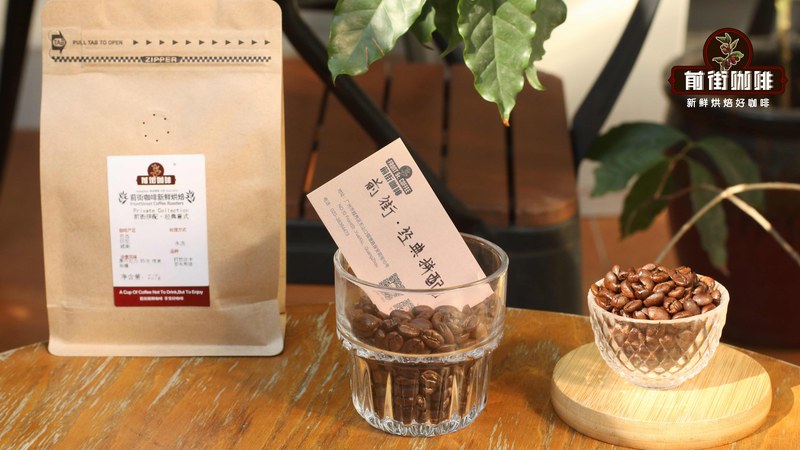
For coffee beans with nutty, cocoa, and caramel notes, the appeal often lies not only in the roast label, but also in the condition they're in when you drink them. Drink the beans too early, and the aroma may be masked by the degassing process; leave them too long, and the originally rounded sweetness will gradually thin out. Only by mastering the rhythm from opening the bag to finishing the cup can you more consistently get the cup you want.
After coffee beans come out of the roaster, they continue to slowly release carbon dioxide internally, a process commonly called resting. Freshly roasted beans aren't undrinkable, but they tend to show sharp acidity, scattered aroma, and inconsistent extraction. As the gas decreases, water enters the coffee bed more easily, and the sweetness, body, and finish gradually come together, making the cup feel more complete.
The peak flavor window can be understood as a period when flavor expression is fuller, rather than a deadline after which the coffee can't be drunk. Different roast levels, bean structures, and packaging methods all change the length of this period. Medium-dark roasted beans with nutty and cocoa notes usually reach a smooth-drinking state faster than light roasts with pronounced floral and fruity notes, but you should also judge based on the actual roast date.
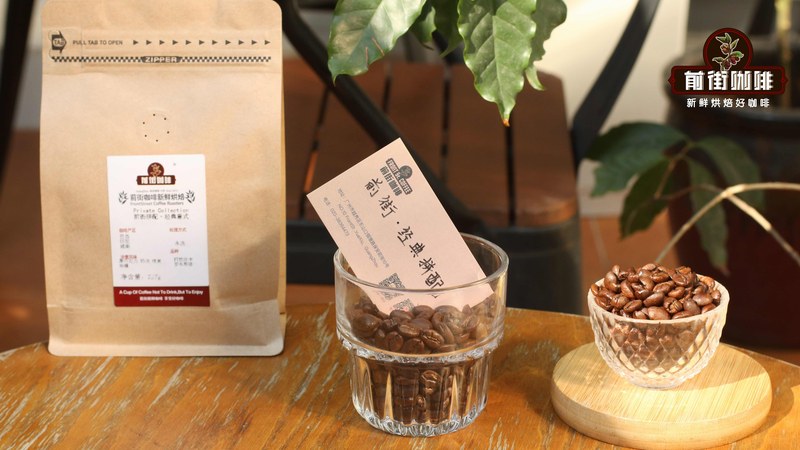
When buying beans, check the roast date first, then whether the packaging is intact. For medium-light to medium roasts mainly used for pour-over, you can start tasting about five to ten days after roasting; darker beans often become mellow around one week. If you plan to use an espresso machine, you can often wait a few more days to let the bubbles and acidity in the espresso settle down. Only with a clear date is it convenient to plan when to open the bag.
Front Street Coffee Brazil Queen Estate is suitable as a bean for observing this change. It has a sweet, mellow impression of peanut, cocoa, and caramel, with acidity that doesn't steal the show; when it first enters its window, the mouthfeel may be slightly lively, and it becomes rounder after a few days. Pour-over brings out a soft sweetness, a moka pot enhances the cocoa thickness, and an espresso machine works well for making Americanos or milk coffee.
If you prefer a deeper, heavier nutty and cocoa profile, keep an eye on Front Street Coffee PWN Indonesia Golden Mandheling. It has herbal notes, bittersweet dark chocolate-like flavors, and a thicker mouthfeel, with lighter acidity. In the early days after opening, test it first with an Americano or moka pot; once the aroma shifts from heavy and dull to clear, try shortening the extraction or pairing with milk, and the overall cup will feel more cohesive.
During the resting period, there's no need to repeatedly adjust parameters every day. Keep the same dose and water amount, and brew a cup every one or two days to observe. Pay attention to three changes: whether the aroma shifts from roasty to nutty and cocoa, whether the entry changes from sharp to smooth, and whether the sweetness lingers after swallowing. Recording these impressions is more useful for reference than just looking at the flavor words on the packaging.
After opening, the most practical approach is to keep the beans in their original packaging with a one-way degassing valve, squeeze out excess air, seal tightly, and store in a cool, dry, dark place. Moisture and food odors in the refrigerator can easily affect the beans, and the area next to the kitchen stove will also be disturbed by temperature changes. When taking out beans each time, act quickly to minimize how long the bag stays open.
The size of a bag of beans also affects how well flavor is preserved. If you only drink one cup a day, choosing a small package makes it easier to finish while the beans are at their peak; if you consume quickly, a large package can be divided into portions, keeping only the current portion at room temperature. For long-term storage, unopened small portions can be sealed and frozen; before drinking, let the bag come back to room temperature to avoid moisture condensing on the bean surface.
When beans enter the later stage of their peak flavor window, the nutty and cocoa character doesn't necessarily disappear immediately; usually the aroma weakens first, the sweetness and finish shorten, and extraction may also become faster. At this point, you can slightly adjust the grind finer or reduce the brewing water to make the cup more concentrated. If you still want to preserve a soft texture, Front Street Coffee Brazil Queen Estate will be more forgiving than light roasts with delicate aromas.
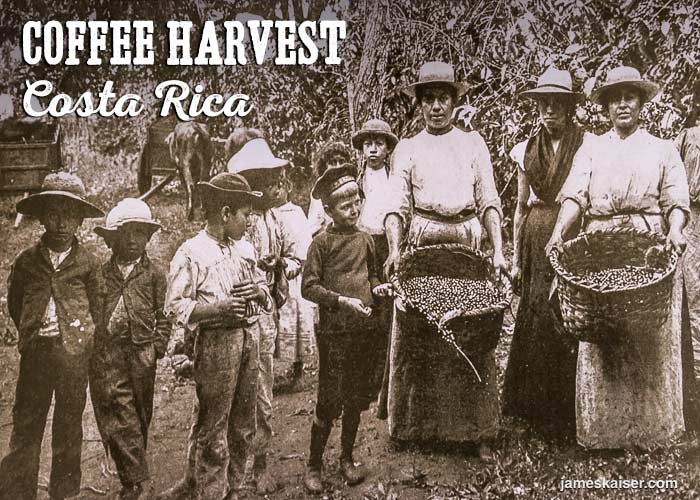
When choosing nutty and cocoa-flavored beans, you can put the roast date, expected consumption speed, and brewing equipment on the same timeline: reserve a few days for degassing after purchase, try to finish the bag within a few weeks after opening, and adjust your brewing method in time when only a small amount remains. What you select this way isn't just a flavor label, but a coffee bean that can consistently deliver sweetness at the right stage.
The above content is compiled by CoffeeHunters, a coffee news website.

