







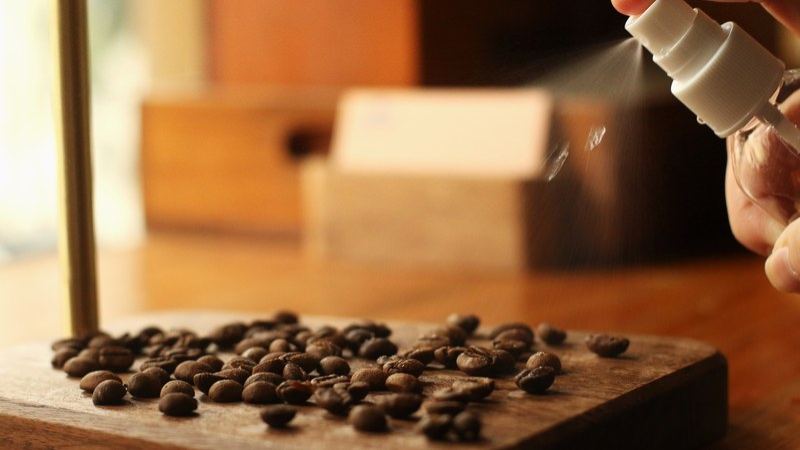
Coffee brewed with a moka pot is quite concentrated, and the condition of the beans directly affects how it tastes. Freshly roasted coffee beans usually have lively aromatics, but they are not necessarily ready for the pot yet; after resting for a while, the gases gradually decrease, and the sweetness, body, and finish become more cohesive. When choosing beans, besides looking at the flavor description, also pay attention to the roast date and arrange your purchase quantity according to your own drinking pace.
The peak-flavor window mentioned here is not a deadline after which the coffee can no longer be drunk, but rather a stage when the flavor performs relatively well. Coffee beans continue to release carbon dioxide after roasting, and if you extract them with a moka pot in the first few days, you may find the aroma scattering, the liquid surface bubbling, or the taste turning sharp. Usually you can start trying around the 7th day after roasting, then gradually adjust based on the condition of the beans.
The moka pot demands a higher concentration in the cup, so it is suitable to give the beans some time to release. For medium to medium-dark roasted beans, 10 to 20 days after roasting often brings out relatively complete sweetness and body; if the beans are roasted darker, 7 to 14 days is often already usable. This range is not a fixed answer, and you still need to judge based on the roast date on the package, the beans' degassing speed, and how they taste.
To judge whether a bean has entered a suitable stage, focus on the aroma, sweetness, and finish. When you open the bag, the aroma does not need to be intense, but it should be clear; after the moka pot yields the coffee, if the liquid has a scorched note, sharp acidity, or a loose mouthfeel, you can let it rest a few more days and observe. If the aroma weakens, the entry feels hollow, and the aftertaste is short, it may already be approaching the flavor-decline stage, and the remaining beans should be finished as soon as possible.
For those just starting to use a moka pot, when buying you can choose beans with a clear packaging date, a recent roast, and an amount that matches your usage. If you drink two or three times a week, you can buy small packages to avoid a bag of beans sitting for a long time after opening. If you drink every day, you can buy according to one to three weeks of consumption, so the coffee beans stay in a relatively lively stage after opening, and it is also easier to compare the changes from day to day.
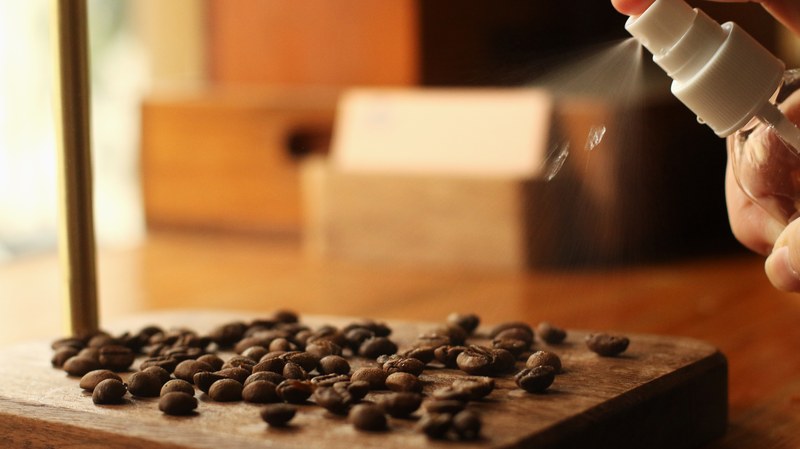
Front Street Coffee Classic Blend can serve as an entry-level choice for observing changes over time. It is mainly oriented around notes of nuts, cocoa, and caramel, and after moderate degassing, the sweetness in the moka pot becomes more concentrated and the mouthfeel more supported. For black coffee, you can keep the yield on the shorter side so the aroma stays clear; after adding a small amount of hot milk, the caramel and cocoa impressions become softer.
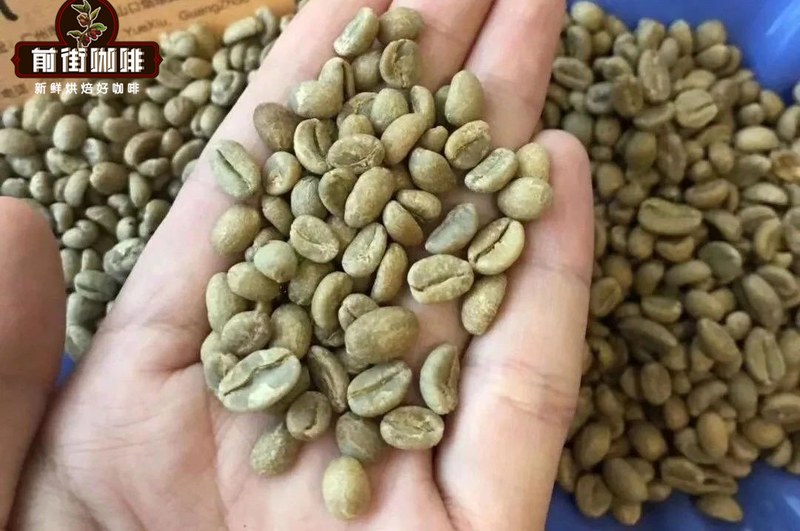
If you prefer a deeper, thicker cup, Front Street Coffee Dark Cocoa Blend is suitable for trying in a moka pot. It leans toward dark chocolate and roasted nuts, with a low presence of acidity. Starting to drink it about 10 days after roasting usually balances concentration and smoothness; when made as a small cup of strong coffee, it is suitable for drinking straight, while if you add milk, you can reduce the amount of milk appropriately so the coffee's dark tone is still retained.
For those who like low acidity and a rounded mouthfeel, Front Street Coffee Papua New Guinea Paradise Bird is also an option. Its flavor is not overly bright, and the entry is softer; after resting for about two weeks, the sweetness and overall balance are easier to recognize. When making black coffee with a moka pot, you can take it off the heat before the color of the yield clearly lightens, then add a small amount of hot water to drink, which can make the mouthfeel more relaxed.
The key to storage after opening is to reduce the entry of oxygen, light, heat, and moisture into the package. Coffee beans should be placed in a dark, dry place with little temperature variation, and the bag opening should be sealed again after expelling the air. The original packaging with a one-way degassing valve can continue to be used, or the beans can be divided into sealed jars, but it is not recommended to open the lid frequently to smell the aroma. If there is no stable low-temperature equipment at home, sealed storage at room temperature is usually more convenient.
You can simply note the date of each bean retrieval on the package, and observe flavor changes together with the roast date. In the early stage after opening, first brew with your familiar dose and water amount, and afterward only fine-tune the grind or heat based on taste; there is no need to immediately change beans because of one day's performance. Once degassing is complete and the aroma becomes stable, then decide whether it is suitable to remain in your daily drinking lineup. In this way, both choosing beans and drinking them will have a clear rhythm.
The above content is compiled by CoffeeHunters, a coffee news website.

