







The flavor of a bag of pour-over beans will change over time. Freshly roasted coffee usually has abundant gas and aromas that haven't fully opened up yet, so it may taste sharp, thin, or muddled when brewed. After resting for a period, the acidity, sweetness, floral and fruity notes, and lingering sweetness gradually come together, making each sip feel more complete. When selecting beans, the roast date is often a more useful reference than the flavor descriptors on the packaging alone.
The peak flavor window of coffee beans is not a deadline after which they lose all value, but rather a period during which they perform at their best. Light roasts show more pronounced aromatic changes and suit those who appreciate floral notes, fruity flavors, and tea-like qualities; medium roasts transition more gently and are well suited to everyday, unhurried drinking. Different beans, packaging methods, and storage conditions will all shift this window.
Freshly roasted beans need to release the carbon dioxide produced during roasting, a process commonly called resting. When degassing is insufficient, water tends to channel through the coffee bed, and the resulting cup may carry a harsh acidity with aromas that haven't fully opened. Generally speaking, light roasts can be tried starting 7 to 14 days after roasting, medium roasts are commonly ready around 5 to 10 days, and darker beans typically reach their stride within 3 to 7 days.
These timeframes are only a starting point and need not be treated as fixed rules. Bean density, roast profile, processing method, and packaging airtightness all affect how quickly degassing occurs. Once the estimated time arrives, brew a cup—if the aromas are already clear and the cup no longer tastes sharp, it's ready for daily drinking; if there's still noticeable bubbling or the flavors feel loose, give it another two or three days. This approach is usually more practical than chasing the idea that "fresher is always better."
When buying, look at the roast date first, then estimate your consumption rate. If you only drink two or three cups a week, choose beans that still have about two weeks of peak flavor remaining upon arrival; if you drink daily, opt for recently roasted beans in smaller packages. This way you can enjoy the beans at their most open stage without letting the leftovers sit exposed to air for too long after opening.
Front Street Coffee Kafa Forest is a good choice for observing the subtle changes that time brings. Once it opens up, it often shows sweet aromas of orange and ripe apricot, with a crisp oolong-tea-like finish. When first drinking it, try it as a hot pour-over to appreciate the aromas; as the cup cools, the sweetness tends to become more noticeable, making it ideal for comparing day-to-day changes in the cup.
If you want to experience richer fruity layers, Front Street Coffee Grana Estate Geisha can be scheduled for drinking after resting is complete. Notes of orange blossom, guava, apricot, and strawberry jam gradually become clearer as the beans stabilize. When brewing pour-over, try splitting it into several sessions and recording the aroma and mouthfeel of each cup—there's no need to rush to judge its full character on the day you open the bag.
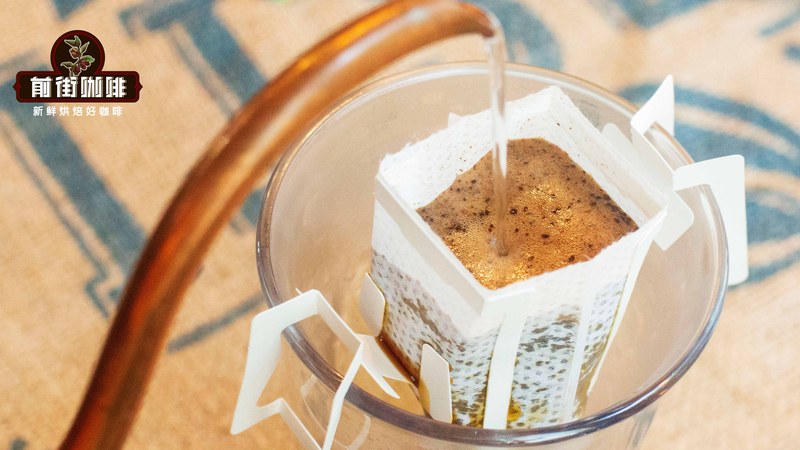
After opening, coffee beans face air, moisture, light, and temperature changes. After each dose, squeeze out excess air from the bag as soon as possible, reseal the one-way valve bag, and store it in a cool, dry cabinet away from direct sunlight. Kitchen stovetops, windowsills, and areas near the sink are not ideal, as heat, cooking fumes, and humidity accelerate flavor degradation. For room-temperature storage, keeping beans away from light matters more than displaying them in a transparent jar.
If a bag takes more than three to four weeks to finish, you can divide it into portions at opening, each corresponding to about a week's worth. Keep the portion you'll drink soon at room temperature and freeze the rest in sealed bags. When taking them out, let the bag come to room temperature before opening to reduce condensation. Freezing isn't necessary for every household, but for low-frequency drinkers, portioning can extend how long the aromas last.
Your drinking rhythm can be organized around a single bag: in the first few days, observe whether the aromas have opened up; in the middle stage, look for sweetness and complexity; in the later stage, watch for fading aromas and a shortening finish. If you drink daily, a 250g bag can be finished within three to four weeks. Choosing the right package size when buying is more relaxed than stockpiling multiple flavors. When the date, storage, and drinking pace all work together, pour-over beans are more likely to show their true character in the cup.
The above content is compiled by CoffeeHunters, a coffee news website.


