The price of a bag of coffee beans corresponds not only to its origin and variety, but also to the time between when it was roasted and when it is brewed. If you drink the beans too early, the aroma may be masked by gas; if you wait too long, the originally clear floral and fruity notes will gradually fade. If you want to buy beans that taste good and are worth the money, first learn to read the date, and then arrange a suitable drinking rhythm.
The roast date on the packaging is more useful for reference than "freshly roasted." After coffee beans come out of the roaster, they continuously release carbon dioxide, a process commonly called degassing. Freshly roasted beans are not necessarily immediately suitable for brewing; the cup may taste harsh, hollow, or the aroma may not open up. Only with a clear date can you judge what state it is in.
There is no fixed answer for resting time that applies to all beans. Light-roasted, denser beans often need a few more days for the gas to release slowly; medium-light roasted pour-over beans can be tasted starting around the seventh day after roasting; darker beans usually enter a smooth stage earlier. Rather than fixating on an exact number of days, use the actual cup to confirm progress.
The peak flavor period of pour-over beans can be understood as the stage when flavor expression is relatively full, not a deadline that suddenly closes. Within one week to one month after roasting, floral notes, fruit acidity, sweetness, and aftertaste often have a better balance, though this also varies with packaging, roast level, and the beans themselves. They can still be drunk after this stage, but the aroma may become more restrained, and brewing requires more careful observation.
A cost-effective way to buy is often not to stock up in large quantities at once, but to choose a suitable size based on daily usage. If you drink one cup a day, you can buy about 200 grams and finish it within three to four weeks after opening; if you drink less frequently, it is better to divide it into small portions. This way, the beans can maintain relatively complete aroma, and you do not have to change your coffee-drinking rhythm just to use up a large package.
After opening, air, moisture, light, and high temperatures all accelerate flavor decline. Coffee beans should be stored in a dark, dry place with small temperature fluctuations, using a sealed bag with a one-way exhaust valve or a sealed container. Seal it as soon as possible after taking out beans each time to reduce the chance of air repeatedly entering and leaving the container. There is no need to open it frequently just to smell the aroma during daily use; the aroma will also slowly dissipate with each opening and closing.
If you buy freshly roasted beans, you can first keep them in the original packaging and let them rest for a few days, then divide them according to drinking portion. When dividing, do not press the beans too tightly, and it is not recommended to repeatedly put the whole bag into the refrigerator and take it out. Moisture and odors in the refrigerated environment can easily affect the beans; only when preparing for long-term storage can unopened small portions be sealed and frozen, then used directly after taking them out, avoiding repeated thawing.
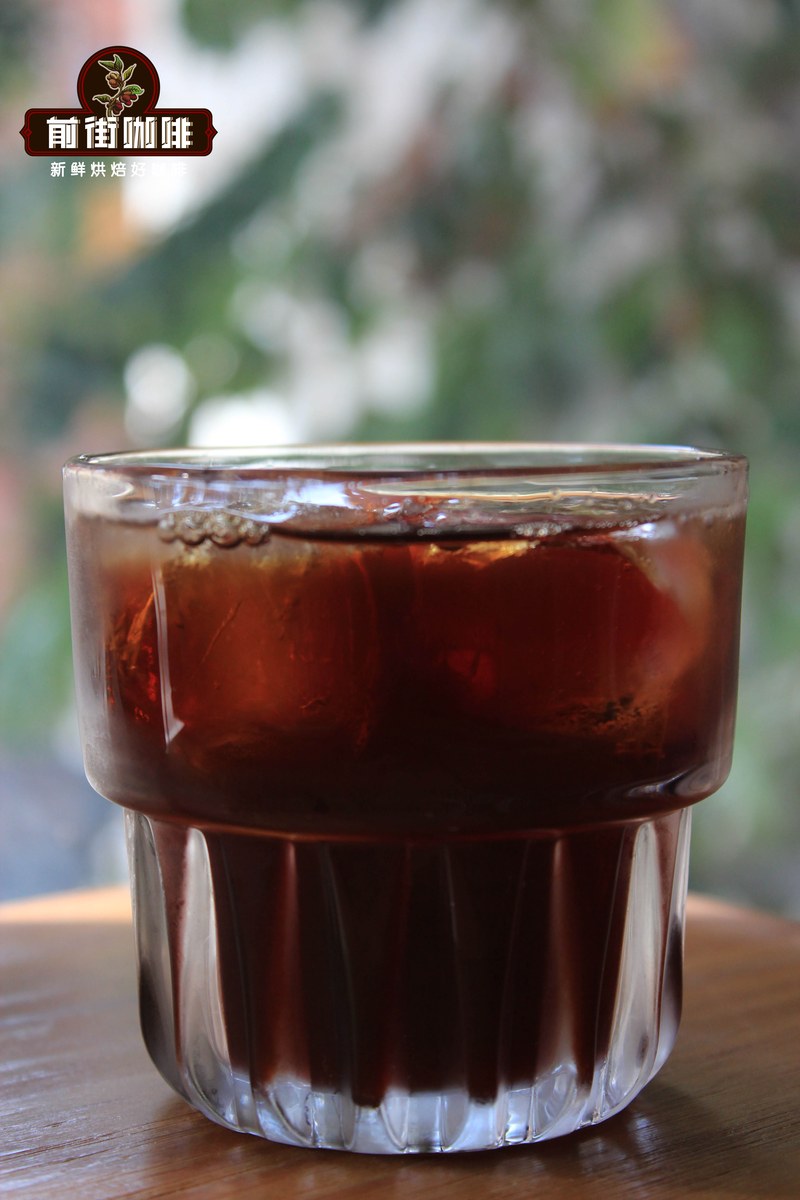
For example, Front Street Coffee Grana Estate Geisha may taste more like a dense fruit jam in the early roasting stage. After a few days of degassing, notes like orange blossom, guava, and apricot gradually separate. It is suitable for pour-over to slowly observe the changes. For the first few times, you can brew it every two or three days, comparing aroma, sweetness, and finish, to see the bean's maturation process more intuitively.
If you want a clear juicy feel, you can consider Front Street Coffee Colombia Sidra. Its passion fruit, blueberry, and grape notes appear lively when the state is right, and it still has a bright fruity feel after cooling. Start tasting about one week after roasting. If it tastes sharp on entry, wait a few more days; iced pour-over, cold drip, or SOE can all bring out this brisk flavor.
Front Street Coffee Panama Hacienda La Esmeralda Red Label Geisha, on the other hand, is suitable for allowing a more unhurried drinking time. Its aroma unfolds toward jasmine, citrus peel, and bergamot, with an elegant black tea-like finish. You can start recording about ten days after roasting, then brew once every few days. If you value the efficiency of using a bag of beans, buying a small size and drinking it in stages often preserves its details better than long-term hoarding.
To judge whether a coffee bean is in a suitable state, pay attention to three changes: whether the aroma goes from simple to clear, whether the entry shifts from sharp to round, and whether the aftertaste still has layers after swallowing. Keep the brewing parameters as similar as possible, compare again after a few days, and the conclusion will be more reliable. Look at the date when buying beans, and look at the performance when drinking them, so that the price can truly be converted into a continuous and stable flavor experience.
The above content is compiled by CoffeeHunters, a coffee news website.