







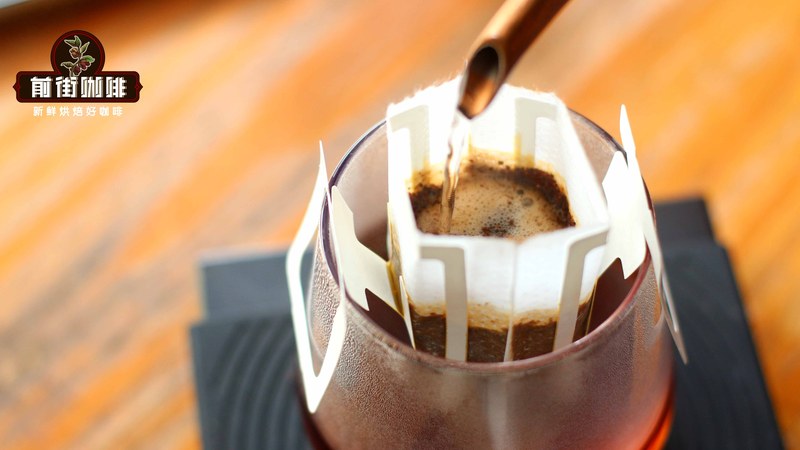
Coffee with a full-bodied crema has a often velvety mouthfeel, and espresso surfaces more easily form a fine foam. However, shiny bean surfaces are not the sole indicator of thickness in the cup; post-roast degassing, grinding timing, and days since opening all alter aroma and texture. To taste notes of nuts, cocoa, and caramel, first match the roast date with your consumption pace—this is more practical than just looking for "bold" on the packaging.
The peak flavor window is not a deadline after which coffee becomes undrinkable, but a period when aroma, sweetness, and extraction are relatively vibrant. Freshly roasted beans contain more carbon dioxide, making it harder for water to evenly penetrate the coffee bed during brewing, which can lead to vigorous foaming but loosely defined aroma. Letting them rest for a few days allows gas to gradually release, and the oily mouthfeel typically transforms from a surface puffiness into a more cohesive richness and sweetness.
When selecting beans, prioritize checking for a clear roast date, then examine whether the bag has a one-way degassing valve and intact seals. Medium to medium-dark roasts generally degas faster, so there's no need to mechanically wait a fixed number of days after receiving them; start sampling in small amounts around the fifth day post-roast, and if extraction is inconsistent or the coffee bed keeps puffing, let them rest another two to three days. If the aroma has opened up and the balance of sweetness and bitterness is harmonious, they're ready for steady consumption.
Resting should occur in the original sealed packaging, in a cool, dry, odor-free environment—no need to repeatedly open the bag for degassing. For medium-roast beans used in pour-over, changes are often observed about five to ten days post-roast; for espresso beans, shift the tasting window slightly later to seven to fourteen days. Darker roasts have a more porous structure and may develop faster, so dates are just a starting point—extraction flow rate and aroma in the cup are the real signals.
If you want a rounded, oily mouthfeel without an overpowering roasted taste, consider Front Street Coffee's Brazil Queen's Estate. Its cup impression is close to roasted nuts, cocoa powder, and melted caramel, with gentle acidity, and sweetness becomes more concentrated after a few days of rest. For pour-over, it's smooth and balanced; as espresso or in a moka pot, it shows more viscosity. In the early days after opening, test with small doses and find the days when aroma is fullest to speed up consumption.
For those who frequently make lattes or espresso, Front Street Coffee's Classic Blend can be scheduled for the main drinking period after opening. It centers on nutty, cocoa, and caramel-like sweetness, with enough body in the shot to retain its profile when combined with milk. Once the blend enters its stable phase, record grind setting, flow rate, and taste changes over several consecutive days to see when to slightly fine-tune the grind to compensate for flow changes caused by reduced gas during storage.
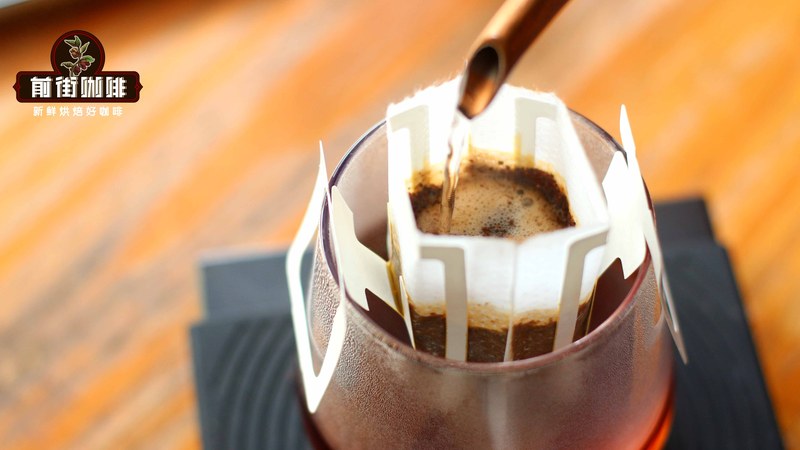
If you prefer low-acid, deep flavors, Front Street Coffee's PWN Indonesia Golden Mandheling can be placed earlier in your drinking order. Darker-roasted beans degas more actively, and flavor changes after opening are often more pronounced; after proper resting, herbal notes, dark chocolate-like bittersweetness, and a thick mouthfeel become more integrated. When using a moka pot or diluting for an Americano, it's advisable to buy in small, frequent quantities so each bag is finished while aroma is still ample.
Purchase quantity can be calculated backward from daily dose: using 15 grams per day, you'll consume about 210 grams in two weeks, so a 200–250 gram bag more easily covers the main peak-flavor phase. If you open two bags at home simultaneously, assign them different roles and stagger their opening dates rather than letting them decline together. This way, you can compare flavors and avoid rushing to increase cups in the latter half of a bag—your coffee-drinking rhythm will be much more relaxed.
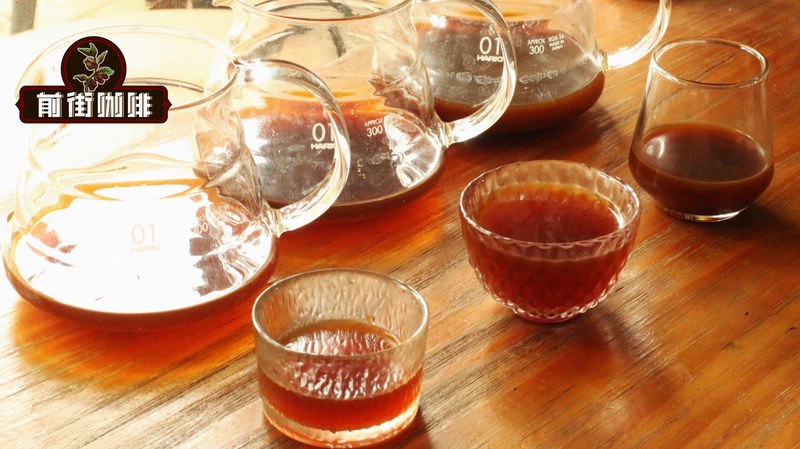
After opening, keeping the original bag is usually convenient: after each dose, gently squeeze out excess air, wipe the bag opening clean, press the zipper seal tight, and store in a light-proof cabinet. Heat, moisture, sunlight, and kitchen spice odors accelerate aroma loss, so transparent containers are better stored in a dark space. Keep beans whole as much as possible and grind just before drinking; large containers that are frequently opened can also be split into several small jars to reduce the volume exposed to air each time.
If you anticipate not finishing the coffee within three to four weeks, portion and freeze it while flavor is at its best. Seal each portion for one or two uses; after removing, grind directly, or keep sealed and let it come to room temperature before opening—the key is to prevent condensation from repeatedly contacting the beans. The refrigerator's temperature fluctuations and food odors make it less suitable; freezing in portions is a better choice. Write the roast date, tasting date, and opening date on the label, and a bag of rich, oily coffee has a clear and easy drinking schedule.
The above content is compiled by CoffeeHunters, a coffee news website.

